REVIEW · CAVTAT
Cavtat: Shell Museum Entry Ticket with Guided Tour Option
Book on GetYourGuide →Operated by Glossus Humanus · Bookable on GetYourGuide
That sea smell you expect in Croatia leads somewhere unexpected. The Shell Museum in Cavtat is a small, focused look at what shells can teach you about nature, science, and human creativity. I love the way the collection turns everyday beach finds into real stories you can actually follow.
Two things I like a lot: the sheer scale of the displays (think thousands of specimens, not a token handful) and the mix of science plus art and history themes. One drawback to keep in mind: the museum isn’t set up for wheelchair users, so plan accordingly if mobility is an issue.
In This Review
- Key Highlights You’ll Notice Fast
- Shell Museum in Cavtat: What You’re Really Paying For
- Getting There: The 50m Stairs From St. Nicolas Church
- Step Inside: The Scale of a Shell Collection
- Natural History and Science Screens: How Shells Get Their Meaning
- Myths, Shell Currencies, and the Human Side of the Sea
- Shells in Art, Architecture, and Royalty
- Guided Tour Option vs Audio Guide: Choose Your Pace
- The Family Angle: What Kids Can Do Here (and What’s Not Included)
- Accessibility Notes You Should Plan For
- What a Typical Visit Feels Like (So You Can Time It)
- Who Should Book the Shell Museum Entry in Cavtat
- Should You Book It?
- FAQ
- How much is the Shell Museum entry ticket in Cavtat?
- Where is the meeting point?
- Is an audio guide included, and what languages are available?
- What does the standard ticket include?
- Is the guided tour included with the ticket?
- What rules are in place inside the museum, and is it wheelchair-friendly?
Key Highlights You’ll Notice Fast
- 3,000 different seashells from around the world, arranged so you can compare shapes and features
- Natural history + science screens that add context instead of just showing objects
- Shells in art, architecture, and royalty, so it’s not only a science stop
- Mythology and ancient shell currency themes that make the museum feel human, not clinical
- Audio guide included, with multiple languages so you’re not stuck waiting for a group
- Optional guided tour for a more structured experience (standard entry is separate)
Shell Museum in Cavtat: What You’re Really Paying For
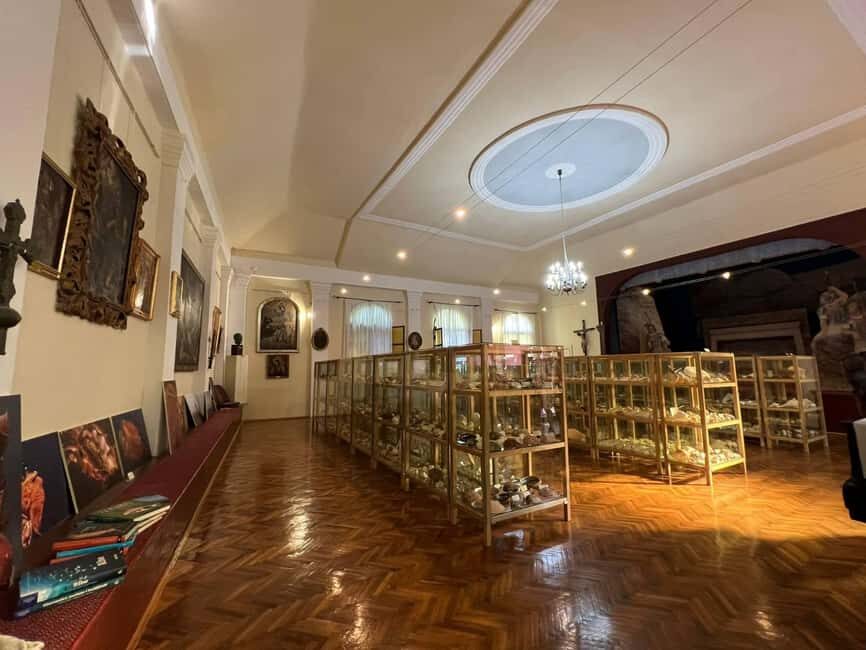
For $8 per person, this isn’t the kind of museum where you’re paying for fancy production. You’re paying for access to a private, in-depth collection and the chance to learn how shells connect to marine life and to culture.
What makes that value work is the variety of angles. You’re not only shown shells—you’re taught how they fit into natural history, why they matter scientifically, and how people have used them in art, architecture, and even royal settings. Then you get to slow down with an audio guide if you want to read at your own speed.
If you want a simple checklist visit, you can do that. If you like learning by noticing details—color, spiral form, thickness, and how shells differ—you’ll feel your time pay off quickly.
You can also read our reviews of more tours and experiences in Cavtat.



Getting There: The 50m Stairs From St. Nicolas Church
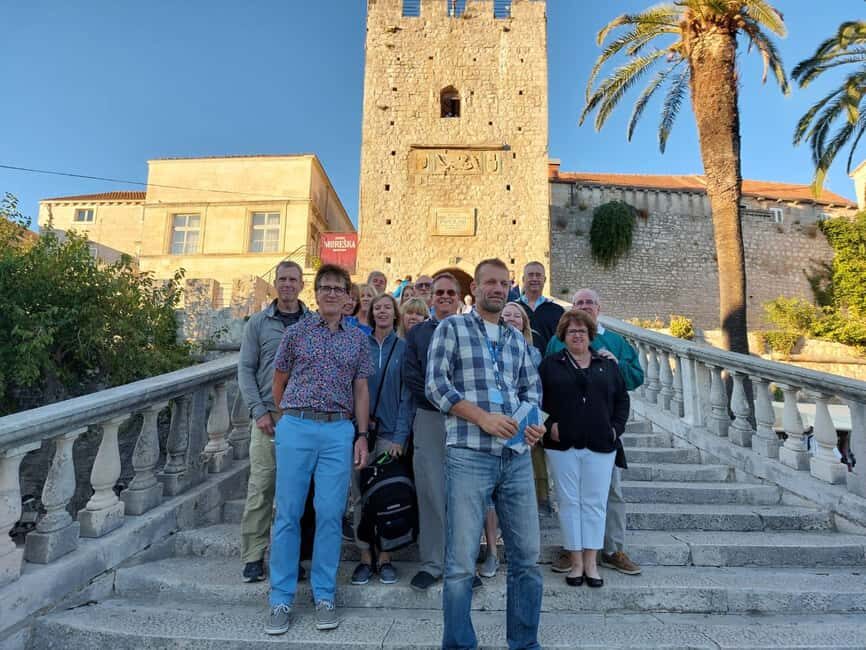
The meeting point is 50 meters up the stairs from St. Nicolas Church. That matters because Cavtat’s old-town streets can feel like a puzzle when you’re moving with luggage or after a meal.
Practical tip: go a little earlier than you think you need. Even if you’re not doing a formal guided tour at a specific time, you’ll want a calm start so you can absorb the museum without rushing to the exit.
Also note what the museum doesn’t allow. Pets, food and drinks, and swimwear aren’t allowed, so have a plan for water/snacks before you enter.
Step Inside: The Scale of a Shell Collection
Once you’re in, the museum’s main strength is the breadth of specimens. The highlight is the chance to admire 3,000 different seashells from all around the world. That’s the difference between seeing a few shells in a display case and actually building a feel for how shell types vary.
You’ll move through rooms and displays that organize shells with themes and explanation. Many visitors will find themselves switching from browsing to comparing—what looks similar, what is clearly different, and what kind of story each shell connects to.
This is where the museum earns its reputation. In reviews, people repeatedly mention how much thought seems to have gone into the details and the attention given to how the exhibits are presented. You don’t need to be a shell expert to feel that.
Natural History and Science Screens: How Shells Get Their Meaning
Shells can seem decorative until someone explains what you’re looking at. Here, the museum uses display screens with fun facts about seashells, which helps you understand what makes the collection more than just pretty objects.
You’ll learn about the natural history and scientific significance of shells—why mollusks form them, how shells relate to marine life, and why shells are useful in science and study. If you enjoy basic science facts that are clear and visual, you’ll likely find yourself reading more than you planned.
You might also notice how the museum builds connections. Instead of treating each shell as a standalone souvenir, it frames shells as part of a bigger marine story. That approach makes it easier to remember what you’ve seen.
Myths, Shell Currencies, and the Human Side of the Sea
Not every shell museum focuses on culture. This one brings in mythology and ancient shell currencies, which is a smart move for keeping the experience from turning too technical.
Those themes help you see shells as more than biology. For a lot of societies, shells were value, symbolism, and story. Even if you only read a portion of the cultural explanations, you get the sense that shells have been important for a long time—long before modern museums existed.
If you like museum experiences where science meets storytelling, this is the section that can shift your mood from learning facts to connecting dots between nature and human history.
You can also read our reviews of more guided tours in Cavtat

Shells in Art, Architecture, and Royalty
One of the most interesting parts of the Shell Museum in Cavtat is the focus on shell use in the arts. You’ll see how shells show up in art and architecture, and you’ll encounter references to shells and royalty.
This matters because it changes how you view the object in your hands. A shell isn’t just a beach find—it can become a material, a decoration, a design element, and even part of how status gets displayed.
If you’re the type who notices details in buildings, museums, and monuments, you’ll probably leave with more curiosity about where shells show up in European art and design. You may even start spotting shell motifs in other places once you’ve trained your eye here.
Guided Tour Option vs Audio Guide: Choose Your Pace
You can choose a guided tour option, but standard entry covers the museum and gallery and includes the display screens. The guided tour experience is listed separately, which means you should decide what kind of structure you want.
If you prefer to absorb at your own pace, take advantage of the audio guide. Audio is available in English, Croatian, German, Italian, French, Russian, and Spanish, and it helps you move through the exhibits without needing to wait for a group rhythm.
In reviews, people recommend getting the pass with the audio guide because it helps you learn so much about different shells. I agree with that logic. Audio works well in a museum like this because the collection is detailed, and you’ll want time to connect the explanation to what you’re actually seeing in front of you.
If you want a more guided, conversational experience, choose the guided tour option. Just know that guided tour isn’t included with the base museum entry, so check what’s being offered when you book.
The Family Angle: What Kids Can Do Here (and What’s Not Included)
This museum is described as offering an interactive kids’ experience, which includes a real shell gift for children. The important catch: that kids’ add-on is not included in the standard inclusions listed here.
So what should you do if you’re traveling with kids? You can still have a worthwhile visit without the kids’ activity, especially if your children enjoy looking at nature objects and learning quick facts. But if you want the extra hands-on component and the real shell gift, you’ll need to choose the part of the experience that includes it.
Age range isn’t specified in the details you provided, so I’d treat this as best for kids who can handle a calm indoor museum visit and who like looking closely at natural objects.
Accessibility Notes You Should Plan For
If you use a wheelchair, this won’t work as planned. The museum is listed as not suitable for wheelchair users.
Other restrictions are also worth noting: pets are not allowed, and you can’t bring food and drinks or wear swimwear inside. Those rules are simple, but they can affect comfort if you’re arriving from the beach or with a stroller plan.
If you’re traveling with mobility limits, I’d also consider timing your visit when you can move slowly, take breaks, and avoid steps if possible.
What a Typical Visit Feels Like (So You Can Time It)
This is a ticket for “1 day,” with starting times based on availability, which suggests you can choose a time window that fits your day in Cavtat. The museum experience itself is best approached like a walk-through of a focused collection—not a checklist race.
I’d recommend planning enough time to stop and read the screens in the areas that interest you most: natural history, mythology/currency themes, and the art/architecture sections. Those are the stops where the museum gives you context, and context is what turns a shell display into a story you’ll remember.
If you’re combining this with other Cavtat activities, you’ll get better results by treating the Shell Museum as a centerpiece, not a quick add-on.
Who Should Book the Shell Museum Entry in Cavtat
This experience is a great match if you like any of these:
- Natural history and science explanations that don’t require technical background
- Art and design references tied to objects you can actually see
- Mythology or cultural history that connects to real materials from nature
- Families who can appreciate a kid-friendly, indoor learning environment
You might skip or rethink if:
- You need wheelchair access
- You want a museum with large-scale exhibits and lots of room to roam
- You’re looking for a hands-on lab-style experience (the interactive kids component is specifically listed as not included)
Should You Book It?
Yes, if you’re in Cavtat and you like learning with your eyes open. For $8, you get entry to the museum and gallery plus display screens, and you can add an audio guide experience that covers multiple languages. The best reason to book is the combination of scale (3,000 shells) and meaningful themes that connect shells to marine life, science, and culture.
I’d book it especially if you enjoy comparisons and details—shell shapes, types, and how shells move from nature into art and history. If you need guided narration, choose the guided tour option; if you want flexibility, lean on the included audio guide.
FAQ
How much is the Shell Museum entry ticket in Cavtat?
The price is $8 per person.
Where is the meeting point?
The meeting point is 50 meters up the stairs from St. Nicolas Church.
Is an audio guide included, and what languages are available?
An audio guide is included, with options in English, Croatian, German, Italian, French, Russian, and Spanish.
What does the standard ticket include?
Standard entry to the museum and gallery is included, along with display screens with fun facts about seashells.
Is the guided tour included with the ticket?
The guided tour experience is not included with the standard entry.
What rules are in place inside the museum, and is it wheelchair-friendly?
Pets, food and drinks, and swimwear aren’t allowed. It is not suitable for wheelchair users.