REVIEW · DUBROVNIK
Croatia Island Hopping: Dalmatian Odyssey from Dubrovnik (8 days)
Book on Viator →Operated by Elite Travel LTD · Bookable on Viator
Dubrovnik to the islands feels like one long postcard. This 8-day Dalmatian Odyssey strings together Dubrovnik Old Town, Korčula’s medieval lanes, and Hvar’s town energy, then ends with Split’s Roman core at Diocletian’s Palace. I like that it’s a small-group trip (max 10) with a lot of your time left unplanned, so you can wander at your own pace. The other thing I like is the practical hand-holding: airport/hotel pickup, shared transfers between ports, and help with your boat tickets.
For most people, it’s a strong value because the package covers the parts that usually cause stress—lodging in the right places and the ferry/catamaran legs between islands. One consideration: Split can feel a bit short on time once you’ve done the main sights, and hotel locations can be slightly outside the most central spots (often fine, but not always picture-perfect).
In This Review
- Key Takeaways Before You Go
- Dubrovnik Old Town and Srđ: opening with the wow
- A flexible Dubrovnik couple of days: Lokrum and Elaphite ideas
- Leaving Dubrovnik for Korčula: the ferry leg is part of the trip
- Korčula Town at walking pace: why this island works
- Hvar: guided walking tour plus time to breathe
- Split and Diocletian’s Palace: where the tour guide pays off
- Ferries, transfers, and small-group calm: how the logistics actually help
- Hotels and breakfasts: what you should expect for $1,499.96
- Price and value: what you’re paying for (and what you’re not)
- Who should book this Dalmatian Odyssey?
- Should You Book? A quick decision guide
- FAQ
- What’s included in the tour?
- How many days and nights is this Croatia island-hopping trip?
- Where does the tour start and where does it end?
- Does the tour include ferries between the islands?
- How big is the group?
- Can I cancel and get a refund?
Key Takeaways Before You Go
- Small-group logistics (max 10): meeting points and timing are easier to manage than bigger tours.
- Guided walking in Hvar and Split: you get orientation in the places that can otherwise feel like a maze of streets.
- Old Town and viewpoints in Dubrovnik: you’re not just passing through—you get the signature sights, including the cable car.
- Ferry hopping with ticket support: included boat/catamaran tickets plus assistance reduces last-minute scramble.
- Free time built in: several days leave room for Lokrum and other nearby options you choose on the fly.
Dubrovnik Old Town and Srđ: opening with the wow
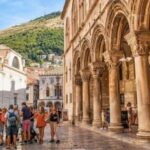
Dubrovnik is the kind of start that sets the bar high. Your first full day is built around time in the UNESCO-listed Old Town, where stone streets still feel medieval even when you’re surrounded by crowds. Highlights you should actively look for include Sponza Palace, the Franciscan Monastery, the Church of St. Blaise, and the Rector’s Palace—each one gives you a different slice of the city.
If you want the fast win on orientation, I’d plan your walking route early and save energy for the city walls later. Then take the cable car up to Srđ hill for the panoramic payoff. It’s one of those moments where the route choices you make in the morning suddenly click: you’ll finally see how the Old Town sits like a crown above the harbor.
Practical note: this part of Dubrovnik is walkable, but it’s still a real-city walk—expect steps, uneven stone, and heat/crowd pressure. Build your day so you’re not doing long climbs and long museum-style stops back to back.
You can also read our reviews of more tours and experiences in Dubrovnik.

A flexible Dubrovnik couple of days: Lokrum and Elaphite ideas
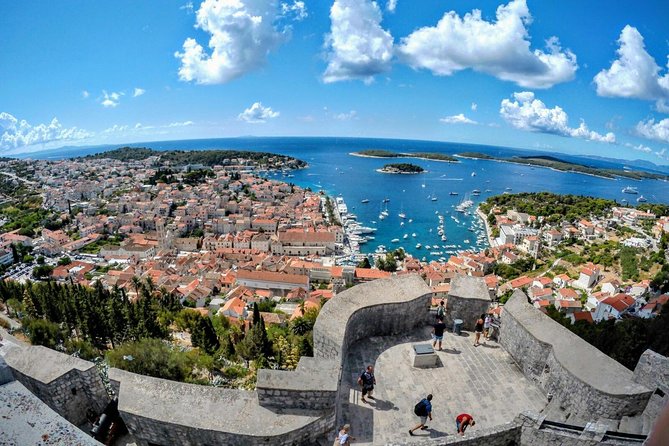
The itinerary gives you a day in Dubrovnik for independent exploring, plus another day that’s explicitly flexible. That’s a smart structure. It means you can handle Dubrovnik your way: slower sightseeing, a second lap through the Old Town, or an island escape.
If you want an easy add-on, Lokrum Island is the obvious “short hop” from the Old Town harbor. It’s described as green and calm, with holm oak, pine, and laurel, and with permanent inhabitants like peacocks and bunnies—yes, really. You’ll also be close enough to return when you feel done, which matters in shoulder season or if weather shifts.
For a bigger change of scenery, the Elaphite Archipelago is another strong option. The idea here is simple: beaches, heritage, hiking trails, and good food, but without committing to a multi-day excursion. In other words, it turns your Dubrovnik time into more than just city streets.
Leaving Dubrovnik for Korčula: the ferry leg is part of the trip
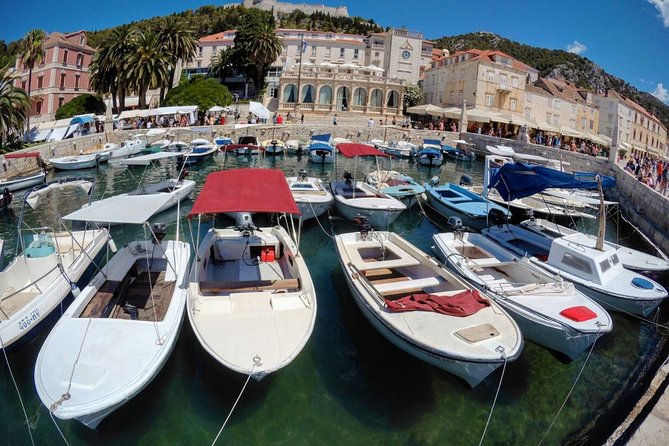
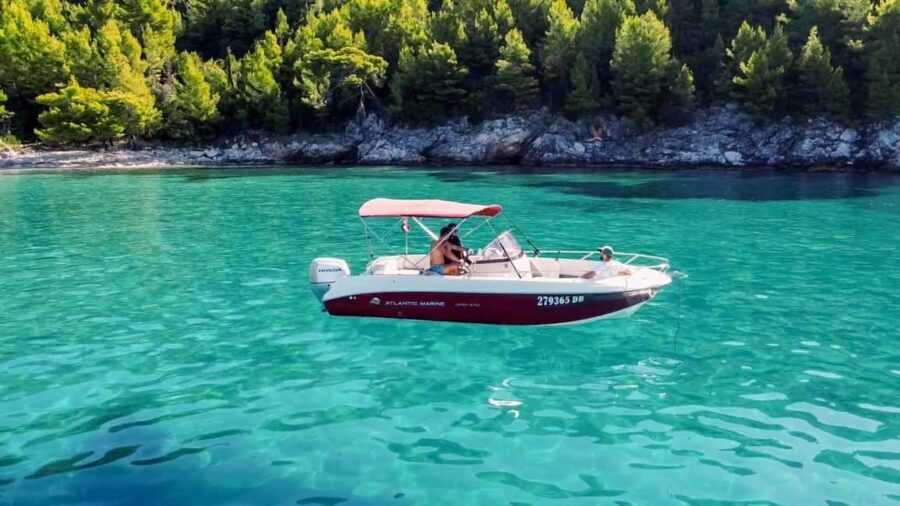
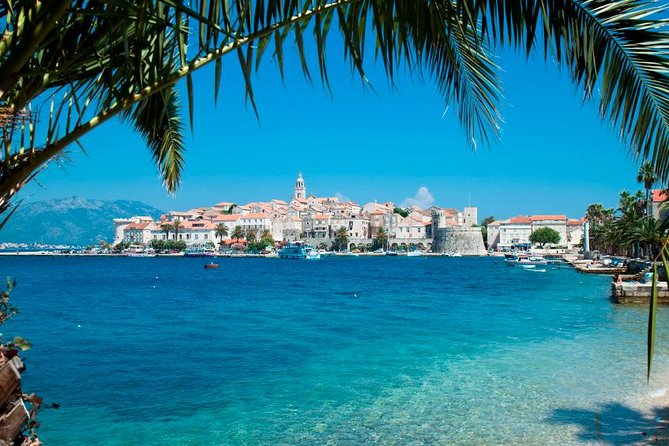
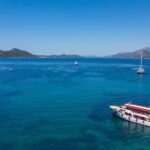
On day four, you shift from city spectacle to island rhythm. You travel along Croatia’s coast with views of the Elaphiti Archipelago and seaside villages before reaching Korčula for an overnight. Even if you don’t love boats for their own sake, the scenery is a key part of why this route works. The Adriatic travel time becomes sightseeing instead of dead time.
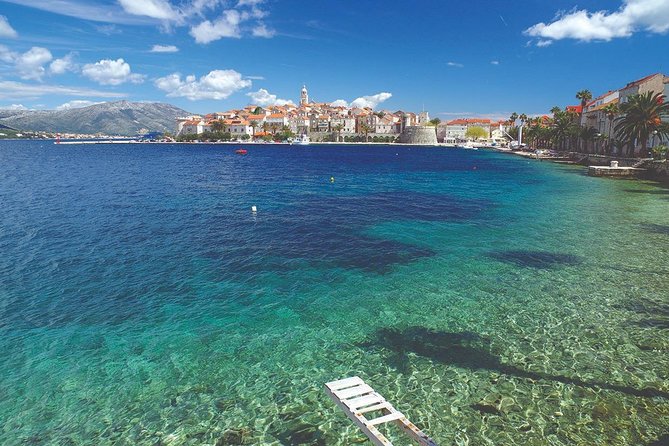
Korčula’s size and feel matter too. This is a place people often compare to a time capsule: tightly held medieval streets, strong Venetian-era influences, and stonework that looks like it’s been there forever. You’ll know it’s Venetian territory by the lion statues and the distinctive façade details around town.
One more value point: having an overnight in Korčula means you can explore without feeling like you’re always racing to the next ferry. You can do the “wander slow” thing here, especially if you arrive and then go out again later in the day.
Korčula Town at walking pace: why this island works
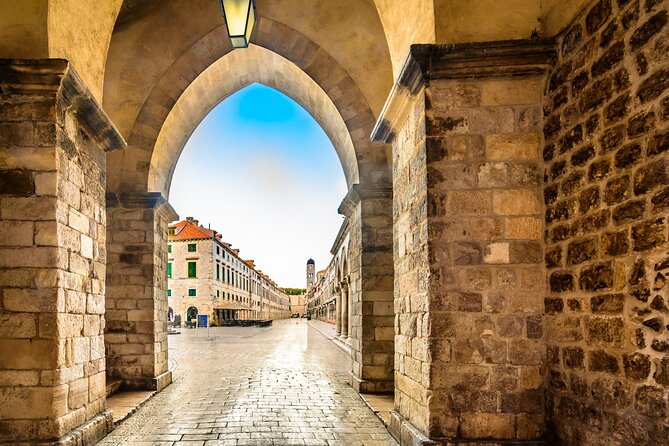
Korčula Town is where you’ll notice the medieval structure right away—curving lanes, churches, and palaces packed close together. It’s one of Croatia’s best-preserved medieval town experiences, and the atmosphere supports that. You can easily spend a few hours just moving from street to street and letting the buildings lead.
I also like that you get a day to explore on your own rather than a rigid schedule. The itinerary basically gives you permission to follow your interests: history details, viewpoints, or a relaxed sit with a sea breeze. If you prefer photographs, the town layout rewards multiple short stops instead of one long “see everything” sprint.
Hotel locations can be a mixed bag in island towns, so I’d set expectations accordingly. Some accommodations may be slightly outside the most central areas, but multiple reviews point out that walking access to key spots was still workable. Bottom line: plan your evenings around the town center, and you’ll be fine even if your room doesn’t have a view.
Hvar: guided walking tour plus time to breathe
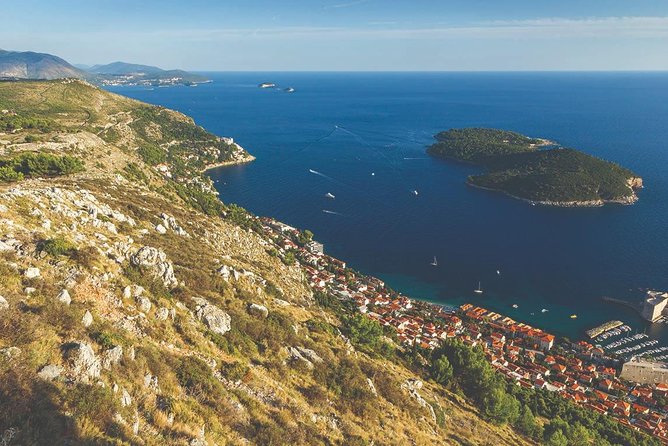
Hvar is the island where the itinerary turns from “see the old walls” to “live the island day.” After breakfast in Korčula, you sail to Hvar and spend the night there. Hvar is described through two moods: the glitzy town with squares and Venetian palaces, and quieter waterfront scenes like Jelsa and bridges such as Vrboska, plus vineyard country at Ivan Dolac.
In the package, you also get a walking tour focus in Hvar with stops like the Franciscan monastery and the Hvar Historical Theatre. This is the part I’d treat as your anchor. Hvar’s town center can feel busy and a bit directionless if you’re walking without context, so guided context helps you know what to chase next afterward.
Then you get the freedom to continue at your pace. If the day is hot, you’ll likely want a slow sequence: a short museum/cultural stop, a coffee, a late-morning walk, and an easy evening stroll. If you’re more outdoors-minded, shoulder-season conditions can make hiking and viewpoint hunting more comfortable.
One smart strategy: use your free time to explore beyond the main drag. Even staying inside town, small side streets often feel less crowded and more “Hvar” than the most obvious promenade.

Split and Diocletian’s Palace: where the tour guide pays off
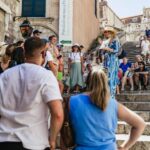
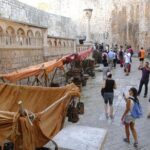
Your final island chapter ends with a cruise back to the mainland and an overnight in Split. This is where the itinerary delivers a focused guided walking component inside the Diocletian’s Palace area, including the Cathedral of St Domnius.
If you like Roman layers, Split is an excellent finish. You’ll learn how Diocletian’s Palace started as the Roman Emperor’s retirement estate and became the living center of a city of about 3,000 residents—one of the reasons Split feels so different from a museum town. With a guide, it’s easier to connect what you’re seeing (arches, courtyards, church spaces) to how people use these spaces today.
Here’s the consideration I’d flag: Split can feel like a “do the big things, then what?” destination if you only have one concentrated block of time. Some people found that after the palace highlights, they didn’t have a huge menu of extra included programming. My advice: build your own backup plan—food, waterfront walks, and one or two extra neighborhoods—so the day still feels complete even without another formal tour.
Ferries, transfers, and small-group calm: how the logistics actually help

The backbone of this trip is transport that’s already arranged. You get boat/ferry/catamaran tickets included, plus help with ticket delivery or similar support during the program. That matters, because island travel is where small delays multiply.
You’ll also use shared transfers in Dubrovnik, Korčula, Hvar, and Split. In practical terms, this means you’re not doing solo navigation through stations and ports with a pile of luggage. Pickup details specify a driver waiting in the Arrivals Hall with your name on a sign—simple, human, and easy to locate after a flight.
The group size (max 10) is another quiet advantage. It reduces confusion at meeting points and helps the local team keep timing under control.
And yes—weather happens. One of the best service signals from the experience details is that when a ferry was cancelled due to bad weather, an alternative travel plan was arranged. That kind of contingency is what protects your itinerary when nature interrupts.
Hotels and breakfasts: what you should expect for $1,499.96
This package includes seven nights of hotel accommodation and breakfast on six mornings. That’s a real value lever because island days can be expensive once you’re buying meals on the go. Breakfast also keeps mornings low-stress: you’re ready to leave without hunting for coffee and pastries first.
Hotel quality seems to be generally strong, with lots of praise for cleanliness and comfortable rooms. A few reviews mention rooms that are on the non-view side of properties. So if a view is your top priority, don’t assume you’ll wake up to the sea every day.
Location-wise, the pattern that comes through is “convenient walking access,” even if the hotel isn’t in the exact center of the postcard zone. In Split, some people noted that a hotel could be a bit out of the way, which affected how much time they felt they had for exploring after the main tour.
My practical advice: pack for walking days and accept that island hotel rooms are often about comfort more than scenery. You can always chase views outside your room.
Price and value: what you’re paying for (and what you’re not)
At $1,499.96 per person for an 8-day, 7-night multi-island package, the value isn’t just the fact that you’re getting ferries. You’re paying for:
- hotel nights in each stop (not just one base city),
- shared transfers between the key legs,
- boat/catamaran tickets,
- and tour support in major sights like Hvar and Split.
Going it alone can be cheaper in theory, but it often costs time and mental energy—especially when you’re juggling schedules, ticket confirmations, and where you meet people. This tour structure removes a lot of that friction.
What you won’t get included is food and drinks (except breakfast), and extra city sightseeing in each destination isn’t bundled beyond the guided walking components. That’s okay if you enjoy choosing restaurants and pacing yourself. If you prefer fully guided every day, you might need to add optional activities on top.
Who should book this Dalmatian Odyssey?
This itinerary is ideal if you:
- want an efficient first look at Dubrovnik, Korčula, Hvar, and Split without handling transportation chaos,
- like guided history context in the big-ticket towns, then free time to roam,
- and enjoy island hopping with ferries and catamarans as part of the experience.
It’s less ideal if you:
- need more time in Split beyond Diocletian’s Palace,
- expect nightly entertainment planned for you,
- or require a guaranteed sea-view room every night.
Should You Book? A quick decision guide
Book this trip if your main goal is simple: see Dalmatia’s highlights while spending your mental energy on walking, viewpoints, and meals—not on logistics. The small group size, the ticket support, and the guided orientation in Hvar and Split are the parts that make this package feel worth the money.
Skip it (or adjust your expectations) if you’re someone who needs a full day of programming in every city. Also think twice if you’re picky about hotel views or you hate getting from your hotel to the action on foot.
FAQ
What’s included in the tour?
The package includes arrival transfer from Dubrovnik Airport (or your Dubrovnik hotel) and departure transfer to Split Airport (or your Split hotel). It also includes seven nights of hotel accommodation, boat/ferry/catamaran tickets, assistance with those tickets during the program, shared transfers in Dubrovnik, Korčula, Hvar, and Split, and breakfast on six mornings.
How many days and nights is this Croatia island-hopping trip?
The experience runs for about 8 days and includes seven nights of hotel stays.
Where does the tour start and where does it end?
It starts in Dubrovnik at the airport meeting point. It ends after breakfast with a transfer to Split Airport or to your accommodation in Split.
Does the tour include ferries between the islands?
Yes. Boat/ferry/catamaran tickets are included, along with assistance related to ticket delivery or similar support during the trip.
How big is the group?
The tour has a maximum of 10 travelers.
Can I cancel and get a refund?
You can cancel up to 6 days in advance for a full refund. If you cancel 2–6 full days before the start time, you receive a 50% refund. Less than 2 days before the start time is not refundable.