A night walk through Split feels like stepping between centuries. This tour focuses on darker, stranger stories inside Diocletian’s Palace and the streets around it.
I especially like how it mixes real place-based history with a fun, human guide who keeps the mood light. One small catch: you need good weather since it’s mostly outdoors.
With a max group size of 10, the pace stays comfortable and questions don’t get lost. I also love the ending touch—many people finish with local beer, and the guide is flexible if you do not drink.
If you want a horror show with jump-scares, this is not that kind of tour.
In This Review
- Key highlights at a glance
- How the Dark Tour of Split changes the way you see the city
- Palazzo di Diocleziano: the late-Roman anchor stop
- Old Split (west of the palace): alleys with a different kind of story
- Riva Harbor on the south side: sea views plus perspective
- The guide factor: why Dusen’s storytelling is the main attraction
- Group size and pacing: small, calm, and question-friendly
- Price and value: $34.24 for three high-impact areas
- Where you meet and how to plan your walk
- What to expect from the Dark Tour theme
- Who should book this tour (and who might skip it)
- Should you book the Dark Tour of Split?
- FAQ
- FAQ
- How long is the Dark Tour of Split?
- What does the tour cost?
- Where does the tour start?
- Where does the tour end?
- Is the tour offered in English?
- Do I need to pay for admission at the stops?
- How many people are in a group?
- Is a mobile ticket used?
- Are service animals allowed?
- What’s the cancellation policy?
Key highlights at a glance
- A small group (up to 10) keeps the walk personal
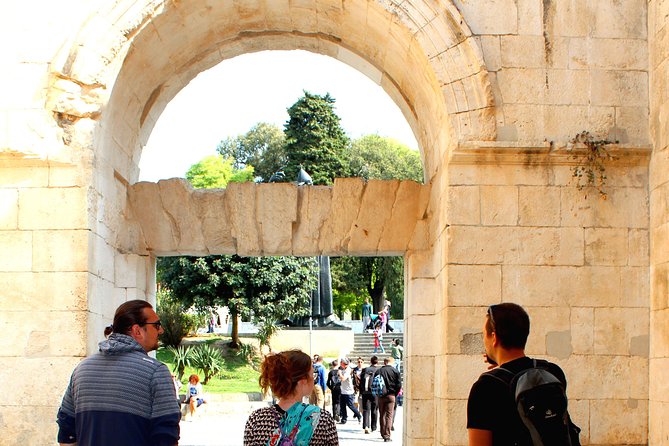
- Diocletian’s Palace first: UNESCO since 1979, and an easy place to orient yourself
- A darker angle without scare tactics: facts, stories, and context
- Stroll through Old Split just west of the palace
- End on Riva Harbor along the southern sea promenade
- Free local beer at the finish (with an alternate option if needed)
How the Dark Tour of Split changes the way you see the city
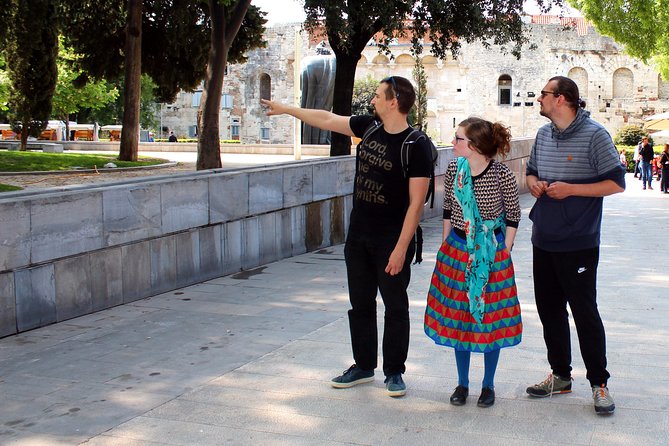
Split is easy to fall in love with in daylight. But at night, the stone, the alleys, and the sea-front feel like they hold older conversations. This 1 hour 30 minute walk leans into that mood, while still staying grounded in what the places actually were and what happened there.
The value here is the structure. You start at the big anchor—Diocletian’s Palace—then you branch into Old Split and finish on the Riva promenade. That order helps you build a mental map fast, so you don’t spend the rest of your trip guessing where everything is.
You can also read our reviews of more tours and experiences in Split.


Palazzo di Diocleziano: the late-Roman anchor stop
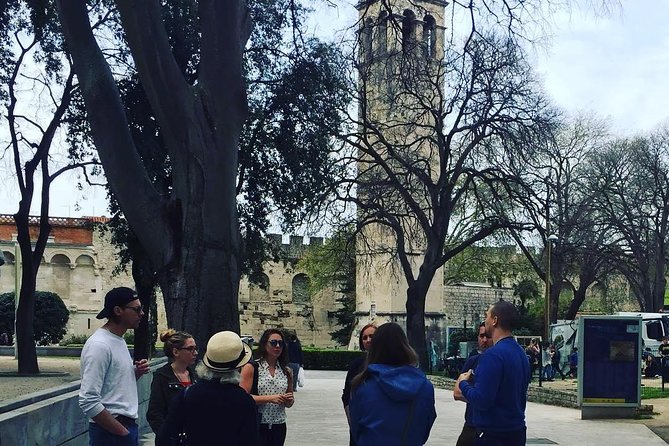
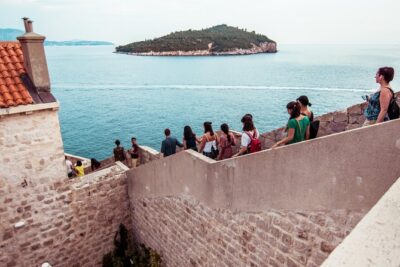
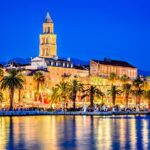
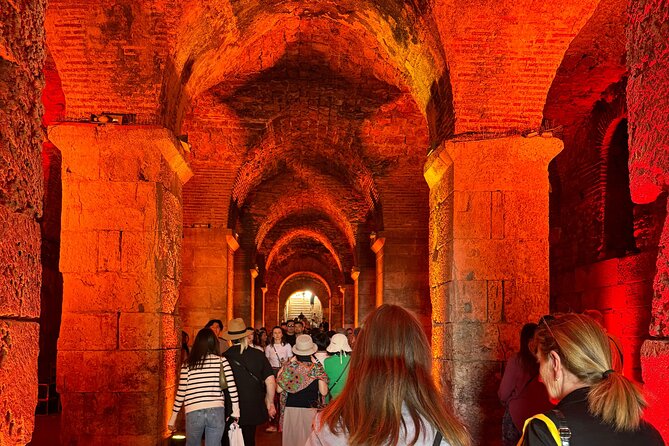
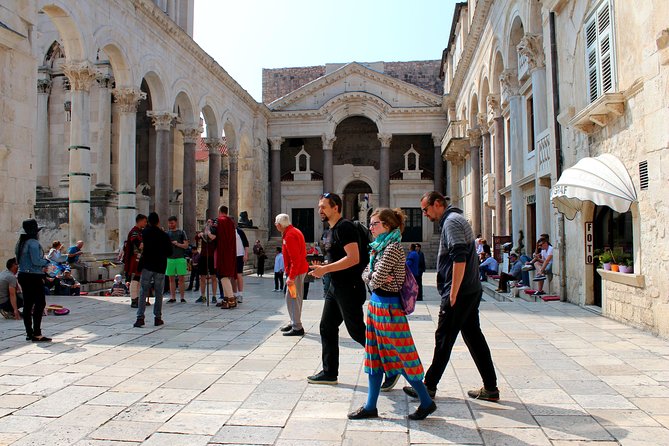
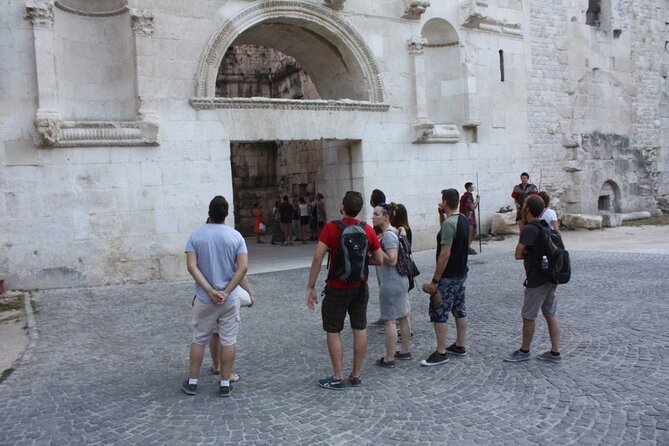
You begin at Palazzo di Diocleziano, also known as Diocletian’s Palace. It’s a 1700-year-old marvel and, importantly for visitors, it’s described as the biggest and best preserved late-Roman palace in the world. The palace has also been on the UNESCO World Heritage list since 1979, which tells you this is not a random historic site—it’s a major one.
You get about 50 minutes here. That time matters, because Diocletian’s Palace is the kind of place where a guided explanation turns vague ruins into a real story. Even if you only catch a few big ideas—why it was built, what kind of complex it was—you’ll feel like you understand Split’s center instead of just walking past it.
What can be a drawback: if you arrive tired or you’re not into history at all, this first stop may feel like a lot of information early. The good news is the tour is paced for a general audience—most travelers can participate, and the guide keeps the tone engaging based on what people highlight in their comments.
Old Split (west of the palace): alleys with a different kind of story
After the palace, you move into Old Split, the part of the city situated west of the palace. You get about 20 minutes in this area, which is short enough to stay efficient, but long enough to notice how the neighborhood feels different from the palace walls.
This is where the tour’s “dark” theme does its best work. Instead of treating the past like a museum display, it treats it like something that still shapes street life—through habits, power, and how people lived side by side in tight quarters. One of the biggest praised points is that the tour focuses on historical concepts and accurate facts, rather than going full theatrical.
For you, that means you can enjoy the walk even if you’re not trying to scare yourself. It also makes it easier to keep your kids interested. At least a few families found the stories compelling for teens, because the guide doesn’t talk down or over-dramatize.
Riva Harbor on the south side: sea views plus perspective

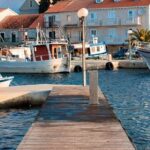
The last main stop is Riva Harbor, the sea-promenade on the southern side of the palace. You’ll spend about 20 minutes there, which works well as a “release valve” after the tighter streets.
Why this ending spot is smart: Riva Harbor gives you a contrast. You get a bit of open space, you can look outward to the water, and it’s easier to feel the geography. That helps your brain connect what you just heard to what you can now see.
It’s also where the tour often lands with a friendly finish. Many people mention free local beer at the end, and one comment notes the guide brought local soda for someone who doesn’t drink. If you’re the type who likes your tour to include a small local treat, this detail is a real win.
The guide factor: why Dusen’s storytelling is the main attraction
The tour’s success rate is tied to the person leading it. A recurring theme in the feedback is that the guide—named Dusen in multiple comments—has strong storytelling skills and makes the history feel like a conversation, not a lecture.
What I think you’ll like most about this style is the balance. People often warn that some “dark” tours turn into fear games with exaggerated scenes. Here, the tone stays modest and straightforward, with humor and personality coming from the facts and from Dusen’s local perspective.
Another practical plus: the guide seems comfortable answering questions directly and honestly. In small-group tours, that kind of responsiveness keeps the walk from turning into a one-way talk.
And yes, there’s a social side. People mentioned running into friends and festivals while touring, which signals the guide isn’t just reciting a script—he’s plugged into Split.




Group size and pacing: small, calm, and question-friendly
This is capped at 10 travelers, which is a big deal for a walking tour. With a group that size, you’re less likely to stretch out across the street or get stuck behind someone who needs a slower pace.
The pacing also fits the time budget. At 1 hour 30 minutes, you’re not committing an entire evening. You can still do dinner plans afterward without feeling rushed.
The flip side: because the walk is time-limited, you’re not going to get hours of deep excavation in every alley. If you love long, slow wandering, you may want to treat this as your “orienting” tour and then return on your own.
Price and value: $34.24 for three high-impact areas
At $34.24 per person, this tour sits in the mid-range for guided walks in popular cities. The value comes from what’s included in the structure: you’re covering three distinct zones in a short time—palace, Old Split, and Riva—so you spend less effort figuring out where to go next.
Admission tickets are listed as free for the main stop, which matters for planning. Even when the places are technically open, a guided explanation is usually where the money actually goes, and that’s exactly what people praise: the guide’s stories and the way the tour adds meaning to familiar streets.
Add in the optional-but-often-included finish with local beer, and the cost starts to feel even more reasonable. The ending drink isn’t the main reason to go, but it’s a nice local touch that makes the tour feel complete.
Where you meet and how to plan your walk
You meet at 4 Coffee, Hrvojeva 9, Split. The tour ends on the sea-promenade side, at Obala Hrvatskog narodnog preporoda 20, Split.
That matters because Split is best experienced in layers. If you want to keep your evening moving, ending near the waterfront makes it easy to find dinner, take a slow walk, or just watch the night settle over the harbor.
One more reality check: this experience requires good weather. If rain or heavy wind rolls in, it may get canceled or rescheduled. If you’re traveling in a shoulder season, check the forecast before you commit other plans.
What to expect from the Dark Tour theme
The name points to the darker side of the city, but the actual experience seems to follow a careful rule: it stays historical and fact-based, with a lighter touch. People specifically note it is not like other ghost tours that rely on scare theatrics.
That makes the tour more versatile. You can enjoy it if you like history, you can enjoy it if you like urban storytelling, and you can still enjoy it if you’re simply curious about what’s hidden in plain sight.
Also, “dark” here doesn’t mean the guide is trying to shock you. It means the tour highlights the uncomfortable or overlooked chapters—and it does it in a way that fits Split’s real character.
Who should book this tour (and who might skip it)
This tour is a strong match if you want:
- A night walk that feels purposeful, not random
- A guided way to understand Diocletian’s Palace early in your trip
- Stories that add context without turning into a scary performance
- A small group experience that stays manageable
It might be less ideal if you want:
- A long, in-depth palace visit lasting several hours
- A heavily theatrical ghost-tour format
- A tour with lots of built-in stops for breaks (it’s still a walking experience)
If you’re traveling with teens, there’s a good chance they’ll enjoy it, too. Comments mention that 13 and 14-year-olds found it interesting, largely because the stories are engaging rather than preachy.
Should you book the Dark Tour of Split?
Yes, if you like your history human and your night walking organized. For $34.24 and about 90 minutes, you’ll get a strong route through Split’s core—palace first, then Old Split, then the sea at Riva—plus the kind of storytelling that people consistently praise.
I’d skip it only if you’re hunting for a pure scare show or if you know you won’t enjoy an outdoor evening on a walking-focused plan. If weather is good and you’re open to a facts-first, slightly funny dark-history style, this is one of the easier ways to see Split like an insider.
FAQ
FAQ
How long is the Dark Tour of Split?
The tour is about 1 hour 30 minutes.
What does the tour cost?
It costs $34.24 per person.
Where does the tour start?
You start at 4 Coffee, Hrvojeva 9, 21000 Split, Croatia.
Where does the tour end?
The tour ends at Obala Hrvatskog narodnog preporoda 20, 21000 Split, Croatia, near the sea-promenade on the southern side of the palace.
Is the tour offered in English?
Yes, it’s offered in English.
Do I need to pay for admission at the stops?
Admission is listed as free for the main stop at Palazzo di Diocleziano (Diocletian’s Palace).
How many people are in a group?
The tour has a maximum of 10 travelers.
Is a mobile ticket used?
Yes, the tour uses a mobile ticket.
Are service animals allowed?
Yes, service animals are allowed.
What’s the cancellation policy?
You can cancel for a full refund up to 24 hours before the experience starts. If you cancel less than 24 hours before, the amount paid will not be refunded. The tour also requires good weather, and if canceled due to poor weather you’ll be offered a different date or a full refund.