REVIEW · DUBROVNIK
Discover the Old Town of Dubrovnik
Book on GetYourGuide →Operated by Madrugada · Bookable on GetYourGuide
Dubrovnik’s Old Town makes sense fast. I love how the walk turns famous landmarks like Stradun and the Cathedral into a clear story of how the Republic of Dubrovnik worked, fought, rebuilt, and lived. One thing to consider: the tour is in Spanish or Croatian, and if you want lots of back-and-forth in Spanish, you may find it a bit hard to interrupt.
You start in the Pile area at the Jewish fountain, and right away the guide frames what you’re seeing—defense, daily life, and how the city’s neighborhoods functioned. Guides described as local-born (names like Helena and Jelena show up in reviews) bring a human layer to the background, including context about 1991 when you’re curious.
At $17 per person for 90 minutes, this is strong value because it’s not just a photo walk; you also get interior access to major churches and solid explanation along the route. The only practical catch is that tickets for the Rector’s Palace museum aren’t included if you want to go in.
In This Review
- Key highlights you’ll actually feel on the ground
- Starting at the Jewish Fountain: Pile Gate and the logic of defense
- Great Onofrio Fountain and the Franciscan area: faith, space, and community life
- Stradun: the main street you’ll finally understand
- Sponza Palace and Church of St. Blaise: where public life and faith overlap
- Rector’s Palace and the Cathedral: Republic power, reconstruction, and the big picture
- Church of St. Ignatius and the long east-side feel
- Through the oldest neighborhood to the Old Port
- What you’ll learn beyond the buildings: costumes, dances, islands, and food
- Price and value: what $17 buys you in Dubrovnik
- Language and pacing: Spanish or Croatian, and how to ask questions
- Who should book this Dubrovnik Old Town walk
- My booking advice: should you book Discover the Old Town of Dubrovnik?
- FAQ
- How long is the tour?
- How much does the tour cost?
- Where do I meet the guide?
- What languages are offered?
- What group size should I expect?
- What’s included during the tour?
- Is the museum at the Rector’s Palace included?
- Is this tour suitable for children?
- Can I cancel and get a full refund?
- Is there a reserve and pay later option?
Key highlights you’ll actually feel on the ground
- A tight 90-minute route that covers the core Old Town highlights without dragging
- Interior visits included for the Church of St. Blaise, the Cathedral, and the Church of St. Ignatius
- Pile area to the Old Port walk that connects defense walls to everyday streets
- Republic of Dubrovnik focus: how the city was built, who competed with it, and how it was reconstructed
- Small group size (max 8) that keeps the tour moving and more personal
Starting at the Jewish Fountain: Pile Gate and the logic of defense
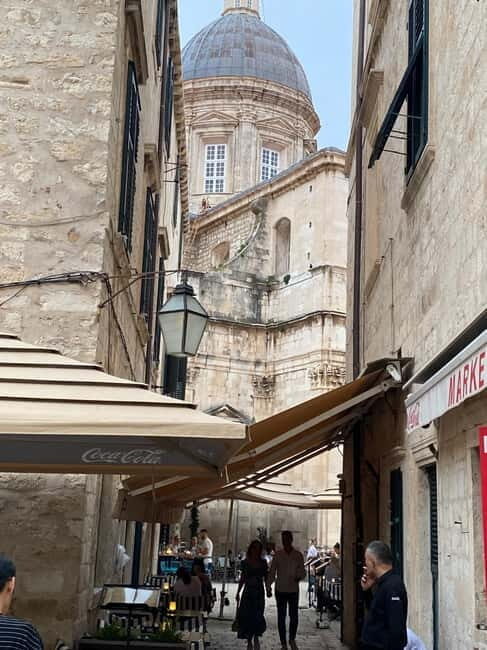
The tour begins in the Pile area in front of the Jewish fountain. There’s even a Spanish inscription at the meeting spot that points you in the right direction: Discover the Old City of Dubrovnik, so you’re not left guessing where to stand.
From there, you move to the Pile Gate, and the guide sets up why this neighborhood mattered. You’ll learn how the local fortresses and position fed into the city’s defense, and how the walls were built so Dubrovnik could hold together under pressure.
Even early on, it’s not just facts. You’ll start connecting places to systems—who was living there, what people were doing, and why the city shape looked the way it did. It’s the kind of framing that helps you stop seeing the Old Town as a list of stops and start seeing it as a living plan.
You can also read our reviews of more tours and experiences in Dubrovnik.



Great Onofrio Fountain and the Franciscan area: faith, space, and community life
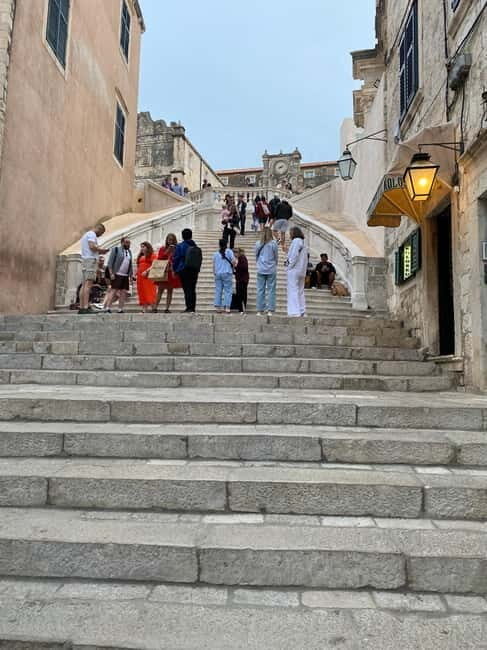
Next comes the Large Onofrio Fountain, a landmark you’ll see in plenty of photos—but here you get context. Your guide explains what the fountain area represents in the bigger city story, so it feels less random and more like a real stop in a functioning town.
Then you head toward the Franciscan Church and Monastery. This area is one of the places where Dubrovnik’s religious and social life shows up in the street-level layout, and you’ll also see the Convent of St. Clare plus an orphanage as part of the wider community picture.
If you like history that answers the everyday question, you’ll enjoy this stretch. It connects architecture to the way people organized care, education, belief, and routines.
Stradun: the main street you’ll finally understand
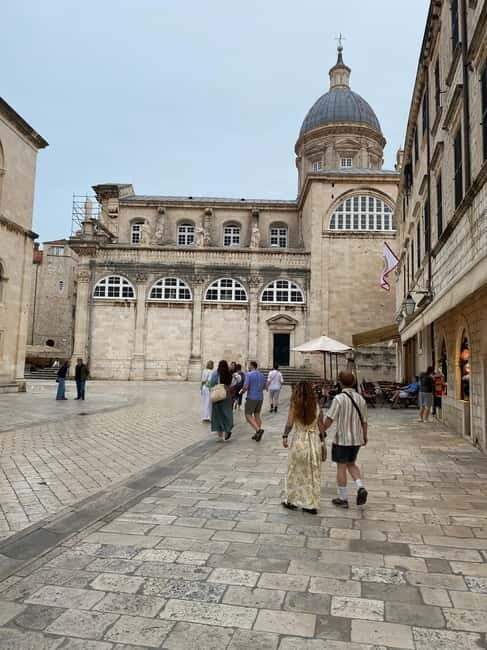
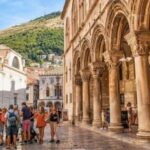
Stradun is the spine of the Old Town, and the tour uses it like a map. You walk along this main street to shift from the western entry side toward the eastern core, and the guide keeps linking sights back to how the Republic of Dubrovnik operated.
This is a good moment to slow down mentally. After the early defense and community stops, Stradun helps you picture the city as something active: people traveling through, businesses operating, ceremonies happening, and the government and economy sitting in the same space you’re walking.
Even if you’ve seen Stradun already, you’ll likely come away with a better sense of direction. The guide’s pace makes it easier to remember where you are and what you’re looking at.
Sponza Palace and Church of St. Blaise: where public life and faith overlap
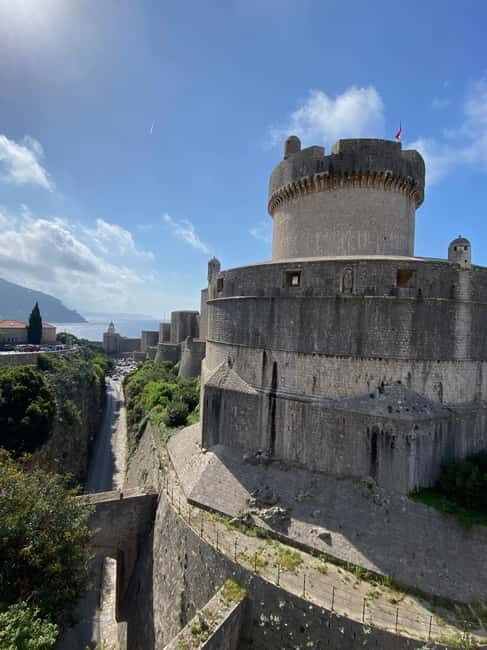
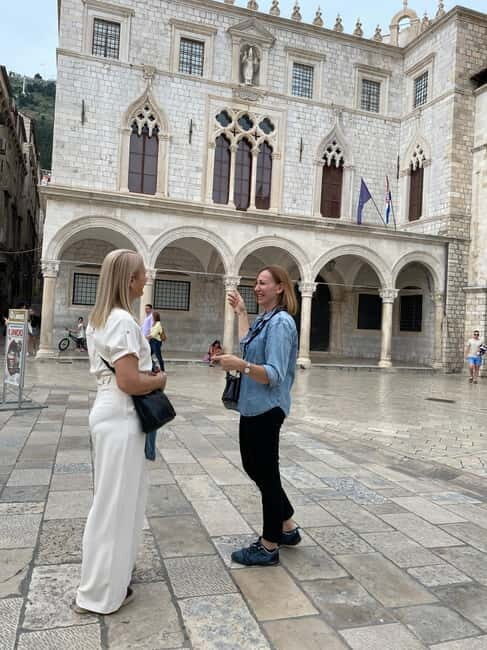
As you move east, you reach Sponza Palace. This is where the tour leans harder into civic identity—explaining how Dubrovnik’s Republic era shaped customs and business life, and how the city’s rivalries influenced what it built and how it functioned.
From there, you visit the Church of St. Blaise, and this one matters because the tour includes the interior. You’re not stuck outside looking up at stone; you get to see the space up close, which makes it easier to understand why this kind of landmark mattered in daily life.
The walk continues with key civic markers too, including the city bell tower and the Column of Roldan. The guide uses these to reinforce the idea that Dubrovnik’s public identity wasn’t hidden away—it was built into the city’s center where everyone could see it.
Rector’s Palace and the Cathedral: Republic power, reconstruction, and the big picture
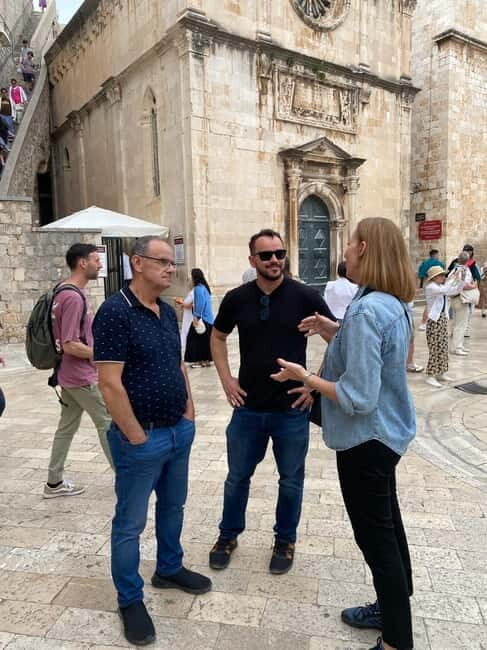
You’ll pass by the Rector’s Palace area, and the guide discusses the Republic of Dubrovnik era in a way that ties the Old Town together. This is the kind of explanation that helps you understand why the same streets feel both official and human.
Important practical note: tickets and admission for the Rector’s Palace museum aren’t included if you want to go inside. So you can keep your schedule simple and enjoy the exterior and context on this tour, or plan a separate visit if you want the museum time.
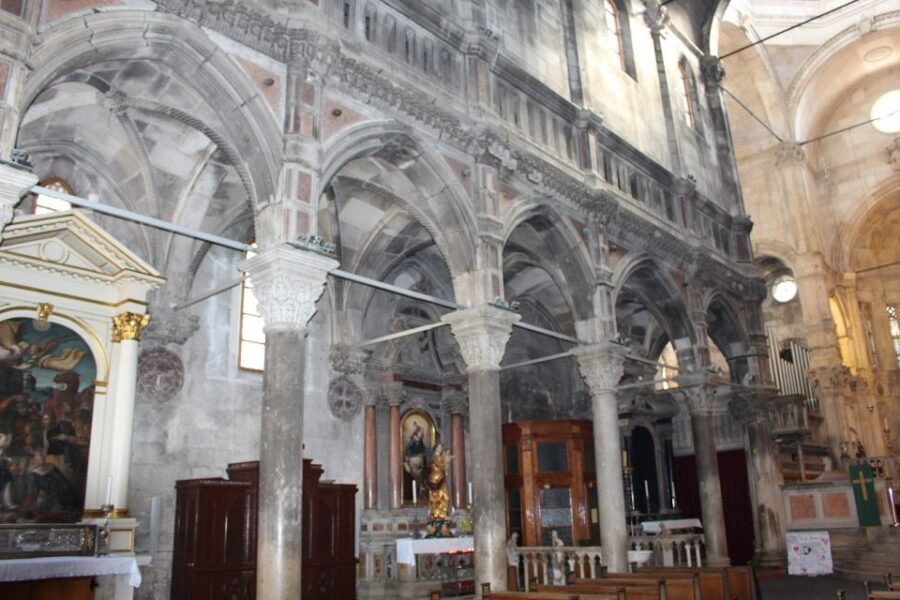
Next up is the Cathedral, and again, the tour includes the interior. This stop is valuable because it doesn’t treat the Cathedral as a standalone monument. The guide connects it to the Republic-era rebuilding story and to the architects who carried out reconstructions, so you leave with a clearer understanding of how the city regained itself after major damage.


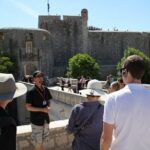
Church of St. Ignatius and the long east-side feel
After the Cathedral, you head to the Church of St. Ignatius, with interior access included on this tour. This is one of those places where the interior stop can reset your entire perspective—your eyes adjust, and the building becomes part of the city’s lived environment instead of just a backdrop.
The route also keeps you oriented along the eastern Old Town so you don’t end up bouncing around randomly. You’re walking in a purposeful line: civic and religious center, then deeper into the older fabric of the town.
If you want to take photos, this is where you’ll notice the advantage of a guide. You learn what to look for, and you avoid spending ten minutes photographing something you’ll forget a minute later.
Through the oldest neighborhood to the Old Port
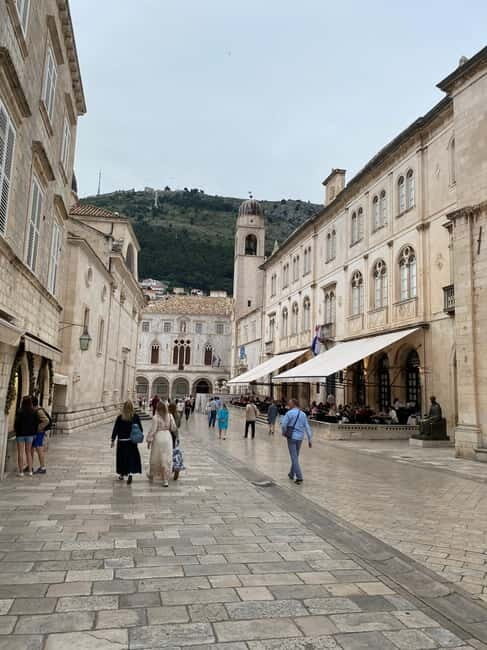
The tour doesn’t end at the flashiest spot. After the main civic and religious sequence, you walk through the oldest neighborhood, and the guide explains how people lived back then and how the city lives today.
This is where the tour earns its personal touch. The Old Town can feel frozen in time, but the guide gives you a lens for understanding what changed, what stayed, and why the city’s present identity still makes sense.
Finally, the tour reaches the old port, where it ends. Ending near the port is smart because it gives you an easy landing point for what comes next—coffee, dinner, or simply walking it off before your day turns into a queue.
What you’ll learn beyond the buildings: costumes, dances, islands, and food
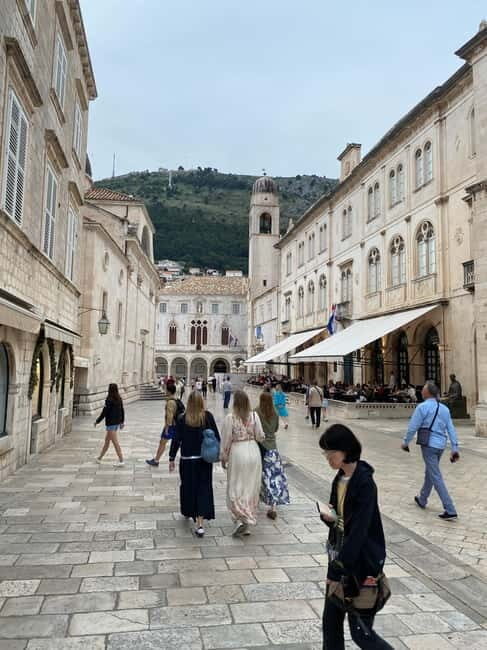
This tour isn’t limited to stone. You’ll hear about traditional costumes and dances of Dubrovnik and the surrounding area, plus the islands and beaches you can visit and how they fit into the broader story.
Your guide also covers food—where it fits into Dubrovnik’s culture and how locals think about it. Even if you don’t eat during the tour, it’s useful because it helps you decide what to order later without guessing.
There’s also a section about activities Dubrovnik was the first in the world to do. The specifics aren’t the kind of thing you’d guess from a guidebook thumbnail, so it’s a fun angle for anyone who likes their history with a surprise.
And yes, the tour aims to help you decide where to eat. You’ll get guidance tied to the route and the neighborhoods you’re standing in, which is often more helpful than generic lists.
Price and value: what $17 buys you in Dubrovnik
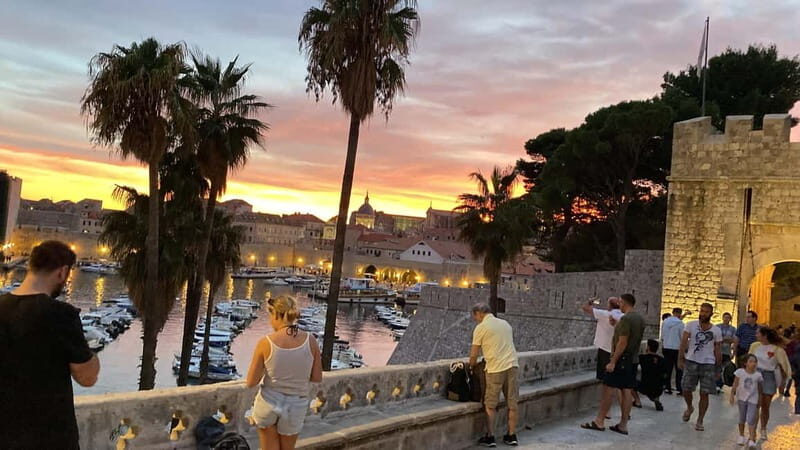
At $17 per person for a 90-minute small-group walk, the value is in three places.
First, it’s guided. You’re paying for context: Republic of Dubrovnik era stories, reconstruction explanations, and how rivalries and rebuilding shaped the city. That’s the difference between reading placards and actually understanding why the city is laid out the way it is.
Second, you get interior access included for the Church of St. Blaise, the Cathedral, and the Church of St. Ignatius. Interiors take time and cost money when you do them independently, so it’s a real value boost.
Third, you get a small group capped at 8 people. With a larger group, the tour becomes a stampede. Here, you’re more likely to stay with the story as the guide moves quickly but not chaotically.
The one cost consideration is that the Rector’s Palace museum ticket is not included. If you want that museum, you’ll pay separately or visit another time.
Language and pacing: Spanish or Croatian, and how to ask questions
The tour runs with a live guide in Spanish and Croatian. Some content is shown in its original language too, so don’t expect everything to be fully translated word-for-word.
One useful caution comes from feedback about Spanish: the guide may speak with enough momentum that questions can feel harder to land cleanly. If you know you’ll want lots of conversation, consider choosing the Croatian option if that’s available for your date—or keep a short list of questions ready so you don’t lose your chance mid-flow.
Also, because it’s a walking tour with set stops, the pacing is designed to keep the route moving. That’s a plus if you like structure, but it can feel tight if you want to linger at every detail.
Who should book this Dubrovnik Old Town walk
This tour is a great fit if you’re:
- Visiting Dubrovnik for the first time and want a clear “how the city works” overview
- Interested in the Republic of Dubrovnik era, reconstruction, and city identity
- The type who likes learning where people lived and how daily life looked, not just what was built
- Planning your next day with help on islands, beaches, and what to eat afterward
It’s not a fit if you’re traveling with kids under 16, since it’s listed as not suitable for children under 16.
If you’re a history fan who also cares about the human layer—like learning from a local-born guide perspective—this is especially satisfying.
My booking advice: should you book Discover the Old Town of Dubrovnik?
Yes, I think you should book it if your goal is to leave Dubrovnik’s Old Town with understanding, not just photos.
It’s priced for value, and the interior stops plus the Republic-focused storytelling make it more than a basic walking route. If you want a slower museum day, plan that separately—this tour is built for an efficient, guided sweep from the Jewish fountain to the old port.
One timing tip that can help: a later start around 19:00 can be a smart choice if you enjoy seeing Dubrovnik shift from daylight to evening atmosphere.
FAQ
How long is the tour?
The duration is 90 minutes.
How much does the tour cost?
The price is $17 per person.
Where do I meet the guide?
Meet in front of the fountain of Judías (Jewish fountain). There’s an inscription in Spanish that reads Discover the Old City of Dubrovnik.
What languages are offered?
The live tour guide is available in Spanish and Croatian.
What group size should I expect?
It’s a small group limited to 8 participants.
What’s included during the tour?
You visit and enjoy the main attractions in the Old City, including interior access to the Church of St. Blaise, the Cathedral, and the Church of St. Ignatius. You also get explanations about the Republic of Dubrovnik era, how the city was built and reconstructed, and you’ll hear about traditional costumes and dances, islands, food, and certain pioneering activities.
Is the museum at the Rector’s Palace included?
No. Tickets and admission to the Rector’s Palace museum are not included if you want to visit it.
Is this tour suitable for children?
No. It’s not suitable for children under 16.
Can I cancel and get a full refund?
Yes. Free cancellation is available up to 24 hours in advance for a full refund.
Is there a reserve and pay later option?
Yes. You can reserve now and pay later.