REVIEW · DUBROVNIK
Dubrovnik: Early Nature Walk with a Historical Twist
Book on GetYourGuide →Operated by Wild Orange Dubrovnik · Bookable on GetYourGuide
One quiet start can change how you see Dubrovnik. This 90-minute guided walk pairs early views of the City Walls and Lokrum with real historical storytelling, plus hands-on nature time before the Old Town wakes up. I especially like the way the route climbs toward Park Orsula and gives you calm, photo-friendly scenery without fighting crowds, and I also like how the guide (Ivana) leans into what you care about—history, plants, and even the area’s geology.
One thing to consider: it’s an uphill scenic footpath walk, so you’ll want comfortable, grippy shoes and a moderate fitness level, even though the total time is short.
In This Review
- Key highlights you’ll feel right away
- Why the early start at Frana Supila works
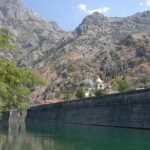
- The viewpoint stop: City Walls and Lokrum before the rush
- The 20-minute climb to Park Orsula: nature + trade-route context
- Mediterranean plants you’ll actually remember
- St Jakov: the quiet side of Dubrovnik waking up
- Finishing near the 14th-century Ploče Gate (Revelin area)
- Price and what you’re really paying for
- Who this tour suits best (and who should skip it)
- What to bring so the walk stays comfortable
- A quick note on the guide experience (Ivana’s impact)
- Should you book this early nature walk?
- FAQ
- Where is the meeting point?
- How long is the tour?
- When does the tour start?
- Is the tour suitable for kids?
- What language is the tour in?
- Where does the tour end?
- What should I wear or bring?
Key highlights you’ll feel right away
- Start before peak hours so the route feels quiet and the City Walls look unreal in soft morning light
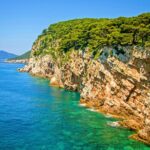
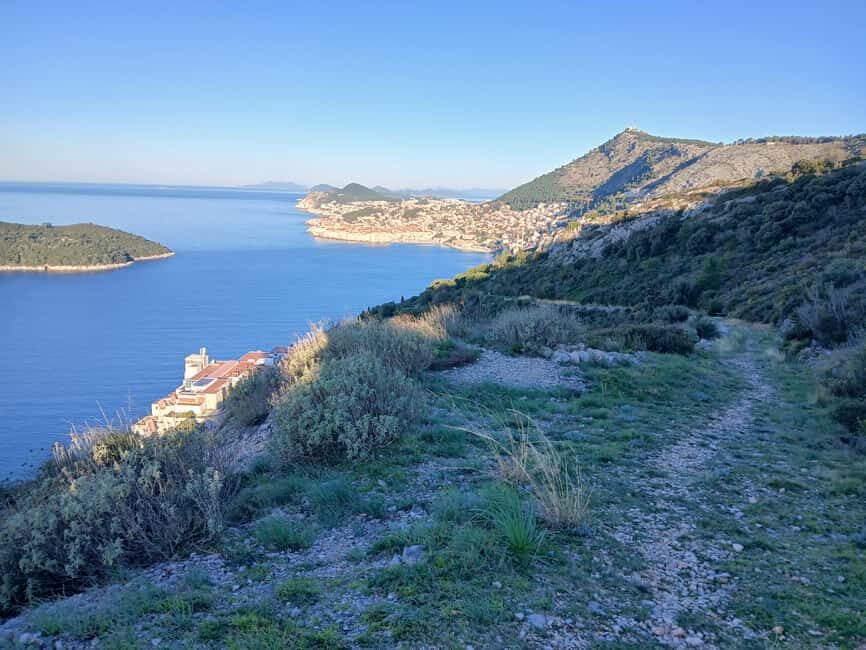
- Park Orsula viewpoint with sightlines toward the City Walls and the Island of Lokrum
- Plant stories you can actually use (wise sage, bitter orange, lavender, and rosemary) tied to how locals live with the land
- Medieval fortification storytelling that makes the Old Town make more sense once you enter
- A small, private-group feel with English guiding that can be tuned to your interests
Why the early start at Frana Supila works
The meeting point is Frana Supila Street, at the start of the slope on the Orsula Pathway. You’ll know you’re in the right place because there’s a green bench nearby and a railing with an obvious view back toward the Old Town and Lokrum. The tour starts after sunrise, with exact times provided when you book—typically 5:30–6:00 a.m., or 7:30 a.m. during October through March.
What I like about this timing is the payoff. Dubrovnik’s Old Town can get busy fast, and this tour is built to get you oriented before that wave hits. You get to see the city in a slower rhythm, when you can still hear birds and when your brain isn’t overloaded with crowds, scooters, and camera shoves.
It’s also a practical choice if you want photos. On a still morning, the City Walls and Lokrum look sharper, and you’ll spend less time waiting for a clear shot.
You can also read our reviews of more walking tours in Dubrovnik

The viewpoint stop: City Walls and Lokrum before the rush

Right away, there’s a photo stop plus a quick safety briefing and an easy scenic warm-up. The guide will be in hiking trousers, trainers, and a small backpack, so you’re not guessing what to expect in terms of pace.
From that first viewpoint, you’ll understand where Dubrovnik sits. The Old Town feels less like a maze and more like a planned fortress city with natural advantages. And with the island of Lokrum in view, you’ll get a sense of the “water-side” thinking that helped shape Dubrovnik’s history, trade, and defenses.
If you’re the type who likes context before walking into a place, this is your moment. You’re not just looking—you’re setting your mental map.
The 20-minute climb to Park Orsula: nature + trade-route context
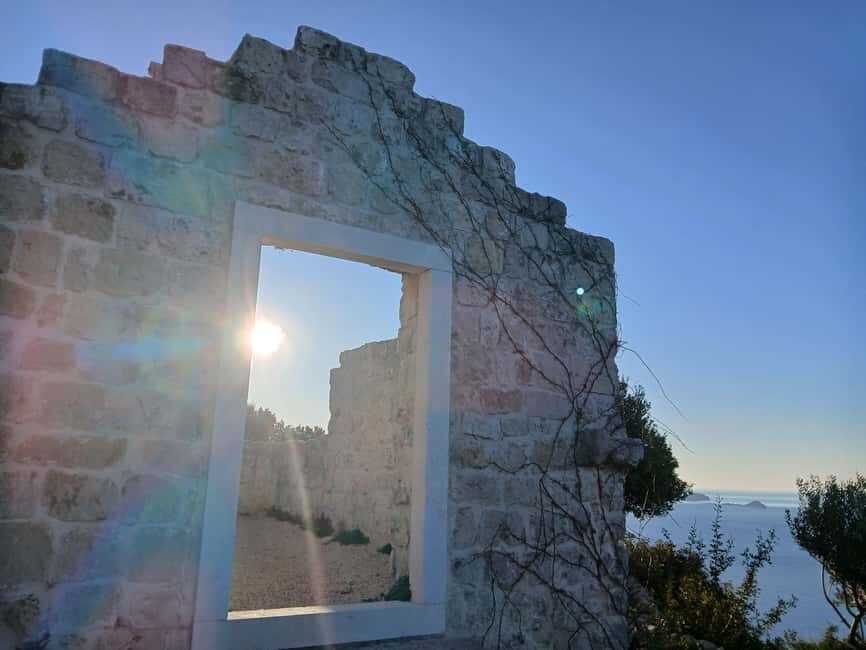
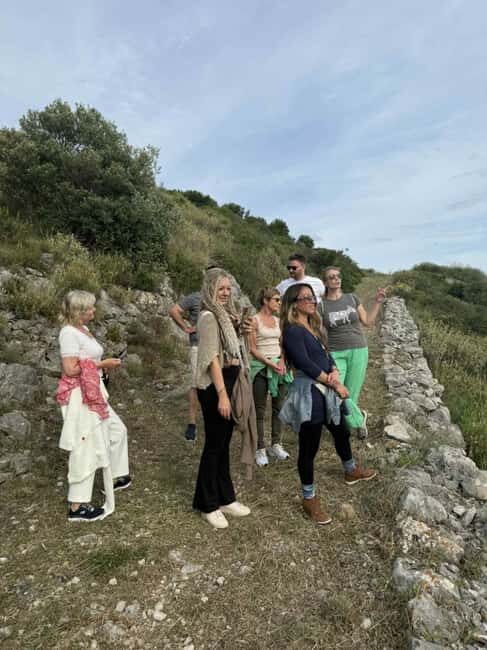
After the initial stop, the walk heads up along the scenic path toward Park Orsula. You’ll be walking roughly 3,000 meters from the historic center, and that distance matters. It gives you breathing room—literally and mentally—so the guide can connect Dubrovnik’s story to the surrounding terrain.
During the climb (about 20 minutes), you’ll get:
- A general overview of Dubrovnik’s history
- Historical landmarks you’ll recognize later in the Old Town
- Stories about ancient trade routes and why this city mattered on the Adriatic
The smart part here is the pacing. The route isn’t meant to exhaust you. It’s meant to change what you notice. As you rise, you start seeing why people built where they did, how travel patterns fed the city, and how defense and geography were always linked.
Depending on the season, this is also where the “nature guide” part kicks in—so you’re not only walking, you’re learning what’s around you.
Mediterranean plants you’ll actually remember
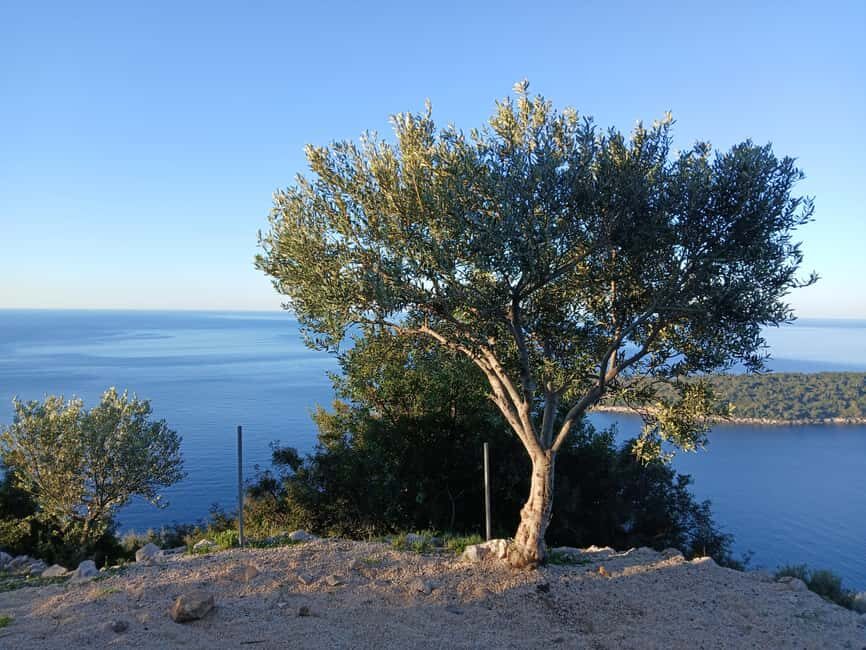
One of the most memorable parts is how the guide slows you down to look at local plants and explain what they are and why they’re important. The tour specifically mentions wise sage, bitter orange, lavender, and rosemary.
This isn’t random botany homework. When a guide ties plants to everyday life and local knowledge, it changes the experience from looking at greenery to understanding a place’s relationship with the land. Sage and rosemary smell like the Mediterranean should. Lavender can feel almost surprising if you expect only stone and seawalls in Dubrovnik. And bitter orange hints at older uses of the landscape that go far beyond decoration.
If you like photography, this is where you’ll pause naturally. Close-up plant shots look better when someone helps you notice details you’d normally skip.
St Jakov: the quiet side of Dubrovnik waking up
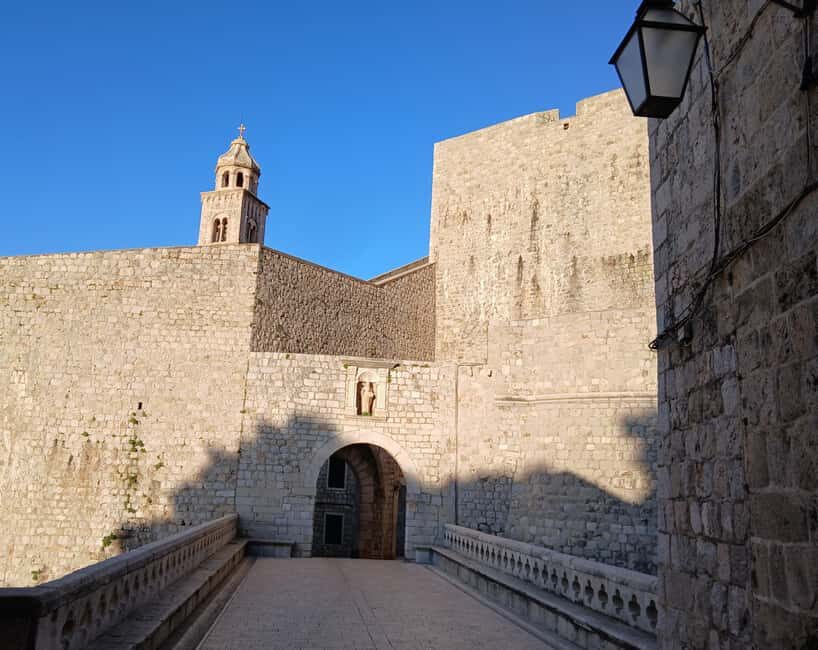
As you head back down toward the Town, you pass St Jakov, described as one of Dubrovnik’s more peaceful parts. This section is about contrast. You start in a calmer, higher setting, then slowly move toward the city’s energy.
The guide talks as you go, but there’s also a sensory lesson here: you’ll hear the morning sounds of nature along the path, then gradually pick up city noise as Dubrovnik comes online. It’s a small thing, but it makes the transition feel natural instead of jarring.
I especially like this moment because it helps you arrive in the Old Town with a better sense of rhythm. You’re not stepping into a place for the first time in full daylight chaos—you’re being guided into it at the moment when morning and history overlap.
You can also read our reviews of more historical tours in Dubrovnik
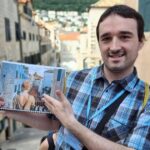



Finishing near the 14th-century Ploče Gate (Revelin area)
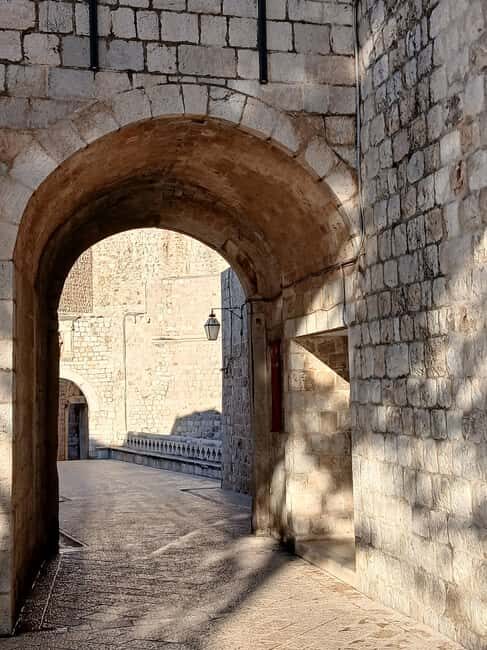
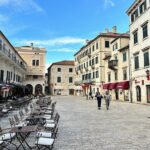
The tour wraps up at Tvrđava Revelin, and it’s timed to get you out near the 14th-century Ploče Gate area. That matters because it’s the kind of finish that sets you up for the next hour or two on your own.
You’ll get the story of Dubrovnik’s medieval fortifications right as you’re approaching the gate area. That’s a smart way to learn: you hear why these walls and defenses exist, then you immediately stand where those ideas were built.
The guide also gives tips for exploring the Old Town after the morning wash and before the city hustle really builds. In practical terms, that means you can:
- Start with the quieter alley sections first
- Skip some of the worst crowd timing
- Use your orientation from the walk so you don’t just follow crowds blindly
If you’ve ever felt lost in a historic center, you know how valuable a guided “landing” can be.
Price and what you’re really paying for
At $49 per person for about 90 minutes, this isn’t a “see a few buildings” style tour. You’re paying for three things that tend to be expensive when they’re done well:
1) A live English guide who can tell stories, not just point directions
2) A planned early-morning route that gets you before peak crowds
3) A nature-and-history connection with specific plant spotting and context
The reviews highlight that Ivana brings strong energy and can adapt the walk to your interests—history, plants, and even regional geology. That matters because the value of a guide isn’t only what they know; it’s whether they can shape the experience so you care about it.
If you’re the kind of visitor who enjoys walking but wants the “why” behind what you see, this price feels fair. If you only want quick photos and zero interpretation, you might decide something shorter is better.
Who this tour suits best (and who should skip it)
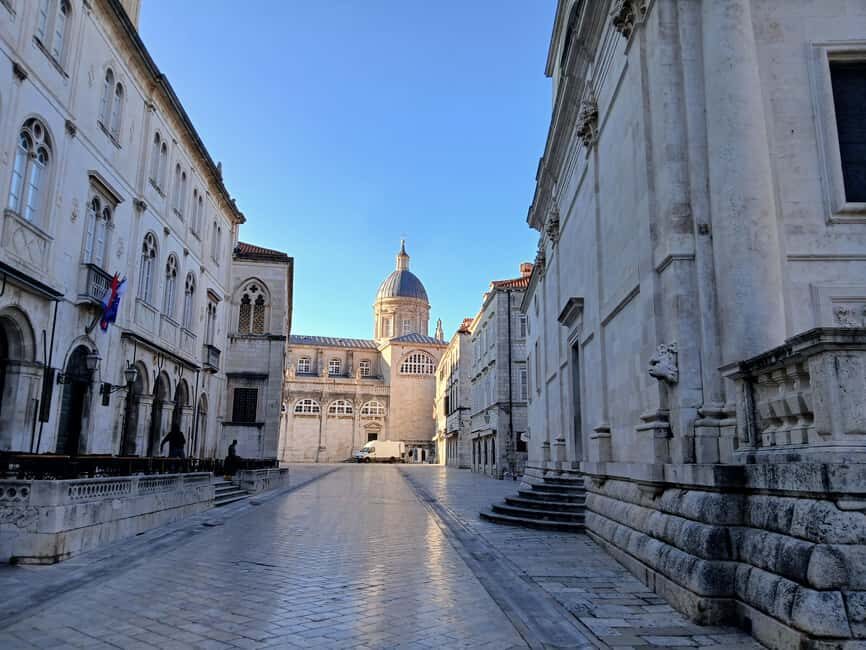
This works best for:
- Early risers who like peaceful starts
- Nature lovers who don’t want Dubrovnik to feel only like stone and walls
- People who love storytelling and want context for what they’ll see later
- Photographers chasing morning light and quieter routes
It’s less ideal if you:
- Have mobility issues or back/heart-related concerns
- Fear heights or have vertigo
- Need wheelchair access (not suitable for wheelchair users, based on the info)
- Want a stroller-friendly option (baby strollers aren’t allowed)
Also, the tour involves walking up a scenic path, so a moderate fitness level is required. It’s short, but it’s not flat.
What to bring so the walk stays comfortable
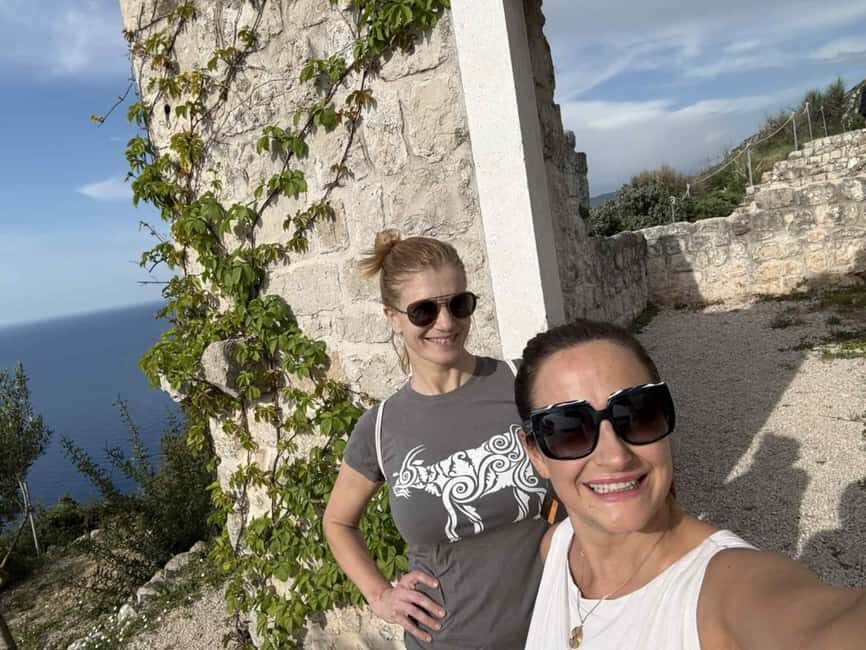
The tour is simple, but you’ll enjoy it more if you come prepared. Bring:
- Comfortable shoes (no sandals or flip-flops)
- Sunglasses, sun hat, and sunscreen
- A reusable water bottle
- Sports shoes if you prefer extra grip
Pack light if you can. Even though it’s a short tour, it’s uphill and you’ll want to feel agile, not weighed down.
A quick note on the guide experience (Ivana’s impact)
One theme that comes through clearly is storytelling quality. Ivana’s approach is described as high-energy and flexible—meaning the tour doesn’t feel locked to a script. When a guide adapts, you’re more likely to get what you came for, whether that’s Croatia history, how plants relate to the region, or how the area’s geology connects to the setting you’re standing in.
That adaptability is one of the best “hidden values” of any guided walk. It turns a standard route into something more personal without making it feel chaotic.
Should you book this early nature walk?
If you want Dubrovnik to feel deeper than postcard views, I’d book this. It’s not just a hike. It’s a morning orientation tool—history, trade routes, fortifications, and plant knowledge—all wrapped into a short, manageable walk. And because it ends near the Ploče Gate / Revelin area, you don’t waste time figuring out where to go next.
Skip it if you dislike mornings, hate uphill walking, or only want fast, low-effort sightseeing. Otherwise, this is exactly the kind of tour that makes the Old Town better once you step into it.
FAQ
Where is the meeting point?
The meeting point is on Frana Supila Street, at the start of the slope on the Orsula Pathway. There’s a green bench nearby and a railing with a view toward the Old Town and Lokrum.
How long is the tour?
The tour lasts about 90 minutes (roughly 1.5 to 2 hours).
When does the tour start?
It starts after sunrise. Typical times are 5:30–6:00 a.m., or 7:30 a.m. from October to March (exact time is provided after booking).
Is the tour suitable for kids?
It isn’t suitable for children under 2 years, 3 years, 4 years, 5 years, or 6 years (as listed). In general, it’s not a stroller-friendly walk.
What language is the tour in?
The live guide speaks English.
Where does the tour end?
It ends at Tvrđava Revelin, with the tour described as finishing near the 14th-century Ploče gate area so you can continue exploring the Old Town.
What should I wear or bring?
Wear comfortable shoes (no sandals or flip-flops). Bring sunglasses, a sun hat, and sunscreen, plus a reusable water bottle.