REVIEW · DUBROVNIK
Dubrovnik Private Old City Walking Tour
Book on Viator →Operated by VipWalk Dubrovnik · Bookable on Viator
Morning streets in Dubrovnik feel efficient. This private Old City walking tour runs 1.5 hours and connects the city’s big landmarks with the small details that actually help you understand what you’re looking at, with Ajla leading the way.
What I like most is how the route mixes the headline sights with quiet, practical history, and how Ajla keeps the pace easy with stories that are funny and clear (English is strong, too). Stradun sets the tone, and the stops afterward give it meaning fast.
One thing to keep in mind: you’ll hit some stairs, including the Jesuit Staircase, so it’s not the best choice if you need very flat, step-free walking.
In This Review
- Key highlights worth planning around
- Price and logistics: what $189.27 buys you
- Starting at Pile Gate at 7:30 am: why early matters here
- Stradun: the main street that used to be water
- Franciscan Church and Monastery: 1317 pharmacy calm
- Little Onofrio Fountain: water, masks, and 15th-century design
- Jesuit Staircase and St. Ignatius Church: baroque steps with pop-culture fame
- Dubrovnik Cathedral: Baroque power built on older ruins
- Rector’s Palace: how a small city ran itself
- Sponza Palace: earthquake survivor and a memorial in plain sight
- Pacing and how the guide keeps it fun
- What this tour is best for
- Who should consider another option
- Should you book the Dubrovnik Private Old City Walking Tour?
- FAQ
- How long is the Dubrovnik Old City private walking tour?
- What is the price for this tour?
- Is the tour private?
- Where does the tour start?
- What language is offered?
- What kind of ticket do I get?
- What is the cancellation policy?
Key highlights worth planning around
- A first-day orientation that doesn’t feel like homework: you get context for where you are and what matters.
- Ajla’s storytelling style: local love for Dubrovnik, plus humor that makes the history stick.
- Franciscan Monastery pharmacy (1317): one of Europe’s oldest functioning pharmacies, with a peaceful, historic setting.
- Onofrio’s Fountain water system (15th century): 16 carved masks plus real engineering history.
- Baroque and political power in one loop: Cathedral, Rector’s Palace, and Sponza Palace show how faith and government shaped daily life.
- A photo-famous finish: Jesuit Stairs are dramatic, and yes, they’re connected to Game of Thrones fame.
Price and logistics: what $189.27 buys you
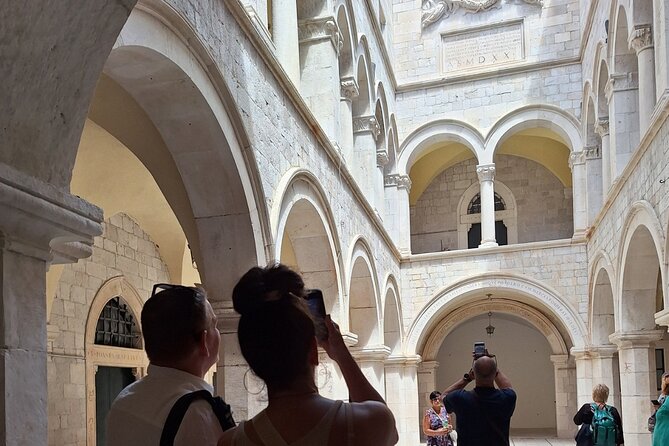
At $189.27 per group (up to 8 people), this is priced like a true private tour, not a mass walking show. The math is simple: if you keep it to 2–4 people, you’ll pay more per person; if you fill up closer to 8, it becomes a very reasonable way to get a guided pass through the Old City.
This works best if you value:
- Personal pacing (you can linger at the details you care about)
- Q&A in plain English (the guide’s explanations are designed to be easy to follow)
- A smart route (so you’re not wandering the walls like a lost shopping cart)
You also get a mobile ticket, and confirmation comes at booking. The tour is offered in English, and it’s structured for a private group only, which is a big deal in Dubrovnik’s Old City where crowds can turn “quick sightseeing” into slow frustration.
You can also read our reviews of more tours and experiences in Dubrovnik.



Starting at Pile Gate at 7:30 am: why early matters here
Meeting at Pile Gate at 7:30 am is a smart move. Dubrovnik’s Old City is walkable, but timing changes everything: you’ll want to get moving before the biggest photo lines and before your energy starts doing that tourist thing where it quietly evaporates.
Pile Gate is also a good mental launch point. From there, you’re set up to walk the Old City’s core spine and then branch into the religious and civic landmarks that explain how this place worked—economically, politically, and spiritually.
Practical tip: Dubrovnik mornings can feel cool and then warm up fast. Bring a layer you can lose without turning your day into a coat-wrangling event.
Stradun: the main street that used to be water
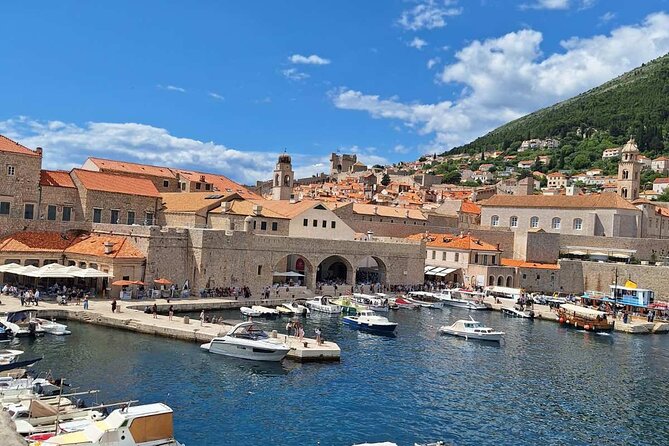
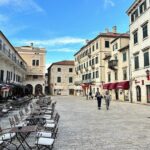
Your first stop is Stradun, Dubrovnik’s iconic main street. What makes this stretch worth focusing on is that you’re not just looking at pretty buildings. You’re walking a line that used to be a shallow sea channel and is now the Old City’s daily-life center.
Stradun helps you in two ways:
- Orientation: it’s the obvious spine, so later streets and side alleys stop feeling confusing.
- Perspective: once you hear the sea-channel story, the layout starts making sense.
This is also where a guide really earns their fee. A good walk through Stradun doesn’t just say what’s there—it shows you what to notice: the limestone paving, the rhythm of facades, and the way the street frames the next landmark you’ll hit.
If you’re trying to decide what to explore longer later, Stradun is where you’ll feel your preferences first: do you want quiet stone-and-church stops, or the civic power sites with big architecture statements?
Franciscan Church and Monastery: 1317 pharmacy calm
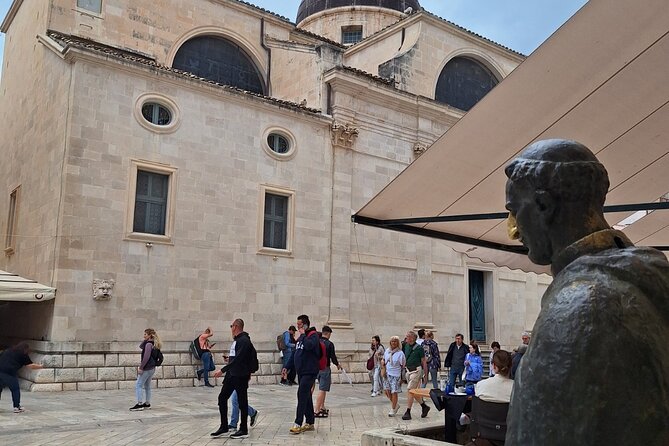
Next comes the Franciscan Church and Monastery, home to one of the oldest functioning pharmacies in Europe, dating back to 1317. This is the stop that turns the tour from sightseeing into understanding.
Inside, the setting matters. The monastery is a calmer pocket compared to the louder street energy outside. It’s also Romanesque-leaning in character, and that older architectural language helps you picture the medieval life behind the walls.
Why this stop is valuable:
- It connects Dubrovnik to real daily needs (medicine wasn’t a concept—it was survival).
- It gives you a concrete anchor date: 1317 is specific, and specific is easier to remember.
If you like history that feels human—illness, care, remedies—this is one of the best moments on the walk.
Possible drawback: this isn’t a stop where you get a giant “wow” view over the whole city. It’s “wow” in a quieter way—more atmosphere, less panorama.
Little Onofrio Fountain: water, masks, and 15th-century design
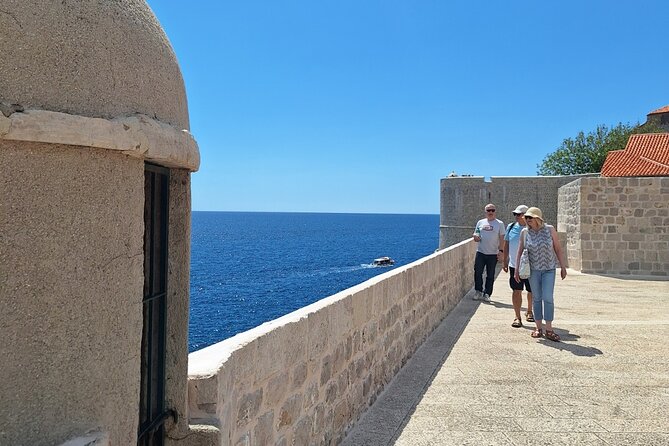
Then you’re looking at Onofrio’s Fountain, a 15th-century structure that originally brought fresh spring water into the city. What makes it memorable isn’t just the fact that it exists. It’s the style: 16 carved masks and a circular design built around function.
This fountain is a good example of why a guided walk helps. Without context, you might just photograph it and move on. With context, you see it as a symbol of how Dubrovnik handled daily survival—water access—through design and craftsmanship.
A practical note: fountains tend to attract quick stop-and-go photographers. If you want clear time for photos, the earlier you are, the easier it is to get angles without feeling like you’re negotiating with a line.





Jesuit Staircase and St. Ignatius Church: baroque steps with pop-culture fame
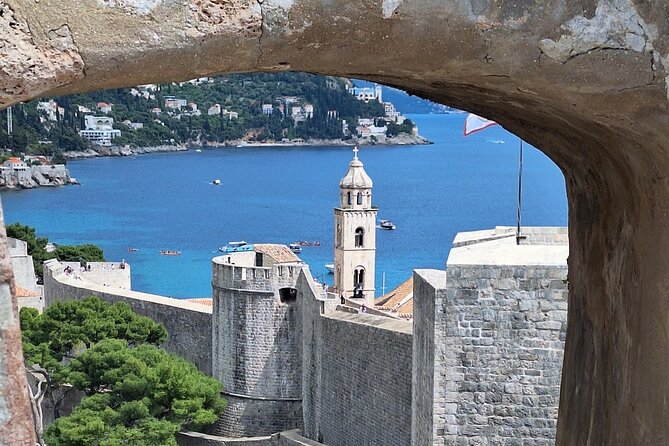
The Jesuit Staircase is one of Dubrovnik’s most photogenic spots, often compared to Rome’s Spanish Steps. Built in the 18th century, they rise to the Jesuit Church of St. Ignatius.
Yes, it’s also known for a major Game of Thrones association. But the best approach is to treat that as a bonus, not the main event. The real value is how the steps show baroque theatricality—architecture that wants you to pause, frame a shot, and feel the drama of the composition.
Why you’ll probably enjoy this stop:
- It breaks the rhythm from street-level to a height-based viewpoint moment.
- You get a built-in photo target that doesn’t require guessing where to stand.
- The guide can explain the church connection so you’re not just chasing the internet image.
Downside: the staircase means effort. If stairs are a problem for you, plan to take it slowly and keep an eye on your footing.
Dubrovnik Cathedral: Baroque power built on older ruins
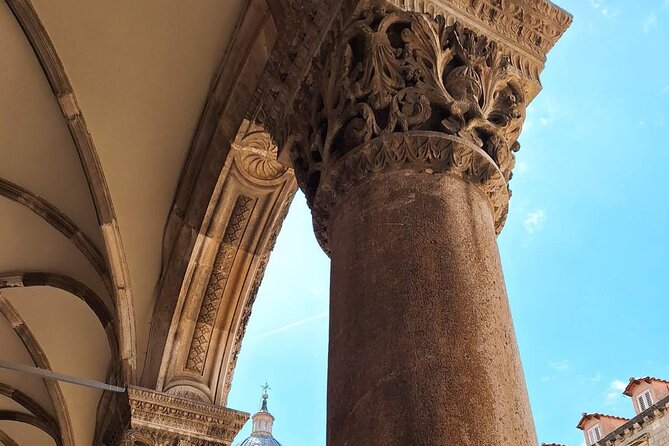
Now you move into the big statement piece: the Cathedral of the Assumption of the Virgin Mary. The cathedral’s story is layered. It was built on the ruins of older churches, supported by funds connected to England’s King Richard the Lionheart.
That matters because it reminds you Dubrovnik wasn’t created overnight. It was rebuilt, re-ordered, and reinforced—again and again—after what the city needed most.
Inside, it’s described as a Baroque masterpiece with priceless artworks and relics, plus a treasury area. Even if you don’t plan to study every display, this is the stop that makes the whole tour feel bigger: faith, art, and prestige weren’t separate things here.
If you’re the type who enjoys architecture more than facts, this is still worth it. Baroque interiors reward slow attention.
Rector’s Palace: how a small city ran itself
The Rector’s Palace is next, and it shifts the mood from religious grandeur to political power. This elegant Gothic-Renaissance building served as the seat of power in the Republic of Dubrovnik.
Here’s the key detail that makes the site stick: the elected Rector lived and ruled for just one month. That short term wasn’t random. It was designed to prevent corruption and keep fairness from drifting away.
This stop is where the tour stops being a list of cool buildings and becomes a real story about governance. You start to understand the city as a careful system, not just a pretty backdrop.
If you enjoy civic history, this is one of the most satisfying parts of the walk. If you don’t, you’ll still appreciate the architecture—because Gothic-Renaissance layouts tend to look logical and intentional, even if you don’t know all the terms.
Sponza Palace: earthquake survivor and a memorial in plain sight
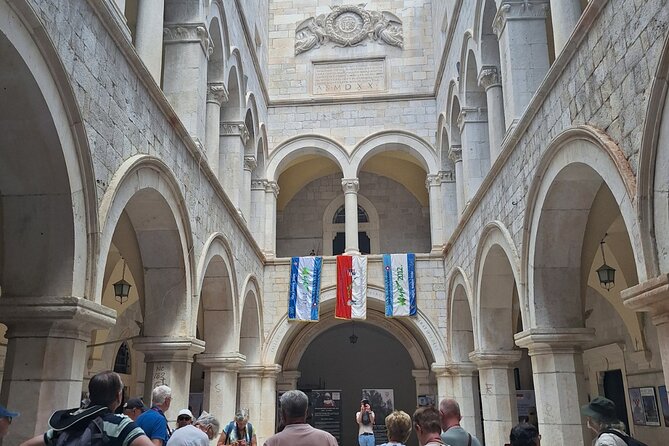
Your final major landmark is Sponza Palace, a rare survivor of the 1667 earthquake. It blends Gothic and Renaissance styles and once worked as a customs house and trade center, linking the city’s wealth to the goods moving through its hands.
Today, it also houses a memorial to fallen defenders. That combination—commerce and sacrifice—explains a lot about why Dubrovnik kept investing in stone and public spaces. Trade built the city. Defense protected it.
Why this stop is meaningful for your visit:
- It shows Dubrovnik’s economy wasn’t abstract. You can stand in the space where trade mattered.
- It adds an emotional layer without making the walk feel heavy. The memorial is there because the city remembers.
If you like your history to have a human footprint, this is a strong ending.
Pacing and how the guide keeps it fun
A big theme from Ajla’s style is that she doesn’t just deliver dates. She connects the dots and interrupts her own talking now and then with interesting facts—plus humor that makes it easier to stay focused.
That matters because Dubrovnik’s Old City can drain attention quickly. Even if you love history, too much talking with no rhythm can make you mentally check out. Ajla’s approach seems built to prevent that: short, clear explanations tied to what you’re seeing right now.
You also get what I’d call practical context. You’ll leave with a clearer sense of which streets to revisit later and which stops you can safely skip if you’re short on time.
What this tour is best for
This private walk is a good match if:
- You’re visiting Dubrovnik’s Old City for the first time and want direction fast
- You like history, but you also want it explained in plain terms
- You care about both architecture and the reason it was built
- You want a private, small-group experience with a guide who feels like a local
It’s also a solid choice if you’re traveling with someone who likes different things—one person can enjoy the church and cathedral moments, while the other can focus on governance and trade through Rector’s Palace and Sponza.
Who should consider another option
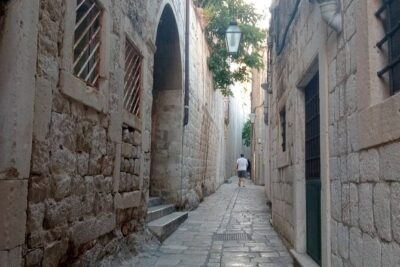
If you need step-free routes, take extra care. The walk includes stairs, especially the Jesuit Staircase, and the Old City streets involve plenty of walking on stone.
Also, if you want a tour that’s more about long, scenic viewpoints than architectural and civic explanation, you might find parts of this more “mindful” than “wow-overlook.” That’s not a bad thing, just different priorities.
Should you book the Dubrovnik Private Old City Walking Tour?
If you want your Dubrovnik visit to feel organized and meaningful, I think this is an easy yes—especially for a first day. The price per group makes it most value-friendly when you’re splitting among multiple people, but even as a smaller group, the private format and Ajla’s clear, funny storytelling help you get more out of every stop.
Book it if you like:
- architecture with context
- history tied to everyday life (water, medicine, trade)
- a small-group experience that doesn’t feel rushed
Skip it or choose something gentler if stairs are a major issue for you.
FAQ
How long is the Dubrovnik Old City private walking tour?
It runs about 1 hour 30 minutes.
What is the price for this tour?
The price is $189.27 per group, up to 8 people.
Is the tour private?
Yes. It’s a private tour/activity, so only your group participates.
Where does the tour start?
The meeting point is Pile Gate (Dubrovačke Gradske Zidine, 20000, Grad, Dubrovnik, Croatia). The tour ends back at the meeting point.
What language is offered?
The tour is offered in English.
What kind of ticket do I get?
You receive a mobile ticket.
What is the cancellation policy?
There’s free cancellation. You can cancel up to 24 hours in advance for a full refund, but if you cancel less than 24 hours before the experience starts, the amount you paid won’t be refunded.