REVIEW · DUBROVNIK
Dubrovnik to Athens; Semi – Private tour with Tour Leader & Car
Book on Viator →Operated by Choose Balkans · Bookable on Viator
A Balkan road trip with UNESCO on autopilot. This Dubrovnik to Athens semi-private journey stitches together Croatia, Bosnia, Montenegro, Kosovo, Albania, North Macedonia, and Greece with a tour leader and car that keeps the logistics sane. You’ll spend your days walking old bridges, bazaars, churches, mosques, and cliff-top monasteries, then regroup in 3-star hotels with breakfast.
I love how the trip treats the Balkans like one connected story, moving from Ottoman buildings in Bosnia and the Adriatic coast to Albania’s stone cities and Greece’s big finale at Meteora. I also love the food and people moments, from the Ottoman-style coffee or tea in Sarajevo to the Tirana food tour that feeds you while you learn how daily life works.
The main drawback is simple: long drives. Some days can feel like more time in the car than you’d like, so you’ll get the most from this tour if you’re okay with road time and steady schedules rather than lingering everywhere.
In This Review
- Key Things That Make This Tour Worth Your Time
- The Dubrovnik-to-Athens Format: Small Group, Lots of Borders, Fewer Headaches
- Day 1: Mostar Old Bridge and Bišćevića Kuća After a Dubrovnik Morning
- Day 2: Sarajevo Walks, Bullet Marks, and the Latin Bridge Story
- Day 3: Blagaj’s Buna Spring and Kotor’s Medieval Maze
- Day 4: Budva, Sveti Stefan, Shkodra, and a Venice-Style Mask Workshop
- Day 5: Mrizi i Zanave Farm, Prizren Culture, and Mosque + Fortress Stops
- Day 6: Gjakova Bazaar, Decan Monastery UNESCO Frescoes, and Rahovec Wine Valley
- Days 7 and 8: Kruja’s Old Bazaar and Tirana’s Food Tour (Byrek, Markets, and Raki)
- Day 9: Struga’s Drini River Break and Ohrid’s Lake View at St. John at Kaneo
- Days 10 and 11: St. Naum at the Crni Drim Source, Berat’s Windows, and Onufri’s Red Hue
- Day 12: Gjirokaster’s Stone City, Old Town Crafts, and Lunch at The Barrels Winery
- Day 13: Ioannina Old Town to Meteora Sunset at UNESCO Cliffs
- Day 14: Athens Drop-Off, Plus an Alternative Ferry Finale to Corfu
- Price and Logistics: What $6,020+ Buys (and What It Doesn’t)
- Who Should Book This Dubrovnik to Athens Tour
- Book It or Skip It? My Decision Guide
- FAQ
- What style of tour is this?
- How does pickup work in Dubrovnik?
- Are site entry tickets included?
- What’s included in the cost besides sightseeing?
- What should I budget for meals?
- How does the trip end?
Key Things That Make This Tour Worth Your Time
- Small group control (max 10 travelers): more hands-on explanations and easier movement through old towns.
- Car + tour leader at the border: you’re not stuck figuring out handoffs across countries.
- UNESCO in multiple countries: Mostar, Kotor, Ohrid, Berat, Gjirokaster, and Meteora are spread out so the trip never feels one-note.
- Built-in cultural contrast: Ottoman architecture, Austro-Hungarian influence, Ottoman bazaars, Orthodox monasteries, and Muslim-Christian-Greek layers all show up in one route.
- Food moments that aren’t an afterthought: Sarajevo’s Turkish coffee/tea and Tirana’s guided bites give you a real taste of the region.
The Dubrovnik-to-Athens Format: Small Group, Lots of Borders, Fewer Headaches
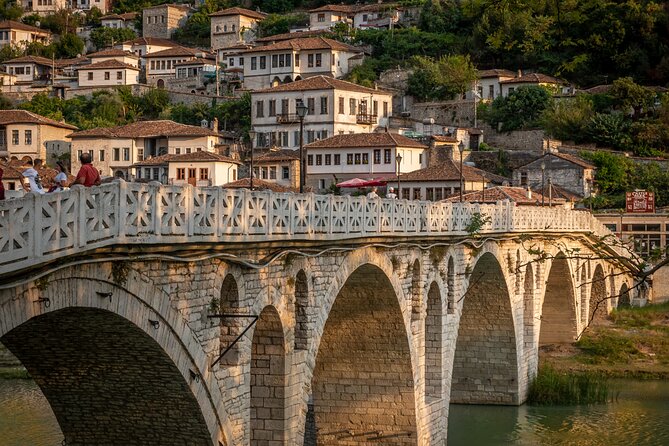
This is a semi-private style trip with a tour leader and car, designed for travelers who want structure but not a giant bus vibe. The group size matters. With a maximum of 10 travelers, you can actually hear explanations, ask questions, and keep your day moving without waiting around for everyone to find the same alley.
In Dubrovnik, pickup is set up for hotels within Dubrovnik Town, with the helpful note that cars can’t enter some parts. Translation: expect a short walk to your pickup point. Start time is 7:30 am from Platska ul. 7, so plan your morning like a local—breakfast sorted, shoes on, and your phone charged for the day’s mobile ticket and navigation.
At a practical level, the route also relies on a border meeting. You shuttle from Dubrovnik to the border area, then meet your tour leader there. That’s one less stress point when you’re hopping across countries with different languages, paperwork rhythms, and road rules.
You can also read our reviews of more tours and experiences in Dubrovnik.
Day 1: Mostar Old Bridge and Bišćevića Kuća After a Dubrovnik Morning
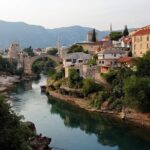
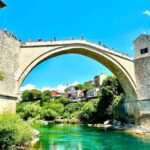
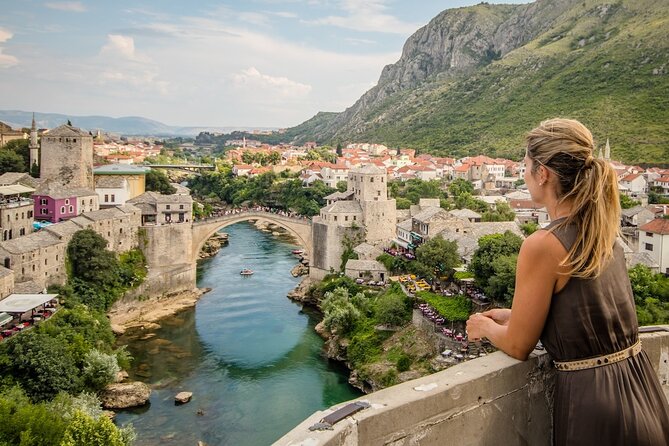
Your first “wow” moment is Mostar’s Old Bridge, Stari Most. It’s UNESCO and it’s instantly recognizable: built in the 16th century with that classic Islamic architectural feel. Your time here is structured, including an admission ticket, so you’re not wandering for hours wondering what’s actually worth your time.
The Old Bazaar is your second hit of atmosphere. You’ll see colorful streets and the lively market vibe that Mostar is famous for. There are also memorial stones with Don’t Forget messages—small, but they add weight to the walk, because Mostar’s past is never far away.
Next you get Bišćevića Kuća (Bišćević House), one of the region’s finest examples of Ottoman residential architecture. It’s a 17th-century riverside look at how a wealthy Ottoman family lived. In just 30 minutes, it’s the kind of stop that quietly upgrades the rest of your trip, because you start seeing architecture as a lived-in thing, not just a photo background.
Tip for this day: wear shoes you can handle on uneven stones. Old towns are charming, but they’re also real feet-on-rock territory.
Day 2: Sarajevo Walks, Bullet Marks, and the Latin Bridge Story
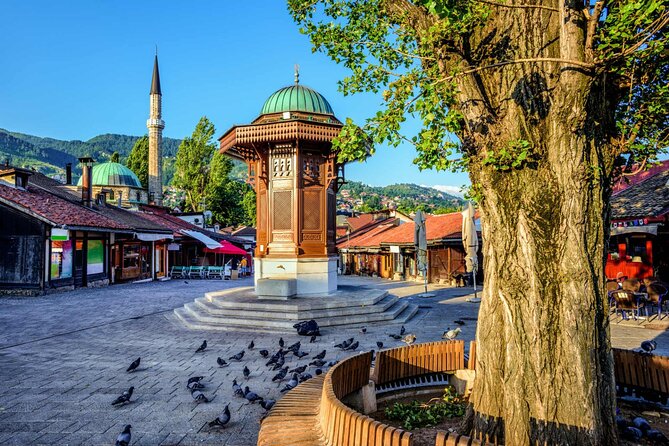
Sarajevo starts with a drive from Mostar, then a walking tour on uneven terrain. The city’s reminders of the Yugoslav War are visible in bullet holes and cannon marks around town. That’s heavy material, but the itinerary frames it with context—stories of Sarajevo’s origins and the medieval Bosnian kingdom, plus the Ottoman and Austria-Hungarian halves of the city.
You’ll get a balanced feel for Sarajevo as an “European Jerusalem” type of place—markets, bazaars, mosques, churches, and synagogues all layered close together. That religious and cultural mix isn’t a lecture. It shows up as you move street to street.
Then comes the Latin Bridge stop. The itinerary points to how WWI was triggered here, and it explains why the bridge has that name—because it connected the right bank to the Catholic quarter, with that historical Ottoman-era nickname Latinluk. It’s one of those moments where a bridge becomes a timeline.
A small but smart bonus: a stop at Caffe Divan for complimentary Turkish coffee or tea. It’s built in as a reset before the next leg of the trip, and it gives you a real local-style break rather than another hurried coffee-from-a-stand.
Day 3: Blagaj’s Buna Spring and Kotor’s Medieval Maze
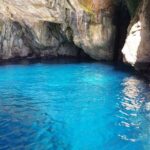
Blagaj is your morning escape. It’s outside Mostar, set under a cliff with blue water in front, and it’s described as a small Ottoman medieval town anchored by the stunning spring of the river Buna. The stop is shorter (about an hour), but it’s timed well—before the day fills up.
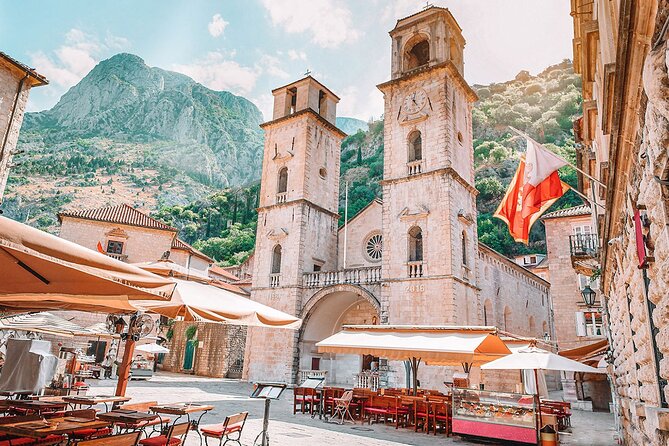
Then you move to Kotor, a UNESCO old town in Montenegro. The itinerary emphasizes the street plan that looks chaotic on purpose. In other words: these narrow lanes weren’t just built that way for looks. They were designed to confuse intruders. Even if you don’t know the exact details of Kotor’s battles, you’ll feel the logic as you walk.
You’ll wander cobblestone streets, visit Saint Luke’s church, and then you have time to explore on your own in the afternoon. That free time matters. Kotor can be sensory overload when everything is new, so having a chunk to slow down helps you remember what you actually liked.
Day 4: Budva, Sveti Stefan, Shkodra, and a Venice-Style Mask Workshop
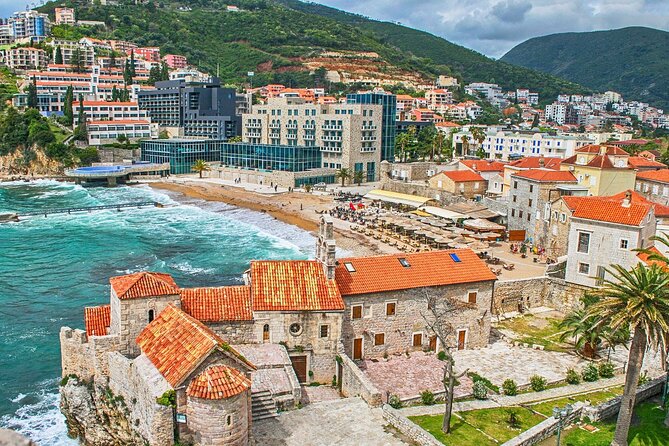
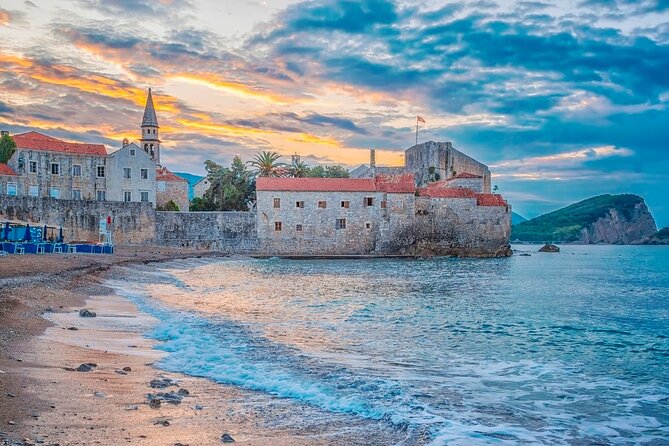
Today follows the Adriatic rhythm. Budva is split between New and Old, and the itinerary guides you to the historical center: medieval old-town sights plus churches like St. Ivan and St. Mary. This is useful if you want the old streets without spending time guessing where the “real” center is.
A scenic pause comes next near Sveti Stefan, historically a fishing town on a small island. The itinerary notes you can’t visit the island anymore because it’s now an exclusive residential resort, but you still get coast views for photos. Even without entry, the photo stop is worth it because the shape of the shoreline is the whole point.
Then you go inland to Shkoder (Shkodër). The big draw here is Rozafa castle and the views over the lake and rivers—three river flows meeting toward the Adriatic is the kind of geography you only understand after you see it from above. You’ll also learn that Venetian influence shows up in architecture, and the itinerary even mentions how Venetian masks are handmade and produced in Shkodra.
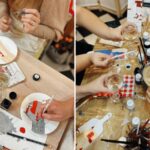
The day ends with the Venice Art Mask Factory stop in Albania. This is one of those crafts stops that’s more than souvenirs. You’ll see papier-mâché masks painted by hand, inspired by Venetian traditions but made in Albania. It’s 30 minutes, admission included, and it’s a good counterweight after days spent on stone streets.
Day 5: Mrizi i Zanave Farm, Prizren Culture, and Mosque + Fortress Stops
Day 5 has a “slow food” angle that I really like for multi-country trips. At Mrizi i Zanave – Restorant Agroturizëm, you’ll tour an agro-tourism farm focused on regional bio fresh local products. You learn how the farm created jobs for over 400 people and how older communist buildings were repurposed for storage. That’s practical local context, not just a marketing story.
You’ll also get free time for a traditional lunch or to buy fresh produce. Lunch is not included, but that’s where this stop can add value—you can eat in a place tied to the agricultural identity of the area.
Afternoon time shifts to Prizren, described as Kosovo’s cultural capital. The walk revolves around the old town with a river running through it and bridges crossing underfoot. The itinerary also points to Dokufest in August, which adds a fun timing note if you’re traveling in that month.
Two more “why it matters” stops help round out Prizren:
- Sinan Pasha Mosque, included, for its arabesque color and pattern.
- Kalaja Fortress, also included, for the panorama view from above.
The fortress view isn’t just scenic. It helps you understand how the town is laid out in layers.
Day 6: Gjakova Bazaar, Decan Monastery UNESCO Frescoes, and Rahovec Wine Valley
Gjakova brings you to the oldest and largest bazaar of Kosovo. Even after destruction in multiple wars, it was rebuilt to its old state, which gives you a living sense of resilience. Here you can pause for a meal, browse crafts, and watch handmade techniques in artisan workshops.
Then you head to the Monastery of Decan. The itinerary emphasizes the white exterior, but the key is that Orthodox monks still inhabit the monastery and make fresh organic food like cheeses. It’s also UNESCO listed since 2004 because of its frescoes showing lives of people in the 14th century and the Palaeologan renaissance changes in Byzantine painting.
Before returning, you drive to Rahovec in the valley. It’s positioned as the capital of viticulture in Prizren, with grapes cultivated since Illyrian times and vineyards at 350–520 meters altitude. There’s also an annual wine festival every September. Even if you don’t attend the festival, the framing helps you see why the region has a wine identity.
Overnight is in Prizren, which is great because it reduces one “one more move” day.
Days 7 and 8: Kruja’s Old Bazaar and Tirana’s Food Tour (Byrek, Markets, and Raki)
Kruja starts with the Medieval Old Bazaar and the story of Albanian resistance against Ottoman expansion in the 15th century. The streets feel historic fast—narrow lanes and wooden houses set the mood quickly. It’s about an hour here, and it works best if you go slow and let the details land.
Next: Kruja Castle, included. The itinerary notes hidden paths used by locals during times when enemies surrounded the castle. Even if you only catch glimpses of these routes, it gives you that sense of “this place had a purpose beyond views.”
Then you move back down for lunch time and shopping in Kruje—free time on the schedule to eat, browse, and pick souvenirs that actually match what the town is known for.
Tirana on Day 8 is built around food and local streets. It begins with a local companion experience, then stops at Tregu Çam where you’ll try byrek—thin layers of dough filled with cheese, meat, spinach, or other ingredients. The itinerary makes it clear you’re not just eating; you’re learning how markets work and how locals shop.
You also visit Pazari i Ri, covering second-hand goods and then moving to the New Bazaar for a traditional Albanian meal prepared with regional specialties. The food day ends with tasting Albanian grape raki. You’ll get a cultural shorthand in a small glass: it’s part drink, part social ritual.
This is one of the best “value-per-hour” days because you get more than sights—you get meals and context in the same block.
Day 9: Struga’s Drini River Break and Ohrid’s Lake View at St. John at Kaneo
North Macedonia starts with Struga. You’ll get a quick drink at the source of the Drini River and a short visit before driving to Ohrid. It’s light, which is good. By day 9 you’ve been on the road for nearly a week, and a soft start helps.
Ohrid and the lake are UNESCO since 1980, and you visit the viewpoint at the Church of St. John at Kaneo. The itinerary connects Ohrid’s Roman-era name and the Illyrian tribe context, then shifts to the Orthodox importance during Byzantine times, plus the line about 365 Orthodox churches.
You also see why Ottoman-era building choices mattered: houses were built with narrowed streets, tunnels, and tiny yards on a hilly terrain so that homes could still get good lake views.
A final stop adds a fun hands-on angle: the National Workshop for Handmade Paper Ljupcho Panevski. You learn ancient handmade paper production techniques and you can buy handmade paper as a souvenir. Admission is included, and it’s a great alternative to another castle photo.
Days 10 and 11: St. Naum at the Crni Drim Source, Berat’s Windows, and Onufri’s Red Hue
Day 10 begins at the Monastery of Saint Naum, included. The key detail is location: it’s at the source of the River Crni Drim at Lake Ohrid. The scenery description here matters because it’s a protected area in the National Park Galicica. This is the moment where the trip slows down naturally—water, greenery, mountain peaks, and spring brightness.
Tushemisht is next, described as a hidden gem with local street vendors selling preserves, honey, herbs, and handmade souvenirs. That stop is brief, but it’s the type of place where you can snack and buy something small without feeling like you’re in a tourist market trap.
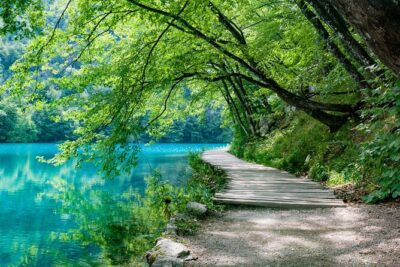
Then you visit Driloni National Park, where springs form a small lake surrounded by greenery. The itinerary notes weeping willows by the shoreline for a calm, park-like atmosphere. It’s not a monument stop; it’s a pause stop.
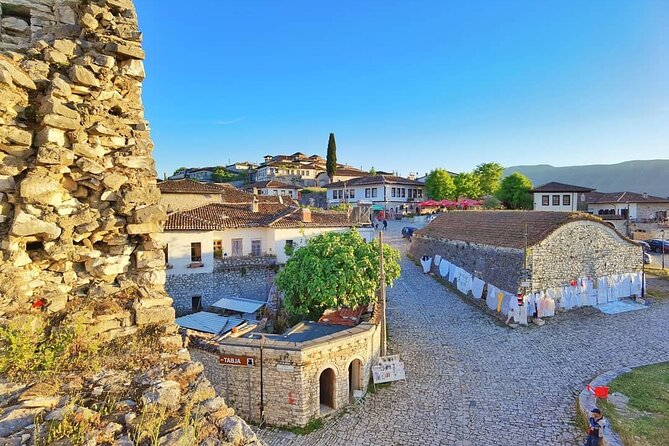
Berat on Day 11 is UNESCO and called the town of 1001 windows. The itinerary focuses on walking the narrowed stone streets where windows stack on hillsides. Berat also works as a living museum because residents still live inside the castle walls.
You’ll visit Berat Castle (included) for the medieval castle plus ancient churches and mosques, and you’ll also include the National Iconographic Museum Onufri (included). Onufri is credited as the painter behind the distinctive reddish color used in churches across the Balkans.
Finally, you visit Gorica Bridge for another short viewpoint moment.
Day 12: Gjirokaster’s Stone City, Old Town Crafts, and Lunch at The Barrels Winery
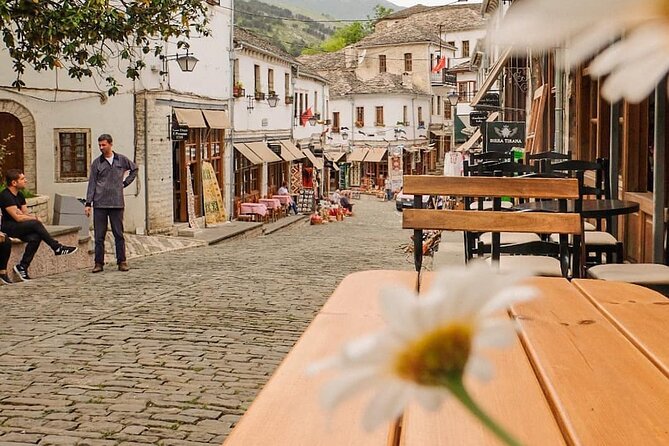
Gjirokaster is called the Stone City and it’s UNESCO. The itinerary sells the idea well: fortified feel, and every house like a small fortress. The city’s origin is tied to the castle built in the 4th century A.D., and it’s positioned as one of the best-preserved medieval towns in the Balkans.
You also get a sense of how culture moves through the place every five years when Gjirokaster becomes the capital of Albanian folklore and traditional music. Even if you’re not there during that cycle, you’ll likely notice why: the old town and medieval bazaar lead you into crafts and costumes quickly.
There’s time to visit one of the best-preserved houses with everything original and authentic. Then you shift to the countryside at The Barrels Winery, a family-run vineyard. You get free time for lunch surrounded by greenery and scenic rolling hills. Admission isn’t listed here, and lunch isn’t included, but this is a smart use of time—food in a setting that matches the region’s identity.
Day 13: Ioannina Old Town to Meteora Sunset at UNESCO Cliffs
Ioannina brings you back to Greece with cobbled streets and visible Byzantine and Ottoman-era architectural remnants. The itinerary guides you to Ioannina Castle, Byzantine in origin, with narrow streets and historic buildings inside.
You’ll also have time to wander and take in cafes and Greek food. This is one of the best days to eat at your own pace because you’re not rushing between multiple ticketed attractions.
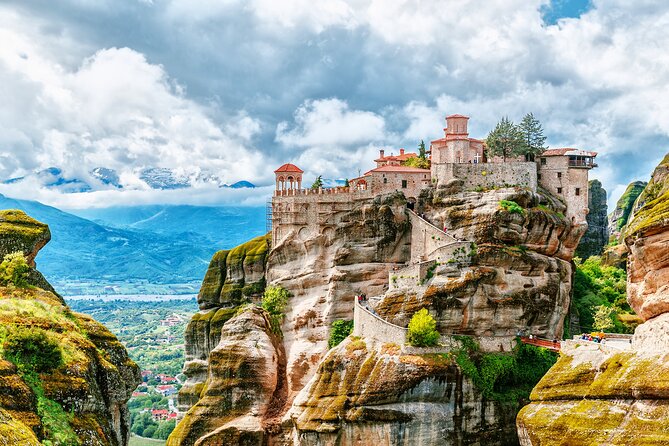
Then you go to Meteora, UNESCO, with monasteries built on top of dramatic rock formations dating from the 14th–15th centuries. The itinerary highlights the sunset. If you’re trying to build one memory for this trip, it’s this. The itinerary even frames it as one of the best sunsets you might ever see.
And it’s exactly the kind of payoff that makes the earlier road time feel worth it.
Day 14: Athens Drop-Off, Plus an Alternative Ferry Finale to Corfu
The written ending says your tour leader drops you off at your hotel in Athens. That’s the clean finish most people want: one last drive, then a proper check-in.
However, another part of the provided information describes a drop-off at Igoumenitsa Port, where you take the ferry (tickets included) to Corfu port. Since both are stated in the details you were given, it’s smart to confirm your exact Day 14 plan before you pack your final-day expectations.
Price and Logistics: What $6,020+ Buys (and What It Doesn’t)
At $6,020.56 per person, this is not a budget tour. The value comes from the combination of:
- Private transportation with international car insurance, road taxes, and petrol covered
- A professional tour leader throughout
- Hotel stays with breakfast in 3-star properties
- Entry tickets for the sites included in the itinerary
- Tourist taxes handled for you
- Specific food inclusions like the Sarajevo Ottoman-style coffee/tea and the Tirana food tour
What’s not included is the part most travelers feel day-to-day: lunches, dinners, drinks, and snacks. So you should budget extra for meals even if the sightseeing plan is packed with included items.
Also remember: the price note says it’s calculated based on double/twin/triple/quadruple occupancy in 3-star hotels. If your room situation doesn’t match that math, the real per-person cost can change.
Finally, your comfort level with travel days is the deciding factor. Long drives are part of the deal across so many countries. If you want constant walking and zero transit, this route might feel like too much “road” and not enough “pause.”
Who Should Book This Dubrovnik to Athens Tour
This trip is a strong fit if you:
- Want a multi-country Balkan overview in one coordinated package
- Like guided explanations at UNESCO sites and major cultural neighborhoods
- Enjoy markets, mosques/churches, and historical “layers,” not just one dominant style
- Don’t mind that the itinerary moves, with free time sprinkled in where it helps
It may be a weaker fit if you:
- Need lots of slow time in each city and hate long drives
- Want a tour focused mainly on one country (this one spreads across seven)
Book It or Skip It? My Decision Guide
If your dream Balkan trip includes Mostar, Sarajevo, Kotor, Ohrid, Berat, and Meteora—and you want it done with a guide and car—then this is an easy “yes” from a value-and-effort standpoint. You get the heavy hitters plus food stops like Tirana, and the small group size keeps the experience human.
If you’re sensitive to schedule pressure, then consider booking only if you’re truly okay with transit days and long drives. For people who like steady momentum and clear structure, this tour makes the region feel connected and memorable. For people who want endless wandering and lots of “our time, our pace,” it might feel like too much schedule.
FAQ
What style of tour is this?
It’s a semi-private tour with a tour leader and car, with private transportation and a maximum group size of 10 travelers.
How does pickup work in Dubrovnik?
Pickup is offered from the nearest point of your hotel within Dubrovnik Town. Cars may not enter some parts of Dubrovnik Town, so you may need to walk to the pickup point.
Are site entry tickets included?
Yes. Entry tickets for the sites that are listed as will be visited (and marked as included) are part of the package. Some stops also have admission listed as free.
What’s included in the cost besides sightseeing?
Included items are hotel accommodations with breakfast for overnight stays in 3-star hotels, a professional tour leader, private transportation, hotel pickup/drop-off, tourist taxes, and specific food inclusions like the Sarajevo Ottoman-style coffee/tea and the Tirana food tour.
What should I budget for meals?
Lunches, dinners, drinks, and snacks are not included, so you’ll want to plan extra spending for daily meals and drinks.
How does the trip end?
The details state the tour leader drops you off in Athens. Another part of the information also describes a Day 14 ending with a ferry from Igoumenitsa to Corfu—so confirm the exact finale for your departure.