REVIEW · SPLIT
From Split or Trogir: Krka Waterfalls & Primošten Sightseeing
Book on Viator →Operated by South Tours Croatia · Bookable on Viator
Skradinski buk makes every minute count. This day trip pairs Krka’s wooden paths with coastal free time in Primošten, while an English-speaking guide keeps the coach time practical and the stops actually useful. You’ll ride in an air-conditioned van/bus and move with a plan, not a scattershot schedule.
Two things I really like: you get guided context for what you’re seeing (mills, birds, waterfall viewpoints), and you’re not just dropped off with zero structure. Plus, Primošten comes with real breathing room—about 2 hours for swimming, strolling, and eating on the Adriatic.
One thing to consider: rules around water can be confusing. The tour highlights swimming, but Krka authorities prohibit swimming inside the park, and that may affect what you’re able to do at the waterfall area on your exact date.
In This Review
- Key things to know before you go
- Getting to Krka: Air-Conditioned Comfort From Split or Trogir
- Primošten Peninsula: The 2-Hour Coast Reset You’ll Appreciate
- Šibenik Between Stops: Nice Add-On or Extra Pressure?
- Krka National Park: What the Walk Is Really Like
- Skradinski buk: The Main Event (And Why Footwear Matters)
- Park Tickets, Discounts, and When Entrance Is Included
- Price and Value: What Makes This Day Trip Worth It
- Practical Tips That Will Save Your Day
- Who Should Book This Krka and Primošten Tour?
- Should You Book?
- FAQ
- Is the Krka entrance ticket included?
- Can I swim at Krka?
- How much free time do I get in Primošten?
- Where and when do you pick me up?
- Is the tour offered in English?
- Does Krka get crowded?
Key things to know before you go
- Skip-the-line promise at Krka so you spend time walking, not waiting
- Skradinski buk is the main event, with wooden paths and viewpoints
- Primošten free time (about 2 hours) for beach time and a relaxed town stroll
- English-speaking guides (I saw names like Sandra, Henry, Mille, and Milan mentioned)
- Max 45 travelers means it’s usually easier to hear instructions than on huge buses
- Bring a towel and bath suit, but expect to follow NP Krka rules on-site
Getting to Krka: Air-Conditioned Comfort From Split or Trogir
This tour is built for an easy day out of Split—sometimes you’ll start in Split, and sometimes you’ll be picked up along the way from Trogir. Pickup is straightforward: you’re picked up in front of your hotel about 30 minutes before the tour starts. If the pickup time needs to change, you’ll be notified the day before.
The ride itself is part of the value. Transport is by an air-conditioned van/bus, and the overall day runs about 10 hours including transfers. That matters in Croatia’s Mediterranean heat—Krka is gorgeous, but you’ll want to arrive feeling human, not fried.
You’ll also have a mobile ticket, and the tour is offered in English with an English-speaking guide. Most people can join, and kids just need an adult with them. Dress code is smart casual, but think practical, not fancy—this is a walking-and-waterfalls day.
You can also read our reviews of more tours and experiences in Split.
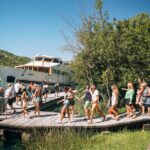
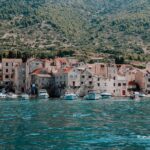
Primošten Peninsula: The 2-Hour Coast Reset You’ll Appreciate
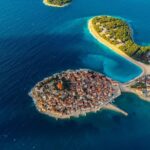
Your first real taste of the Adriatic is Primošten, a peninsula town between Šibenik and Trogir. The vibe here is relaxed: beaches, viewpoints, and places to pause for coffee or lunch without rushing. The tour includes free time, and the time block is about 2 hours.
It’s also a town with a strong sense of place. The area is known for good beaches, and the region’s vineyards are even tied to UNESCO World Heritage sites. You don’t need a long lecture to appreciate it—you just need time to wander the edges of the peninsula and look at the water.
What you can do in that window (and what I’d prioritize):
- Walk to a viewpoint, then return for a beach break
- Eat something simple near the waterfront
- If you want a swim, plan around where people are actually getting in safely
One small tip from real-world experience on this kind of stop: if the walk back to where the coach picks you up includes rocky ground, beach shoes can save the day. I’d rather over-pack one small item than spend the waterfall part limping.
Practical note: the stop lists admission as free for the town portion, so your “cost pressure” is lower here than at the national park.
Šibenik Between Stops: Nice Add-On or Extra Pressure?
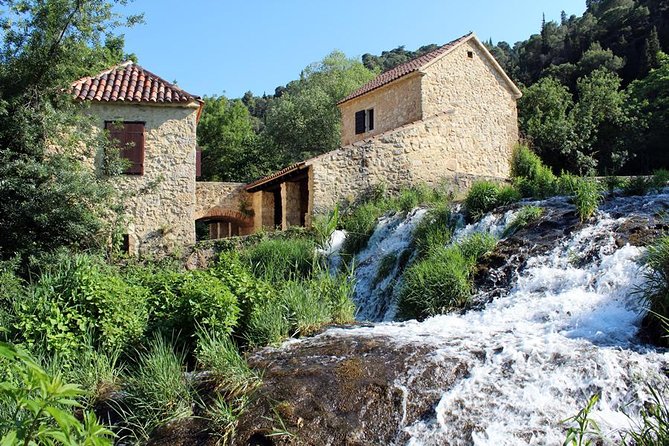
This tour is marketed as including Šibenik and Primošten in the same day, and that usually means a short city moment in Šibenik. Based on how these days often work, you should treat Šibenik as a bonus stop—not the main attraction.
Here’s the reality: an hour in an old Croatian town can be fun, but it can also feel like you’re just scratching the surface. On some days, you may get a short guided look and then some free time, but not enough time to do everything you might hope for (like visiting a specific church interior).
My advice: use Šibenik for quick wins. Focus on what you can see from the street and the waterfront. If the guide points out a landmark with limited hours, make your decision fast. This is the kind of tour where one missed closure can feel like it “steals” your time—so keep expectations aligned with a short stop.
If you’re the type who wants slow travel in one city, you might feel that tension. If you want a high-success day—Krka first, coast towns next—Šibenik can be a nice in-between.
Krka National Park: What the Walk Is Really Like
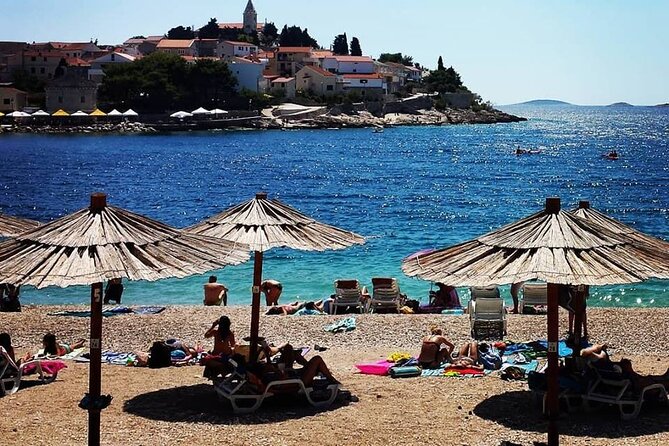
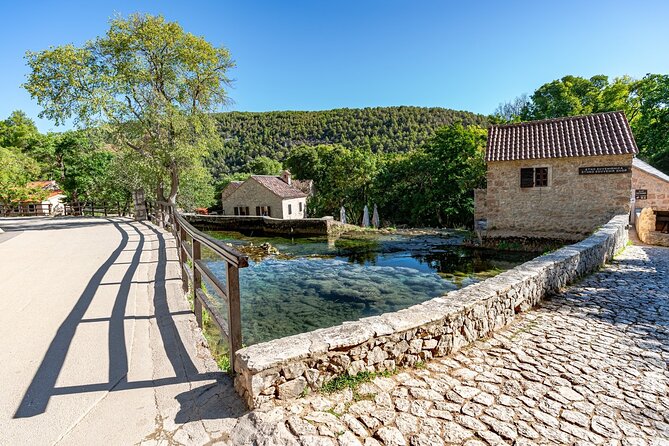
When the tour reaches Krka National Park, the main format is walking—mostly on wooden paths—with enough structure to keep you from getting lost. The time you have inside is about 3 hours.
Krka is known for more than one photo spot. The walking route takes you through areas where you can see:
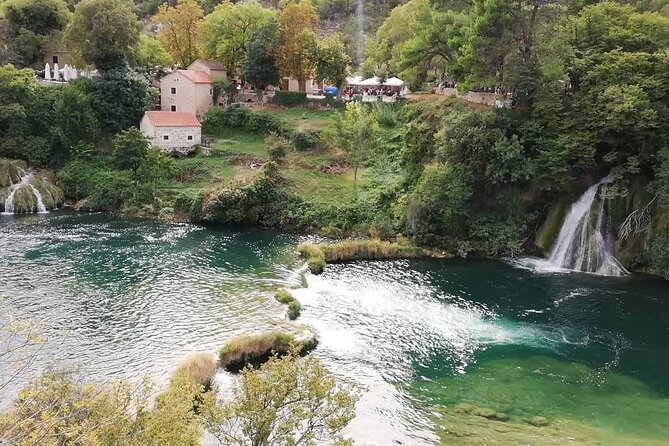
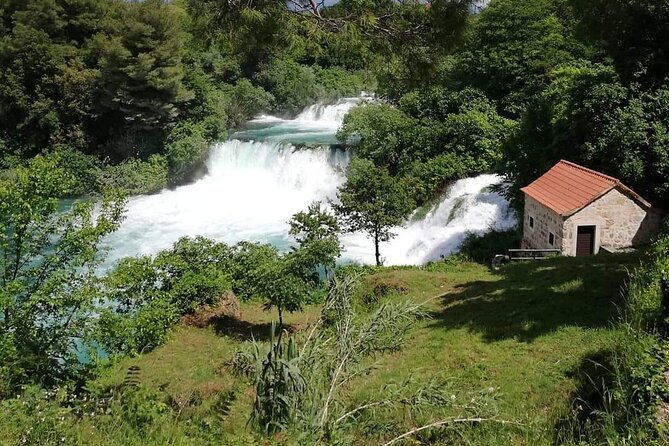
- Watermills that have been operating for centuries
- Trails and viewpoints that bring you close to the water
- Birdlife—rare birds, with your guide sometimes pointing out what to listen for
- A mix of moving water, engineered paths, and places to stop and look longer
There’s often an optional guided portion. After that, you typically get extra time to explore at your own pace. That’s a good balance: you get the “why” from the guide, then you get the freedom to linger where you care most.
One big seasonal note: June to October is crowded at Krka. That doesn’t mean it’s not worth it—it just means you should plan for slower walking, tighter photo lines near the main waterfall, and a bigger push to stay on the route.
Skradinski buk: The Main Event (And Why Footwear Matters)
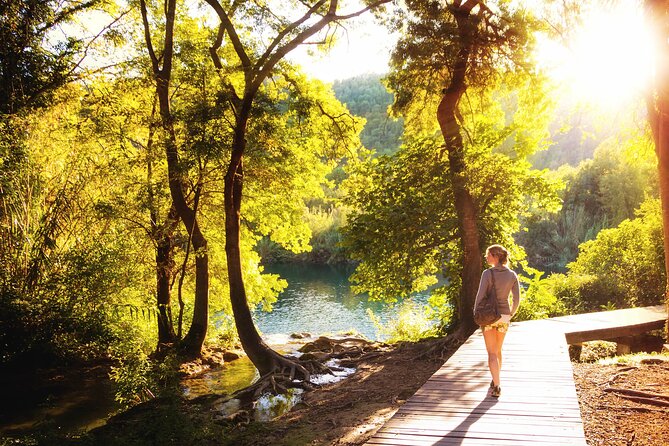
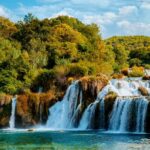
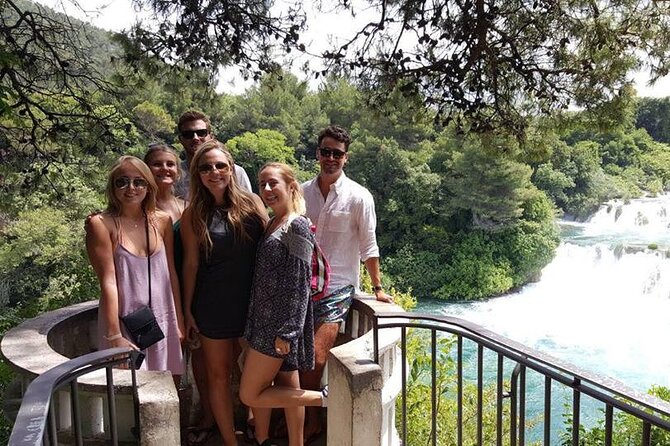
Skradinski buk is the star here: the biggest waterfall in the park and one of Europe’s most beautiful cliff waterfalls. This is where the tour earns its reputation. It’s the part you’ll want to see from multiple angles.
The route to reach the main viewpoint usually follows a marked path, and then the return often involves stairs. On some days, guides lead the group in a way that feels one-direction down, with limited time for strolling during the descent. Then, at the main area, you have time to look around before going back the other way.
That means one thing for you: wear shoes you trust on wet wood and steps. You’re not just walking a city sidewalk. You’re on park surfaces that can be slick, plus you’ll be making up and down movement.
And about swimming: the tour highlights swimming beneath Skradinski buk, and the day includes swimming time in Primošten. At the same time, the tour data states that swimming inside the park is prohibited by NP Krka authorities. So here’s the smart way to handle it:
- Bring your bath suit because the itinerary and packing list suggest water time is possible somewhere
- But treat the official rule as the final word on what’s open and allowed for your date
- Follow signs and the guide’s instruction when you arrive
Also expect it to feel cold at first in the water. If the water area is open for wading or cooling off, you’ll likely spend some moments testing it. If it’s not, you’ll still have plenty to do—views, mills, and time on the boardwalks.

Park Tickets, Discounts, and When Entrance Is Included
This is the part that can make or break the “good deal” feeling. The price you pay for the tour is listed as $48.37 per person, and the day includes transport, an English guide, and time at Krka National Park plus Primošten.
But entrance ticket coverage depends on season and on what option you selected:
- The included list says entrance ticket to NP Krka is included during winter season
- The stop details show Krka admission ticket not included as a baseline
- If you booked an option without entry tickets, you may get a discount if you pay in cash on the day of the tour (prepare exact cash for the entrance fee)
To help you plan your budget, the data provides discounted entrance prices:
- June to September: Adults €30, Student €15, Children 7–17 €15, Children under 7 free
- April, May, and October: Adults €16, Students €10, Children 7–17 €10, Children under 7 free
Student tickets require a physical student ID card. You’ll also want to have the right money ready, because the instruction explicitly calls for exact cash only for the entrance fee to get the discounted price.
If you hate cash logistics, this is where you should double-check your booking option. If your package includes the park entry for your travel month, you’re golden. If not, you’ll want that cash ready so you don’t lose time.
Price and Value: What Makes This Day Trip Worth It
For $48.37, you’re paying for three big things that are hard to recreate easily on your own:
- Transport that reduces stress: air-conditioned coach + transfers from the area
- A guide who adds meaning fast: mills, bird sounds, and waterfall context
- A skip-the-line advantage: the tour is described as guaranteed to skip the long lines
That last point is underrated. At Krka—especially when it’s crowded—time spent queuing is time you can’t get back. If the skip-the-line promise holds for your date, you gain more walk time and less waiting.
The included stops also make the day feel “balanced” rather than one-note:
- Primošten gives you a coastal break and downtime
- Krka gives you the natural centerpiece and the guided interpretation
- Šibenik (when included) adds cultural texture, even if it’s short
Small-group style is another value lever. The tour has a maximum of 45 travelers, and the experience can feel smaller depending on the day and departure. In at least one instance, a group of about six was mentioned, which makes instructions easier and the pace feel calmer.
So, who gets the best deal?
- You want a full day with minimal planning
- You care most about Krka and want the logistics handled
- You’re okay with a tighter schedule at towns if it protects your time at the waterfall
Practical Tips That Will Save Your Day
Here’s how to prepare so the trip feels smooth instead of annoying.
Bring the right gear
- Towel, hat, sun cream
- Bath suit (because swimming time is part of the plan for Primošten, and water access depends on park rules at Krka)
- Smart casual is the dress code, but practicality wins on walking surfaces
Plan for crowds in summer
From June to October, Krka can be crowded. That means you should expect slower movement near the main waterfall and more people at viewpoints. Your goal is not solitude; it’s great views with a manageable crowd.
Don’t rely on food being free
Food and drinks are not included. You’ll likely find something to buy on-site near the water areas, but budgeting for lunch helps. If you’re sensitive to meal timing, plan quick snacks before you enter the national park area.
Be ready for route changes
The tour data notes that transfer times are approximate and depend on traffic. Also, timing at stops can shift. That’s normal with Croatia coastal roads and park entry flows.
Who Should Book This Krka and Primošten Tour?
I’d point you here if:
- You want Krka + Primošten in one day without handling transport
- You like guided context but still want free time to wander
- You’re happy with a day that’s active, scenic, and structured
I’d think twice if:
- You want lots of time in one city like Šibenik
- You’re picky about swimming and want a guaranteed water experience at Skradinski buk
- You dislike days where timings feel tight and the schedule is built around moving on
Families can do it too—just remember children must be with an adult, and you’ll be walking stair-and-boardwalk terrain.
Should You Book?
If your priority is seeing Skradinski buk with minimal hassle, this is a solid choice. The combination of air-conditioned transport, an English-speaking guide, and the skip-the-line promise at Krka makes the price feel fair. Primošten’s 2 hours also gives you a real coastal breather, which helps the day not feel like one long nature hike.
Book it when you can handle a paced day and treat swimming at Krka as “possible, but rule-based.” If you’re mainly chasing a relaxed beach day or a long, slow exploration of Šibenik, you may want a different itinerary that gives one place more breathing room.
FAQ
Is the Krka entrance ticket included?
It depends on the season and the option you choose. The tour data says the NP Krka entrance ticket is included during winter season, but it also lists the Krka admission ticket as not included. If you booked an option without entry tickets, you can get a discount by paying in cash on the day of the tour (exact amount only).
Can I swim at Krka?
Swimming inside the park is prohibited by NP Krka authorities. The tour does include free time for swimming in Primošten, but for Krka you’ll need to follow the park rules and what’s allowed on your date.
How much free time do I get in Primošten?
You get about 2 hours in Primošten, with free time to swim, chill, eat, or take a scenic stroll.
Where and when do you pick me up?
Pickup is from in front of your hotel about 30 minutes before the tour starts. If the pickup time changes, you’ll be informed one day before. The activity ends back at the meeting point.
Is the tour offered in English?
Yes. The tour includes an English-speaking tour guide and is offered in English.
Does Krka get crowded?
Yes. From June to October, Krka National Park is crowded.