REVIEW · ZADAR
From Zadar: Krka National Park Full-Day Tour from Zadar
Book on GetYourGuide →Operated by Croatica.eu · Bookable on GetYourGuide
Waterfalls and boats, all in one day. This full-day Krka National Park trip from Zadar is a smooth way to see Skradinski Buk and enjoy a guided walk that doesn’t feel like a cattle drive. I especially liked the boat ride to Skradin and how the guide adds context as you move from falls to old mills and weaving workshops. One consideration: the park entry fee is separate, and you’ll want comfortable shoes for the walking.
If you like nature you can actually move through (not just stare at), this day works well. You’re out about 8 hours, with a return to Zadar around 5:00 PM, plus time planned for photos and soaking in the falls. The main drawback to plan around is that it’s not suitable for mobility impairments, and late-season water access can be limited.
In This Review
- Key things I’d focus on
- Krka National Park From Zadar: The appeal of a structured waterfall day
- Pickup and the ride south: where the day starts (and how to avoid stress)
- Skradin and the 30-minute boat ride: a practical way to see more
- Entering the Skradinski Buk area: what the guided walk gives you
- Pacing: how long you should plan to linger
- A note on swimming (season matters)
- Ethno collection, mills, and weaving workshops: the cultural layer most waterfall tours miss
- Birdwatching at Krka: why the park’s fame goes beyond waterfalls
- Krka National Park entry fee: budget it up front
- Ticket prices by season (the numbers you need)
- Timing and flow: what the 8-hour day feels like on your schedule
- Group size, masks, and comfort: the practical side of today’s touring
- Price and value: is $70 a fair deal for Krka from Zadar?
- Guides and organization: what makes this tour feel good once you’re on it
- Who this Krka day trip suits best (and who should choose differently)
- Should you book the Zadar to Krka full-day tour?
- FAQ
- How long is the Krka National Park full-day tour from Zadar?
- What sights do you visit at Krka National Park?
- Do you include a boat ride?
- Is the national park entry fee included in the tour price?
- How much is the Krka entry fee by season?
- Does the guide handle the tickets?
- What’s the total tour price?
- What should I bring?
- What’s the language of the tour?
- Is this tour suitable for people with mobility impairments?
Key things I’d focus on
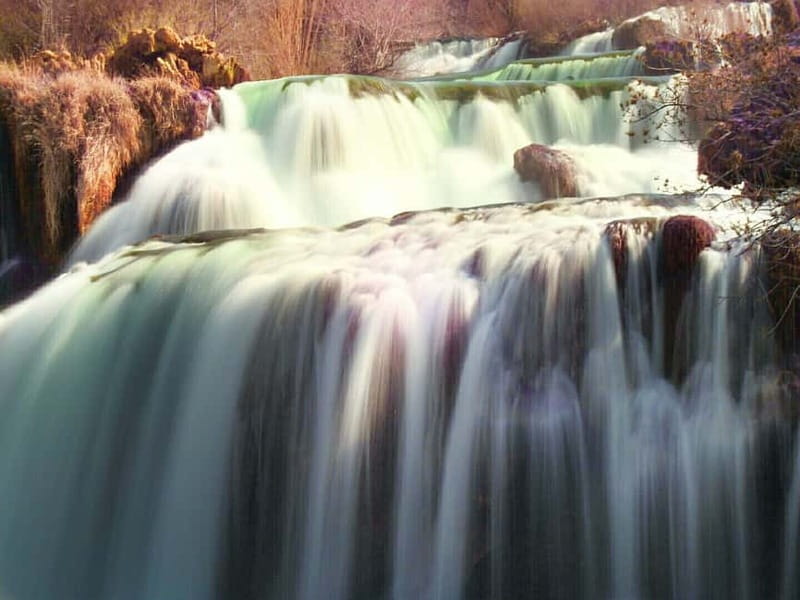
- Skradinski Buk Falls: the star sight, with a guided walk right past the action
- 30-minute boat ride: a quick switch in pace that sets the tone for the day
- Ethno collection + mills + weaving workshops: human stories alongside the waterfalls
- Birdlife credentials: the park is known for spring and fall migration and 200+ bird species
- Smaller, distanced groups in COVID rules: capacity limited to 40% of normal on the stated departure setup
Krka National Park From Zadar: The appeal of a structured waterfall day
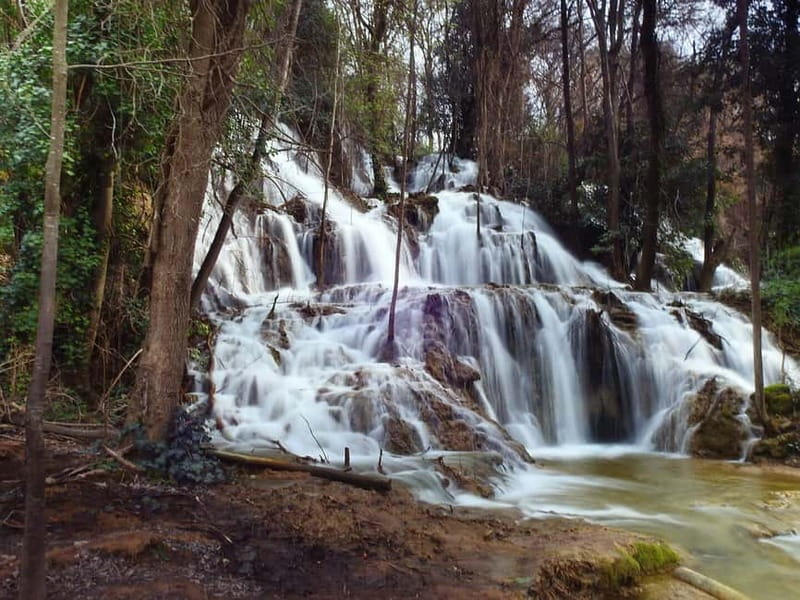
Krka National Park is one of those places where the views come in layers. You’re not just looking at one big waterfall. You’re in a protected area of just over 142 sq km (88 sq miles) with multiple habitats, and it shows in the variety of plants and wildlife you pass by.
That’s why this tour format works: you get guided structure to hit the highlights, but you’re still moving on your feet near the falls. You also get a cultural stop (the mills and weaving workshops) so the day isn’t only wet rock and camera work.
The tour is built around a simple rhythm:
1) get out of Zadar by bus
2) arrive at Skradin and take a short boat ride
3) walk with a guide around Skradinski Buk
4) visit mills and weaving/ethno displays inside the park area
5) head back to Zadar by late afternoon
You can also read our reviews of more tours and experiences in Zadar.
Pickup and the ride south: where the day starts (and how to avoid stress)
This tour includes pickup from Zadar. That’s a real quality-of-life win if you don’t want to coordinate buses, transfers, and parking. The downside is simple: if pickup points are confusing, you’ll feel it. One group had a pickup mix-up and still solved it fast, but it’s a good reminder to check your exact pickup location details the day before.
You’ll also want to dress for the ride: even in warmer months, bus comfort can vary. One review specifically flagged that the bus air conditioning wasn’t great. Bring a light layer so you’re comfortable either way—because once you’re at the park, you’ll likely be standing, walking, and stopping for photos.
The driver’s language is English only, and you’ll have a professional guide for the tour content. That matters because the day isn’t just transportation; it’s explanation.
Skradin and the 30-minute boat ride: a practical way to see more
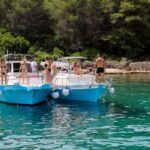
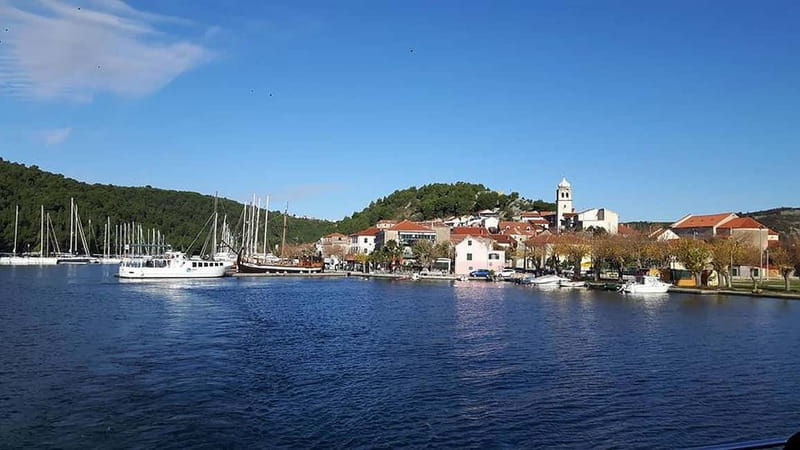
After pickup, you drive to Skradin, where you board a boat for about 30 minutes. This isn’t just scenic. It’s efficient. The boat ride helps you reach the falls area without turning the day into nonstop driving.
What I like about this kind of format is that it gives you a transition period. You arrive with travel energy, then the boat ride slows you down. You get that first wave of waterfall atmosphere without having to start with a long hike right out of the gate.
Even if you’re not a boat person, it’s short enough that you won’t feel stuck. It’s timed as the opening “set piece,” so you’re primed for the walk that follows.
Entering the Skradinski Buk area: what the guided walk gives you
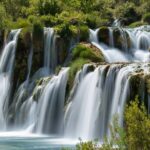
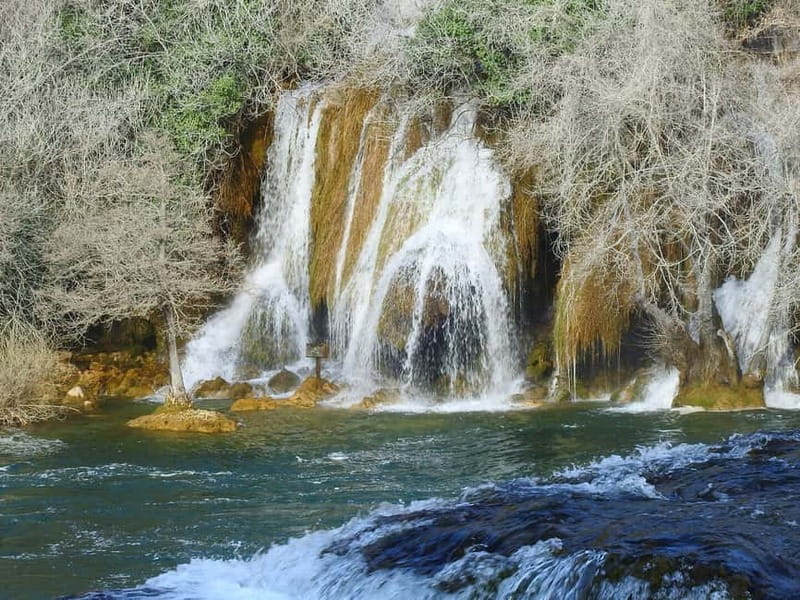
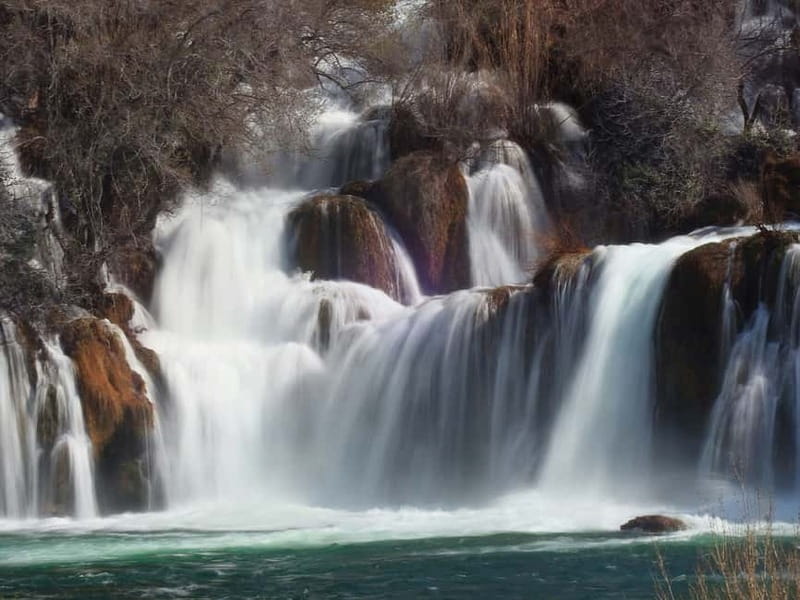
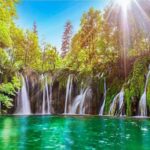
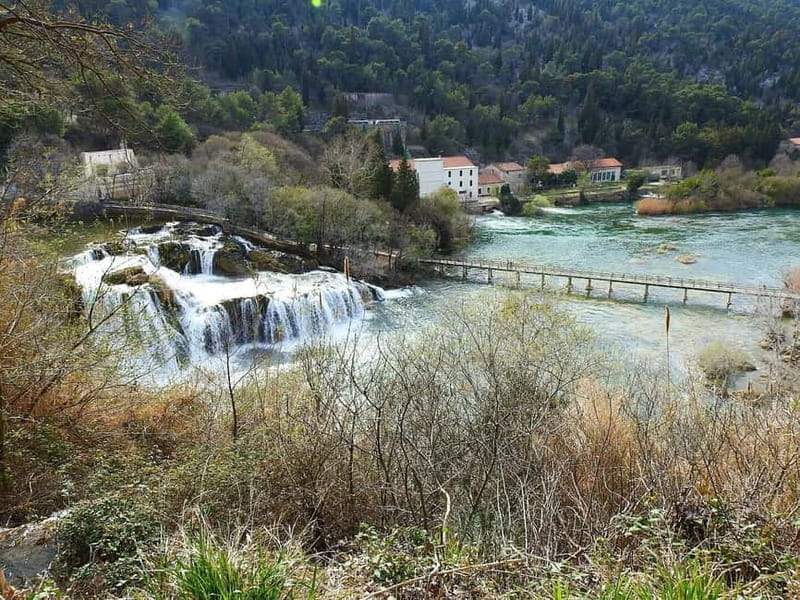
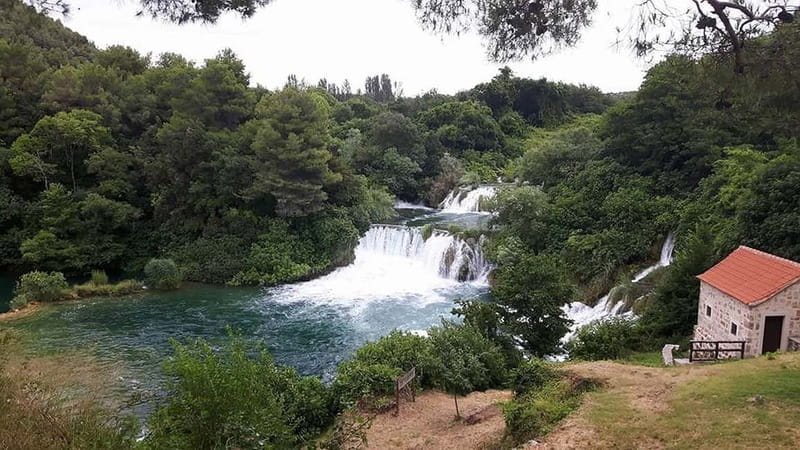
The main waterfall focus is Skradinski Buk Falls, one of Croatia’s most famous sights. The tour includes a guided walking tour past Skradinski buk. That guided part is where you’ll get more than just visual enjoyment.
A good guide can help you read the place: why water gathers here, how the park’s habitats support different plants and birds, and what to watch for while you move along the path. In the reviews, guides like Marina, Dino, Sandra, and Lukas are praised for being friendly and informative, and for helping the day feel organized without feeling rushed.
Pacing: how long you should plan to linger
This tour is one long day, and Krka rewards slow looking. Still, the group timing is real—you’ll have a walk and then the program continues to mills and workshops.
I’d plan on doing two things:
- take your photos as you go, not all at once at one spot
- leave space for short stops, because the falls area has lots of viewpoints

A note on swimming (season matters)
One review mentioned that swimming under the waterfall wasn’t an option late in the season, while another described having time to swim in the fresh waters next to the waterfall. The key takeaway: don’t assume swimming will be available on your date.
Ethno collection, mills, and weaving workshops: the cultural layer most waterfall tours miss
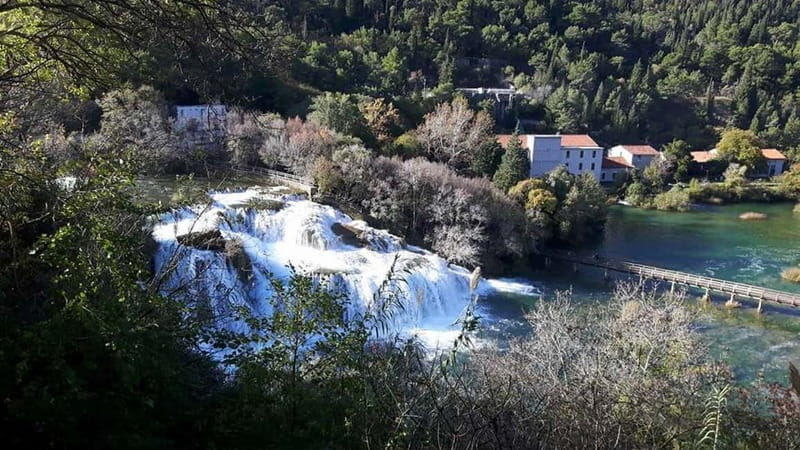
After the waterfall walk, the tour shifts into heritage mode with the park’s ethno collection, plus mills and weaving workshops. This is the part that adds meaning to the day.
Water power shaped old working life here. Mills show how communities used the energy from water and how that translated into food production and daily labor. Weaving workshops connect to local craft traditions, giving you a sense of how people lived in harmony with seasonal rhythms.
In one review, the guide even walked the group through ethnographic structures, which made it feel less like a quick stop and more like a real context break from the falls. If you enjoy mixing nature with everyday history, this segment is a big reason the tour earns its value.
Birdwatching at Krka: why the park’s fame goes beyond waterfalls
The tour highlights diverse flora and fauna and notes over 200 species of bird. That’s not a small claim. Krka’s position and habitat variety make it important for bird migration, especially in spring and fall.
So what does that mean for you on a day tour?
- If you’re a birdwatcher, you’ll likely feel like the park is doing the work for you. The places to look tend to be naturally busy with winged activity during migration windows.
- If you’re not, you can still enjoy it by using the guide’s focus. A good guide can point out likely bird activity without turning it into a lecture.
Even if birdwatching isn’t your main mission, this focus changes how you experience the walk. You start noticing movement in trees and along the water edges—not just water falling.
Krka National Park entry fee: budget it up front
This is the cleanest “price clarity” point on the day: Krka National Park entry is not included in the $70 per person tour price.
The tour operator notes that the guide will collect cash and buy skip-the-line tickets. So yes, this is one of those tours where you should show up with the right mindset: not just money, but the correct form (cash).
Ticket prices by season (the numbers you need)
You can expect different entry ticket costs depending on the time of year:
- 1 June to 30 September: 200 kn (€27) adult; 120 kn (€16) child (7 to 18)
- 1 April to 31 May and October: 100 kn (€14) adult; 80 kn (€11) child
- 1 November to 31 March: 50 kn (€7) adult; 30 kn (€4) child
- Children under 7: free
If you’re trying to judge value, don’t compare only the tour price. The real cost is tour + park entry.
Timing and flow: what the 8-hour day feels like on your schedule
The duration is listed as 8 hours, with return to Zadar at around 5:00 PM. That shape matters because it tells you what kind of day it is: full daylight coverage, not a quick half-day hit-and-run.
The internal timing also impacts how you plan your day:
- You’ll want an early start from Zadar (pickup is included, but you should check the exact timing for your departure date).
- You won’t have energy left for major extra sightseeing after 5 PM—unless you keep your evening plans light.
That’s why I like this format for first-time visitors. You get a signature national park experience without turning the trip into a logistics project.
Group size, masks, and comfort: the practical side of today’s touring
The tour includes COVID-related rules as noted: participants are required to sanitize hands and have temperature taken before boarding, and it’s mandatory to wear a protective mask during the activity. The stated capacity is 40% of the usual group size to allow social distancing.
Even if you’re past the peak of pandemic rules, it’s still useful to interpret what this means for your experience:
- Expect less crowding than a full-capacity bus day
- You’ll likely have more breathing room in the walk and boat portions
Also, the tour isn’t suitable for people with mobility impairments. That’s important to respect, because the day includes boat transfer and walking near falls.
And don’t forget basics: bring comfortable shoes and clothes. This is not a day for slick sandals or shoes you only wear once.
Price and value: is $70 a fair deal for Krka from Zadar?
Let’s look at value in a real, practical way.
You pay about $70 per person for:
- transport from Zadar
- a 30-minute boat ride
- a guided walking tour
- an English-language driver plus a professional guide
- insurance, VAT, and local taxes
What’s not included:
- Krka National Park entry fee, which varies by season
For many people, the value isn’t just the sights—it’s the hassle removed. You’re getting a full day structured around the park’s key experiences: Skradinski Buk + mills/ethno/working culture + boat transfer. If you tried to assemble this on your own, you’d likely spend time coordinating transport and entry and you might not get the same level of “what you’re seeing and why it matters” commentary.
And the reviews back up the experience quality: people repeatedly praise pickup, guide friendliness, and how well the day runs. One review even points out a relaxed pace with plenty of time for pictures and swimming when water access is available.
One fair caution: there’s no guarantee you’ll have the same comfort levels on the bus. One mention was that air conditioning needed work. That doesn’t kill the value, but it is worth planning clothing for.
Guides and organization: what makes this tour feel good once you’re on it
The tour’s “it’s worth it” factor shows up in the human part. Multiple reviews call out guide quality as a highlight—people found the guides friendly, helpful, and good at keeping the day moving.
Some guide names that came up include:
- Marina, praised for being informative and professional
- Dino, praised for friendly service and managing the flow
- Sandra, praised for educational background and also mentioned in a review that noted disorganization on a different point of the day
- Lukas, praised for friendliness and allowing exploration at your own pace
That mix tells me something useful: the tour can run smoothly, but the success of the day depends on the guide and the departure. Your best move is to go in with a flexible attitude: yes, you want clear timing, but Krka is a nature-heavy day. That means you’ll likely adjust as you go.
Also, if you need to handle the park ticket at the ticket collection point, be ready. One review warned about possible friction at payment windows and reminded people to plan ahead for facilities inside the park. You’ll reduce stress if you carry the amount needed for the entry fee and keep small cash handy.
Who this Krka day trip suits best (and who should choose differently)
This tour fits you best if:
- you want a full-day Krka experience without planning transport
- you’re focused on Skradinski Buk and guided context
- you like mixing nature with cultural stops (mills, ethno collection, weaving)
- you want a day that ends back in Zadar by around 5:00 PM
It might not be your choice if:
- you have mobility concerns, since it’s not suitable for people with mobility impairments
- you expect a slow, free-form “wander all day” trip—this tour is guided and timed
- you’re expecting guaranteed swimming no matter when you go (season can affect water access)
If you’re the type who enjoys a checklist of meaningful stops—waterfalls, heritage displays, and a boat transfer—this day delivers.
Should you book the Zadar to Krka full-day tour?
I’d book this tour if you’re visiting Krka for the first time and want the highlights organized for you. The combination of Skradinski Buk, a short boat ride, and the mills/weaving segment gives you a balanced day that’s not only about views.
I’d hesitate only if you’re sensitive to walking time, need accessibility support (the tour isn’t suitable), or you’re traveling during a season when water access is limited and you really care about swimming.
If you go in prepared—with comfortable shoes, a mask if required on your date, and the right cash for the park entry—you’ll likely come away with exactly what this day is designed for: a memorable, well-run Krka visit without the planning headache.
FAQ
How long is the Krka National Park full-day tour from Zadar?
The tour runs for about 8 hours, and it returns to Zadar around 5:00 PM.
What sights do you visit at Krka National Park?
The main focus is Skradinski Buk Falls, plus visits to the park’s ethno collection, mills, and weaving workshops.
Do you include a boat ride?
Yes. You board a boat in Skradin for a ride of about 30 minutes.
Is the national park entry fee included in the tour price?
No. Krka National Park entry is not included, and the ticket price varies by season.
How much is the Krka entry fee by season?
From 1 June to 30 September it’s 200 kn (€27) for adults. From 1 April to 31 May and October it’s 100 kn (€14) for adults. From 1 November to 31 March it’s 50 kn (€7) for adults.
Does the guide handle the tickets?
Yes. The guide collects cash and buys skip-the-line tickets.
What’s the total tour price?
The tour price is listed as $70 per person. This covers the tour itself, but not the Krka entry fee.
What should I bring?
Bring comfortable shoes and comfortable clothes.
What’s the language of the tour?
The guide and driver are English-language.
Is this tour suitable for people with mobility impairments?
No. The tour is not suitable for people with mobility impairments.