REVIEW · SPLIT
Gastro and History Jewels Experience in Split
Book on Viator →Operated by Splitlicious · Bookable on Viator
Split’s past tastes better than you expect. This private walking tour in Split mixes the Diocletian Palace setting with real local plates, from prosciutto and Dalmatian pies to brodetto and slow-cooked beef. You also get a history guide who points out the details you’d normally steam past.
I like that the stops connect directly to what you’re seeing on foot—especially around Peristyle—so the city feels less like sightseeing and more like a story you can eat. I also like the variety: seafood starters, Soparnik pie, gnocchi with Dalmatian pasticada, plus sweet treats. The main thing to consider is dietary needs: one guest reported trouble with vegan and gluten-free planning, so it’s smart to confirm your requirements early.
In This Review
- Key highlights to plan around
- Split’s Diocletian Palace: the history you can walk into
- Peristyle, Protyron, and a sphinx that refuses to fade
- What you’ll actually eat: Dalmatian plates with purpose
- Seafood storytelling: when the food and the city click
- The guide makes or breaks a food tour
- Timing and pacing: a 3-hour loop that doesn’t drag
- Price and value: what $180 buys you in Split
- Dietary limits: how to avoid the disappointment scenario
- Logistics that matter: meeting point, mobile ticket, weather
- Who should book this tour in Split?
- Should you book Gastro and History Jewels in Split?
- FAQ
- What is the duration of Gastro and History Jewels in Split?
- Where does the tour start, and where does it end?
- What time does the tour start?
- Is this tour private?
- What language is the tour offered in?
- Do I get a mobile ticket?
- What happens if the tour can’t run due to weather?
Key highlights to plan around
- Peristyle context in plain language: you’ll connect the square and palace layout to Diocletian-era rituals.
- 3500-year-old sphinx moment: yes, it’s still there and you’ll learn why it matters.
- A meal that goes beyond snacks: starters, mains, and dessert are built into the tour.
- Guides that shape the pace: private format means you can move at a comfortable speed.
- Food stops may include known local favorites: examples include Muma’s Food and Wine and Skalinada Seafood & Steak.
- Diet communication matters: if you’re vegan or gluten-free, spell it out at booking.
Split’s Diocletian Palace: the history you can walk into
This tour is built on a simple idea: Split’s food makes more sense when you understand the city’s core—Diocletian’s Palace. Starting at the Gregory of Nin Statue, you’re close to the historic center fast, and then you gradually shift from “pretty old buildings” to “wait, this place was designed with power and ceremony in mind.”
The big anchor is Peristyle, the palace’s central square. You’ll hear how the Emperor Diocletian was imagined and displayed in the space—where he would appear and how people would approach him. Even if you’ve seen photos of Peristyle, it hits differently when you’re standing in the layout and hearing how the space worked.
You can also read our reviews of more tours and experiences in Split.

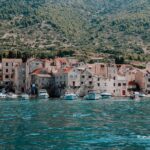
Peristyle, Protyron, and a sphinx that refuses to fade
One of the most interesting parts is how the guide uses the architecture to tell the story. Peristyle isn’t just a nice courtyard; it’s described as closely tied to temples and ceremonial behavior around the Emperor.
You’ll also get one of those Split details that makes you look twice: the 3500-year-old sphinx, preserved and still watching over the area. A guide can turn that from a random artifact into a “how did this survive and what does it symbolize” moment. If you like learning what to notice—arches, sightlines, how crowds moved—this stop is worth the price all by itself.
What you’ll actually eat: Dalmatian plates with purpose
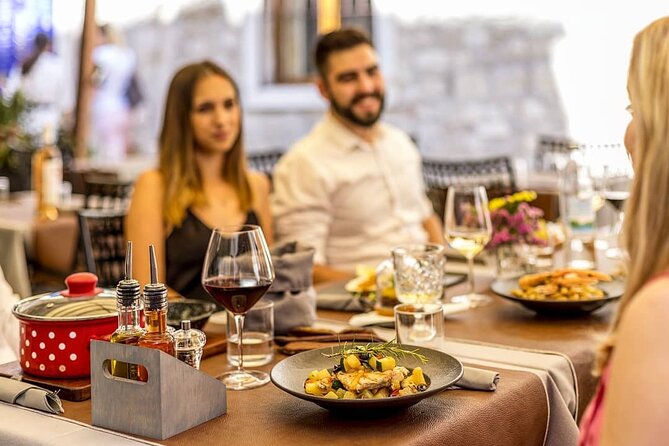
This is not a coffee-and-cookie stroll. Your meal plan is laid out as tastings across the tour, with a clear progression from starter to main to dessert. Expect the flavors of Dalmatia, often with a seafood-heavy bent.
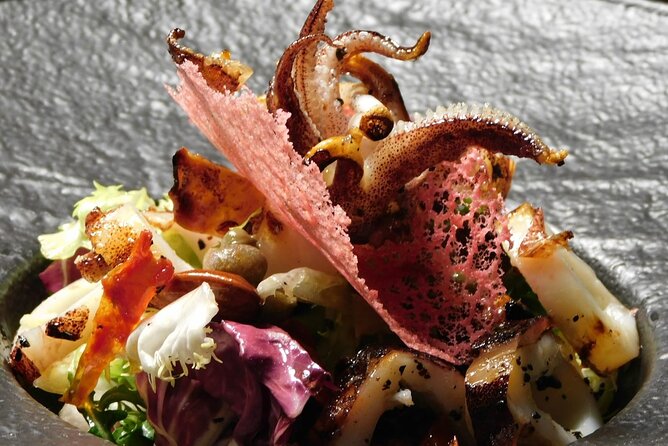
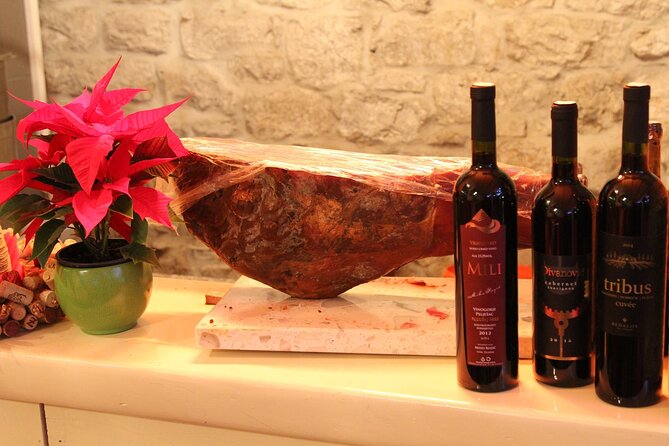
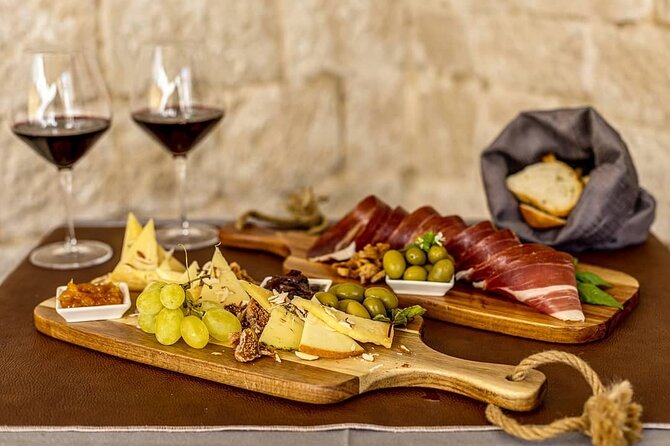
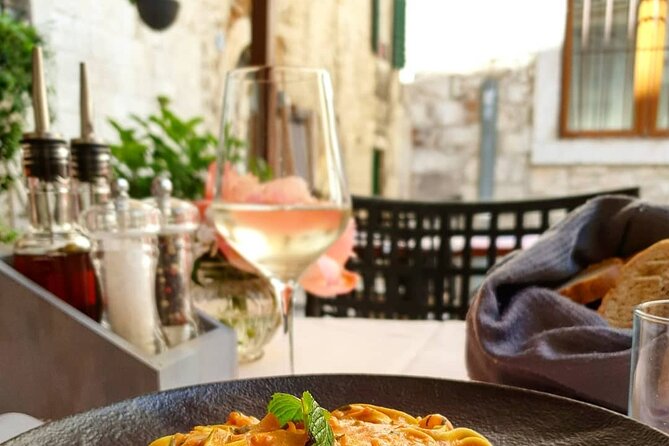
Starters can include Dalmatian cheeses and prosciutto, along with bread and wine at one of the early stops. There’s also a seafood option on the menu, such as shells and prawns. And yes, there’s Soparnik—an authentic Dalmatian pie—so you get a local dish that doesn’t need a translation to feel real.
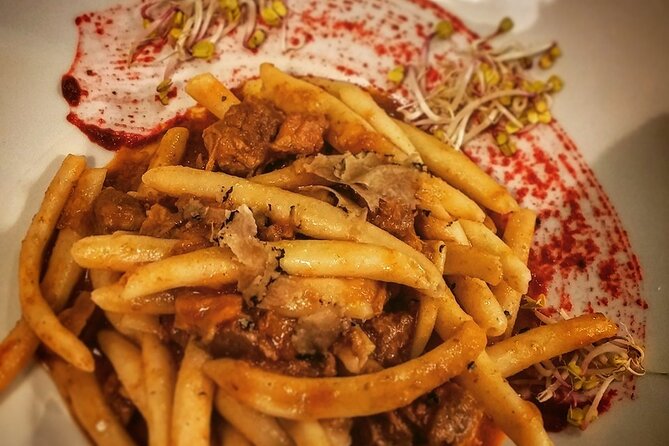
For mains, the tour can include gnocchi with Dalmatian pasticada, described as slow-cooked beef, plus brodetto. Brodetto matters here because it’s a regional seafood stew that feels tied to the Adriatic, not tourist-town imitation.
Dessert rounds it out with Dalmatian sweets and treats. This helps keep the tour from feeling like a history lecture with random bites. Instead, it feels like you’re sampling the same tastes the locals built their routines around.
Seafood storytelling: when the food and the city click
If you’re a seafood person, you’ll probably love how the tour frames it. One highlight from past guests was a stop with squid ink seafood risotto plus octopus—comfort food with a dramatic color and a very coastal feel. Another stop described tuna and monkfish dishes, which show how the Adriatic can stay elegant and bold at the same time.
There’s also an example of Adriatic fish and meat platters at a local spot paired with wine. That’s the kind of combination that makes the tour more than “try a sample.” It becomes a mini meal that helps you understand what Dalmatian dining looks like when you’re actually in the city, not just next to it.
Keep in mind: the exact restaurant dishes you land on can vary, but the theme stays consistent—seafood, slow-cooked meats, regional pies, and sweets, tied back to Split’s culture.
The guide makes or breaks a food tour
This is a private walking tour, so your guide has room to slow down, explain, and adjust. Past guides you might encounter include Ted, Lucas, Ivan, Ivana, and Jelena. They’re described as enthusiastic, with clear narration and strong city-history storytelling.
One guest specifically noted Lucas spoke clearly for a wife who is hard of hearing, which is a practical reminder that communication matters on walking tours. Another guest mentioned good accessibility in a scooter—there were only a couple steps for bathrooms. If you travel with mobility needs, you’ll still want to ask your guide what the bathroom situation is during the specific route day.
The private format also helps when time is tight. One person said the guide worked with a very narrow schedule so they could see and eat as much as possible. That flexibility is a big part of the value when you’re only in Split for a short stay.


Timing and pacing: a 3-hour loop that doesn’t drag
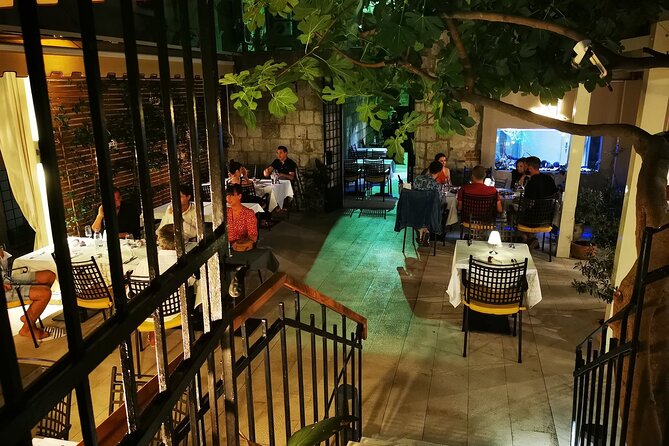
The tour runs about 3 hours, and the start time listed is 11:30 am. It ends back at the meeting point, so you’re not stuck wandering the city afterward trying to re-create your path.
In practice, expect a steady walking pace with real pauses at each tasting stop. The food portions are enough to feel like you’re getting fed, not rationed. Still, it’s smart to come with a light appetite because a few tastings in a row can add up—especially when seafood and wine enter the picture.
Bathrooms can involve some steps, so it helps to plan ahead if you need a more accessible route. Also, because it’s a walking tour, you’ll want sensible shoes even if the distance doesn’t feel huge.
Price and value: what $180 buys you in Split
At about $180.44 per person for roughly 3 hours, the price is in the “worth it if you want both food and meaning” zone. You’re paying for three things at once:
First, you’re paying for a private guide instead of blending into a big group. That matters when you want explanations tailored to the architecture around you.
Second, you’re paying for an actual meal flow—starters, mains, and dessert—rather than a few small bites. The sample menu lines up with that structure: cheeses and prosciutto, seafood starters, Soparnik, then gnocchi with pasticada and brodetto, followed by sweets.
Third, you’re paying for food guidance in a city where the best dishes are often tied to local routines. A good guide gets you into places where the food feels appropriate for what you’re learning in the street.
If you’re comparing, ask yourself what you want more: a quick sampler, or a guided experience where the history and the food talk to each other. This one leans toward the second choice.
Dietary limits: how to avoid the disappointment scenario
This tour can be amazing for many diets, but it’s not automatically guaranteed for strict restrictions based on one negative report. A guest described signing up as vegan (and gluten-free) and then running into restaurants that were not prepared, with unclear communication once the situation came up.
Here’s the practical takeaway: if you’re vegan, gluten-free, or have any serious allergy, don’t treat the description as sufficient. Confirm your needs directly with the provider at booking, and do it in writing if possible.
Also consider what you expect from the tour. If you’re flexible and just want to sample some local foods, the normal menu may still work around you. If you need strict compliance, this is the moment to double-check everything.
Logistics that matter: meeting point, mobile ticket, weather
You’ll start at the Gregory of Nin Statue on Ul. kralja Tomislava 12, in Split. The tour ends back at the same meeting point, which makes it easier to connect to your next plan—whether that’s lunch, a museum, or the ferry back out.
You’ll get a mobile ticket, and the tour is offered in English. It’s also described as near public transportation, so you should be able to reach it without a taxi if you’re already in the center.
One more practical note: the experience requires good weather. If it gets canceled due to poor weather, you’ll be offered a different date or a full refund. That’s worth keeping in mind if your Split days include rain.
Who should book this tour in Split?
Book this if you want a food experience that’s actually tied to place. You’ll likely enjoy it if you’re the type who likes learning what to look for while walking—Peristyle layout, Protyron references, and why that sphinx is still there.
It’s also a solid pick for couples and small groups because the private format keeps the pacing under control. If you care about communication during the tour, the guide setup can be a good match, based on past experiences with hearing needs.
It may not be the best fit if you need guaranteed vegan or gluten-free accommodations unless you’ve confirmed details ahead of time. For most other visitors, the tasting menu structure makes it feel full and satisfying.
Should you book Gastro and History Jewels in Split?
Yes, I’d book it if you want one of your Split highlights to combine architecture and eating, not treat them as separate activities. The Peristyle focus and the sphinx detail give you real “I learned something” moments, and the menu progression keeps the tour from feeling like a history-only grind.
Do one thing to make it smoother: if you have a strict dietary need, confirm it clearly before you go. If you do that, this tour is a strong value way to see Split on foot and taste Dalmatia in a way you can actually remember.
FAQ
What is the duration of Gastro and History Jewels in Split?
The tour lasts about 3 hours.
Where does the tour start, and where does it end?
It starts at the Gregory of Nin Statue on Ul. kralja Tomislava 12, 21000 Split, Croatia. It ends back at the meeting point.
What time does the tour start?
The listed start time is 11:30 am.
Is this tour private?
Yes, it’s a private tour/activity, and only your group participates.
What language is the tour offered in?
The tour is offered in English.
Do I get a mobile ticket?
Yes, it includes a mobile ticket.
What happens if the tour can’t run due to weather?
This experience requires good weather. If it’s canceled because of poor weather, you’ll be offered a different date or a full refund.