REVIEW · DUBROVNIK
Jewish Heritage and Other Major Sights Walking Tour
Book on Viator →Operated by Dubrovnik Walking Tours · Bookable on Viator
Jewish stories hide in plain sight. This 2-hour guided walk ties Dubrovnik’s best-known landmarks to the city’s Jewish community, with exclusive synagogue time and clear World War II context along the route. I like that you’re not just sightseeing stones—you’re learning how people lived, worshiped, and endured.
One practical catch: the Dubrovnik Synagogue entrance is extra (10 EUR) and only cash is accepted, so you’ll want to plan ahead.
In This Review
- Key things to know before you go
- Jewish Heritage and Other Major Sights: what this tour really gives you
- The cost and what you pay on the day
- Where you meet and how the walk flows
- Stop-by-stop: what you’ll see (and why each stop matters)
- Stop 1: Onofrio’s Large Fountain (your starting point)
- Stop 2: Brsalje Street and the Kosher Fountain area
- Stop 3: Franciscan Church and Monastery near Pile Gate
- Stop 4: Stradun (Placa), the main spine of the Old Town
- Stop 5: Luža Square (Luža Square) and major civic landmarks
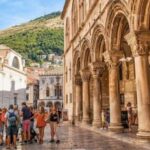
- Stop 6: Rector’s Palace
- Stop 7: Gunduliceva Poljana market square
- Stop 8: City Harbor (medieval maritime life)
- Stop 9: Dubrovnik Synagogue (the highlight)
- The guide makes the difference: what you can expect in real terms
- Timing, weather, and comfort: Dubrovnik walking basics
- Who should book this Jewish heritage walking tour?
- Should you book it?
- FAQ
- How long is the Jewish Heritage and Other Major Sights Walking Tour?
- What’s the price per person?
- What is included in the tour price?
- Is the synagogue entrance ticket included?
- Is this tour private?
- Where do we meet?
- Can I cancel for a full refund?
Key things to know before you go
- Synagogue visit included in the itinerary: one of Europe’s oldest Sephardic synagogues, with a longer stop than most city tours
- WWII context on the ground: the guide connects history to what you’re seeing in the Old Town
- Private tour format: only your group, so questions and pacing are easier to manage
- Flexible weather-handling: the tour route still works even when Dubrovnik throws rain your way
- Extra on-site payment: bring cash for the synagogue ticket to avoid last-minute stress
Jewish Heritage and Other Major Sights: what this tour really gives you
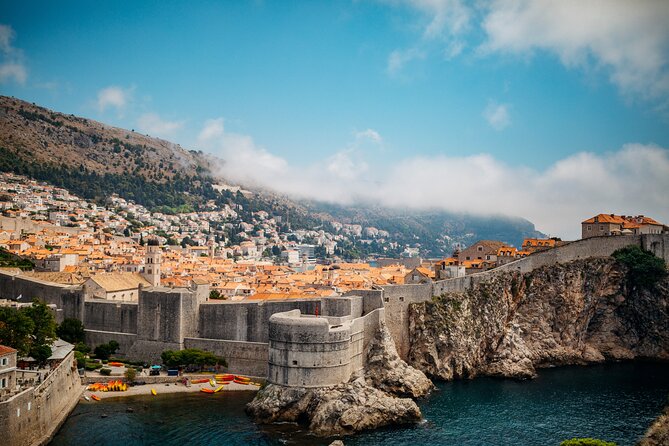
Dubrovnik’s Old Town is famous for a reason. But if you only look at the big postcard views, you miss another layer—how Jewish life shaped the city, and how Dubrovnik’s changing eras affected real people.
This tour is built like a story walk. You start at a major landmark (Onofrio’s Large Fountain), then you move through the Old Town’s key public spaces—streets, squares, and civic buildings—before you reach the highlight: the Dubrovnik Synagogue. The best part is that it doesn’t treat Jewish heritage like a side note. It keeps the focus on Jewish presence, community resilience, and the dramatic historical pressures that hit Europe in the 20th century.
And yes, you still get Dubrovnik’s greatest hits. Stradun (Placa) and Luža Square are right in the mix, with stops near major landmarks like Sponza Palace and St. Blaise’s Church. So even if you’re bringing family members who want general Old Town context, the tour doesn’t ignore that. In practice, it helps you connect the Jewish sites to the wider city layout.
You can also read our reviews of more tours and experiences in Dubrovnik.


The cost and what you pay on the day
The tour price is $126.53 per person for about 2 hours with a licensed local guide. It’s often booked around a month in advance, which usually means you’re selecting from real demand—not just leftover time slots.
What’s included:
- Licensed local guide
What’s not included:
- Synagogue entrance ticket: 10 EUR per person (cash only)
That extra synagogue fee is the main thing to budget for. If you’re trying to judge value, think of it like this: you’re paying for a guided walk across multiple Old Town landmarks plus a scheduled visit to a historic synagogue that requires its own ticket. The private format also tends to improve the experience—less waiting, fewer interruptions, and more room to ask questions.
Where you meet and how the walk flows
You meet at Onofrio’s Large Fountain, next to the Hard Rock Cafe area. Your guide has your name on paper, which is genuinely helpful in a busy tourist zone.
The tour ends back at the meeting point, so you don’t need to figure out a second location. It’s a straightforward loop through the Old Town, built around the same core corridors you’d walk anyway—just with someone explaining what you’re actually looking at and why it matters.
You’ll also use a mobile ticket, which makes check-in easy once you find your guide. Dubrovnik is compact, but the Old Town can be slick if it rains, so comfortable shoes matter.
Stop-by-stop: what you’ll see (and why each stop matters)

Stop 1: Onofrio’s Large Fountain (your starting point)
Onofrio’s Large Fountain is a loud, visual anchor—an easy place to regroup and orient. Since your meeting point is here, it also helps you sync up quickly with your guide, especially if you’re arriving from different directions.
Why it works: starting at a major landmark means you don’t waste your tour time wandering around to find the correct corner. You get to move out and start learning fast.
Watch for: it’s popular. If you arrive exactly at start time, give yourself a minute to locate your guide with the name card.


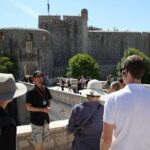
Stop 2: Brsalje Street and the Kosher Fountain area
Next you move toward Brsalje Street. This is where you’ll hear about the Jewish Fountain in Dubrovnik, also called the Kosher Fountain. It traces back to 1420 and was built in/near the Old City area around the Little Onofrio Fountain and the Bell Tower area.
Why it matters: fountains are more than decorative. They’re public infrastructure tied to daily life. When you learn that a Jewish community had its own water-related marker in the city center, it changes how you read the Old Town’s layout.
Potential drawback: fountain and street stops can feel quick. If you want extra time for photos, keep an eye on your guide’s pacing and ask politely when it’s a good moment.
Stop 3: Franciscan Church and Monastery near Pile Gate
You’ll pass by the Franciscan Church and Monastery complex near the Pile Gate. This site goes back to the 14th century and includes a Romanesque-Gothic cloister plus Baroque decoration.
Why it matters for this tour: you’re watching Dubrovnik history layer over layer. Even though this complex isn’t a Jewish site, it helps explain how different cultural and religious structures coexisted in the same Old Town frame.
Watch for: parts of the Old Town area can get crowded. If you’re traveling in high season, plan to share space in front of major facades.
Stop 4: Stradun (Placa), the main spine of the Old Town
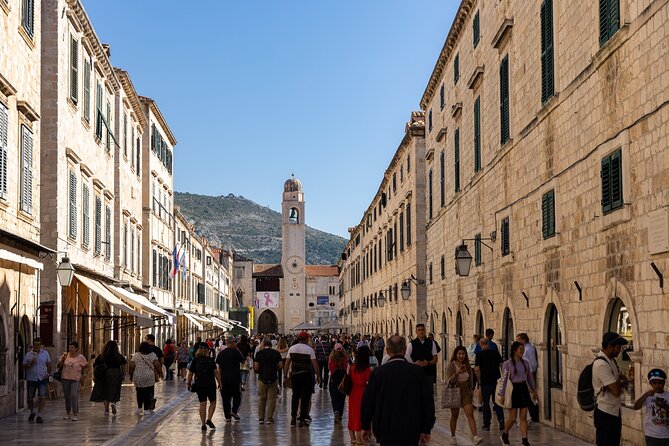
Stradun—also known as Placa—is the main street from the Pile Gate to the Old Port. It’s paved with polished limestone and lined with landmark buildings, shops, and cafés.
Why it matters: the guide uses this corridor to connect the dots between major civic life and the smaller, more specific stories—like Jewish markers that show up in the city fabric.
Photo tip: Stradun is great for wide shots. If you’re after calmer photos, aim for a brief moment when foot traffic loosens.
Stop 5: Luža Square (Luža Square) and major civic landmarks
You’ll spend time at Luža Square, the Old Town hub for cultural and social activity. It’s surrounded by key buildings such as the Church of St. Blaise, Sponza Palace, and the Orlando Column.
Why it matters: squares are where history becomes visible—who had power, where people gathered, and how city identity formed. This stop helps you understand the civic backdrop against which Jewish community life unfolded.
Time reality: the itinerary gives this stop more time than the street fountains, so you’ll likely have space to look around instead of just passing through.
Stop 6: Rector’s Palace
You’ll then look toward the Rector’s Palace, a 15th-century Gothic-Renaissance building that once served as the seat of the Rector of the Republic of Ragusa.
Why it matters: this is where Dubrovnik’s political identity comes into focus. When your guide ties this back to the city’s broader historical pressures—including the turmoil of the 20th century—it helps you see why documents, survival, and community structures mattered.
What to watch for: the palace is visually detailed. Even if you only catch a façade view, your guide will help you notice features tied to that civic role.
Stop 7: Gunduliceva Poljana market square
You’ll stop at Gundulić Poljana (Gunduliceva Poljana), a lively square named after poet Ivan Gundulić. The daily morning market sells fresh produce, spices, and souvenirs.
Why it matters: this is the Old Town’s human side. Even on a history-focused tour, seeing where locals shop and gather makes the past feel less distant.
Practical note: if your timing lands outside market hours, it can still be a good square to reset and refocus. If the market is active, you’ll get more energy in the space.
Stop 8: City Harbor (medieval maritime life)
On the east side of the Old Town you’ll reach the City Harbor, a medieval maritime hub surrounded by fortifications, including St. John’s Fortress. The harbor area is where Dubrovnik’s connection to travel, trade, and incoming influences makes sense.
Why it matters: Jewish communities across Europe often connected to trade routes and port cities. Even without forcing the point, the harbor setting gives your guide an easy way to discuss how the city’s role as a port shaped community survival.
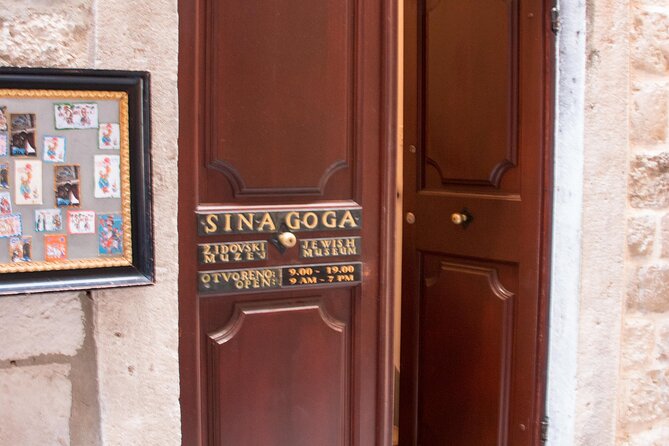
Stop 9: Dubrovnik Synagogue (the highlight)
Then comes the main event: a visit to the Dubrovnik Synagogue, one of Europe’s oldest Sephardic synagogues and the second oldest still in use. It dates to the 14th century, with official recognition in 1546. Inside, you’ll see a blend of Gothic, Baroque, and Rococo styles.
Your time here is about 30 minutes, and this stop is where the tour earns its name. The guide’s framing matters: you’re not just looking at an architectural interior. You’re hearing about Jewish community continuity and the historical events—especially those surrounding World War II—that tested that continuity.
Important logistics: this synagogue entry requires a separate ticket (10 EUR per person), and the tour notes that cash is accepted. If you forget, you’ll lose time and might not be able to go in as planned.
How to get the most from it: while you’re inside, slow down. Architectural blends can be easy to skim past if you only snap photos. Let the guide’s story guide your eyes.
The guide makes the difference: what you can expect in real terms
This type of tour lives or dies by the guide’s storytelling and pacing. The feedback I’m using to frame this review highlights two big wins.
First, Tomislava—mentioned as a guide name in one review—handled heavy rain well, keeping the experience moving and still hitting key sights. That’s a real-world skill, because Dubrovnik rain can turn streets slippery and crowds annoying fast.
Second, the tour blends Jewish heritage with general context about Croatia. That’s a practical advantage if you have mixed interests in your group, since not everyone wants only one topic.
In other words, you should expect a guide who explains what you see and helps you connect the Old Town’s big public spaces to a smaller, more personal set of stories.
Timing, weather, and comfort: Dubrovnik walking basics
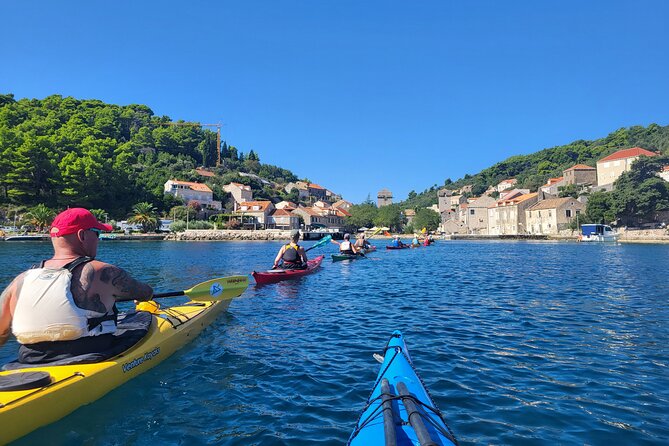
The tour runs about 2 hours, so it’s not an all-day grind. Still, you’re walking through the Old Town’s core. Plan for uneven pavement and occasional crowding.
If weather is bad, you’ll still have a functioning plan—one of the reviews specifically called out that the guide made the best of heavy rain. But you should dress for it anyway. Bring a light rain layer, and wear shoes with decent grip.
Also, start on time. This itinerary is paced with real stops, not just a wandering stroll. Arrive a bit early so your guide can match your name and you can get going.
Who should book this Jewish heritage walking tour?

This is a strong fit if:
- You want Jewish history in Dubrovnik that connects to the city’s main layout (not a standalone lecture)
- You care about context around World War II
- You like architecture and civic landmarks, and you want a reason to look at them beyond photos
- You prefer a private setup so questions and pacing feel comfortable
It also works well for families, especially if older relatives want a guided structure. One review noted that a private tour made it more comfortable for parents while still offering meaningful history.
If you’re the type who just wants the wall views, you might find the history stops a little less exciting than a pure photo route. But if you want your Dubrovnik to feel more human, this tour is a good match.
Should you book it?
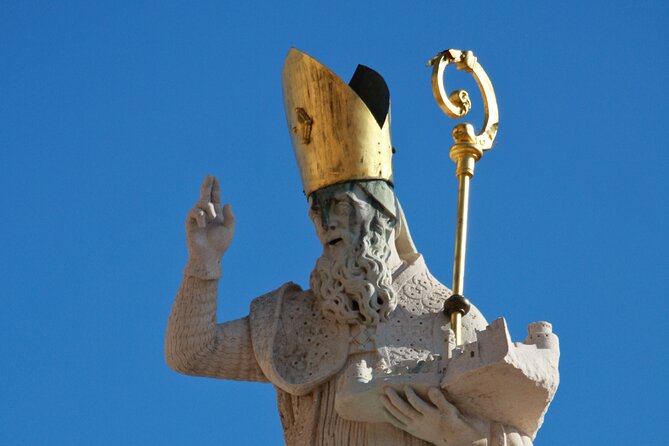
My take: yes, if Jewish heritage and WWII-era context are on your list, and if you’re okay planning for the synagogue ticket.
It’s not the cheapest thing in Dubrovnik, but you’re paying for a licensed local guide, a tight 2-hour structure, and a scheduled synagogue visit that isn’t included in standard roaming. The private format is also a value when you want real conversation instead of a headset tour shuffle.
If you don’t want to manage extra on-site payment, though, that synagogue ticket is your biggest decision point. Bring cash for the 10 EUR and you’ll remove the only real friction.
FAQ
How long is the Jewish Heritage and Other Major Sights Walking Tour?
It’s approximately 2 hours.
What’s the price per person?
The price is $126.53 per person.
What is included in the tour price?
A licensed local guide is included.
Is the synagogue entrance ticket included?
No. The synagogue ticket is not included. It’s 10 EUR per person, and only cash is accepted.
Is this tour private?
Yes. It’s a private tour/activity, and only your group participates.
Where do we meet?
You meet at Onofrio’s Large Fountain, next to the Hard Rock Cafe area. The meeting point address is Poljana Paska Miličevića 2000, 20000 Dubrovnik, Croatia.
Can I cancel for a full refund?
You can cancel for a full refund if you cancel at least 24 hours in advance of the experience start time. Free cancellation is offered up to 24 hours before start.