REVIEW · PULA
Olive Oil Guided Tasting and History in Pula
Book on Viator →Operated by Museum Olei Histriae · Bookable on Viator
One hour, and your sense of taste upgrades. In Pula’s Museum Olei Histriae, you move from Roman olive oil history to hands-on flavor practice, then finish with a dessert paired with extra virgin olive oil. I like how the experience teaches you how olive oil was made and exported in Istria, then brings you to a tasting room where you learn to spot good oil from average oil. One thing to consider: the museum portion is smaller than you might expect, and the layout can feel a bit odd if you prefer lots of interactive stations.
If you’re a foodie who wants the story behind what’s on the table, this is a friendly, low-stress way to get it. You’ll get snacks with the tasting, and the group stays small, up to 20 people, so questions don’t get lost. The whole thing runs about 1 to 1.5 hours, in English, and it circles back to the start point, so it’s easy to plug into a day in Pula.
In This Review
- Key Things to Know Before You Go
- Museum Olei Histriae: Roman Istria to Today in a Tight Time Slot
- How the Guided Tasting Teaches You to Judge Olive Oil
- The Surprise Dessert Pairing That Changes How You Think
- Price and Value: What $36.04 Really Covers
- Timing, Meeting Point, and How to Fit It Into Your Day
- Who This Tour Is For (and Who Might Want to Skip It)
- Quick Practical Notes Before You Go
- FAQ
- FAQ
- What is the duration of the Olive Oil Guided Tasting and History tour in Pula?
- Where does the tour start?
- Does the tour end at the same place?
- What language is the tour offered in?
- How big is the group?
- What’s included in the tasting?
- Is dessert included?
- What does the museum portion cover?
- What is the cancellation policy?
- Are service animals allowed?
- Should You Book This Olive Oil Tasting in Pula?
Key Things to Know Before You Go
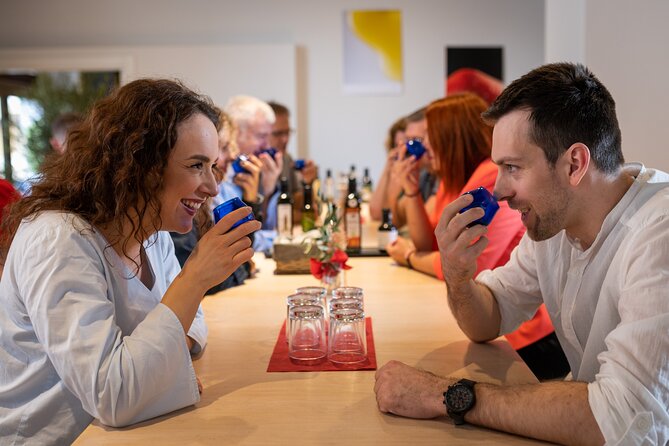
- Small group, up to 20 means more chances to ask questions during the tasting
- Roman-through-today museum with exhibits plus two short films on processing
- Sensory analysis practice so you can recognize positive and negative oil attributes
- High-quality vs supermarket comparison to help you calibrate your palate
- Dessert pairing with extra virgin olive oil shows olive oil works beyond savory
Museum Olei Histriae: Roman Istria to Today in a Tight Time Slot
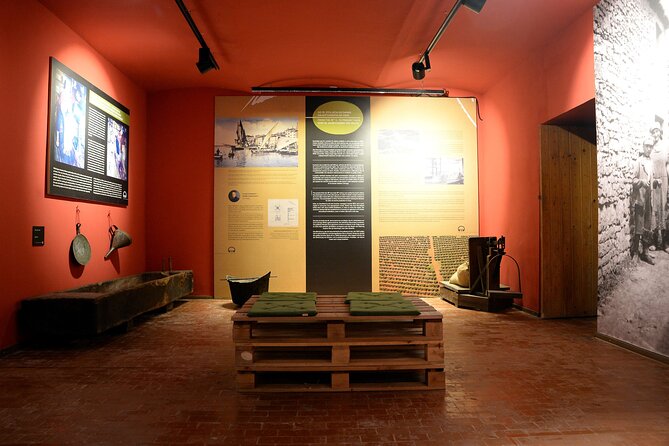
The tour starts at Istarska ul. 30, right in the orbit of Pula’s daily life. From there, you begin in the House of Istrian Olive Oil, where the focus is on making olive oil make sense historically and practically, not just romantically.
I like the way this portion gives you a timeline. You’ll see how Romans in Istria made olive oil and how it was exported. That’s a smart setup, because it explains why olive oil matters: it wasn’t only local food, it was part of trade and survival for a region built around agriculture. Then you’ll watch two short films. One covers traditional processing, and the other shows how olive oil is made today.
This is where you get your first real advantage as a visitor: you stop treating olive oil like a generic bottle from a shelf and start thinking about it as a product with methods, people, and choices behind it. That mindset makes the later tasting feel less like a chore and more like a guided lesson.
The main drawback is simple: it’s not a huge museum. If you’re expecting a long, interactive walkthrough, you might wish for more hands-on displays. The upside is that you’re not stuck. You get enough background to understand what you’re about to taste, without losing the afternoon.
You can also read our reviews of more tours and experiences in Pula.



How the Guided Tasting Teaches You to Judge Olive Oil
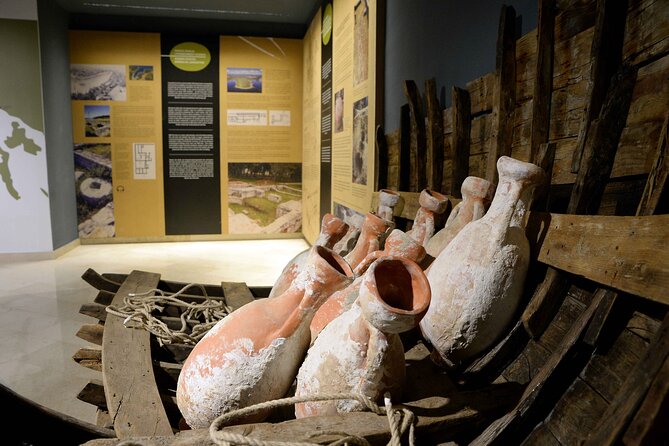
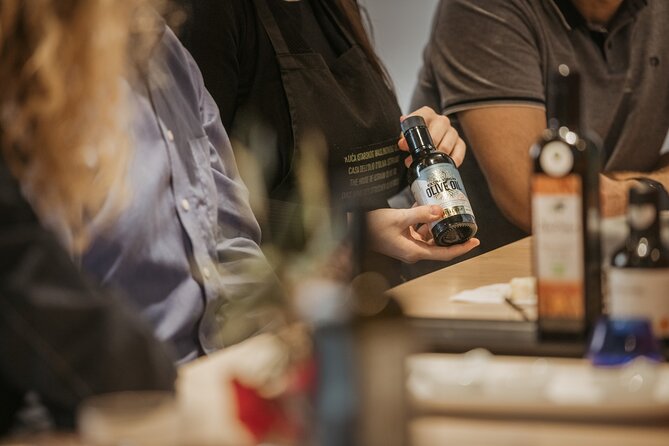
Next comes the tasting room, and this is the part most people end up talking about. You’ll do sensory analysis of high-quality Istrian olive oils, then also taste an oil like the one you’d usually find in a supermarket. That contrast matters because it turns tasting into learning, not just sampling.
Here’s what you’re practicing for:
- recognizing positive attributes
- recognizing negative attributes
- understanding why extra virgin olive oil quality is tied to the right processing and handling
- learning why polyphenols are important for health
You also get specific instruction on how to recognize good from bed olive oils. That phrase might sound blunt, but it matches the goal: leave with a mental checklist. Instead of only relying on price or label claims, you learn what to notice in aroma and flavor.
I particularly like the inclusion of polyphenols in the teaching. Many people hear about antioxidants and move on. Here, you’re pointed toward why those compounds matter, which gives you a reason to care beyond taste. It helps you connect the dots between what’s happening in the olive and what ends up in your food.
One practical tip: go in with a light stomach. The tasting is part of a one-to-one-and-a-half-hour experience that includes snacks, but your palate will still be sharper if you’re not arriving overly full. Also, take your time with each sip. The difference you’re learning is subtle. Rushing makes it harder to sort out why one oil feels brighter or more pleasant than another.
The Surprise Dessert Pairing That Changes How You Think
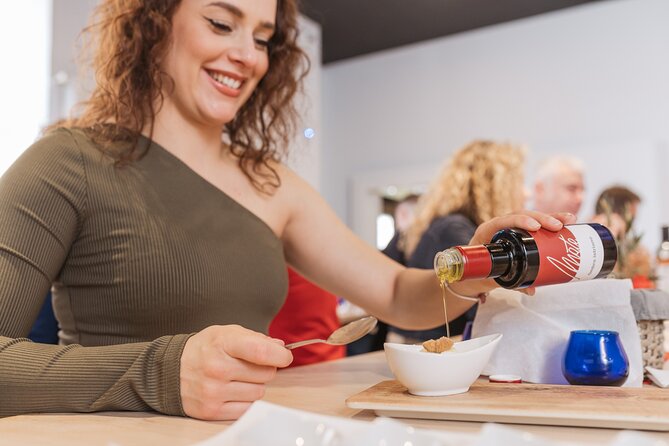
The tour ends with a sweet course: a surprise dessert paired with high-quality extra virgin olive oil. This part is easy to underestimate, because most people associate olive oil with cooking, not dessert.
But the pairing is exactly what makes the whole experience feel complete. You taste olive oil in the context of both savory culture and modern food pairing. It’s a fun reality check: olive oil doesn’t only belong in salads or on bread. When the oil quality is right, it can balance sweetness instead of fighting it.
If you tend to be cautious about mixing flavors, this is still worth it. The dessert is built around the oil, not random sweetness added on top. You’re not guessing what might work; you’re seeing a planned pairing that helps you understand how flavors interact.
Price and Value: What $36.04 Really Covers
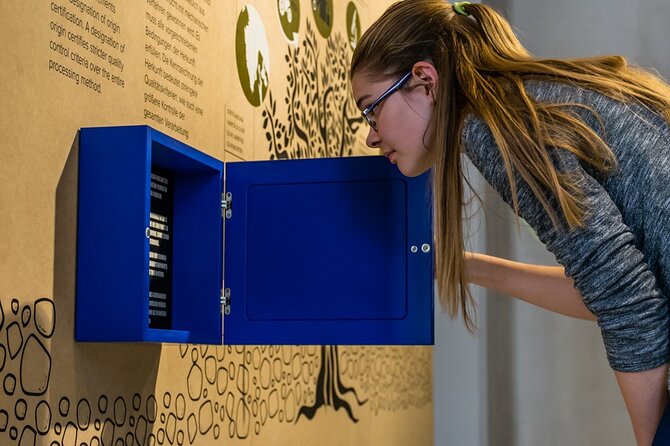
At about $36.04 per person for roughly 1 to 1.5 hours, this isn’t a bargain-style food stop, but it’s also not an inflated “fancy tasting” with vague explanations. The value is in what’s included and taught:
- museum-style exhibits on Roman production and export
- two short films on processing, traditional and modern
- sensory tasting of multiple olive oils, including an everyday-style comparison
- snacks included
- a dessert pairing with extra virgin olive oil
- English instruction
- a small group experience capped at 20 people
For me, the best value is the training part. Buying olive oil on vacation is easy. Knowing what to look for once you get home is the hard part. This tour is trying to solve that second problem by giving you language and sensory habits.
Also, it’s booked in advance quite often (on average, around 23 days ahead). That’s usually a sign of dependable demand. If you’re traveling in peak season or on a tight itinerary, it’s smart to lock it in early rather than hoping for last-minute space.
Timing, Meeting Point, and How to Fit It Into Your Day
The tour runs about one hour or up to one-and-a-half hours depending on your interest level. It’s scheduled within opening hours at the location (Monday to Saturday from 10:00 AM to 6:00 PM). Since it ends back at the meeting point, you don’t need to plan a separate pickup or second stop.
What this means for you: it’s a good use of a mid-day window when you want something indoor and structured. Pula has plenty to see, but olive oil tastings are a calmer way to learn without needing outdoor stamina.
If you’re doing other food-focused activities in Pula, consider this as your “taste education” segment. The tasting room helps you understand what you’re eating and buying later. Pair it with a market stroll or a simple meal afterward, and you’ll notice the differences more clearly.






Who This Tour Is For (and Who Might Want to Skip It)
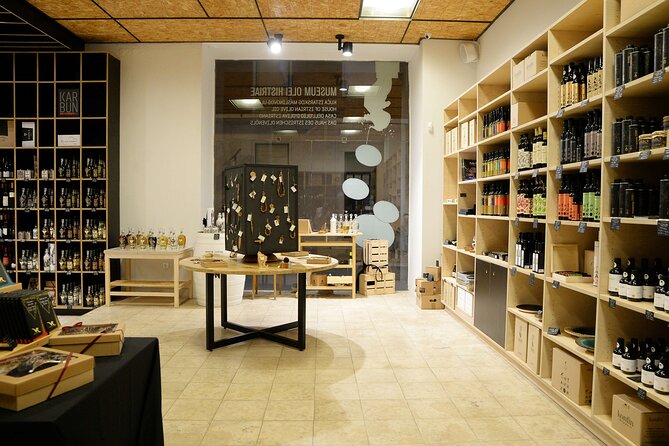
This is a strong match for:
- foodie travelers who want context, not just samples
- anyone curious about Croatian food culture through a single, meaningful local product
- people who like learning by doing, especially sensory lessons
- travelers who want a small-group activity without a huge time commitment
You might want to rethink it if:
- you’re expecting a large museum with lots of interactive displays
- you dislike structured tastings and prefer free-form wandering
- you’re only looking for a quick bite and don’t care about learning how to evaluate olive oil quality
In other words, if you enjoy food as culture and as technique, you’ll get plenty out of this.
Quick Practical Notes Before You Go

The experience uses a mobile ticket. Confirmation is received at the time of booking. It’s offered in English, and service animals are allowed. The site is near public transportation, and most travelers can participate.
If you’re picky about comfort and pace, remember the tour includes both exhibit time and tasting time. You’ll want to be ready to slow down and actually pay attention, especially during the sensory analysis portion.
FAQ
FAQ
What is the duration of the Olive Oil Guided Tasting and History tour in Pula?
It’s approximately 1 hour 30 minutes, with the full experience taking around one to one-and-a-half hours depending on your interests.
Where does the tour start?
The meeting point is Istarska ul. 30, 52100, Pula, Croatia.
Does the tour end at the same place?
Yes, it ends back at the meeting point.
What language is the tour offered in?
The tour is offered in English.
How big is the group?
The tour has a maximum of 20 travelers.
What’s included in the tasting?
Olive oil tasting is included, along with snacks.
Is dessert included?
Yes. You’ll try pairing a sweet surprise dessert with high-quality extra virgin olive oil.
What does the museum portion cover?
You’ll see how Romans in Istria made olive oil and how it was exported, plus two short films about traditional processing and how olive oil is made today.
What is the cancellation policy?
You can cancel for a full refund up to 24 hours in advance of the experience start time.
Are service animals allowed?
Yes, service animals are allowed.
Should You Book This Olive Oil Tasting in Pula?
Book it if you want to leave with more than souvenirs. This tour is built for people who want to understand Istrian olive oil quality through story and sensory practice, and it backs that up with included tasting, snacks, and a dessert pairing.
Skip it if you mainly want a big museum experience with lots of hands-on interactive space. The museum portion is smaller and more straightforward, while the tasting is the real focus.
If you’re there for food culture, and you’d like a practical way to judge olive oil beyond price and labels, this one is an easy yes.