REVIEW · PULA
Pula Essentials Walking Tour
Book on Viator →Operated by SG Turist · Bookable on Viator
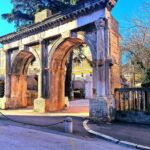
Roman gates at sunset in Pula.
This 1.5–2 hour walking tour turns familiar street corners into a story, with Roman, Venetian, and Austrian history woven through the old town. I like that it’s paced for real conversation, not just photos, and the guide can bring places to life in a way that feels easy to follow, especially with Stefano’s calm, story-driven approach.
Two things I really like: you get a guided route that hits the big landmarks (Titov Park, Forum Square, and the Arch of the Sergii) without any guesswork, and you finish right in front of the Amphitheatre de Pula so you can plan your evening in a smart way. I also appreciate the local angle, including practical tips on where to eat, drink, and explore after the walk.
One consideration: the Amphitheatre is only seen from the outside, and entrance tickets for anything you want to go inside will be on your own. Plus, the tour needs good weather, so it’s wise to wear shoes you trust and keep an eye on the forecast.
In This Review
- Key things to know before you go
- Price and what $34.99 really covers
- Starting at Tito’s Park: get your bearings fast
- Forum Square: where Roman civic life meets a modern drink spot
- Arch of the Sergii: the main Roman entrance you’ll actually recognize
- Gate of Hercules: oldest surviving gate and a clue to community life
- Twin Gates of Pula: old entrances with newer secrets
- Amphitheatre de Pula: exterior walk-by that sets up an evening plan
- The guide makes the difference: what you should look for
- Getting insider tips: how the tour helps you eat and move
- Timing: why the pre-dinner finish works
- What to bring (and what to skip)
- Who should book this Pula Essentials walking tour
- Should you book it? My honest take
- FAQ
- How long is the Pula Essentials Walking Tour?
- Is the tour offered in English?
- Does the tour include entrance tickets to the sights?
- Do we go inside the Amphitheatre de Pula during the tour?
- Where does the tour start and end?
- How big is the group?
- What if the weather is bad?
Key things to know before you go

- Licensed English guide on a route designed to make Pula’s history make sense street by street.
- Six landmark stops that focus on Roman-era entrances and civic life, then point you toward the Amphitheatre.
- Twinkling pre-dinner light timing that fits well if you want an evening plan that is also educational.
- Amphitheatre exterior only, with interior access left as your optional next step.
- Small group feel with a maximum of 30 people, which helps questions stay in the flow.
Price and what $34.99 really covers
At $34.99 per person, this is priced like a solid “evening in the city” activity rather than a museum binge. You’re paying for the licensed guide and the structure: a ready-made walking route, a clear sequence of stops, and context that you won’t get by wandering alone.
What’s not included is important for budgeting. Entrance fees for sights along the way are not part of the tour price. And the Amphitheatre de Pula stop is outside viewing only. That means you can use the tour as your orientation and story time, then decide on your own whether it’s worth paying to go in.
For value, I’d think of it like this: you’re buying explanation. If you enjoy learning while walking—especially when it connects architecture to the people who used it—you’ll get more than your money’s worth. If you only want sightseeing with zero talking, you might want to skim the idea and focus on spending your time inside the big sites instead.
You can also read our reviews of more tours and experiences in Pula.



Starting at Tito’s Park: get your bearings fast
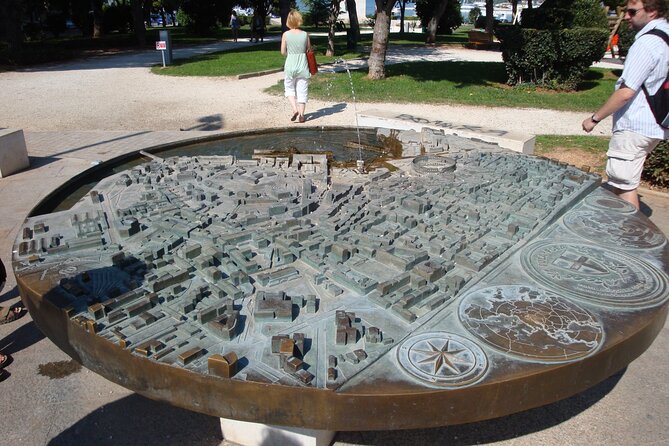
You’ll meet at Tito’s Park (Carrarina ul. 9). The start matters because Tito’s Park helps set the mental map for the walk: you get a brief intro to the old town layout and the role this area plays in Pula’s story.
This opening stop is also where the tour’s tone clicks. It’s not rushed. The guide frames what you’re about to see—Roman civic space, major entrances, and the way later eras layered onto the city. It’s a good way to avoid the common problem of staring at stone and thinking, Okay, but what did this do?
Practical tip: arrive a few minutes early. Even with a short intro, being on time keeps the group moving smoothly and leaves you with an unhurried pace instead of a sprint.
Forum Square: where Roman civic life meets a modern drink spot
Next is Forum Square, the centerpoint of Roman life in the days when Pula’s power and culture were on full display. Today, it’s also described as a bar-covered place—so the tour doesn’t just hand you history, it gives you a sense of how this square still functions.
Why I like this stop: Forum Square is one of those places where you can see how a city keeps reusing the same space. The tour helps you connect the past to what you can do now—grab a drink, take a break, and still feel grounded in what you’re looking at.
Possible drawback: if you’re sensitive to noise, this is the kind of area where evening energy can be louder, especially near places people naturally choose for drinks. It’s not a deal-breaker, just something to plan for.
Arch of the Sergii: the main Roman entrance you’ll actually recognize
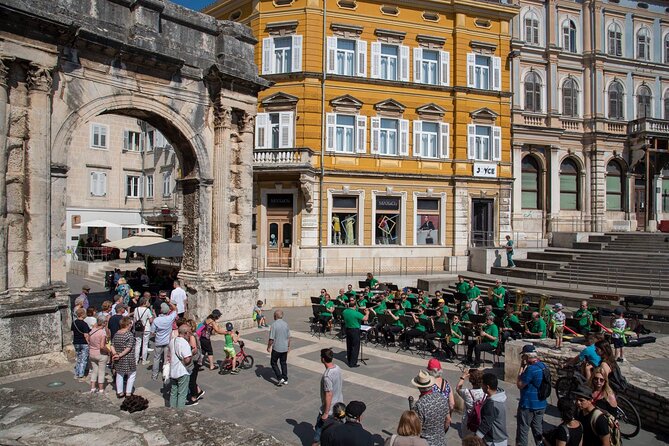
Then you reach the Arch of the Sergii, described as the main entrance to the old Roman town and also a modern meeting point. That combination is gold for a walking tour: it means you get landmark power and practical orientation in one spot.
This is where the guide’s storytelling really earns its keep. An arch isn’t just decoration; it’s a statement about movement, access, and status. By the time you’re standing under it, you’re not just seeing stone—you’re understanding why people cared about the route into town.
Good for: first-time visitors who want to stop feeling like they’re guessing their way through the old streets.
Gate of Hercules: oldest surviving gate and a clue to community life
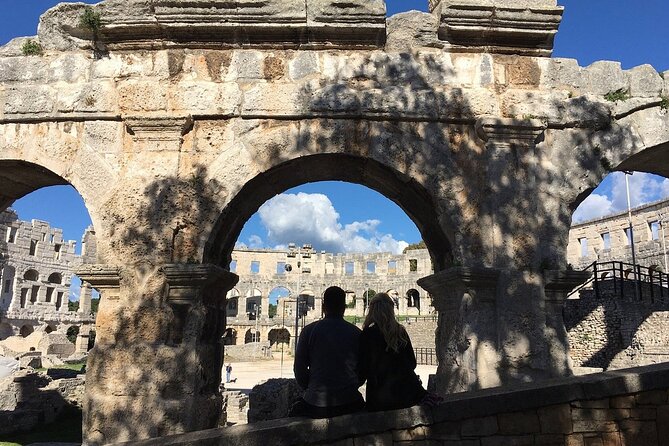
The tour moves to the Gate of Hercules, noted as the oldest gate still standing. It’s also tied to access to the Circolo, described as the Italian community’s social club.
This stop works because it doesn’t treat the city as a closed museum. Instead, you get a sense of how older structures stayed relevant and how later communities shaped the way the city is used.
If you like history that includes people—not just dates—this is a great moment. You’ll likely find yourself looking at details more closely after the guide points out the significance.






Twin Gates of Pula: old entrances with newer secrets
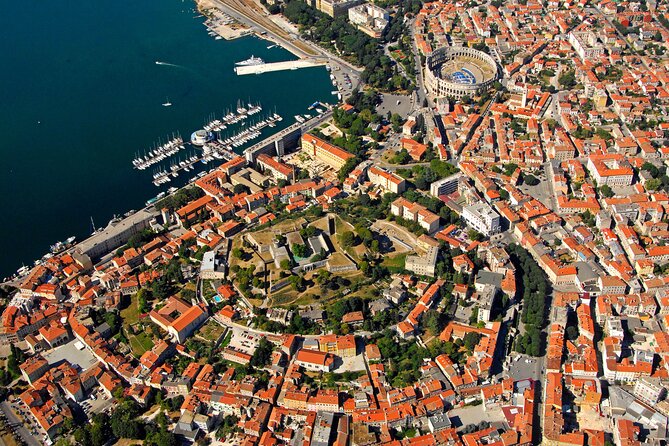
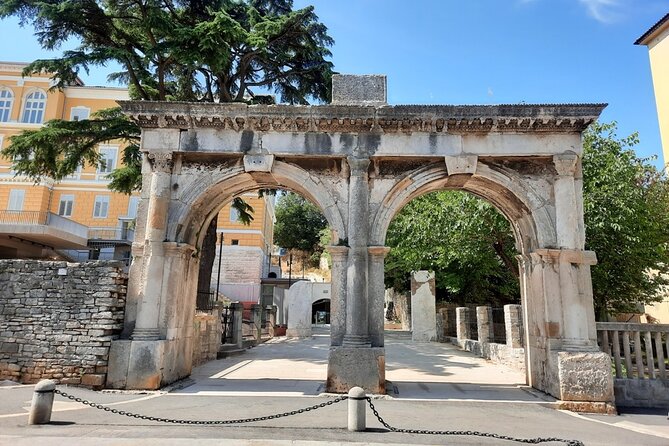
Next are the Twin Gates of Pula, described as majestic entrances to the old town that hide secrets from more recent pasts. Even with a short time here, this is a memorable stop because it’s visual and dramatic: two gates, a clear sense of entry, and a feeling that something important happened here.
This is one of those stops where photos come naturally, but the guide’s context keeps it from becoming only a picture moment. You’ll understand the gates not as random architecture but as part of a system—how people came in, where they went, and what the city wanted to signal.
Amphitheatre de Pula: exterior walk-by that sets up an evening plan
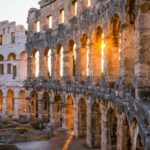
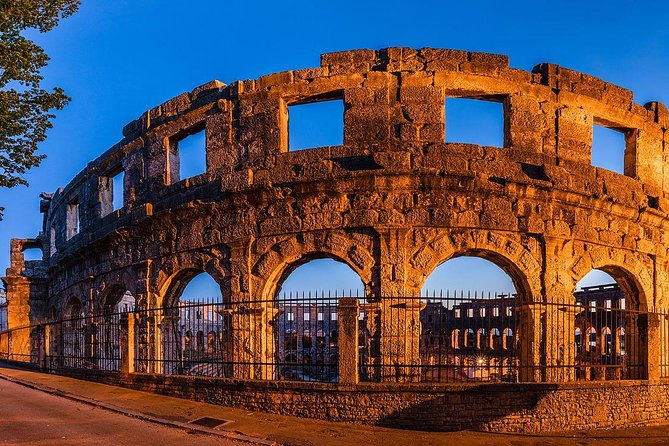
The tour finishes at the Amphitheatre de Pula. You’ll walk around the external walls for a peek, then the tour ends in front of the main entrance for tourists who want to continue with an interior visit.
Here’s the key detail: you don’t go inside during the tour. That means the stop is shorter and more focused. You’ll get the scale, the setting, and the atmosphere from the outside, then you decide whether paying for an interior visit makes sense for your time and budget.
I like this finish for two reasons:
1) You end at the one place most people want to see, so your day doesn’t feel like you’re chasing your main attraction at the end.
2) It keeps your evening flexible. Once you’re there, you can pair the amphitheatre with nearby dinner plans without losing the momentum of the walk.
If you’re traveling with family, this finish also helps. Kids often handle a “walk around and look closely” moment better than a long guided ticketed entrance process—while still feeling like they saw the big thing.
The guide makes the difference: what you should look for
A big chunk of what makes this tour succeed is the style of the licensed guide. In English, guides like Stefano are described as engaging, patient with questions, and willing to explain details when something doesn’t click right away.
That matters because Roman and later-era history can sound abstract until someone connects it to what you can see. When the guide answers questions during the route, you leave with a clearer mental map and a better understanding of why each spot mattered.
One more practical note from real-world experience: weather can turn. If it’s raining during your slot, you’ll still have a guided path and explanations to keep the time worthwhile. Bring a light rain layer if there’s a chance of showers.
Getting insider tips: how the tour helps you eat and move
This is not just a “look at monuments” route. You also get insider advice for where to eat, drink, and explore. That’s valuable on an evening tour because it helps you translate what you learned into plans you’ll enjoy right after.
In real terms, that often means you’ll be less stuck in the tourist-feedback loop—more likely to choose a meal that fits your pace and your schedule. And since the amphitheatre finish is near your next move, the tips land at the right time.
Timing: why the pre-dinner finish works
The tour is typically 90 minutes to about two hours. That’s a sweet spot in Pula: long enough to get meaningful context and multiple landmarks, short enough that you don’t feel like you’re eating your whole evening.
The route is also built so you’re not stuck in one area. You start in Tito’s Park, work your way through Roman civic points and entrances, then end at the amphitheatre. It’s a smooth arc that helps you see how the old town holds together.
If you like to travel light on planning, this format is great. You’ll get your structure from the tour and then decide the rest on the spot.
What to bring (and what to skip)
This is a walking-focused tour with up to 30 people. Plan for continuous time on your feet. Wear comfortable walking shoes—you’ll want support, because you’re moving between several key stops and finishing at a major monument.
What to bring:
- Water, especially in warmer months
- A light layer for evening air changes
- A rain layer if the forecast looks iffy
What to skip:
- Expecting Amphitheatre interior access during the tour
- Assuming entrance fees are covered
If you decide you want to go inside the amphitheatre afterward, build that into your timing and budget.
Who should book this Pula Essentials walking tour
This is a strong match if:
- You want a short orientation walk that turns into a better trip overall
- You enjoy Roman architecture and civic history, but also want context for later eras
- You’re traveling with kids or family members who do better with a calm pace and plenty of chances to ask questions
- You like ending near a major attraction so dinner and the next activity are easy
It might be less ideal if:
- You only want ticketed museum-type time inside major sites
- You dislike guided talking and prefer self-guided wandering
- You’re visiting during a period where weather could be persistently rough and you’d rather avoid any risk of a weather-related change
Should you book it? My honest take
If you want an evening in Pula that gives you both big sights and real context, I think this tour is an easy yes. The route hits the landmarks that most people want to see, and the guide style—especially in English—helps history feel like it belongs to the street you’re standing on.
The main reason to hesitate is also clear: the amphitheatre stop is outside only, and entrance fees are not included. But if you’re the type who enjoys orientation and then choosing what to do next, ending at the Arena main entrance is exactly the right payoff.
Book this if you want to get your bearings quickly and leave with Pula’s Roman-to-modern story in your head—while still having time for dinner and whatever comes after.
FAQ
How long is the Pula Essentials Walking Tour?
It runs about 1 hour 30 minutes to 2 hours.
Is the tour offered in English?
Yes, it’s offered in English.
Does the tour include entrance tickets to the sights?
No. Entrance fees are not included, and sights are generally viewed as part of the walking route.
Do we go inside the Amphitheatre de Pula during the tour?
No. The Amphitheatre is only seen from the outside during the tour. You can continue with an interior visit on your own.
Where does the tour start and end?
It starts at Tito’s Park (Carrarina ul. 9, Pula) and ends at Flavijevska ul. 3, in front of the Amphitheatre main entrance.
How big is the group?
The tour has a maximum of 30 travelers.
What if the weather is bad?
The experience requires good weather. If it’s canceled due to poor weather, you’ll be offered a different date or a full refund.