REVIEW · MAKARSKA
Red (Wine Tasting) Tour
Book on Viator →Operated by Natural Hvar Tours · Bookable on Viator
Wine here comes with stories and thin-soil vineyards. This Hvar red wine tasting runs as a small-group half-day outing (4–6 hours) with pickup, guiding you away from the busiest port mood and into vineyard hills, cellars, and family production on Croatia’s sunny Adriatic side.
What I like most is the balance: you get the touring part (views, roads that actually show you the island) plus the drinking part (wine tastings that come with explanations). I also love the way the evening’s built around family-led cellar visits and homemade refreshment drinks, not just branded bottles lined up for quick sipping.
One thing to consider: it starts at 3:30 pm, so you’ll want to plan your dinner later and expect an afternoon that runs right up toward evening. If you’re sensitive to winding roads and uneven ground near vineyards, wear sturdy shoes and keep water handy.
In This Review
- Key highlights to watch for
- Why this Hvar wine tour feels real, not staged
- Pickup, timing, and the small-group advantage
- Leaving the busy coast: the road and the first taste of island life
- Winery cellars: production process, not just pouring
- The family konoba stop: traditional small-producer stories
- More than wine: homemade drinks and bites
- Indigenous vines and the vineyard trail thread
- Price and value: what $186.24 buys you
- Who should book this tour (and who might want a different style)
- Should you book the Red (Wine Tasting) Tour on Hvar?
- FAQ
- How long is the Red (Wine Tasting) Tour?
- What time does the tour start?
- Is pickup included?
- How big is the group?
- Is the tour offered in English?
- Is there an age requirement?
- What tastings are included?
- Can I cancel for a refund?
Key highlights to watch for
- Pickup right where you stay for an easy start
- Max 8 people for a more personal pace and real conversation
- Hvar wine trails plus Stari Grad area views to get out of the port grid
- Winery cellars and a family “konoba” showing traditional, smaller-producer methods
- Tastings that often include more than wine (like homemade drinks, and sometimes olive oil and bites)
- Indigenous vine varieties tied to the island’s long cultivation traditions
Why this Hvar wine tour feels real, not staged
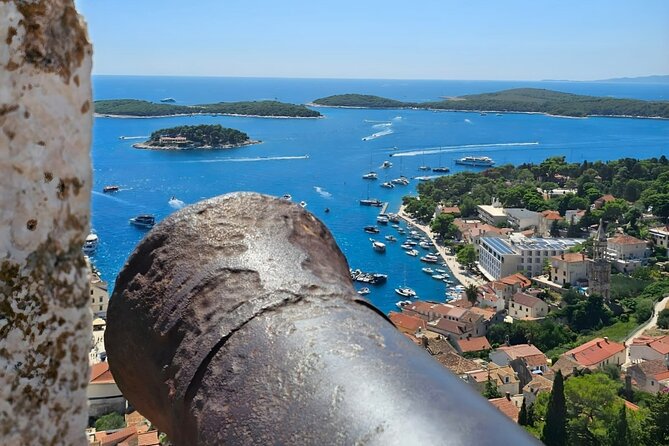
This tour is built around the way wine actually happens on Hvar: vineyards first, then cellars, then the people who keep the craft alive. Instead of a “hold your glass up for the camera” flow, you’re guided along wine-growing hills and through places where the work still matters.
A big reason it works is the tone. The guiding style you’ll get (from Natural Hvar Tours, with Grgo at the center of it) tends to connect the dots between what you see outside and what you taste inside. You’re not just handed a menu of wines. You’re walked through why grapes grow where they do, how cultivation is shaped by local soil, and how production is done by hand and tradition as much as by technique.
You also get a sense of the island’s priorities. One of the strongest themes in the experience is conservation-minded thinking—how agriculture is surviving against pressures like tourism and climate change. It’s not preachy. It just shows up in the stories you hear and the way the visit slows down when you reach family properties.
You can also read our reviews of more tours and experiences in Makarska.


Pickup, timing, and the small-group advantage
The start time is 3:30 pm, and pickup can be at your accommodation. That matters more than it sounds. When you’re on a small island, the last thing you want is to spend the afternoon “trying to find the meeting point.” Pickup makes it feel like the day is already arranged.
Duration is listed as 4–6 hours, so this is a proper half-day plan, not a quick stop with a couple sips. You’ll end after tastings and village/family time, with the expectation that your evening is free again—just not free enough to pretend you didn’t drink anything.
Group size is also capped at 8 travelers, which usually means you can ask questions, hear details clearly, and keep the pace from turning into a factory tour. The small number is especially helpful here because the explanations are part of the product. When you can actually hear the story, the tasting makes more sense.
You’ll also have the practical items covered:
- English-language guide
- Mobile ticket
- Confirmation you should receive within 48 hours (when booking is confirmed and availability allows)
Leaving the busy coast: the road and the first taste of island life
A big part of the experience is the ride itself. The route tends to show you parts of Hvar that aren’t part of the typical port stroll. In particular, you may swing through areas that feel calmer and more agricultural than the ferry-and-shops zone, with stops that help you understand how people live next to vineyards.
You might also pass through or near historic town areas like Stari Grad, which gives context fast. Even if you’re not spending hours walking the streets, seeing those older settings helps you connect modern vineyard cultivation with the long continuity of wine culture here.
This segment isn’t just sightseeing. It sets up why the tasting matters. When the guide talks about how vineyards were planted and maintained over centuries—on thin, meager soil—the landscape stops being “pretty background” and starts becoming an explanation.
Winery cellars: production process, not just pouring
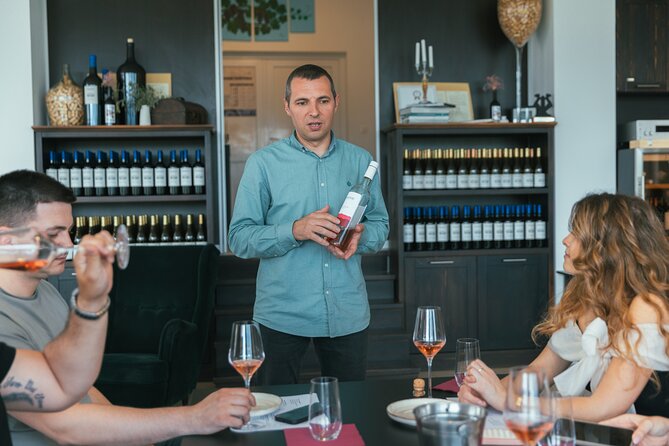
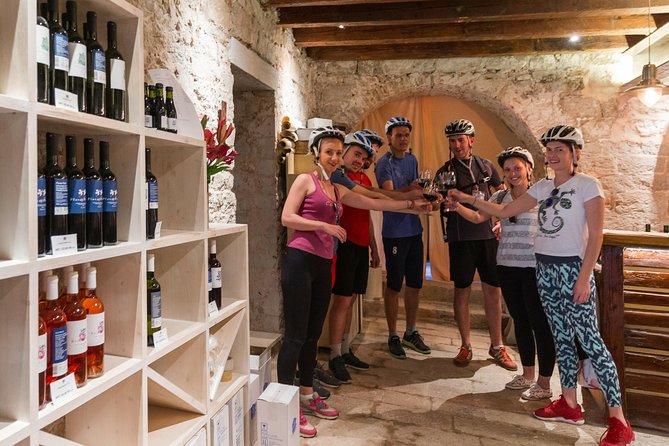
Once you’re in the winery portion, the tour shifts from “how the island looks” to “how the wine is made.” The experience is designed to take you to cellars of winemakers, where you’ll learn about the production process and the specific traits of the wines.
In a typical flow, you’ll visit at least two winery stops. One winery stop may focus on a more established production setting, while another can lean more personal—especially when the day includes family connections. In the tastings, you’re likely to sample several local wines, and you may also see how the winery approach changes bottle to bottle.
One practical detail: cellars and tastings can get warm, even in the late afternoon. So take your time, pace yourself, and listen for the “how” and “why” behind each wine rather than trying to judge everything at once.
The family konoba stop: traditional small-producer stories
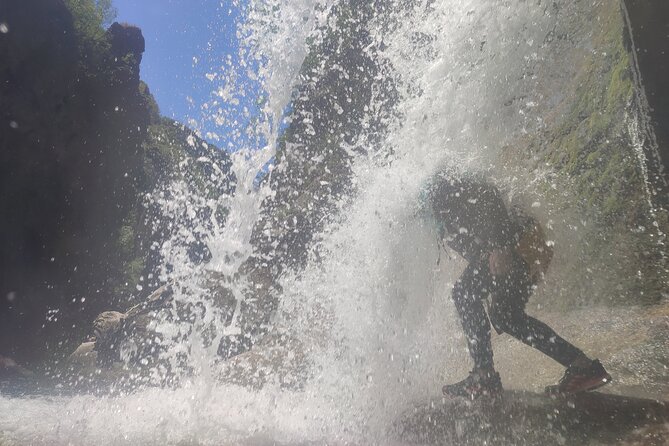
The tour includes a stop at an old family konoba, centered on traditional preparation and small-farm methods. This part is one of the best “why Hvar wine tastes different” pieces, because it shifts from vineyard science to lived family knowledge—stories told by elders and people who grew up around the work.
If you’re the kind of person who likes your travel with context (and not just a checklist), this is the moment that usually makes everything click. It’s where the day becomes less about tourism and more about community practices: how wine-making fits into daily life, how families preserve knowledge, and why tradition continues even when the island is changing.
This is also where the tour often feels comfortably local. The konoba setting tends to reinforce the tour’s overall theme: wine is a craft passed down, not only a product sold by the glass.



More than wine: homemade drinks and bites
The highlight list includes sampling wine and then quenching thirst with homemade refreshment drinks. In practice, the day can also include other locally made small tastes—often alongside the wine samples—so you’re not only relying on palate fatigue after multiple pours.
You may also encounter olive oil as part of the tasting experience, and the visit can include family-prepared sweets. One standout detail from the experience is the presence of cookies made in the home setting, plus snackable extras that can turn into a full-on “how did we eat that fast” moment.
A smart way to handle this: treat it like a paced meal.
- Start with lighter pours first (if you get the choice).
- Take a pause after the red tasting portion if you want to keep your palate sharp.
- Sip water between rounds when the day slows down in a cellar.
This tour style works best when you let it be leisurely. The point isn’t to “finish the flight.” It’s to enjoy what you’re learning as you taste.
Indigenous vines and the vineyard trail thread
Hvar’s wine story here isn’t generic. The tour includes learning about indigenous (original) vine sorts that have been part of the area since ancient times. That detail matters because it helps you taste with context instead of guessing.
You’ll also be guided along Hvar wine trails—the walking/road-through part of the day—where the guide can connect cultivation traditions to what’s happening with the grapes now. With centuries of plantations and the reality that the vines grow on challenging soil, you start to understand why winemakers focus on certain grape characteristics and cultivation methods.
If you care about terroir but hate the pretentious stuff, this is a good middle ground. You get real explanations, and the indigenous-vine angle keeps the tasting from feeling interchangeable with any other Mediterranean wine stop.
Price and value: what $186.24 buys you
At $186.24 per person, you’re paying for a small-group, guided experience that combines:
- Pickup from where you’re staying
- A half-day program (4–6 hours)
- Multiple wine stops plus a konoba moment
- Guided explanations in English
- Tastings that can include homemade drinks and other small local bites
Does that price make sense? For me, it does if you want fewer people, more access, and a day that focuses on family-run production rather than a big commercial tasting room where you’re one face in a crowd.
You’re also paying for time. A good wine tour isn’t only the cellar minutes—it’s the road, the stories, and the slow pacing that lets you ask questions. The maximum of 8 people is part of that value.
If you’re traveling with a tight schedule and you only want a quick taste, you might get cheaper wine samples elsewhere. But if you want the “how the island makes wine” story, this one’s priced like an experience, not a souvenir.
Who should book this tour (and who might want a different style)
This works especially well if:
- You want wine tasting with place-based storytelling, not just sampling
- You like small groups and conversation
- You’re curious about traditional production and original local vine varieties
- You appreciate family-led hospitality (the tour’s tone is very personal)
You might think twice if:
- You prefer a very early start and long beach downtime in the afternoon
- You don’t want to spend hours in a car/around uneven vineyard settings
- You only want red wine and nothing else—this day is structured around a range of tastings and local food/drink pairing moments
Should you book the Red (Wine Tasting) Tour on Hvar?
If your idea of a great Hvar afternoon is “wine, yes, but also the island behind the wine,” then I’d book it. The biggest selling points are the small-group size, the 3:30 pm pickup convenience, and the way the day connects vineyard cultivation to cellar production and family tradition—especially with the konoba stop.
I’d skip it only if you want a super quick tasting or you’re not into guided, story-driven tours. Otherwise, this is the kind of tour that leaves you with bottles in hand and a clearer mental picture of how Hvar wine actually gets made.
FAQ
How long is the Red (Wine Tasting) Tour?
The tour lasts about 4–6 hours.
What time does the tour start?
The start time is listed as 3:30 pm.
Is pickup included?
Yes. Pickup can be in front of your accommodation.
How big is the group?
The tour has a maximum of 8 travelers.
Is the tour offered in English?
Yes, it’s offered in English.
Is there an age requirement?
The minimum age is 18 years.
What tastings are included?
You’ll sample wine, and the tour also includes homemade refreshment drinks. You’ll also visit wineries and an old family konoba as part of the experience.
Can I cancel for a refund?
Yes. You can cancel up to 24 hours in advance for a full refund.