REVIEW · SPLIT
Split City Walking Tour
Book on Viator →Operated by Divine Croatia · Bookable on Viator
Roman Split makes sense on foot. This 2-hour small-group walk in Split strings together Christian and Roman remains, with time set aside to look closely (and not get rushed). You’ll choose a morning or evening slot, grab a mobile ticket, and follow a guide who knows how to turn streets into a story.
I really like the stop-by-stop pacing. Each location gets a focused window to see key details, then you move along with minimal hanging around. I also appreciate that entry tickets for the major sights are free, so the value is in the guide and the route rather than paying again at the door.
One thing to plan for: churches and select museums enforce a strict dress code. If you show up with uncovered shoulders or bare knees, you risk being refused entry, which can throw off the flow of the tour.
In This Review
- Key things that make this tour worth your time
- Split in two hours: the pace and purpose
- Start point to finish point: where you’ll meet and walk
- Stop 1: Cathedral of Saint Domnius and the Roman-to-Christian twist
- Stop 2: Temple of Jupiter and what Roman remains feel like
- Stop 3: Diocletian’s Palace Peristyle, the center of it all
- The guide is the difference: attention, energy, and momentum
- What the route adds beyond the three headline stops
- Dress code and smart-casual reality checks
- Price and value: is $94.12 per person fair?
- Who this tour suits best (and who might skip it)
- Practical tips so the tour goes smoothly
- Final verdict: should you book this Split City Walking Tour?
- FAQ
- How long is the Split City Walking Tour?
- What does the tour cost?
- Is the tour offered in English?
- How many people are in a group?
- Where does the tour start and end?
- What are the main stops on the tour?
- Are admission tickets included?
- What should I wear?
- Can I choose a morning or evening tour?
- What happens if the tour is canceled or I need to cancel?
Key things that make this tour worth your time
- Small group vibe (max 15): more attention, less bottlenecking at the stops
- Free entry at the big sights: Cathedral of Saint Domnius, Temple of Jupiter, and Diocletian’s palace Peristyle
- Two timing options: pick a morning or evening excursion that fits your day
- Built around three major layers of Split: Roman power, then Christian reuse, then palace life around the Peristyle
- A route with meaningful side sights: you’ll pass places like Trg Braće Radić and the remains of a Benedictine monastery
Split in two hours: the pace and purpose
This is the kind of tour that helps you get your bearings fast—without trying to cover everything in Split. In about two hours, you’ll move through the city on foot and focus on three big stops that show how Split changed over time.
The small-group size matters. With a maximum of 15 people, it’s easier to hear explanations and easier for the guide to steer you away from confusion—especially at older sites where paths can feel chaotic at first.
You’ll also get the comfort of a guided structure. Instead of wandering and guessing what you’re looking at, you follow a plan that points you to the details worth your time.
You can also read our reviews of more tours and experiences in Split.


Start point to finish point: where you’ll meet and walk
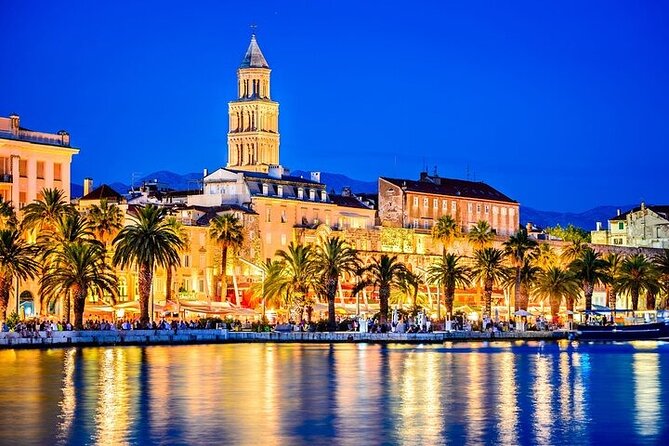
You start at Ul. kralja Tomislava 15, 21000, Split, Croatia. The tour ends at Diocletian’s Palace in the 21000 Grad area.
Knowing this helps you plan the rest of your day. If you’re staying near the Old Town side, you can usually pair this with other walkable sights afterward. It also means you’re not relying on hotel pickup, so you’ll want to arrive a few minutes early and be ready to start.
The meeting spot is near public transportation, which makes it simpler if you’re using buses, ferries, or a mix of transit during your stay.
Stop 1: Cathedral of Saint Domnius and the Roman-to-Christian twist
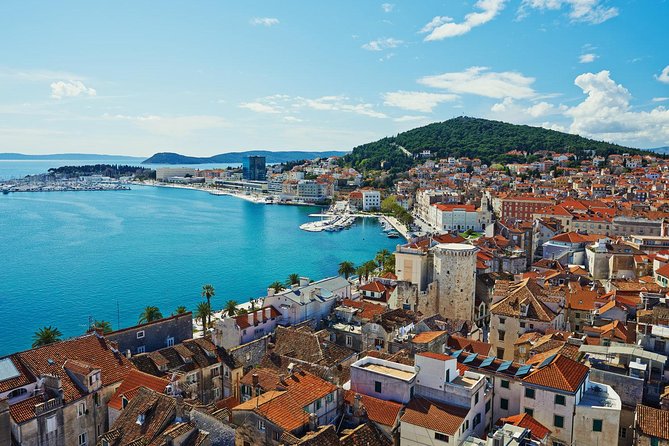
The first stop is the Cathedral of Saint Domnius. It’s a fascinating place because it began as a Roman mausoleum—then later became a Christian church—so you’re looking at two eras folded into one setting.
You’ll get around 10 minutes here, plus a quick introduction to what you’re seeing. That short time works well if you want the big idea without turning the visit into a long museum-style detour.
Practical note: since this is a place of worship, the dress code rules apply. Plan on covered knees and shoulders for both men and women, or you might get turned away. Comfortable shoes also help, since you’ll likely be standing and shifting position to get the best sightlines.
Stop 2: Temple of Jupiter and what Roman remains feel like
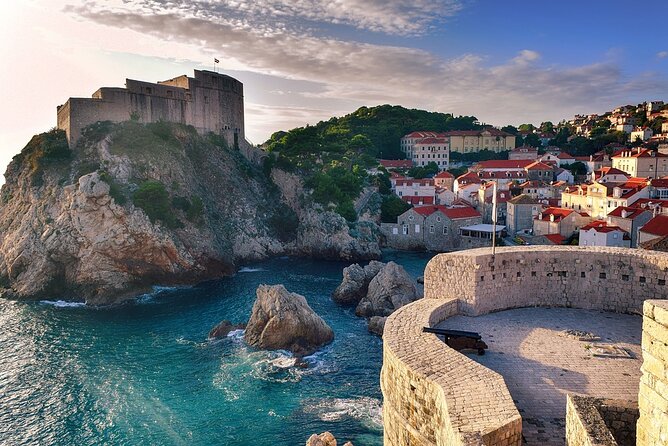
Next up is the Temple of Jupiter, where you’ll spend about 15 minutes. This stop is about Roman heritage—the kind you don’t just read about. You’re in the middle of it, seeing how a powerful past still shows up in the city’s layout.
This is a good moment in the tour because it resets your thinking. After the Cathedral’s Roman-to-Christian transformation, the Jupiter Temple helps you look at the Roman thread directly—so you can compare what changed and what survived.
Drawback to consider: Roman sites often involve uneven footing and tight corners. If you’re someone who dislikes lingering at edges or stone steps, it can help to keep an eye on the guide and be ready to move when the group does.
Stop 3: Diocletian’s Palace Peristyle, the center of it all
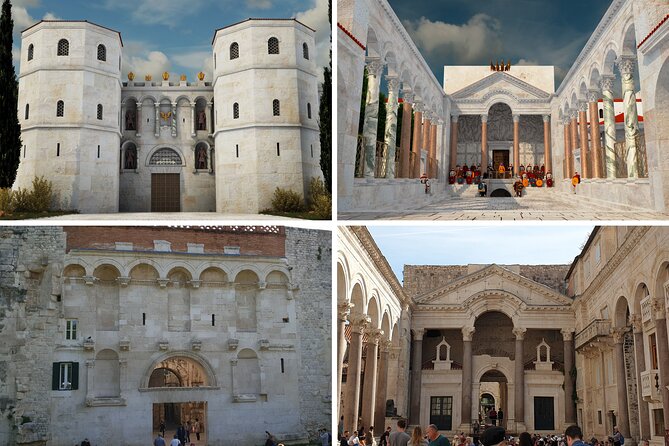
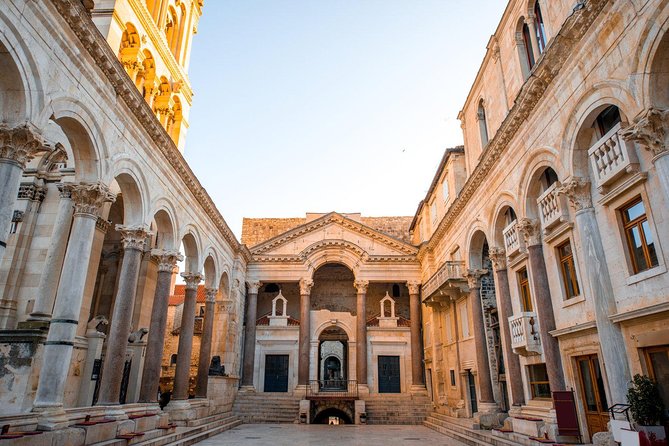
The final stop is the Peristyle of Diocletian’s Palace, also called the Peristil. This is the heart of the palace, and you’ll spend about 15 minutes here.
What makes this stop valuable is how it connects everything you’ve just seen. The Cathedral gave you a Roman-to-Christian transformation. The Jupiter Temple emphasized Roman heritage. The Peristyle ties the two themes together by showing the former emperor’s palace spaces—the center of power that later became part of daily life and religious use.
If you like places where you can picture how people moved through a complex, this is where the tour pays off. The Peristyle is the kind of stop where the architecture helps your brain build the story fast.
Admisssion note: entry tickets for the sites on the itinerary are marked as free, so you’re not paying additional entrance fees at the main points. That makes the 2-hour structure feel even more efficient.




The guide is the difference: attention, energy, and momentum
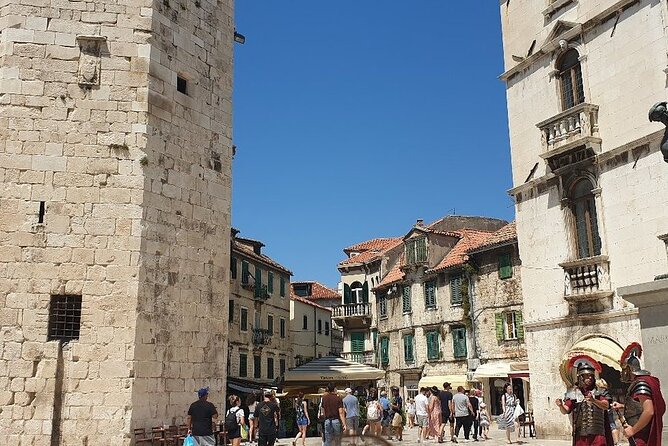
A walking tour lives or dies by the guide’s rhythm. This one leans on clear explanations and a pace that keeps you from zoning out.
The reviews highlight how the guide explains Palace history and keeps things moving without lingering too long in any one spot. That pacing is a real benefit. Old stone doesn’t reward staring at one detail for 45 minutes, especially when your next stop is just around the bend.
One review mentions a guide named Ana, praised for being upbeat and for sharing so much that the group kept reacting with wow. If you happen to get Ana, you’ll likely get that same combination of energy and focus—short, understandable context tied directly to what you’re standing in front of.
Also, there’s a small-group flexibility factor. One review notes the tour ended up private with just the guide and the couple. That’s not guaranteed, but it’s a good sign: if bookings are low, you may get more personal attention than you’d expect.
What the route adds beyond the three headline stops
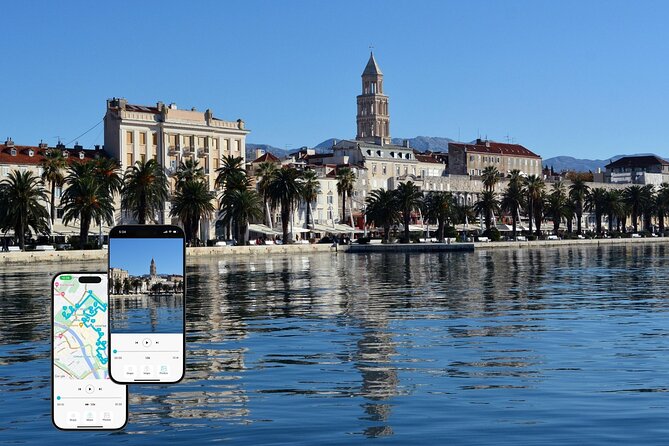
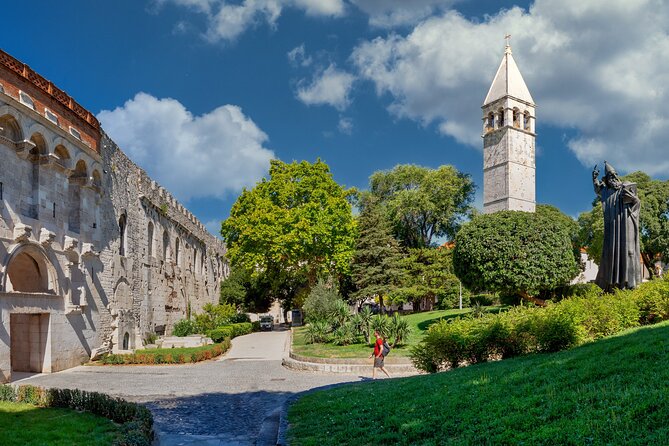
The highlights mention additional sights along the way, including Trg Braće Radić and the remains of a Benedictine monastery.
Even though these aren’t the main timed stops, they add texture. They help you see Split as a living city, not a set of isolated photo points. And they give the walking route purpose: you’re not just transferring between attractions, you’re learning how the city’s layers show up street by street.
If you enjoy noticing small changes—where religious buildings used to be, where palace life spilled into surrounding areas—these extra stops will make your walk feel more complete.
Dress code and smart-casual reality checks
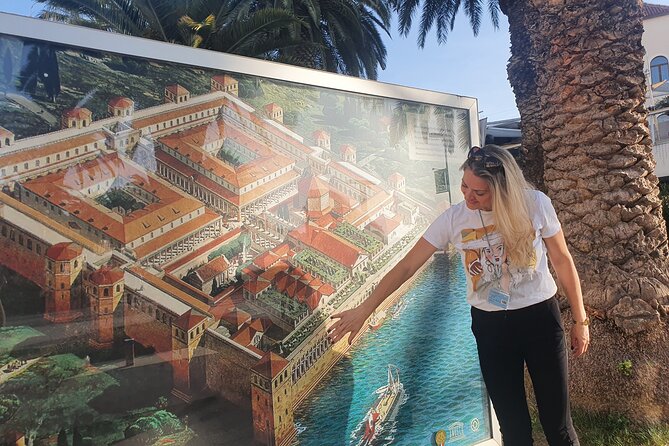
The tour asks for smart casual dress. That sounds easy until you remember that places of worship and select museums can enforce strict rules.
Here’s the practical version of the dress code to follow: no shorts and no sleeveless tops. Knees and shoulders need to be covered for both men and women. If you don’t meet it, you may be refused entry, so plan your outfit accordingly before you leave your hotel.
Bring a lightweight layer if you’re using a warm-weather outfit—shoulders can be tricky when it’s hot out, but a simple cover solves it fast. Also, wear shoes you’re comfortable standing in, since the format is walking plus short visits.
Price and value: is $94.12 per person fair?
At $94.12 per person, this isn’t a budget stroll. But it also isn’t overpriced for what you get—especially if you care about guidance more than just wandering.
You’re paying for:
- a local guide
- a focused 2-hour route
- small-group attention (max 15)
- free entry tickets at the main listed stops
That last point is key for value. When admission is free at the core sites, more of your money stays tied to the guided experience rather than getting split into separate fees.
Where the price can feel less worth it is if you’re the type who already loves independent Roman history and prefers to read on your own. In that case, you might feel you could replicate the route with a map.
But if you want the context explained in plain language while you’re standing in the right spot, the cost starts to make sense quickly.
Who this tour suits best (and who might skip it)
This tour fits best if you:
- want a guided orientation to Split’s Roman and Christian layers
- like walking tours with short, purposeful stops
- appreciate small groups and a guide who keeps the pace tight
- are traveling with limited time and want the highlights covered in about two hours
It may not be the best match if you:
- need lots of free time for wandering at your own speed
- dislike short visits and prefer long, sit-down museum time
- don’t want to deal with dress code rules for churches and select museums
If you’re balancing sightseeing with dinner plans, the morning/evening options help. This tour also works well as your first or second day in Split because it gives you a framework for the rest of your walking.
Practical tips so the tour goes smoothly
A few details can make or break your experience with this kind of city walking tour.
- Use the timing that fits your energy. Morning tours can feel calmer; evening tours can change the mood of the palace area. Either way, the route is still about the same set of stops.
- Arrive a bit early at Ul. kralja Tomislava 15 so you’re not stressed at the start.
- Bring a cover for your shoulders or knees if your outfit is light. Don’t gamble with refusal risk at places of worship.
- Expect to stand. The visit windows are short at each stop, so it’s not a sit-and-tour format.
- Keep an eye on your group. With up to 15 people, you’ll still want to stay close so you don’t miss the guide’s explanations while you reposition for photos.
If you’re sensitive about uneven ground or steps, choose shoes that grip well. Split can look smooth from street level, but older stone can be surprisingly irregular.
Final verdict: should you book this Split City Walking Tour?
I’d book this tour if you want a high-impact overview of Split’s layered identity—Roman power, then Christian reuse—without spending half your day bouncing between sites. The 2-hour format keeps it focused, and the fact that the main admissions are free makes the experience feel more balanced for the price.
I’d skip it if you strongly prefer self-guided exploring, or if your travel style depends on long, unstructured wandering. This one is designed to move with purpose.
If you do book, plan your outfit for the dress code and show up ready for walking. Do that, and you’ll leave with a much clearer sense of what you’re seeing at Diocletian’s Palace and beyond.
FAQ
How long is the Split City Walking Tour?
It runs for about 2 hours.
What does the tour cost?
The price is $94.12 per person.
Is the tour offered in English?
Yes, it’s offered in English.
How many people are in a group?
The tour has a maximum of 15 travelers.
Where does the tour start and end?
It starts at Ul. kralja Tomislava 15, 21000, Split, Croatia and ends at Diocletian’s Palace, 21000, Grad, Split.
What are the main stops on the tour?
The stops include the Cathedral of Saint Domnius, the Temple of Jupiter, and the Peristyle of Diocletian’s Palace.
Are admission tickets included?
Admission ticket entry for the listed stops is free.
What should I wear?
Dress is smart casual, and places of worship and select museums require covered knees and shoulders. Shorts and sleeveless tops are not allowed.
Can I choose a morning or evening tour?
Yes, you can select a morning or an evening excursion.
What happens if the tour is canceled or I need to cancel?
The tour allows free cancellation up to 24 hours in advance for a full refund. If the tour is canceled because it doesn’t meet the minimum booking requirement, you’ll receive a full refund.