REVIEW · SPLIT
Split Cooking Class – Afternoon Edition Shared Activity
Book on Viator →Operated by Split Cooking Class · Bookable on Viator
Five o’clock in Split means bread, fish, and wine. This small-group cooking class is hands-on with Chef Bremec and his team, and it ends the best way possible: with you eating what you made at a real Croatian table.
I like the hassle-free setup because ingredients are provided and you can jump straight into cooking without extra shopping. I also love that the meal includes Croatian wines, plus a Dalmatian dessert you’ll learn to recreate later.
One caution: the menu is seafood-focused, so if fish isn’t your thing, make sure you say so up front—there may be ways to adjust, but the default is clearly built around fish and shellfish.
In This Review
- Key things that make this class worth your time
- Split’s 5pm Cooking Class: Why it’s more than just dinner
- Chef Bremec and a small team: how the class stays hands-on
- What you’ll cook: a seafood menu with Croatian vegetable and fruit flavor
- How the 4 hours tends to flow (and why the timing works)
- Wines and dessert: the part that turns learning into celebration
- Price and value in Split: what $210.28 buys you
- Who should book this class (and who should say something early)
- Practical tips for a smoother kitchen evening
- Should you book the Split Cooking Class Afternoon Edition?
- FAQ
- What time does the class start, and how long is it?
- How big is the group?
- Is the class offered in English?
- What dishes are usually included?
- Are wines included?
- What if I need to cancel?
Key things that make this class worth your time
- Chef Bremec leads the cooking with hands-on help from his staff
- A real meal, not a demo: you’ll cook multiple dishes and then eat them together
- Seafood-forward menu with flexible swaps (you can request preferences)
- Croatian wines are included to match the dishes as you go
- Dalmatian dessert plus fruit-and-herb liqueurs ends the meal
- Small groups (max 12) keep the pace friendly and the instruction practical
Split’s 5pm Cooking Class: Why it’s more than just dinner
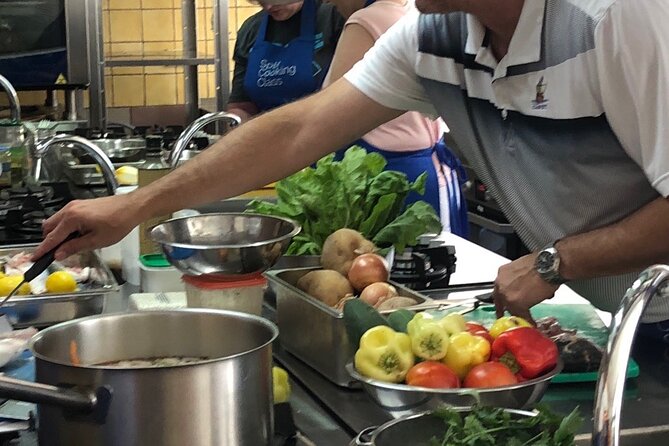
This is the kind of activity that fits perfectly into a travel day: you get a few hours of focused fun, then you finish with a full sit-down meal. Starting at 5:00 pm, it’s ideal if you want something social but not “tour bus all day” energy.
What makes it especially appealing is how practical it feels. You’re not just tasting your way through Croatian cuisine. You’re learning techniques and building confidence—things like getting flavors balanced, working with seafood properly, and timing dishes so they all land warm and ready.
And Split has the right food vibe for this. Even if your day outside the kitchen was sightseeing, by the time you’re chopping, simmering, and plating, you’ll understand why Dalmatian food leans on the sea, local vegetables, olive-oil friendly flavors, and simple but smart seasoning.
You can also read our reviews of more tours and experiences in Split.

Chef Bremec and a small team: how the class stays hands-on
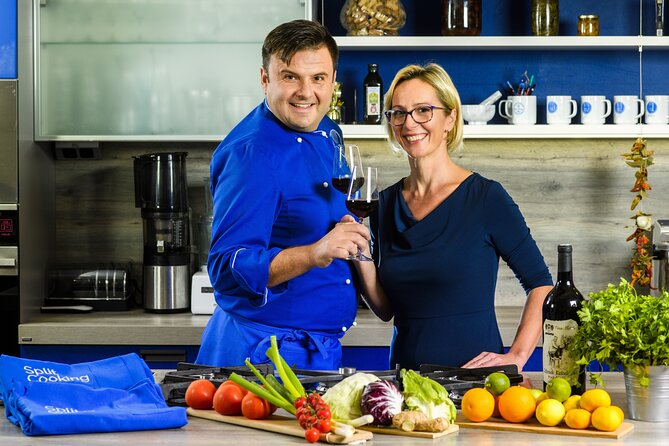
The class is designed for a maximum of 12 travelers, which matters more than you might think. Small groups mean you aren’t stuck watching while everyone else cooks. Instead, you’re rotating through tasks and learning by doing.
Chef Bremec is at the center of it, working directly with the group, and his team supports the prep and cooking flow. Reviews also highlight the staff style—people like Ivana and Bruna (seen in one enthusiastic honeymoon review) bring a friendly, upbeat approach that makes the kitchen feel like a shared project.
You’ll also notice how the class balances structure and flexibility. A typical plan covers about 5 different dishes, but it’s not locked into one seafood-heavy script. If you prefer something else, you can usually steer the menu direction, including swapping in additional fish options or adding different ingredients.
What you’ll cook: a seafood menu with Croatian vegetable and fruit flavor
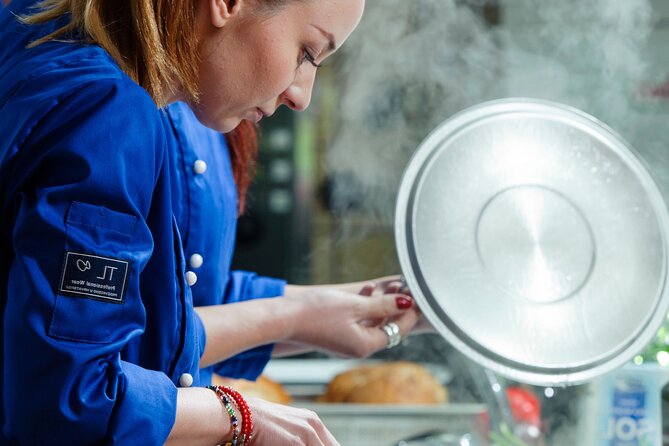
Expect the cooking to focus heavily on fish, shellfish, and shrimp, plus Croatian produce like local vegetables and fruits. The menu can include classics and household-style dishes, and it’s built so you taste different textures and flavor styles—not just one repetitive bowl.
Here’s what the menu can look like, based on the class plan:
- Starters
- A welcome snack prepared to greet you
- Fish carpaccio, tartar, and octopus salad
- Fish cream soup
- Mains
- Scampi risotto or homemade pasta
- Fish stew, grilled fish, or shark with vegetables
- Buzara style mussels
- Dessert
- A traditional Dalmatian dessert
- Served with fruit and herb liquors, plus wine and coffee
That “carpaccio + cream soup + risotto/pasta + stew/mussels” progression is smart. It teaches you how seafood changes character depending on prep method—raw or lightly cured versus cooked in broth, simmered in sauce, or baked/grilled and paired with vegetables.
If you’re worried about shellfish, the class description notes that the plan usually includes a mix but can skip parts and do another fish dish instead. And if you want something different, you can request it—there’s room to include meat or adjust ingredients/dishes to your preferences.
How the 4 hours tends to flow (and why the timing works)
The whole session is about 4 hours, starting at 5:00 pm. You’ll spend that time doing real work in the kitchen, then finishing with an eating session that feels like the reward for your efforts (not an afterthought).
A typical flow looks like this:
- Start with a welcome snack so you’re not waiting hungry
- Hands-on cooking rotations (prep, chopping, cooking steps)
- Multiple dishes build at once, so the pace stays energetic
- Wine pairing as dishes come together
- Dessert course with the Dalmatian sweets and fruit/herb liqueurs
- Eat together, then head back to the meeting point afterward
One detail I really appreciate is that the class is built around getting you fed on time. The food isn’t supposed to sit around while the group chats. It’s more like a coordinated kitchen shift where everyone’s contribution matters, then the whole table eats at the right moment.
Also, the class ends back at the meeting point. That’s quietly helpful in a city like Split where it’s easy to lose track of time and directions during an evening plan.
Wines and dessert: the part that turns learning into celebration
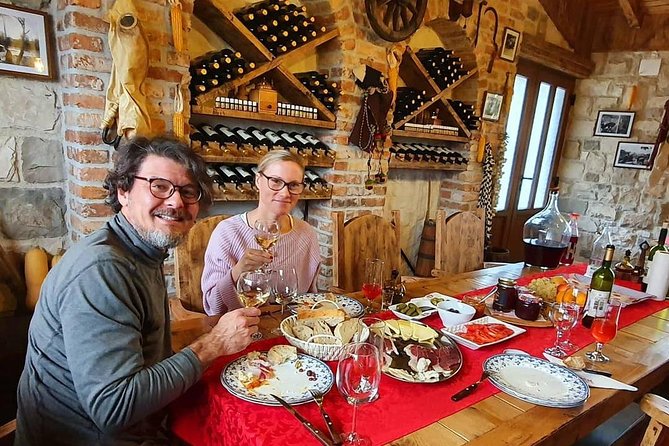
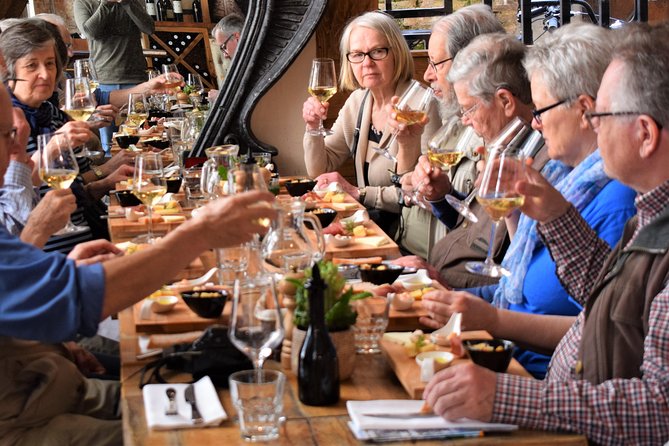
Croatian food tastes better when you’re relaxed. That’s why the wine being included is more than a nice perk. It helps the evening move smoothly: you cook, you taste, you adjust flavors, and then you drink alongside the dishes you just made.
The dessert setup sounds like a proper finale:
- A traditional Dalmatian dessert
- Served with fruit and herb liquors
- Plus wine and coffee
That combination matters because it teaches you how Croatian dining often closes the loop—sweet, fragrant notes from herbs/fruit liqueurs, and coffee to finish clean. You’ll leave with clearer ideas about pairing flavors, not just recipes.
If you’re the type who loves taking home the “why,” ask the chef or staff about how they think about sauce thickness, seasoning balance, and how the wine complements the main ingredients.


Price and value in Split: what $210.28 buys you
At $210.28 per person, this isn’t a cheap activity. But for Split, it lands in a category where you should judge value by what’s included—not just the cooking part.
You’re getting:
- A chef-led, small-group class (max 12)
- Ingredients provided for multiple dishes
- Wine included
- A meal that’s more like a full dinner than a few bites
- Recipes you can repeat at home
When you add that up, the class becomes less like a snack tutorial and more like a guided culinary evening. For couples (one honeymoon review called it a highlight), it’s also a rare kind of date that doesn’t rely on finding a reservation or guessing what to order.
So the real question isn’t whether it’s expensive. It’s whether you’ll actually use what you learn. If you like cooking at home, the promise of repeatable recipes makes the price feel more justified.
Who should book this class (and who should say something early)
This cooking class fits best if you want:
- A hands-on food experience in Split
- A social activity that still feels structured
- A meal that includes wine and ends with dessert and coffee
- To leave with recipes you can actually make again
You might want to think carefully (or message ahead) if:
- You don’t enjoy seafood, because the standard menu is fish- and shellfish-heavy
- You have strong preferences that require swapping ingredients
One practical tip: if you’re not a seafood person, don’t wait until the moment you’re standing in the kitchen. Mention it before you arrive so the team can plan swaps. The class can shift the plan—like skipping some seafood components and making another fish dish—but it’s easiest when they know your preferences early.
Practical tips for a smoother kitchen evening

A few things will make your time in the kitchen easier:
- Wear clothes you don’t mind smelling a little like garlic, lemon, or seafood.
- Expect you’ll stand, chop, and taste—this is not sit-and-watch.
- If you’re learning, ask questions while ingredients are out. Waiting until later can mean you miss the moment when a technique clicks.
- Come hungry, but don’t rush the first bites. The welcome snack and first dishes set the rhythm for the whole evening.
Also, the class uses a mobile ticket, which is convenient—just keep it ready on your phone.
Should you book the Split Cooking Class Afternoon Edition?
I think you should book if you want a food-focused evening that’s structured, social, and genuinely useful. The combination of Chef Bremec’s leadership, a kitchen built around multiple dishes, and included Croatian wines makes it feel like a complete experience, not a quick activity.
If you’re mainly hoping for land-based food, or you dislike fish, I’d still consider it—but only if you’re ready to communicate your preferences clearly ahead of time. The class can be adjusted, yet the default menu is still seafood-forward.
FAQ
What time does the class start, and how long is it?
It starts at 5:00 pm and runs for about 4 hours.
How big is the group?
The class has a maximum of 12 travelers, so it stays personal and hands-on.
Is the class offered in English?
Yes, it’s offered in English.
What dishes are usually included?
You’ll typically prepare around 5 dishes, with a menu that often includes items like fish carpaccio/tartar/octopus salad, fish cream soup, scampi risotto or homemade pasta, fish stew or grilled fish, buxara style mussels, and a traditional Dalmatian dessert.
Are wines included?
Yes. Croatian wines are included to complement the dishes, and the dessert course also comes with wine and coffee.
What if I need to cancel?
This experience is non-refundable and cannot be changed for any reason.