REVIEW · SPLIT
SPLIT-History Tour of Diocletian’s Palace & Old Town with Daniela
Book on Viator →Operated by Split Walking Tour with Daniela · Bookable on Viator
Diocletian’s Palace still feels like a living set. This Split walking tour with Daniela threads Roman engineering, medieval faith, and old-town street life into one smooth route you can follow without getting lost. I like how Daniela uses clear explanations and a lively tone to connect the big monuments to everyday Split life.
What I really like is the pacing. You hit the palace’s signature spaces, then step into Old Town squares, a Renaissance clock, the statue of Grgur Ninski by Ivan Meštrović, and the promenade at Riva Harbor—all with a small group size that keeps questions flowing. One consideration: some major sights have optional entrance fees (like cellars, the cathedral/bell tower area, and the Jupiter Temple/Baptistry access), so you may want a little extra budget.
Key highlights at a glance
- Daniela’s guided storytelling with local energy that keeps Roman and medieval details understandable
- A maximum of 15 people, which helps the walk stay interactive
- Klapa singing inside Diocletian’s Palace for an unexpectedly emotional moment
- A hits-the-best route: Golden Gate, Peristyle, Saint Domnius, Jupiter Temple area, synagogues, and central squares
- Riva Harbor as the easy finale, where you can land your trip with food and photos
In This Review
- Finding Daniela on Split’s Waterfront (and Why It Matters)
- Diocletian’s Palace Substructures: The Palace’s Real Bones
- Vestibulum Moments: Klapa Singing in the Palace
- The Peristyle: The Palace’s Central Stage
- Cathedral of Saint Domnius: Small Space, Big Claims
- Temple of Jupiter to Baptistry of Saint John: Empire’s Sacred Shift
- Golden Gate: The Palace’s Main Entrance Feels Like an Arrival
- Grgur Ninski Statue (Ivan Meštrović): A Croatian Art Checkpoint
- Split Synagogue: One of Europe’s Old Active Synagogues
- Narodni Trg and the Old Town Squares: Where Daily Life Keeps Showing Up
- City Clock and Fruit’s Square: Renaissance Meets Baroque
- Riva Harbor Finale: The Easy Landing Zone
- Value, Timing, and Group Size: Is $25 Worth It?
- Who This Tour Fits Best (and Who Might Prefer Something Else)
- Optional Tickets: What You Might Pay For (and How to Decide)
- Should You Book This Split-History Tour with Daniela?
- FAQ
- How long is the tour?
- What does the tour cost?
- Is the tour offered in English?
- What is included in the price?
- Which entrance tickets are not included?
- How large is the group?
- Where does the tour start?
Finding Daniela on Split’s Waterfront (and Why It Matters)
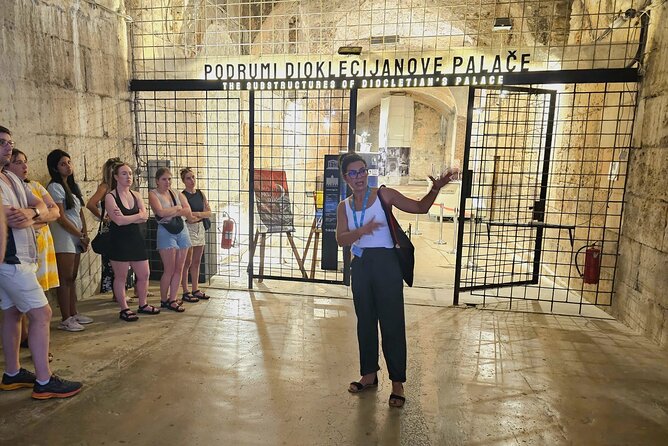
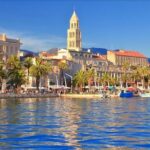
Split’s historic center can feel like a maze until you’re oriented. The tour starts at Obala Hrvatskog narodnog preporoda 22, right by the water, so you get your bearings fast before you slip into Diocletian’s Palace.
You’ll also be walking in an area that’s compact and built for pedestrians. That’s great for sightseeing, but it’s also why starting near the promenade helps—your brain can anchor the route to the coastline as you go inward.
Another practical plus: the experience uses a mobile ticket, and it’s offered in English. If you want a guide who can keep the flow in a way that doesn’t leave you guessing, this matters.
Diocletian’s Palace Substructures: The Palace’s Real Bones
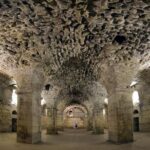
The first stop is Diocletian’s Palace substructures, the best-preserved part of the complex. This is where you see the physical logic of the palace: thick stonework, grounded architecture, and the sense that this place was built to last.
Why I think this stop works: it gets you past “Roman ruins as scenery” and into “Roman construction as system.” Even if you’ve seen plenty of Roman sights, this angle—more foundation than postcard—helps you understand what later spaces were designed to support.
One good tip for this first segment: treat it like your warm-up mentally. If you take in the layout cues early, the rest of the palace stops click faster.
You can also read our reviews of more tours and experiences in Split.


Vestibulum Moments: Klapa Singing in the Palace
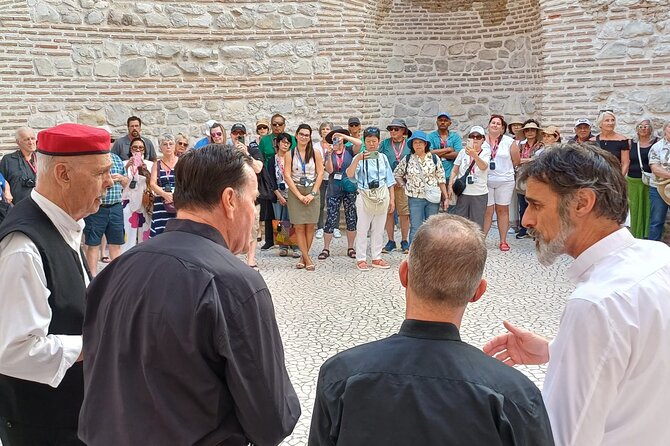
Next you enter the Vestibulum, and this is where the tour includes an authentic experience of klapa singing. For many people, the palace is the main attraction—but music inside an ancient structure hits differently than another set of stones.
This stop is short, but it changes the feel of the tour. You go from architecture to atmosphere. Even without a long explanation, the moment gives you a “this is living culture” feeling rather than only museum-time.
If you’re sensitive to noise levels or prefer quiet sightseeing, you’ll want to be aware that a singing moment is part of the design here. The upside is that it’s built into the route, not an optional add-on you might skip.
The Peristyle: The Palace’s Central Stage

The Peristyle is the palace’s central square—an open, communal heart surrounded by major spaces. Even in a short visit, it’s the kind of place where you can quickly grasp why Diocletian’s palace became such an enduring urban center.
Think of it as the “layout lesson.” From here, you can visually connect what you’ve seen in the substructures to what you’ll notice in the Old Town streets later.
Because the tour keeps this stop tight, it’s a good balance: enough time to understand the importance, not so much that you lose the momentum.
Cathedral of Saint Domnius: Small Space, Big Claims
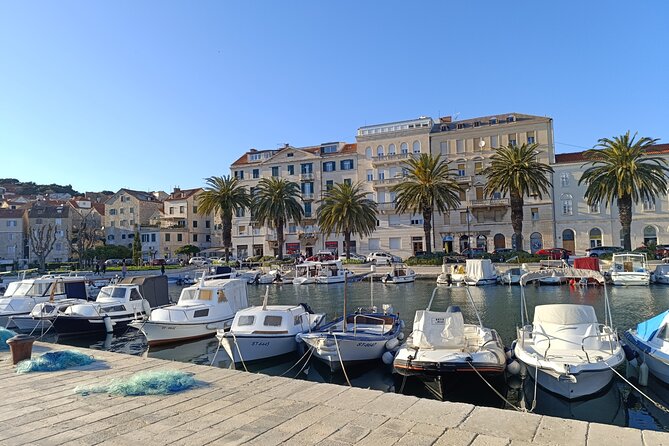
You’ll then reach the Cathedral of Saint Domnius, described as the smallest and oldest Christian Catholic cathedral in the world. This is one of those stops where the building carries layers—religion, continuity, and the way old structures keep being repurposed.
Even if you don’t buy any paid entry (and certain fees may apply for optional access), the cathedral stop still gives the tour a clear “then and now” bridge. You’re moving from Roman imperial space into a Christian civic presence that lasted long after emperors were gone.
If you love architecture that shows different eras living side by side, this is a satisfying pivot point.
Temple of Jupiter to Baptistry of Saint John: Empire’s Sacred Shift
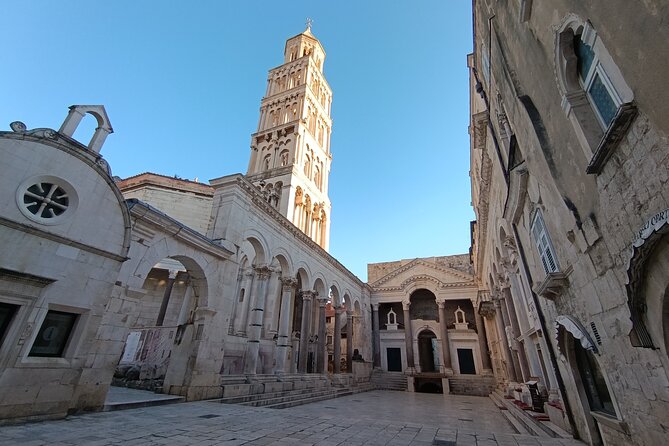
The Temple of Jupiter, now the Baptistry of Saint John, is another highlight, and the tour marks it as optional-ticket territory. This stop is short for a reason: it’s a key icon, but the paid components are what can extend it.
Why this moment matters: it’s a visible example of how power and sacred spaces changed over time. One emperor-era religious setting becomes another kind of spiritual role. That theme keeps showing up in Split, so seeing it early helps you read the city.
If you’re trying to keep costs down, treat this as a look-and-absorb stop first. If you’re the type who wants the full interior access, plan for the optional fees.




Golden Gate: The Palace’s Main Entrance Feels Like an Arrival
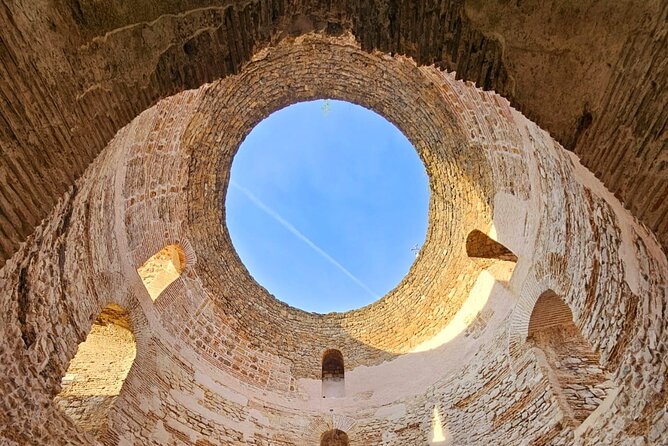
The Golden Gate is the palace’s main and most impressive entrance. It’s a dramatic threshold, the kind of spot where you naturally pause without being told to.
I like this stop because it’s both practical and emotional. Practically, it helps you understand where you are in the palace structure. Emotionally, it marks a transition from outside street life into an enclosed imperial world.
Even with limited time, you’ll walk away with a clearer mental map.
Grgur Ninski Statue (Ivan Meštrović): A Croatian Art Checkpoint
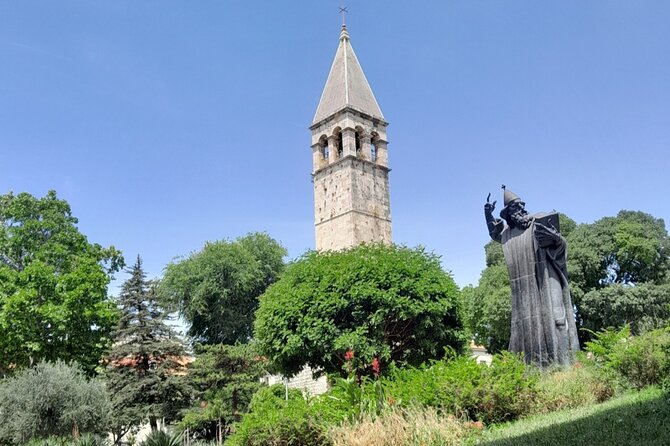
Then you’ll see the Grgur Ninski statue, a masterpiece by sculptor Ivan Meštrović. This isn’t Roman architecture; it’s evidence of later cultural confidence—how Croatia’s identity has been shaped and displayed in public art.
This is a quick stop, but it’s also a smart one. Without it, a Diocletian-focused route can feel stuck in the ancient past. The statue anchors the tour in Croatian storytelling and artistic legacy.
Split Synagogue: One of Europe’s Old Active Synagogues
The tour includes a stop at the Split Synagogue, noted as one of the oldest active synagogues in Europe. This adds another layer of Split’s identity beyond Roman and Catholic landmarks.
Because the tour flags synagogue access as optional-ticket territory, you may only do an exterior or entry-limited view depending on what’s included in your moment. Either way, it’s an important reminder that Old Town history isn’t one-track.
If you appreciate cultural diversity and want a route that doesn’t only chase the most famous sights, this stop earns its place.
Narodni Trg and the Old Town Squares: Where Daily Life Keeps Showing Up
You’ll move to Narodni Trg, a medieval people’s square in the heart of the Old Town. Squares like this are where a city breathes between major monuments.
From here you’ll also be in the rhythm of Old Town—streets that funnel you from one landmark to the next, without feeling like a checklist.
This portion works especially well if you’re traveling on a tight schedule. You get “real city” energy without needing hours of unstructured wandering.
City Clock and Fruit’s Square: Renaissance Meets Baroque
Next is the City Clock, a Renaissance clock at the western entrance to Diocletian’s Palace. A clock might sound like a throwaway stop, but it’s a clue to how the palace area kept evolving long after the Roman era.
After that, you’ll reach Fruit’s Square (Trg Brace Radic), where there’s a baroque palace, a Venetian fortress, and a statue of Marko Marulić, described as the father of Croatian literature. This cluster of references gives you a tidy timeline in a small area.
If you like your history organized visually, this is a strong sequence.
Riva Harbor Finale: The Easy Landing Zone
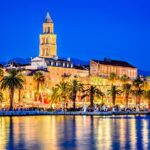
The tour ends by heading to Riva Harbor, Split’s main promenade with restaurants and coffee bars. This “finish line” is more than convenience. It gives you a soft landing after tight, high-impact historic stops.
It’s also the best place to decide what you want next. Want a longer look around the palace area? You can circle back. Want dinner with waterfront views? You’re already there.
If you’ve got limited time in Split, a harbor finish makes the day feel complete without extra transportation.
Value, Timing, and Group Size: Is $25 Worth It?
At $25 per person, this tour is priced like a budget-smart “big sights in a short time” experience. The key value driver isn’t only that you visit major landmarks—it’s how the route is guided.
You’re getting a licensed guide and tour organization, and you’re not stuck doing the palace in confusing fragments. In a place like Diocletian’s Palace, that matters more than people expect. The better the explanation, the less you feel like you’re just walking in circles.
Duration runs around 1 hour 30 minutes to 2 hours. In real life, that can stretch slightly, especially when you’re asking questions or the guide is answering them with care. Plan for a bit of flex so you don’t feel rushed.
Group size is capped at 15 people, and reviews you’ll hear about this tour often mention that small size as part of the comfort factor. When the group stays small, you’re more likely to hear details clearly and ask your own follow-ups.
Also, it’s offered in English, and the guide’s communication style is consistently described as engaging and fun. Even when the subject is dense—Roman power, shifting religions, and multi-era architecture—the delivery is designed to stay human.
Who This Tour Fits Best (and Who Might Prefer Something Else)
This works best for you if you want a structured way to see Diocletian’s Palace and the Old Town core without spending half your vacation reading maps. It’s also ideal if you care about culture in a practical way—music, public art, religious sites, and the squares where city life happens.
It’s a good choice for families too, since the tour design doesn’t sound like it’s built for only one kind of pace. If you’re bringing a stroller, it helps to know that accommodating setups are part of the guide’s approach.
If you mainly want a quiet solo museum experience and you hate group walking, you might find a guided format less relaxing. But if you like conversation and context, this route is built for you.
Optional Tickets: What You Might Pay For (and How to Decide)
The tour includes the major orientation stops, and it flags several areas as optional-ticket territory, including cellars, the cathedral/bell tower area, and the Jupiter Temple (linked to the Baptistry of Saint John).
Here’s the practical way to decide:
- If you love going inside and you’re the type who wants the full architectural story, plan for the optional entries.
- If you prefer to keep costs controlled, treat the optional-ticket segments as choices, not obligations, and focus on the exterior and main viewing points.
You’re not forced into paying for everything. The route still gives you the “greatest hits,” and optional access is there for people who want more depth.
Should You Book This Split-History Tour with Daniela?
Yes, I’d book it if your priority is clarity plus key sights in a tight amount of time. This is the kind of tour where the guide’s energy and local connection do real work: you walk away with a map in your head, not just photos on your phone.
Skip it only if you know you don’t want to pay optional entrance fees or you dislike guided walking routes. Otherwise, for Split: Diocletian’s Palace + Old Town done the friendly way, this is a solid bet—especially because Daniela’s style is built around answering questions, keeping the pace comfortable, and turning famous landmarks into something you can actually place in time.
FAQ
How long is the tour?
The tour lasts about 1 hour 30 minutes to 2 hours.
What does the tour cost?
The price is $25.00 per person.
Is the tour offered in English?
Yes, the tour is offered in English.
What is included in the price?
The tour includes a licensed tour guide and tour organization.
Which entrance tickets are not included?
Entrance tickets for cellars, the cathedral, the bell tower, and the Jupiter Temple are not included and are marked as optional.
How large is the group?
The tour has a maximum of 15 travelers.
Where does the tour start?
The meeting point is Obala Hrvatskog narodnog preporoda 22, 21000, Split, Croatia, and the tour ends back at the meeting point.