REVIEW · PULA
SSI Open Water Diver Course
Book on Viator →Operated by Orca diving centre · Bookable on Viator
Three days to feel calm underwater. In Pula, this PADI Open Water Diver course turns the start of scuba into a clear, guided routine: online theory, two training blocks each day, and instructor-led sessions in the water. I like that it’s built for real beginners, with a structure that keeps you moving forward without guessing.
Two things I’d pick as standout: the e-learning theory (so you can study on your phone or laptop) and the hands-on coaching with an instructor known for being kind and reliable, including Marin at Orca centre in Verudela. One consideration: mornings start at 10:00, so you’ll want to plan your day and travel timing around that.
You also get a full package feel: equipment rental, insurance, briefing/debriefing, and certification are included. The schedule is intense in a good way, but it’s not the kind of activity you can casually fit in if you’re jet-lagged or unprepared for the waterwork days.
In This Review
- Key highlights at a glance
- Pula Open Water Diver course with an instructor-led plan
- Timing and the two-block daily schedule (10:00 to 17:30)
- E-learning theory: 6 chapters and a final check
- House reef sessions: building comfort where conditions are familiar
- The bonus boat water session at no extra cost
- Equipment rental, insurance, and what you actually get
- Price and value: what $583.42 buys you in Pula
- English course support and the small-group feel
- Health questionnaire and who should think twice
- Where you meet and how to plan your first day
- Should you book this PADI Open Water Diver course in Pula?
- FAQ
- How long is the course?
- What time do the daily sessions start and end?
- Do I need to do the theory online?
- How many water sessions are included?
- Where are the first five water sessions held?
- Is there a sixth boat-based session?
- What’s included in the price?
- What’s not included?
- Can I cancel for a full refund?
Key highlights at a glance
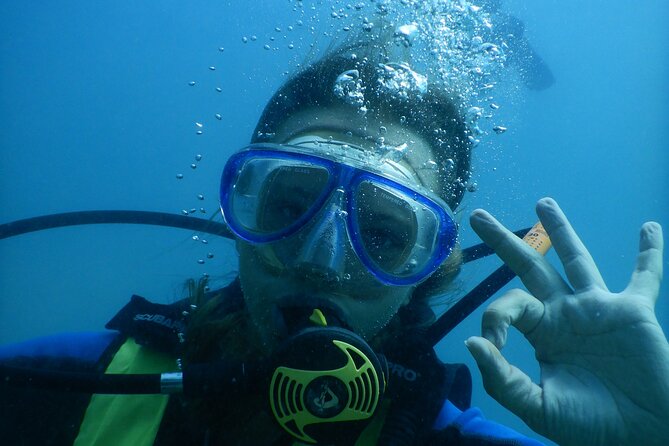
- English instruction with a max group size of 10, so you’re not lost in a crowd.
- E-learning before and during the course, with 6 chapters, short self-quizzes, and a final exam.
- Two daily training windows (10:00–12:30 and about 15:00–17:30) to keep momentum.
- Six total water sessions, with the first five on the local house reef.
- A sixth, bonus boat water session at no extra charge (it’s fun, not counted as the course requirement).
Pula Open Water Diver course with an instructor-led plan
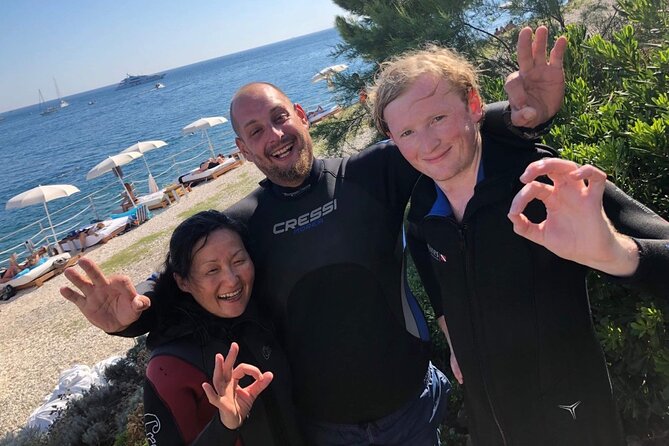
Pula is a great base for a beginner scuba course because the setup is practical. You meet at Orca centre in Verudela (Verudela 17), you get organized gear, and the training happens on a schedule that’s easy to understand: theory first, then waterwork.
This is a PADI open-water course designed to take you from basics to certification steps. You’re not just handed gear and sent off. You do theory, practice skills with an instructor, then finish with a test exam and your certificate—assuming you complete the course requirements.
I also like that the experience has a tight group size. With up to 10 people, you’re more likely to get attention during skills practice and debriefing, especially when questions pop up.
You can also read our reviews of more tours and experiences in Pula.
Timing and the two-block daily schedule (10:00 to 17:30)
Each of the three course days follows the same rhythm. You start at 10:00 and finish the first training block around 12:30. Then there’s a break until about 15:00, when the second block starts and runs to roughly 17:30.
That split matters more than it sounds. The morning block is where you learn or review skills and build comfort. The afternoon block is where you apply it again, often with improved control because you’ve already warmed up mentally and physically.
For your planning, treat the break as your chance to reset. Bring water, grab a snack, and give your brain a pause between sessions. If you try to pack the break with extra activities, you can end up tired for the second half of the day, and that can make skills feel harder than they need to.
E-learning theory: 6 chapters and a final check
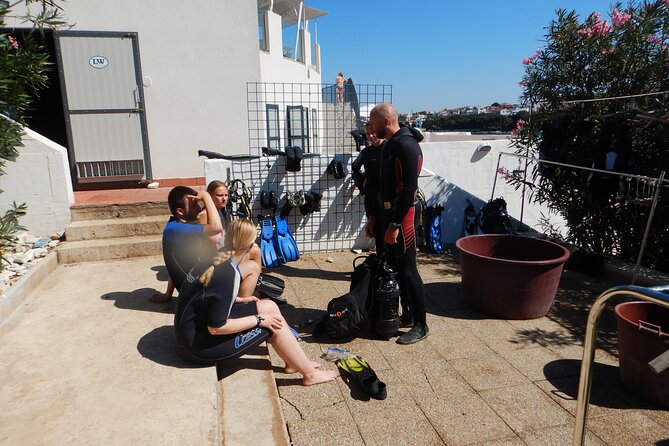
Theory is handled through e-learning. That means you work through it on your own devices—phone, tablet, or laptop—and you move chapter by chapter. There are 6 chapters, and after each one there’s a small quiz you do on your own.
What this approach does well is control the pace. You don’t have to stare at a classroom clock for every section. You can review sections that are confusing and keep going when they click.
At the end of the course, you complete a final exam with the team at Orca centre. Your performance on that exam affects the certification step, so plan time to study before you arrive and then stay focused throughout the course days.
House reef sessions: building comfort where conditions are familiar
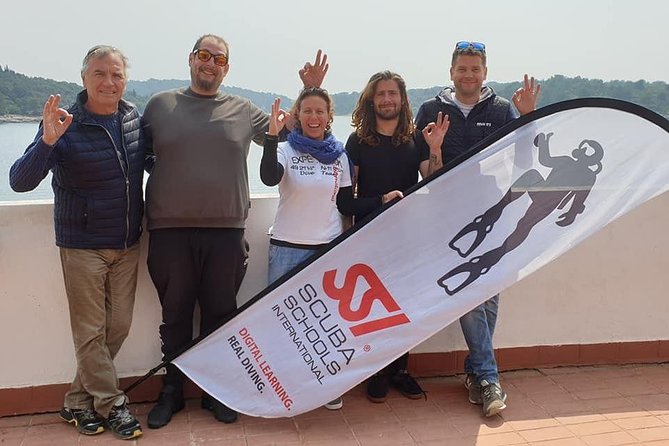
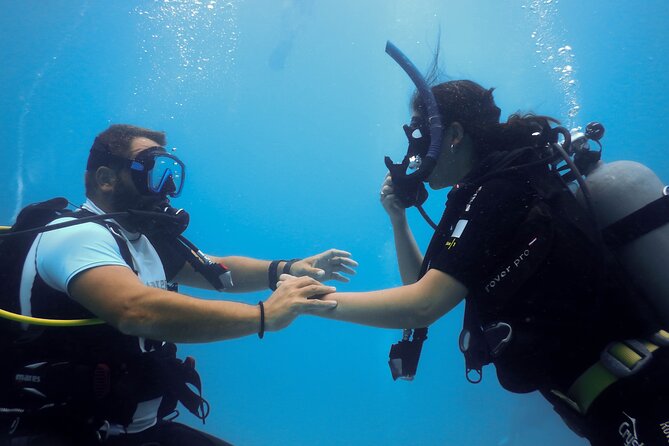
You’ll have six water sessions total. The first five are on the course house reef. The big advantage of a house reef is consistency. You’re repeatedly working in an area your instructors know, with the kind of conditions they can manage and teach within.
That’s exactly what a beginner needs. You learn buoyancy, breathing control, basic underwater procedures, and skill routines when the environment is predictable enough for teaching. It reduces the stress of every new location and helps you focus on technique.
A fair caution: even on a house reef, water conditions can vary day to day. Expect some level of adjustment each session. If you’re prone to anxiety with water, stick close to your instructor’s cues and ask questions immediately during briefing.
The bonus boat water session at no extra cost
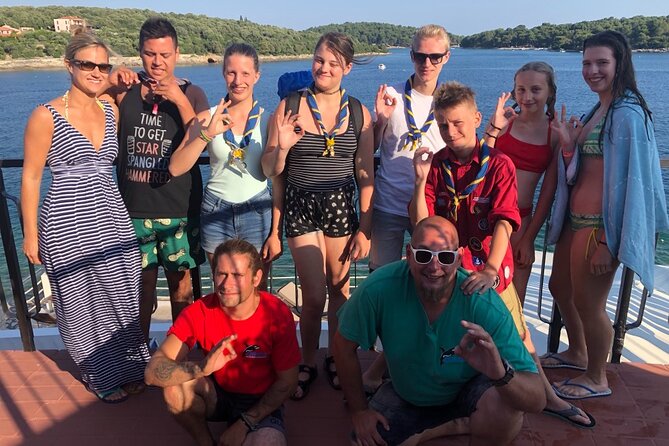
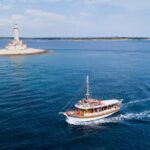
On top of the course’s five house reef sessions, there’s a sixth session on a boat. This one is free of charge and described as a fun outing, not part of the official course requirement.
This is a smart added value, even if you think you might skip it. A boat-based session can give you a different view of the area and a change of pace from repeated reef practice. It can also help you feel more like you’re moving toward real open-water exploration rather than just drilling skills.
If you’re planning other activities in Pula, leave room for this extra session day schedule. It’s part of how the course package is structured, so you won’t want to commit to tight timing right after the last training block.


Equipment rental, insurance, and what you actually get
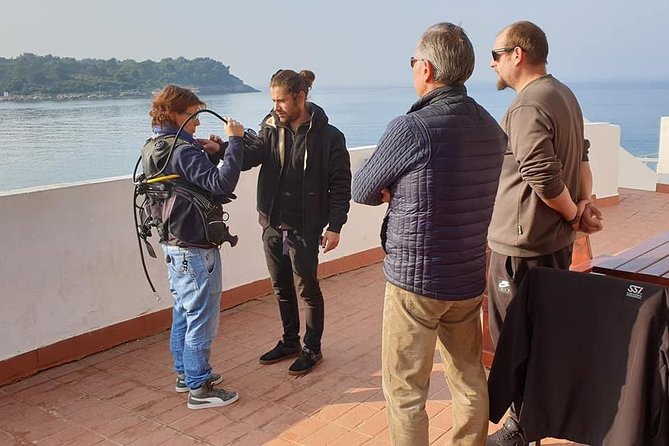
Included in the price are the practical essentials: equipment rental, instructor-led briefing and debriefing, and insurance. Certification is also included once you complete the course steps.
That matters because the hidden costs in many scuba courses come from gear and add-ons. Here, the core gear is taken care of for you. You just show up and focus on learning.
Not included: souvenir photos. If you’re the kind of person who loves getting pictures, you’ll have the option to purchase them, but it won’t be automatic. Also not included is hotel pickup and drop-off, so you’ll want to plan your own way to the meeting point.
Price and value: what $583.42 buys you in Pula
At $583.42 per person, this course isn’t the cheapest option in the world. But for what’s included, it can be good value—especially if you compare against courses that charge separately for gear, insurance, and certification.
You’re paying for:
- A structured 3-day program with scheduled training time
- Six water sessions with an instructor
- Equipment rental and insurance
- PADI certification once requirements are met
- Theory through e-learning with quizzes and a final exam
To make it a smart buy, go in prepared for the rhythm. If you take the e-learning seriously and show up ready for the schedule, you’ll get the full benefit of the package. If you delay studying until the last minute, the theory load can feel heavy right when waterwork days are already demanding.
Also, the small group size (max 10) can be a value multiplier. More instructor attention often makes skill practice go faster and safer, especially for first-timers.
English course support and the small-group feel
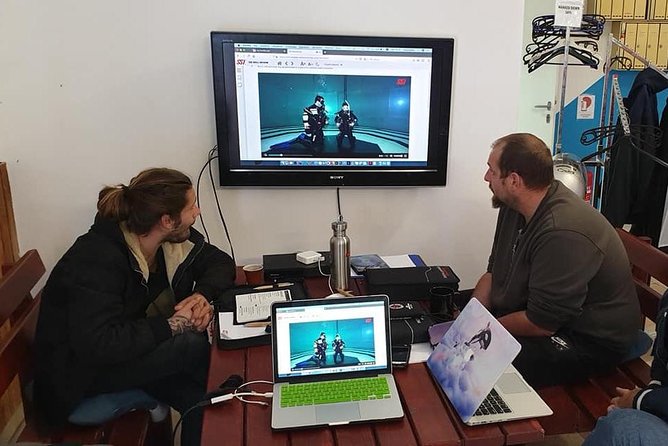
The course is offered in English, and it’s set up for most travelers to participate. With a max of 10 participants, the instruction style is more likely to stay interactive rather than lecture-only.
One reviewer highlighted Marin as an instructor who was super kind and reliable during the process, and that lines up with what you should look for in any beginner certification: calm coaching, clear explanations, and steady support during skills practice.
Use that to your advantage. Go to briefings ready with questions. If something feels off during the water sessions—breathing rhythm, buoyancy, comfort—speak up while you still have time to adjust.
Health questionnaire and who should think twice
Before any waterwork, you’ll complete a health questionnaire. Some pre-existing medical conditions, such as asthma and heart conditions, may prevent you from diving, so it’s best to consult your doctor if you’re unsure.
This isn’t an item to skim. Scuba training depends on being medically cleared. If you do have a condition, bring it up early so you don’t waste time planning the course only to find out later that you can’t participate.
If you’re generally healthy, you should be able to handle the course pace as long as you follow the instructions and keep up with the theory requirements.
Where you meet and how to plan your first day
You start at Orca centre, Verudela 17, Pula, and the activity ends back at the meeting point. The first session starts at 10:00.
Because hotel pickup and drop-off aren’t included, choose lodging and transport that make 10:00 realistic. Public transportation is nearby, which helps. Still, show up with buffer time so you can check in, get gear fit, and settle in without rushing.
One more practical note: the booking confirmation is received at the time of booking, and the ticket is described as mobile. Keep your phone accessible.
Should you book this PADI Open Water Diver course in Pula?
Book it if you want a structured beginner program where you get the essentials handled for you: theory by e-learning, six scheduled water sessions, equipment rental, insurance, and certification. The English instruction and small group size are also strong reasons to choose it, especially if you don’t want a chaotic class.
Skip it or think carefully if you can’t commit to the two daily training blocks over three days, or if you might struggle with the e-learning theory timeline. Also double-check medical eligibility early with the health questionnaire and your doctor if you have any relevant conditions.
If you’re ready for a focused learning sprint and you want a legitimate certification path, this course looks like solid value for Pula.
FAQ
How long is the course?
It takes 3 days to finish, based on the schedule provided.
What time do the daily sessions start and end?
Morning sessions start at 10:00 and end around 12:30. The second session starts around 15:00 and ends around 17:30.
Do I need to do the theory online?
Yes. Theory is done through e-learning with 6 chapters and small quizzes after each chapter, plus a final exam done with the course team.
How many water sessions are included?
You get 6 water sessions in total during the course.
Where are the first five water sessions held?
The first five sessions are done on the house reef.
Is there a sixth boat-based session?
Yes. The sixth session is described as a boat fun session at no extra charge, and it’s not part of the course requirements.
What’s included in the price?
Included are e-learning, briefing/debriefing, equipment rental, instructor-led waterwork, insurance, and certification.
What’s not included?
Souvenir photos are not included, and there’s no hotel pickup or drop-off.
Can I cancel for a full refund?
Yes. You can cancel up to 24 hours in advance for a full refund. If you cancel less than 24 hours before the start time, the amount paid is not refunded.