REVIEW · DUBROVNIK
Trebinje Gastro Tour From Dubrovnik
Book on Viator →Operated by Ragusa Tours · Bookable on Viator
Dubrovnik is stunning, but this tour adds a second country and a second mood. You’ll head to Trebinje in Bosnia and Herzegovina for an easy half-day with a driver-guide, starting with Tvrdoš Monastery and its winery stop, then looping through the old town for architecture, bridges, and a traditional meal. I love that it’s structured like a smooth outing—transport, tastings, and meals included—yet it doesn’t feel like a factory tour. I also love the food-and-stories approach, with guides like Bojan and Tomi praised for sharing what life is like there while you eat and drink. One consideration: because you cross the border, you should have your passport ready and keep it on you.
It’s also a smart option if your time in Dubrovnik is tight, like if you’re on a cruise day. The drive is handled, the route is planned, and the day stays focused on Trebinje’s key sights instead of long, aimless stops. Just remember this is built around set experiences—so if you want totally free time, you may feel a bit “on schedule.”
In This Review
- Key things I’d note before you go
- Why Trebinje feels like the perfect add-on to Dubrovnik
- Price and what you actually get for $216.53
- Pickup in Dubrovnik: how to make it painless
- Crossing into Bosnia and Herzegovina: passports matter
- Trebinje Old City: Ottoman streets, churches, and a bridge you’ll remember
- Tvrdoš Monastery and winery tasting: the highlight with real personality
- Lunch and dinner in Trebinje: eating as the culture lesson
- How the guide style shapes the whole day
- Timing and pacing: a half-day that still feels complete
- Who should book this tour?
- Tips to get the most from your Trebinje gastro day
- Should you book the Trebinje Gastro Tour from Dubrovnik?
- FAQ
- How long is the Trebinje gastro tour from Dubrovnik?
- What is included in the price?
- Is pickup provided from Dubrovnik?
- What language is the tour offered in?
- What can I see in Trebinje during the old town stop?
- Do I get wine tasting on this tour?
- Are meals included or do I need to pay extra for food?
- What type of transport is used?
- Is a passport required since this includes another country?
- Can I cancel for a full refund?
Key things I’d note before you go
- Half-day pace that fits cruise schedules without rushing every single moment
- Tvrdoš Monastery winery tasting plus local food stops, not just a quick drive-by
- Trebinje’s mixed religious landscape in a walkable old-town loop
- Arslanagića Bridge and Ottoman-era streets give you real visual anchors
- Door-to-door pickup from Dubrovnik via minivan, with clear meet-up support
Why Trebinje feels like the perfect add-on to Dubrovnik
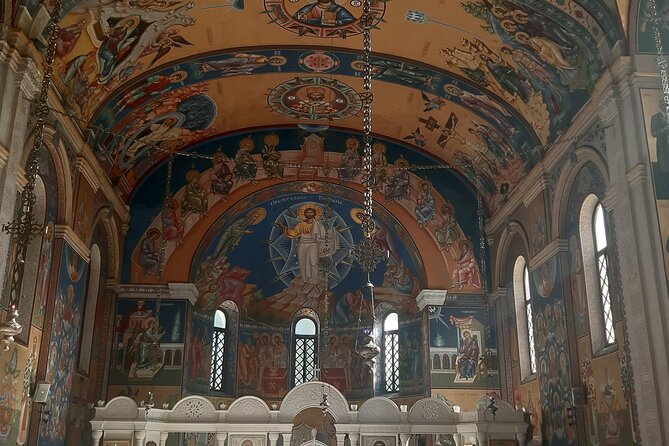
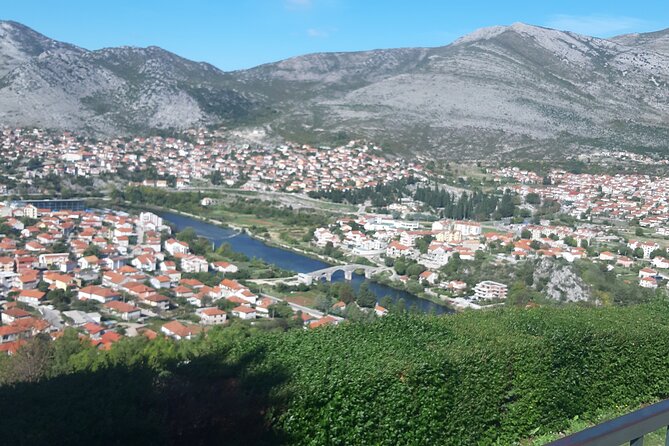
Trebinje sits in the southern part of Bosnia and Herzegovina, on the banks of the Trebišnjica river area. It’s in Republika Srpska, and it’s also the kind of place you don’t see on every standard itinerary. That’s exactly why this tour works: you’re not just traveling out of Dubrovnik for scenery. You’re going for a different cultural texture, all within a short time window.
The old town quarter traces back to the Ottoman period (18th century), so streets and stone details give you something more than modern-day sightseeing. Add the presence of Orthodox, Catholic, and Muslim sites in the same sightseeing flow, and Trebinje gives you a lived-in sense of history rather than a single-theme postcard. It’s a classic “small city, big variety” setup—and you get it without having to plan routes, parking, or translation.
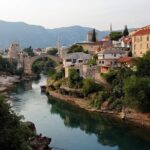
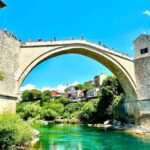
And yes, there’s a bridge moment. Arslanagića Old Bridge dates to the 16th century, and it’s often compared to the famous bridge at Mostar for the look and the feeling—just with Trebinje’s older, calmer vibe.
You can also read our reviews of more tours and experiences in Dubrovnik.
Price and what you actually get for $216.53
At about $216.53 per person for roughly 4 hours, this isn’t a budget snack tour. But it’s also not “pay a lot for nothing.” You’re paying for transport, a driver-guide, entry-free sightseeing time, and meals.
Here’s the value picture in plain terms:
- Hotel and port pickup/drop-off from Dubrovnik, which is where cruise days usually get messy
- Air-conditioned minivan so you’re not sweating through the transfer
- Wine tasting tied to the Tvrdoš Monastery experience
- Lunch and dinner, plus alcoholic beverages
- Guided stops at major Trebinje sites, including churches and a mosque area in the itinerary
If you try to recreate this on your own, the math gets tricky fast. Transport plus two meals plus guided border handling can easily turn into a half-day that costs more than expected. The best way to think about this price: you’re buying convenience plus a packaged cultural-food route.
Pickup in Dubrovnik: how to make it painless
This tour is built for an easy meet-up in Dubrovnik. You’ll be picked up close to your location—near good bus stops and hotels—plus they handle port pickup and drop-off. The tour also uses a mobile ticket, so you’re not scrambling for paper.
One detail I really like: the provider specifically notes that you should contact them by e-mail or WhatsApp/Viber if they don’t answer your call (because they may be on tour and prefer checking messages when they’re on Wi‑Fi). In one cruise-day experience, the guide messaged clear meeting instructions in advance and even included a photo of the minivan.
Practical tip: once you get your confirmation, message them at least a day before with your pickup point. Cruise days in Dubrovnik can change by pier logistics, and you’ll feel calmer if you lock in the exact curb spot.
Crossing into Bosnia and Herzegovina: passports matter
You’re not staying in Croatia-only territory. The itinerary includes a border crossing into Bosnia and Herzegovina, and a guide typically handles the process smoothly.
Here’s the important part: bring your original passport, not a copy. One unhappy experience on a similar booking came from border guards not accepting a copy of passport details. The issue wasn’t the general idea of paperwork—it was that copies weren’t accepted at the checkpoint. So do yourself a favor and keep your passport with you for the whole day.
Also, expect a bit of waiting. Even when the procedure goes smoothly, border steps are border steps. The guide usually keeps things moving, but it’s still wise to dress like you may stand around briefly.
Trebinje Old City: Ottoman streets, churches, and a bridge you’ll remember
This is where Trebinje starts to feel real, not just scenic. The itinerary includes Trebinje Old City for about an hour, and that timing is enough to see the key outdoor moments without dragging you through every side street.
You’ll see:
- Arslanagića Old Bridge from the 16th century
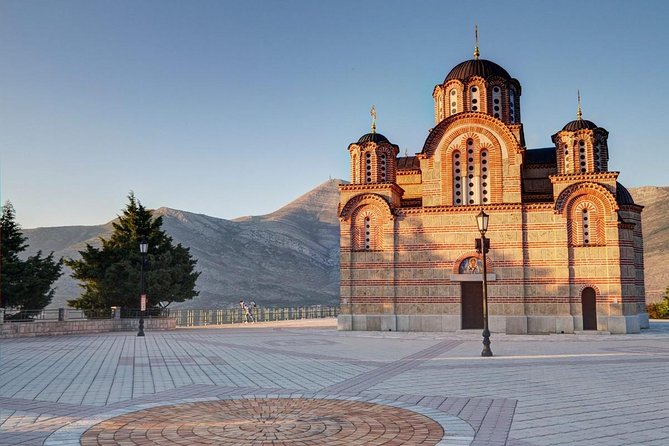
- The Holy Transfiguration Orthodox Cathedral
- A Catholic Church
- Two Muslim Mosque sites included in the route
- Orthodox Church of Blessings (Hercegovačka Gračanica)
That mix of sites does two things for you. First, it shows Trebinje as a cross-current town, not a single-culture stage set. Second, it gives you lots of visual anchors in a short walk: domes, stone details, courtyards, and views of the river area depending on where you pause.
What to do with your one-hour window: wear comfortable shoes and commit to looking up as much as you look ahead. The bridge is a natural photo stop, but the church and mosque exteriors add variety. Even if religious architecture isn’t your usual focus, the way these buildings sit close together makes the old town feel lived-in.
One consideration: if you’re hoping for long free time in the old streets, this route keeps you moving. That’s not a flaw—it’s the whole point of fitting Trebinje into a half day. Just go in knowing the walking time is planned, not open-ended.
Tvrdoš Monastery and winery tasting: the highlight with real personality
The Tvrdoš Monastery and winery stop is the part that tends to stick in people’s memory. It’s built into the experience as a guided visit and tasting, not just a quick pour.
What stands out from real-world experiences is how personal the tasting can feel. One guest described it as intimate and family-made, not like a large winery production line. In other words: you’re more likely to learn how wine and the setting connect than to just sample a row of labels and leave.
This is where you also get the food-and-wine logic of the day. Monastery settings bring a calm structure—then tasting breaks the quiet with conversation and flavor.
Practical tip: if you’re the type who likes to compare wines, slow down and pay attention. You’ll taste more than one pour, and the guide can point out differences if you ask. If you prefer to keep alcohol light, you still get value from the visit and the stories, and you can pace yourself.
Lunch and dinner in Trebinje: eating as the culture lesson
This tour includes both lunch and dinner, plus alcoholic beverages. That’s a big deal for value and also for the way the day flows. Instead of squeezing your meals between sights, the schedule uses meals as part of the experience—time to sit, eat, and absorb what you just saw.
One of the strongest compliments is about the guide sitting with people during the meal and sharing stories of home and the places you’re visiting. That’s exactly how cultural food moments work best: you’re not just filling your stomach, you’re getting context while you’re relaxed.
What you should expect:
- A traditional meal experience that fits the day’s setting
- Time to enjoy wine with the food, since alcohol is included
- A calmer pace compared to nonstop sightseeing
One consideration: because alcohol is included, you’ll want to keep an easy head for the drive back. Also, if you’re sensitive to heavy meals, plan to eat moderately at lunch and save your appetite for dinner.
How the guide style shapes the whole day
The driver-guide is not a throwaway role here. A lot of the strongest feedback is about guides making the logistics feel effortless and the stops feel meaningful.
Two names came up in experiences: Bojan and Tomi. Both were praised for clear English, smooth timing, and a personal approach. In one cruise-day situation, Bojan used WhatsApp to share instructions and a minivan photo, then handled border procedures so the group didn’t need to worry about the steps.
Also, some guides will take photos as you go and share them afterward via WhatsApp. That’s a small thing, but it saves you from doing constant phone juggling while you’re trying to see the sights.
If you want the best day, do this: ask one good question early—what you should look for at the bridge, or what matters most in the monastery/winery story. Then listen during the meal. Guides often tailor their explanations based on what you ask.
Timing and pacing: a half-day that still feels complete
The tour runs about 4 hours. It’s a half-day format, but it doesn’t feel like a token stop because you get a mix of:
- a monastery/winery tasting experience
- an old-town sightseeing loop with major religious and historic buildings
- structured time for lunch and dinner
You also have a choice of timings, which matters if you’re coordinating with a cruise arrival and departure window. This kind of scheduling flexibility is often what makes an out-of-the-way trip possible without turning it into an all-day stress marathon.
The other pacing factor: the minivan. For many people, a comfortable vehicle is the difference between enjoying a border day trip and just counting minutes until you’re back.
Who should book this tour?
This is a great fit if you:
- want Bosnia and Herzegovina in a short time from Dubrovnik
- love food-and-wine days where meals are part of the story
- appreciate architecture and small-city walking that doesn’t drag on for hours
- are looking for a calmer alternative to Croatia-only itineraries
It may be less ideal if you:
- get frustrated by border paperwork or uncertainty around timing
- hate structured schedules and prefer lots of free roaming
- are trying to keep alcohol completely out of the plan
Tips to get the most from your Trebinje gastro day
A few practical moves can upgrade the experience fast:
- Bring your passport and keep it accessible during the border crossing
- Wear comfortable shoes. You’re walking through old streets and stopping outdoors at the bridge and religious buildings
- Pace your wine tasting. Enjoy it, but don’t plan to race through dinner right afterward
- If you care about photos, ask the guide to take a few as you go—some guides share them afterward
And mentally: go in expecting a cultural-food route, not a museum parade. The monastery, the tastings, the meal, and the old town all work as one connected loop.
Should you book the Trebinje Gastro Tour from Dubrovnik?
I’d book it if you want maximum cultural payoff with minimum planning. The combination of Tvrdoš Monastery, guided tastings, historic Trebinje stops, and two meals (plus wine) makes the price make sense. It’s also one of the easier ways to add Bosnia and Herzegovina to a Dubrovnik trip without turning your day into logistics homework.
Just be strict about the one thing that can derail the day: your travel documents. If you have your passport ready and you’re open to a structured half-day schedule, this is the kind of trip that leaves you with a real sense of place—plus wine you’ll remember for the drive home.
FAQ
How long is the Trebinje gastro tour from Dubrovnik?
The tour lasts about 4 hours.
What is included in the price?
The experience includes wine tasting, a driver/guide, hotel and port pickup and drop-off, transport in an air-conditioned minivan, Tvrdoš Monastery, Old Town of Trebinje, the main religious and historic sites listed in the itinerary, lunch, dinner, and alcoholic beverages.
Is pickup provided from Dubrovnik?
Yes. The tour offers hotel pickup and drop-off, as well as port pickup and drop-off.
What language is the tour offered in?
The tour is offered in English.
What can I see in Trebinje during the old town stop?
You’ll visit Trebinje Old City and see places including Arslanagića Old Bridge, Holy Transfiguration Orthodox Cathedral, a Catholic church, two Muslim mosque sites, and Orthodox Church of Blessings (Hercegovačka Gračanica).
Do I get wine tasting on this tour?
Yes. Wine tasting is included, connected with the Tvrdoš Monastery visit.
Are meals included or do I need to pay extra for food?
Meals are included. Lunch and dinner are both part of the tour, along with alcoholic beverages.
What type of transport is used?
You travel by air-conditioned minivan (minibus).
Is a passport required since this includes another country?
Because the tour crosses into Bosnia and Herzegovina, you should have your passport ready. One experience showed that copies of passport information were not accepted at the border checkpoint.
Can I cancel for a full refund?
Yes. You can cancel up to 24 hours in advance for a full refund.