REVIEW · PULA
Waves & Watercolors: A Seaside Painting Workshop
Book on Viator →Operated by Waves & Watercolors: A Seaside Painting Workshop · Bookable on Viator
Salt air and paintbrushes, right on the shore. This seaside watercolor workshop turns Lighthouse Beach at Cape Verudica in Pula into your classroom, where you paint marine life and watch the Adriatic mood shift toward sunset.
I love that all painting materials are provided, so you don’t have to buy gear or hunt for art supplies. I also love the six-participant cap, which keeps the class relaxed and makes it easy to ask questions without getting lost in the shuffle.
The only real drawback to plan for is that the experience depends on good weather, and drinkwater plus sun and mosquito protection aren’t included.
In This Review
- Key highlights you’ll feel immediately
- Why this Pula workshop feels different from a typical art class
- Location: Lighthouse Beach at Cape Verudica (Verudela)
- Renata’s teaching style: technique first, stress last
- What you’re painting: sea turtles, dolphins, and the sea’s colors
- The real structure: what happens during the 2.5 hours
- Supplies included vs. what you must bring yourself
- Small group size: why six people changes the whole vibe
- Weather: what to do when the Adriatic gets moody
- Price and value: $66.01 for instruction plus full supplies
- Getting the most out of your session (practical tips)
- Who should book this watercolor workshop in Pula
- Should you book Waves & Watercolors in Pula?
- FAQ
- How long is the Waves & Watercolors seaside painting workshop?
- Where does the workshop start?
- Do I need any painting experience?
- What is included in the price?
- What should I bring with me?
- How many people are in the group?
- Who can participate?
- What happens if it rains?
- How far in advance should I book?
- What is the cancellation policy?
Key highlights you’ll feel immediately
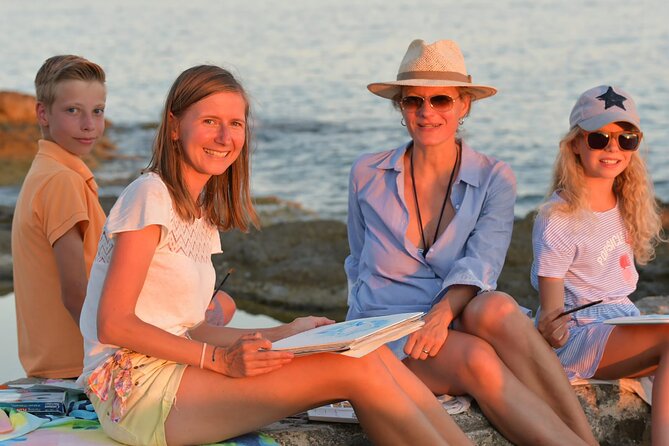
- All supplies included: watercolors, brushes, watercolor blocks, pencils, rubbers, and water jars
- A patient local teacher (Renata): clear instruction for both adults and kids, no experience needed
- Marine-life subjects: sea turtles, dolphins, and other sea creatures built into the lesson
- Max 6 participants: faster feedback and more personal attention
- A rain plan is built in: guidance changes if the weather turns, not the whole day ruined
Why this Pula workshop feels different from a typical art class
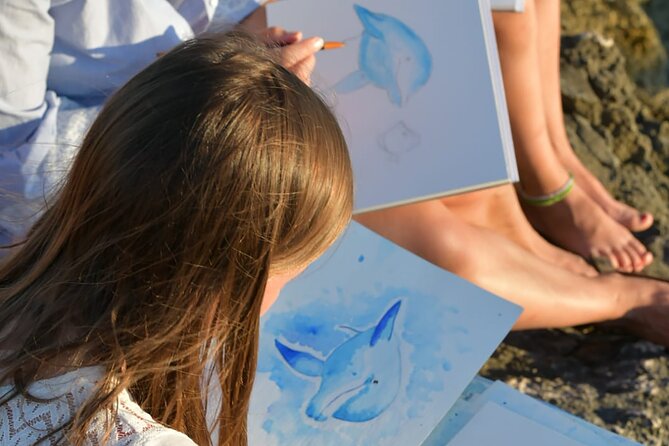
A lot of art classes happen in a room. This one happens at the waterline, with the sea breeze doing half the teaching. You get that rare mix of guided technique and real-time scenery: the sound of waves, salty air, and the natural light that only shows up when you’re outdoors.
The setting matters because watercolor is about timing. Light changes fast, and the best results come from quick, confident brushwork. Painting at Lighthouse Beach at Cape Verudica gives you a built-in reason to practice what the instructor teaches, even if you’ve never touched a watercolor set before.
It’s also designed for humans, not just art students. The workshop is friendly for locals and tourists, and it works for adults, children, and families. That matters in a place like Pula, where you might be traveling with people who don’t share your interests, but still want to do something together that feels worthwhile.
You can also read our reviews of more tours and experiences in Pula.
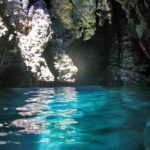
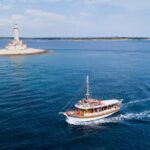
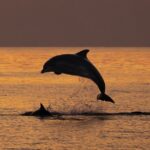
Location: Lighthouse Beach at Cape Verudica (Verudela)
The meeting point is Lighthouse Beach in Verudela, Pula, and the experience ends back there. That’s helpful because you’re not spending the whole time getting to and from a distant location. You get to arrive, set up, and then focus on painting.
Cape Verudica and the Verudela coastline are the kind of Adriatic surroundings where you can look up at the horizon between steps. Even if you’re painting marine life like sea turtles and dolphins, you’re still connected to the sea through the colors and the weather. You’ll also feel the practical benefit of staying on one site: you’re not tracking gear across town.
Do note this is an outdoor workshop. When the weather cooperates, it’s part scenic show and part skill-building class. When it doesn’t, you’ll rely on the teacher’s plan B, and you’ll want to bring what you need for comfort (more on that soon).
Renata’s teaching style: technique first, stress last
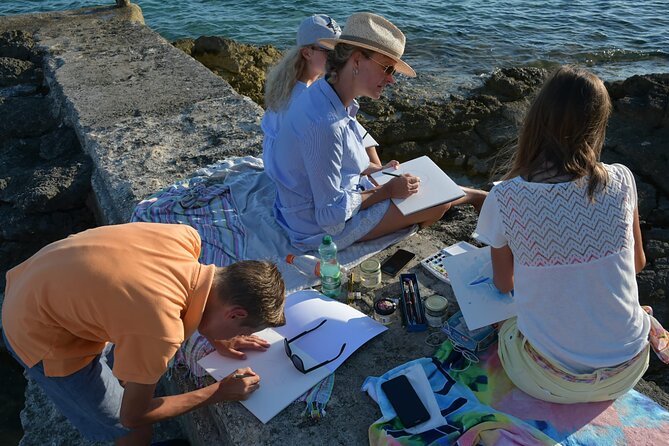
The instructor, Renata, is described as classically trained and focused on helping you find your own pace. The tone you’re aiming for here is encouraging and safe, not intimidating. That comes through in the way people talk about her: kind, patient, and willing to slow things down when someone is learning watercolor differences.
Watercolor has a reputation for being tricky. The good news is that the class explicitly teaches techniques for this medium. One review notes she explains how watercolors differ from other methods, which is exactly what beginners need. Instead of assuming you know what happens when water hits paper, you get the basics explained clearly.
And because it’s only up to six people, you’re more likely to get the kind of quick correction that makes a real difference. If your brush line is too dark, your color too heavy, or your timing off, you can adjust before the page locks in the result.
What you’re painting: sea turtles, dolphins, and the sea’s colors
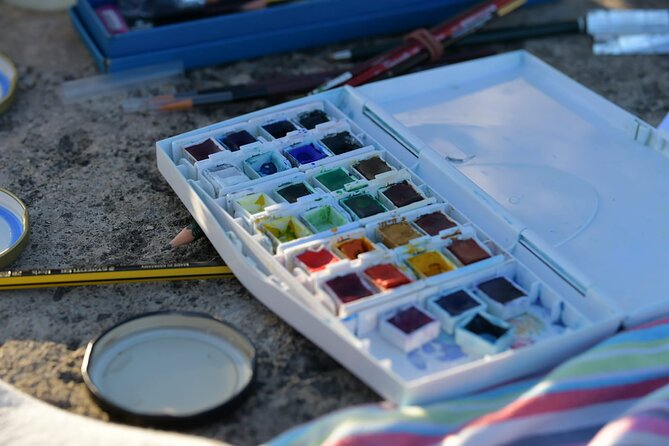
Your subject matter isn’t random. The workshop focuses on painting sea turtles, dolphins, and other marine life around you, guided step-by-step. That helps because it gives your brain a clear target while you learn watercolor technique.
You’re not just painting a picture of the sea. You’re painting the feeling of it—sounds, sea breeze, and especially the sunsets you’re likely to notice on the coast. Even if your final piece isn’t a photo-perfect replica, the class is set up so you can still create something that looks like it belongs in that place.
One useful thing here: marine-life themes are great for beginners because you can break them into shapes and values. A turtle or dolphin silhouette gives structure. Then the instructor can help you build color layers without requiring advanced realism.
The real structure: what happens during the 2.5 hours
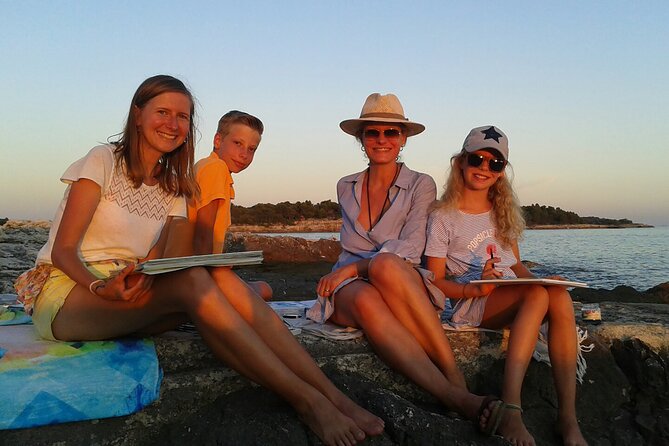
The workshop runs about 2 hours 30 minutes (approx.). You’ll also see it described as around 2 hours for the core painting time. Plan for a relaxed flow rather than a hard sprint.
Here’s how the experience typically plays out, based on what the format is set up to do:
- Arrive, get set up, and start with materials
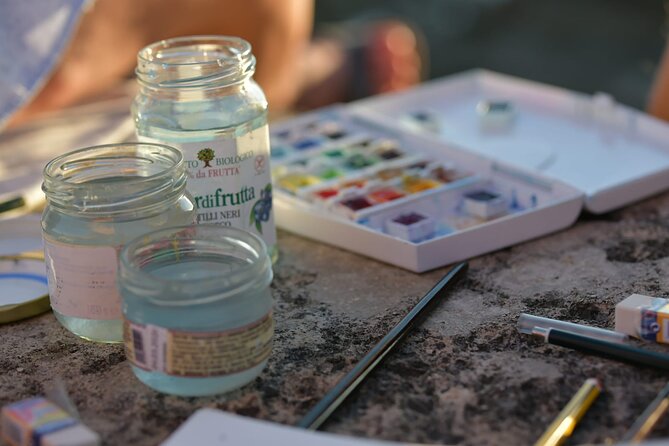
You’ll receive your own painting equipment: watercolors, brushes, a watercolor block, pencils and rubbers (for sketching and correcting), plus glass jars for water. Since everything is provided, you can keep your focus where it belongs: on painting.
- A simple technique intro
You should expect at least some basic watercolor instruction. One review mentions an emphasis on techniques and explanations about how watercolor works differently than other painting methods. Another review also suggests an option to split the workshop into shorter formats, which hints that there is often practical technique time before the main piece.
- Main painting session guided by Renata
This is where you apply the technique to the specific subjects: sea turtles, dolphins, and other marine life. Because the group is small, Renata can help people at different speeds. That’s a big deal when you’re learning a medium that rewards trial and adjustment.
- Optional flexibility if timing gets tricky
One participant described Renata offering flexibility when it got dark and they needed extra time to finish their larger painting. That tells you the atmosphere isn’t rigid. If something goes off-script due to light or pace, the teacher seems willing to help you keep your momentum.
You’ll leave with your own finished painting (or a near-finished piece you’ve built confidence on). Either way, the point is to make sure you feel capable enough to paint again after you go back home.


Supplies included vs. what you must bring yourself
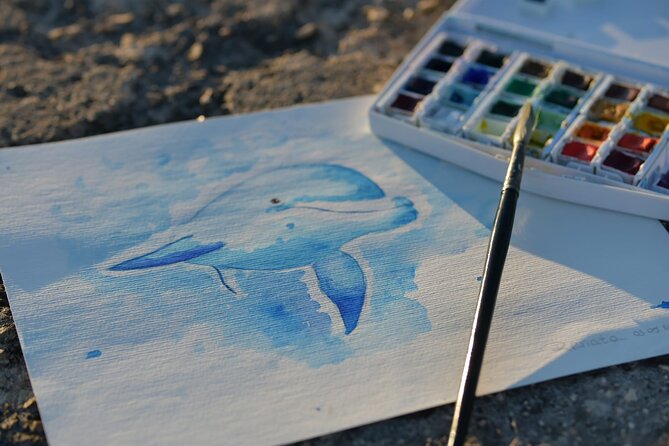
This workshop is unusually good on the “included” side. You don’t need to source art supplies in advance. You’re provided:
- watercolors
- brushes
- watercolor blocks
- pencils
- rubbers
- glass jars for water
What you should bring is basic comfort and protection. Drinkwater, sunscreen, and mosquito cream are not provided, so pack them. And because you’re outdoors by the sea, plan for sun even if the sky looks changeable.
If you’re one of those people who gets irritated by insects quickly, I’d take the mosquito cream seriously. You’re on the coast, and long outdoor sessions can turn into an itchy lesson if you’re not prepared.
Small group size: why six people changes the whole vibe
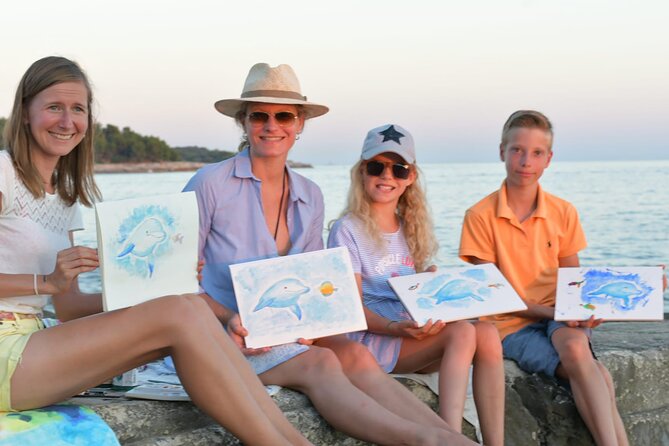
A group size of max 6 travelers might sound like a minor detail, but it changes everything.
In a larger class, you can spend half the time waiting for attention, which kills the confidence you need for watercolor. Here, the instructor can see what each person is doing and explain technique in a way that matches what’s happening on your paper.
This also makes the workshop a social win. One of the standout themes in feedback is that people come as strangers and leave with new friends. That’s not just a nice extra; it’s part of the value when you’re traveling. Doing something creative together is often easier than trying to chat your way into local friendships.
If you like smaller tours because you want more interaction and less performance energy, this fits.
Weather: what to do when the Adriatic gets moody
Because this takes place outdoors, the experience requires good weather. If it’s canceled due to poor weather, you’ll be offered a different date or a full refund.
The good news is that Renata also has a rain plan. One review describes a perfect alternative place when it rained mid-session. Another review suggests the workshop can adjust without turning into a disappointment-fest.
So you don’t need to treat weather as a total deal-breaker. But you should still check the forecast before you go and dress for the conditions. Also remember that in coastal climates, light can change quickly. If you’re the type who worries about finishing on time, the small group and Renata’s flexibility can help reduce that pressure.
Price and value: $66.01 for instruction plus full supplies
At $66.01 per person, this isn’t a cheap “watch someone paint” activity. But it also isn’t a full retail art supply purchase disguised as a tour.
You’re paying for:
- a local instructor (Renata) teaching watercolor technique
- a two-and-a-half-hour guided experience
- all painting materials provided, including watercolor blocks and water jars
If you’ve ever priced watercolor sets and brushes, you know the math adds up fast. This class bundles the materials into the lesson, so you’re not left with a half-used set later.
It’s also value-rich because you’re not just buying art instruction. You’re buying an outdoor coastal experience in Pula that’s built around creativity. The setting helps the lesson feel personal, which is often what makes people actually keep practicing after the trip.
Getting the most out of your session (practical tips)
You’ll have the best time if you treat this like a relaxed learning workshop, not a test.
Here are a few things I’d do before you arrive:
- Bring water and sun protection since those aren’t included
- Use mosquito cream if you’re sensitive to bites
- Wear something you’re okay getting a little color on (watercolor can be hard to fully control on clothing)
- Arrive with an open mind. The class is clear that no experience is needed, and the real goal is confidence, not perfection.
Also, if you’re with family or kids, plan for patience. Watercolor is slow by nature. The best results come from letting colors soften and spread the way they want to, instead of forcing them into a hard edge.
Who should book this watercolor workshop in Pula
This is a strong match if you:
- want a creative activity that’s beginner-friendly
- prefer small groups and hands-on guidance
- like coastal scenery and don’t want a museum-style day
- travel with kids, teens, or mixed-interest groups (it’s designed for adults, children, and families)
- enjoy meeting people in a structured setting
It might not be the best fit if you:
- need a guaranteed indoor plan regardless of weather
- hate outdoor sitting with sun and insects
- want a super-fast class with no technique instruction
But for most people looking for a memorable, practical experience in Pula, this hits the sweet spot.
Should you book Waves & Watercolors in Pula?
Yes, with a simple checklist.
Book it if you want a small, teacher-led watercolor session that includes supplies and paints real coastal themes like sea turtles and dolphins at Lighthouse Beach. The small group size and Renata’s patient approach are exactly the kind of details that turn a vacation activity into a meaningful memory you can hang on your wall.
Skip or reconsider if you’re not comfortable planning around outdoor weather or if you don’t want to pack sunscreen, water, and insect protection. Also, because spots are limited to six, I’d plan to reserve early if your dates are fixed. On average, people book about 35 days in advance.
If you’re flexible on timing and you’re curious about watercolor, this is the kind of experience that leaves you with more than photos. It leaves you with proof that you can make something, even on a first try.
FAQ
How long is the Waves & Watercolors seaside painting workshop?
The class runs about 2 hours 30 minutes (approx.), with the main painting time described as around 2 hours.
Where does the workshop start?
It starts at Lighthouse Beach, Verudela, 52100 Pula, Croatia, and ends back at the same meeting point.
Do I need any painting experience?
No. The workshop is designed so you can participate with no experience needed, just an open mind.
What is included in the price?
All painting equipment is included, including watercolors, brushes, watercolor blocks, pencils, rubbers, and glass jars for water.
What should I bring with me?
Drinkwater, sunscreen, and mosquito cream are not provided, so you should plan to bring them.
How many people are in the group?
The workshop has a maximum of 6 travelers, which keeps the experience more personalized.
Who can participate?
It’s suitable for adults, children, and families, and most travelers can participate. Service animals are allowed.
What happens if it rains?
The experience requires good weather, but there is a plan B described in feedback. If the activity is canceled due to poor weather, you’ll be offered a different date or a full refund.
How far in advance should I book?
On average, this workshop is booked about 35 days in advance.
What is the cancellation policy?
You can cancel for free up to 24 hours in advance for a full refund. If you cancel less than 24 hours before the start time, you won’t receive a refund.