REVIEW · SPLIT
Wine, Honey & Olive Oil of Solta Island – Tasting Tour
Book on Viator →Operated by Discover Šolta · Bookable on Viator
Food tastes better when someone explains it while you’re eating. This tour focuses on three Šolta icons—olive oil, wine, and honey—served family-style across the island. It’s the kind of 4-hour day that turns a quick stop into a real feel for how people live and work on Šolta.
My favorite parts were the stop-by-stop introductions that actually change how you taste, especially at the olive mill and honey farm. I also liked that the guide kept things personal, with Frane and his family showing you the process and answering questions in excellent English, not just walking you from place to place.
One thing to think about: you need to plan around the ferry schedule and the tour ends back at Rogač for your next connection. If you’re hoping for a full day on the island without timing pressure, this is more of a focused tasting sprint than a slow, lounging adventure.
In This Review
- Quick take: what makes this Šolta tasting tour worth your time
- Rogač timing, ferry realities, and why the schedule feels easier than it sounds
- Olynthia Olive Oil: what you learn and why the tasting hits differently
- Marinac Winery in Srednje Selo: island wines plus a snack, not a lecture
- Tvrdić Honey in Grohote: rosemary honey, bee stories, and seeing the hive
- How the tastings fit together: building a real Šolta flavor map
- What to expect from your guide and group setup
- Price and value: is $248.53 per person a good deal?
- Practical tips: how to make the most of your tasting day
- Who should book this tour (and who might want a different style)
- Should you book Wine, Honey & Olive Oil of Solta Island?
- FAQ
- How long is the Solta tasting tour?
- Where does the tour start and end?
- Is the ferry from Split included in the price?
- What’s included in the tour fee?
- What language is the tour offered in?
- Is this a private tour?
- Is there time to swim during the tour?
- Can I cancel and get a full refund?
Quick take: what makes this Šolta tasting tour worth your time
- Dedicated guide attention: you’re not mixed into a large crowd, and you can ask real questions as you go.
- Olive oil beyond the basics: varietal oils, flavored versions, plus tasting-sized extras like fig jam and spreads.
- Wine with an island feel: a family-run winery visit with typical Šolta wines and a snack.
- Honey farm storytelling: get the beekeeper’s perspective, taste rosemary honey, and see bees in the hive.
- Ferry-friendly routing: pickup and drop-off centered on Rogač so you can catch your next ferry with minimal hassle.
Rogač timing, ferry realities, and why the schedule feels easier than it sounds
This is built around the way you actually move between Split and Šolta. Your meeting point is at Rogač Okretište, and the flow is designed so you’re not stuck guessing where to go once you arrive. Your day starts with a quick transfer by minivan, and it ends back at the same spot so you can catch your ferry to Split or continue onward on the island.
The big practical point is the ferry timing. The ferry to Šolta leaves about one hour before the tour starts, so you’ll want to be organized on the Split side. The good news: you’re not responsible for the island driving logistics. The tour handles the island legs between farms and producers, and that alone makes the day feel smoother.
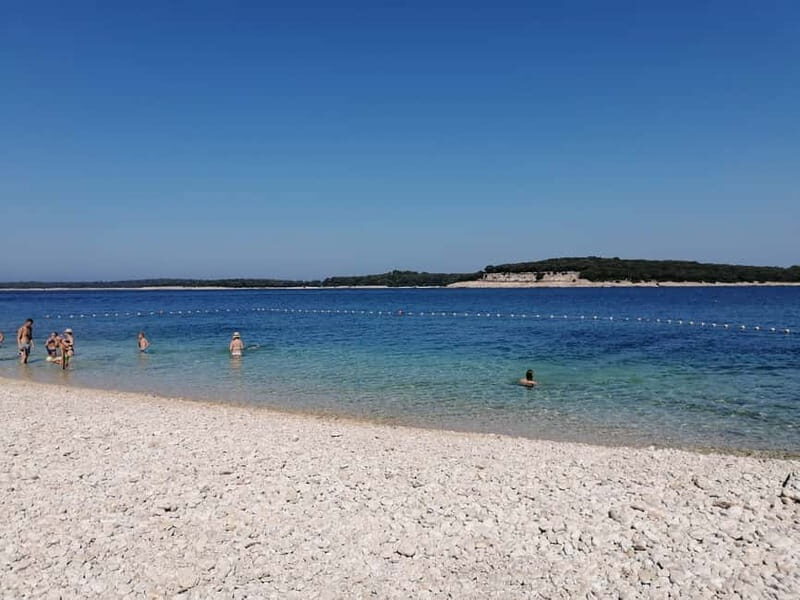
You also get a little breathing room built in. There’s free time to spend, and swimming is specifically mentioned. That means the tour doesn’t just end with tastings and goodbye. It gives you a chance to turn the last portion of the day into something more relaxing—think quick dip time, or a short reset before your boat.
You can also read our reviews of more tours and experiences in Split.

Olynthia Olive Oil: what you learn and why the tasting hits differently
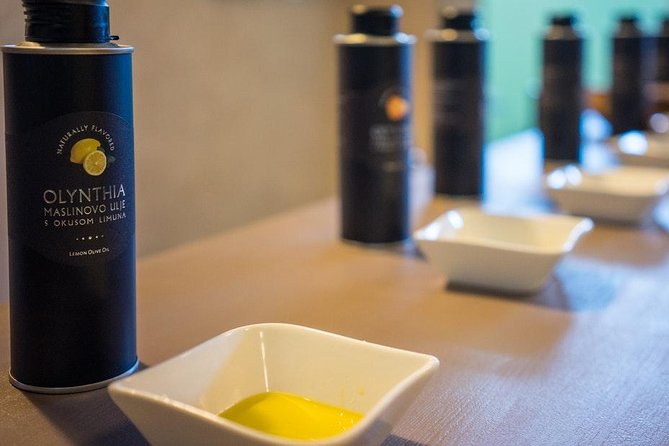
Your first meaningful flavor lesson happens at Olynthia Olive Oil, an awarded olive mill. This is where the tour shifts from simple tasting to understanding. You’re shown how olive oil production works, not just sold a product. That matters because when you know what’s behind the taste—processing style, varietal character—you start noticing differences right away.
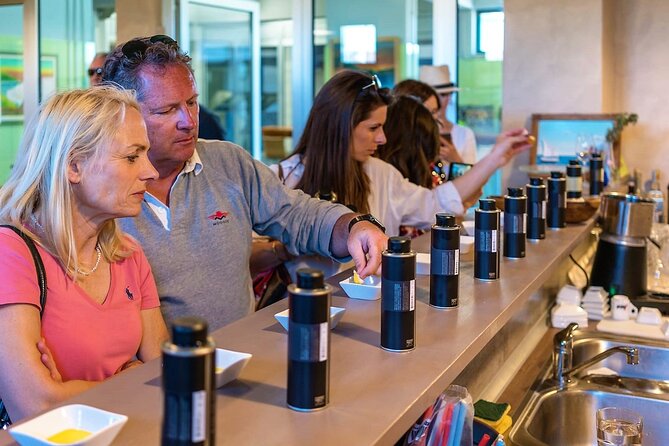
Then comes the tasting. You’ll sample varietal olive oils that you can find only on Šolta. That phrase is key. A lot of olive oil tastings around the region can feel repetitive if everything tastes similar. Here, the focus is on oils tied to the island’s own growing character, so you’re more likely to say, OK, I get why this tastes like this.
Expect more than plain oil on the table. The format includes flavored olive oils and island-made accompaniments like fig jam, olive spreads, and even options tied to traditional produce such as artichokes. If you’re the type who likes to bring back more than a single bottle, this stop is where you’ll get ideas for what to pack into your kitchen at home.
A drawback to consider: if you’re not into food science or production details, the mill tour can feel a bit longer than a pure tasting-only visit. Still, the upside is that you’re tasting with context, and the guide’s job is to keep it understandable rather than academic.
Marinac Winery in Srednje Selo: island wines plus a snack, not a lecture
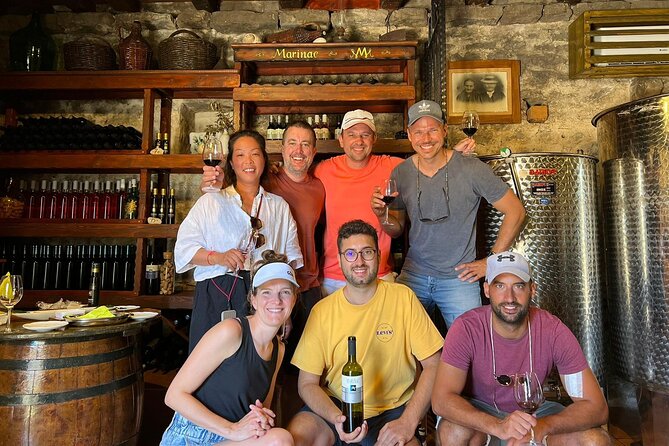
After the olive oil stop, you head to Srednje Selo for the Marinac Winery, a family-run place. This is the part of the tour that balances the day. After learning and tasting oil, you switch to wine and island-style pairing.
The tour focuses on typical wines from Šolta, and the visit includes tasting with a snack. The value here is rhythm: you’re not getting hit with too much heavy food at every stop, and the snack gives you enough energy to keep enjoying the tastes without feeling stuffed.
You’ll also feel the difference between big-brand tourism and small family production. The tone tends to be personal—questions welcome, explanations in plain language, and the emphasis on what they grow and make rather than what the label wants you to believe.
If you’re picky about wine categories, you’ll likely find something to like, but you should also keep expectations realistic. This is a tasting experience built around regional character, not a fancy blind-bottle competition. It’s more about learning the island’s style than collecting rare trophies.
Tvrdić Honey in Grohote: rosemary honey, bee stories, and seeing the hive
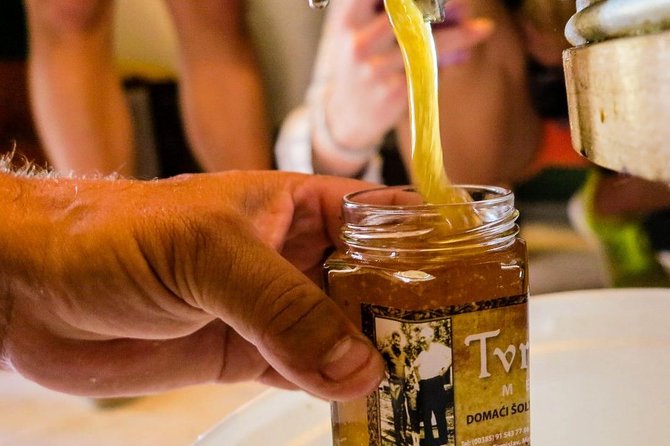
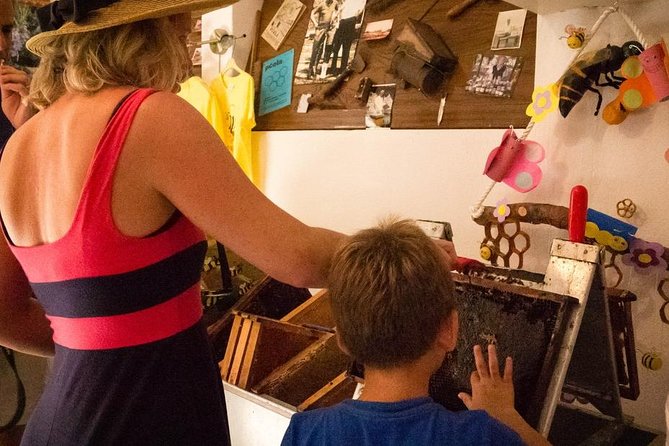
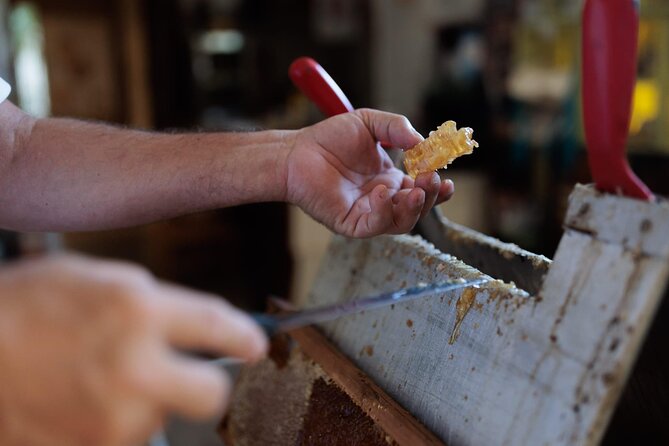
This is often the most memorable stop of the day because it’s interactive in a simple way. You travel to Grohote and meet the Tvrdić family at their honey operation. Instead of staying abstract, you get the beekeeper’s story about bees and honey—how they think about the season, what they watch for, and what makes their product taste like it does.
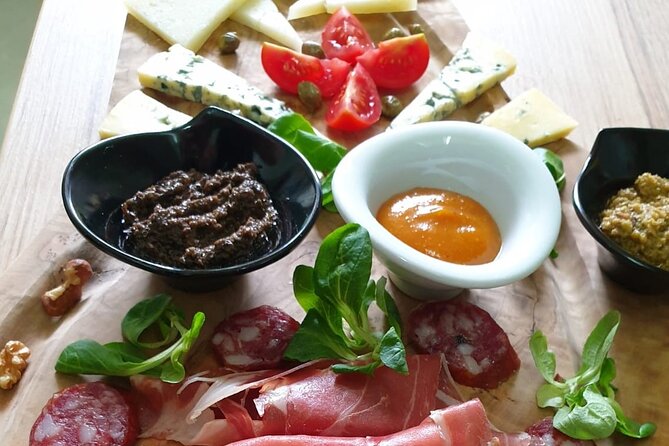
Then you taste. The highlight is rosemary honey, a classic flavor tied to the island. You’ll also sample other bee products, so you’re not limited to just one spoonful and a wrap-up. This is the kind of tasting where you start imagining how honey becomes part of daily life, not just a souvenir.
One detail that really seals the experience is the chance to see bees in the hive. If you like animals, if you’re curious about how people manage hives, or if you just want your brain to connect honey to something real, this stop delivers. It’s also a good moment for photos, as long as you follow whatever safety and handling rules you’re given on-site.
Possible consideration: honey is strong-flavored. If you’re sensitive to bold scents or sweet flavors, pace yourself through the tastings. A sip of something neutral—or just taking small bites—goes a long way.
How the tastings fit together: building a real Šolta flavor map
What I like about this tour is that it doesn’t treat olive oil, honey, and wine like three random stops. The island theme ties them together.
- Olive oil is about the land and the harvest rhythm. Once you understand the production process, you start tasting structure—bitterness, fruitiness, intensity—rather than only guessing if it tastes good.
- Honey is about what the bees gather and what’s in bloom. Rosemary honey is a clear example of that, and the beekeeper explanation helps you connect scent to landscape.
- Wine is the more social side of the trio—how a family-run producer shares a house style with a snack and conversation.
Because the day is guided and paced, you’re not just collecting flavors. You’re building a mental map of what Šolta does well and why it tastes different from mainland versions. That’s the big difference between this and a self-guided shopping mission.
What to expect from your guide and group setup
This is set up as a private tour/activity, meaning it’s just your group. That matters. You get more time for questions, and you’re less likely to feel rushed when you want to ask about ingredients, production, or what to buy.
The tone from the experiences is welcoming and friendly, with Frane acting as the guide and people from the host families stepping in at each location. One visit includes Goran at the honey farm as the key person sharing the bee story. That kind of direct host interaction is a big part of why the tastings feel genuine instead of scripted.
Language is also a real strength here. The tour is offered in English, and the communication style is described as strong enough that you can understand details without needing a translator app.
Price and value: is $248.53 per person a good deal?
At $248.53 per person for about 4 hours, the price may look steep at first glance—especially because ferry tickets aren’t included. One-way ferry rides from Split are typically 4–5€, so factor that into your total if you’re adding the boat cost yourself.
But the value shows up in what’s included: food tasting, wine tasting, and a local guide, plus the driving between stops via minivan. You’re paying for access to three production-focused places (olive mill, winery, honey operation), not just three quick gift shops. You’re also paying for guided explanation, which is what turns a purchase into a better buying decision.
If you like food and want to take home more than a single bottle, this can feel like good value because it teaches you what you actually taste. And if you’re traveling with a small group, the private format reduces the common problem of feeling like a passenger in a large group bus schedule.
The best way to judge fit: if you’d rather spend money on experiences that come with real context, this is a smart use of a half day. If you only want a casual walk-and-sample, you might find a shorter tasting option more cost-friendly.
Practical tips: how to make the most of your tasting day
A few simple choices will make the day easier:
- Plan for ferry timing: the ferry leaves from Split 1 hour before the tour starts, so don’t assume you can sleep in and stroll up to the terminal.
- Bring swim basics if you want the free time: swimming is specifically mentioned, and the tour ends back at Rogač where you can make the most of that window.
- Wear shoes for uneven ground: olive mills and farms can involve outdoor walking, even if it’s not a full hike.
- Go hungry but not starving: you’ll have tastings and a snack at the winery, but lunch isn’t listed as included. If you want a proper meal, plan for something on your own after.
Also, consider what you want to buy. With tastings covering oil, spreads, fig jam-type pairings, and honey, you may end up with multiple items. Leave room in your bag and be realistic about carrying bottles.
Who should book this tour (and who might want a different style)
I think this tour is a great fit if you:
- love food that comes with explanation
- want a focused look at Šolta’s producers
- prefer a guided, friendly setup over wandering on your own
- want a half-day structure that still leaves time for swimming
It may be less ideal if you:
- hate scheduled timing around ferries
- only want the absolute minimum walking and maximum lounging time
- aren’t interested in tasting across multiple categories (oil, wine, and honey all in one day)
Should you book Wine, Honey & Olive Oil of Solta Island?
Yes, if you’re on Šolta or passing through Split and you want a meaningful food experience that helps you understand what you’re tasting. The strongest part is the way the day is built: you learn production, then taste the results, then watch it come together across three island staples.
I’d book it if you can match the ferry schedule and you’re okay with tastings replacing a full sit-down lunch. It’s a smart way to use a limited amount of time, especially when you value personal hosting and hands-on explanations.
If you’re more of a beach-first traveler with zero interest in production stories, you might choose a simpler day plan. But if you like your souvenirs to come with context, this tour is hard to beat.
FAQ
How long is the Solta tasting tour?
It runs for about 4 hours.
Where does the tour start and end?
It starts at Rogač Okretište (21430, Rogač) and ends back at the same meeting point.
Is the ferry from Split included in the price?
No. Ferry tickets are not included. The one-way ferry is about 4–5€, based on the info provided.
What’s included in the tour fee?
You get food tasting, wine tasting, and a local guide.
What language is the tour offered in?
It is offered in English.
Is this a private tour?
Yes. It’s private, meaning only your group participates.
Is there time to swim during the tour?
Yes, there is free time to spend, and swimming is mentioned as part of that free time.
Can I cancel and get a full refund?
Yes. You can cancel for a full refund if you cancel at least 24 hours before the experience starts.