REVIEW · DUBROVNIK
Wine tour Peljesac
Book on Viator →Operated by Feel Dubrovnik · Bookable on Viator
Plavac mali tastes better on the coast. This Pelješac wine tour hits three wineries in a small group and keeps the focus on native grapes like Plavac mali and Rukatac, with real stories behind what’s in the glass. One thing to plan for: lunch isn’t included, so you’ll want to line up a seafood meal when the day ends.
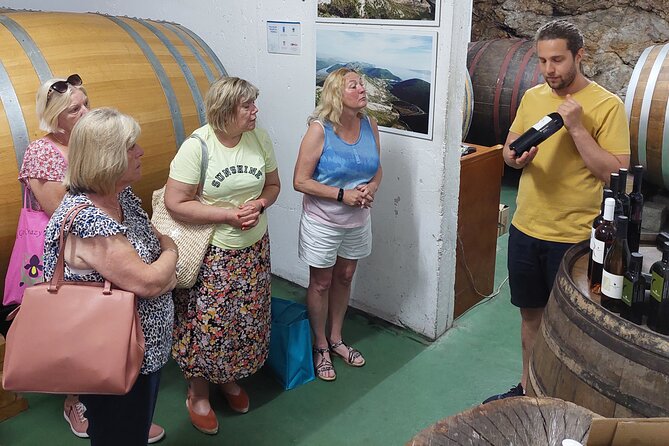
From Dubrovnik, you’ll ride out in an air-conditioned vehicle with pickup from the port, hotels, apartments, and villas, then settle in for a full 7 to 8 hours of tastings and sightseeing. The vibe stays friendly and unhurried, especially with a max group size of 8 and an English-speaking guide. If you want maximum freedom to wander on your own all day, this structured route may feel a bit “set itinerary,” even though it’s paced well.
In This Review
- Key Highlights You’ll Care About
- Riding Out From Dubrovnik: How This Day Actually Feels
- Broce Winery: Plavac mali and Rukatac in a Small Family Setting
- Potomje Winery: Plavac mali From Their Own Sites (Postup and Dingač)
- Boljenovići Ponikve: Third-Generation Wine Identity and Liqueurs
- Ston Finale: Salt Pans and the Walls of Ston
- What You Actually Get to Taste (And Why “Up to 4 Wines” Matters)
- Ordan’s Driver-Guide Effect: Small Group, Big Conversation Value
- Price and Value: Why This Tour Can Be Worth the Cost
- Practical Tips for a Smooth Pelješac Day
- Who Should Book This Tour (And Who Might Not)
- Should You Book the Wine Tour of Pelješac From Dubrovnik?
- FAQ
- What time does the Pelješac Wine Tour start?
- Where is pickup offered?
- How long is the tour?
- How many wineries are included?
- How many wines will I taste?
- Is lunch included?
- Is the tour offered in English?
- Is free cancellation available?
- What’s the group size?
Key Highlights You’ll Care About
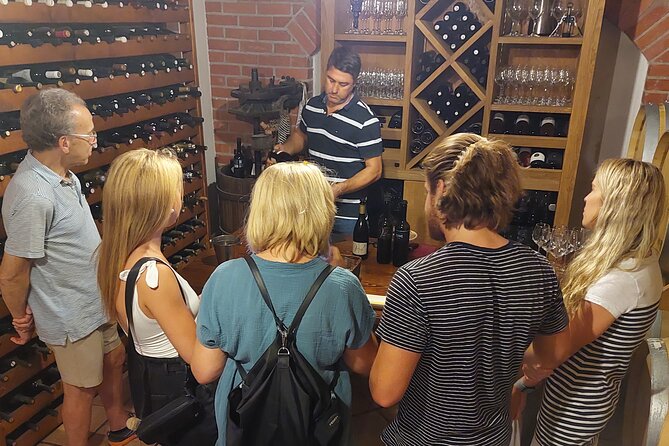
- Up to 4 wines per winery with guided tastings, not a rushed pour-and-go
- Three Pelješac stops plus Ston so you get both wine and an iconic medieval town
- Native-grape focus on Plavac mali (and Rukatac at one winery)
- Small group size (max 8) means you can ask questions and actually hear the answers
- Ston salt pans and Walls of Ston add a memorable, non-wine finale
- Driver-guide value: one guide named Ordan is noted for information and for arranging a top lunch table when possible
Riding Out From Dubrovnik: How This Day Actually Feels
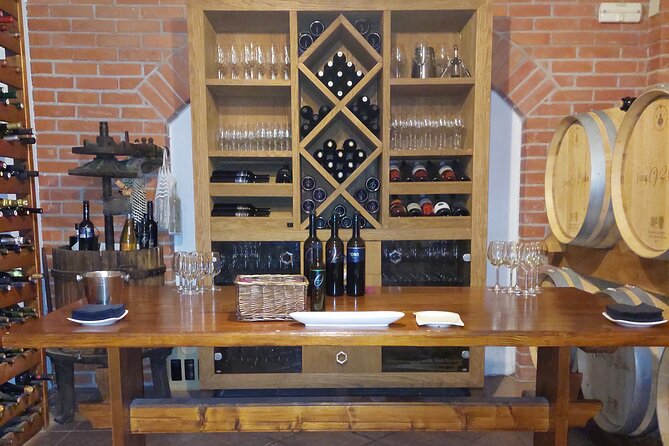
You start at 10:00 am with pickup from the places you’re most likely already staying: the port, hotels, apartments, and villas. That matters because Pelješac isn’t just a casual stroll-away from Dubrovnik. You’re paying for transportation and time, so the tour only makes sense if you’re happy spending part of the day on the road.
The vehicle is air-conditioned, which is a quiet blessing on warmer days. And because the group caps at 8, you don’t get that “everyone’s trying to squeeze into the same conversation” chaos. It’s structured, yes, but it doesn’t feel like cattle.
Price check: at $270.36 per person for a 7–8 hour day, you’re not just buying tastings. You’re buying guided wine time, the winery entry/fees that come with tastings, and the logistics to reach multiple producers plus Ston. If you’ve tried DIY wine tastings from Dubrovnik, you know the hidden costs add up fast: time driving, finding the right place, translating what you’re tasting, and figuring out lunch afterward.
You can also read our reviews of more tours and experiences in Dubrovnik.
Broce Winery: Plavac mali and Rukatac in a Small Family Setting
Broce is your first winery stop, located just a few minutes drive from Ston. That short hop is handy: you’re not stuck in the car forever before your first glass.
This is a small family winery with a tradition of producing native Plavac mali and Rukatac. I like that it starts with a “root grapes” approach rather than a generic tasting lineup. You’ll get a guided experience built around their selection of wines, plus other products that show how local this industry is—not just wine.
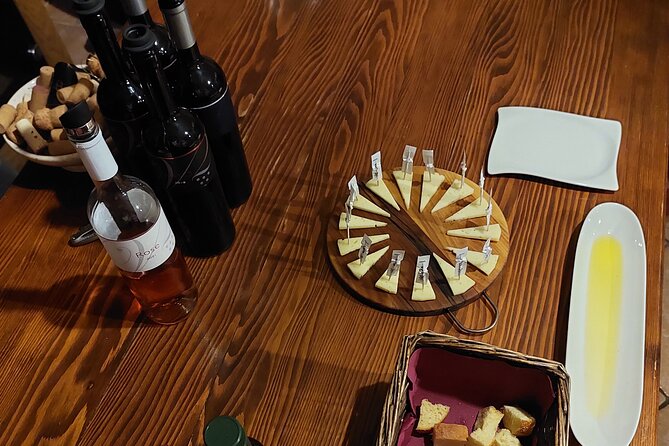
What makes Broce especially interesting is what’s on offer beyond standard bottles. You can taste liqueurs, brandy, vinegar, and olive oil. That broader menu is useful if you’re the type who always thinks, “Sure, wine is great… but what else should I bring home?” Here you get that answer in the same place.
Time on paper is about 1 hour, and that’s realistic for a guided tasting that still leaves breathing room. The main drawback is also obvious: one hour can feel quick if you get chatty about details, so don’t be surprised if you want a second pass after the tour ends.
Potomje Winery: Plavac mali From Their Own Sites (Postup and Dingač)
Next up is Potomje, on the south side of Pelješac, near steep vineyard slopes. You can feel the logic of the location in how wine styles are discussed there: steep terrain tends to raise the stakes for farming, and Pelješac is the kind of place where grape origins matter.
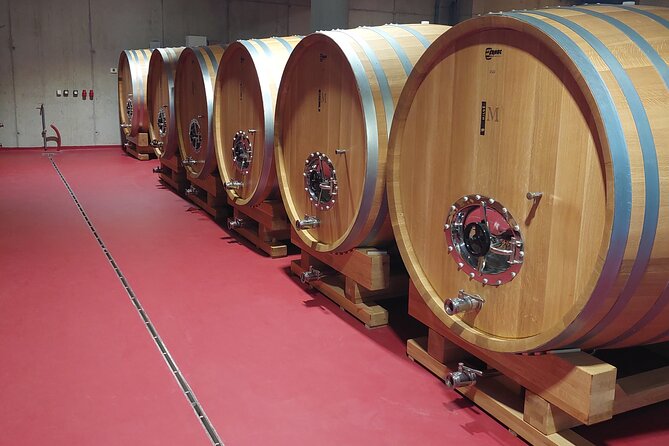
Here, the focus is Plavac mali, grown from Postup and Dingač. The key detail is that this winery uses grapes from their own plantations. They produce limited-quantity, top-quality wines, and because they prioritize quality over quantity, bottles can be hard to find elsewhere. That’s a big reason this stop fits the whole “don’t just taste wine, learn why it’s special” approach.
You’ll have another about-1-hour tasting window. The “limited quantities” idea is worth paying attention to even if you’re not a collector. It changes the vibe of the tasting: you’re not just sampling what’s easy to buy. You’re seeing a production mindset that’s tied to scarcity, patience, and site identity.
The only potential downside here is expectation-setting. If you expect a huge, flashy “tourist production,” this winery is more about focused output. You’ll likely enjoy it more if you like straightforward explanations and hands-on wine conversation.
Boljenovići Ponikve: Third-Generation Wine Identity and Liqueurs
Boljenovići Ponikve is your third winery stop, and it leans into identity. This is run by third-generation wine producers, and they highlight wine with its own character and autochthonism, meaning the connection to local land and native grapes is part of the sales pitch—but also part of the reality of what you taste.
They describe a fruit-flavored style that’s robust, with aromas typical to the wine variety and land where it grows. Even if you don’t go deep into tasting notes, that kind of language can help you listen better while you sip. It gives your brain a framework: you’re tasting the grape expression and the place, not just “red wine that tastes like red wine.”
This stop is shorter at 45 minutes, and that’s actually a good thing. By this point, your palate is awake, your questions are flowing, and you still have Ston waiting. If the day ran long at wineries only, you’d risk turning the “learning” part into “too much wine too fast.” This timing keeps it balanced.
Besides wines, you’ll taste different kinds of liqueurs. If you enjoyed the broader selection at Broce, you’ll probably like how this stop adds a different angle—sweet spirits that show up differently than standard tasting glasses.
Ston Finale: Salt Pans and the Walls of Ston
After three wineries, you finish with Ston, a medieval town known for two big things: ancient salt pans and the Walls of Ston. This is the part of the day that feels like a palate reset without pretending you’re not still in wine-country.
Ston’s salt pans are described as the oldest active salt pans in the world. That’s not a throwaway line. Salt-pans shape the history of the region—what people did for work, how they built communities, and what they exported. Even if you don’t go full interpretive-museum mode, you can feel why locals would care about a working salt industry that has lasted for generations.
Then there’s the Great Wall of Europe concept: the Walls of Ston are called the longest fortification wall in Europe, built in the 14th century. Whether you measure it in actual steps or just experience it visually, the scale tends to land. You get enough time here for a real wander, and 30 minutes is usually enough to see the highlight views and get photos you’ll actually want later.
One consideration: 30 minutes is still short. If Ston is the reason you booked this (instead of Pelješac wines), you may want to stay longer on your own after the tour ends.
What You Actually Get to Taste (And Why “Up to 4 Wines” Matters)
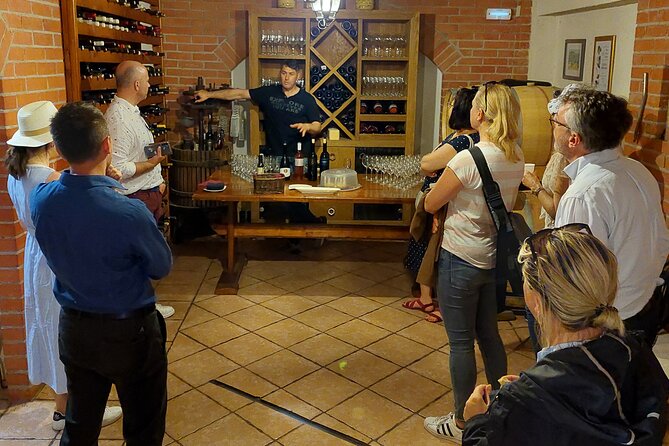
The tasting offer is guided wine tasting of up to 4 wines in each winery, and alcohol beverages are included. That detail is what I look for when choosing wine tours, because “unlimited” tasting can turn into a blurry experience where you can’t tell what you liked for a reason.
Up to 4 wines per stop is a sweet spot. It gives you enough variety to compare styles, grape expressions, or production choices while keeping you mentally present. It also helps with pace across a 7–8 hour day. By the third winery, you’re not guessing what you had earlier—you’re still tracking it.
If you’re the type who wants to remember what you drank, here’s a simple approach: pick one thing you liked in each winery and ask one follow-up question about it. You’ll get a more personal takeaway than just collecting labels.
Ordan’s Driver-Guide Effect: Small Group, Big Conversation Value
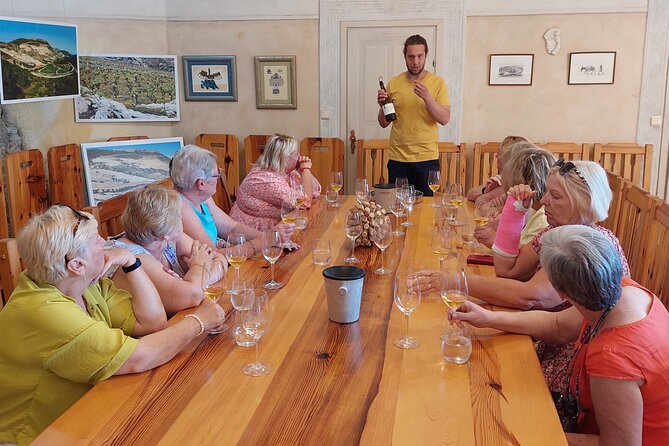
One of the strongest bits of praise centered on the driver, Ordan, who was described as a mine of information. That tracks with what you want from a route like this. You’re not just touring wineries; you’re moving through a specific part of Croatia where grape names, vineyard sites, and regional history matter.
A good driver-guide does two things at once: they keep the schedule moving and they translate what you’re seeing into something you can use. In one account, Ordan also arranged a table for lunch at a top seafood restaurant with magnificent views. Even though lunch isn’t included in the tour price, this kind of help can be a real advantage—especially if you don’t want to gamble on where to eat after a long day.
So if you book, come ready with simple questions. Ask about what you’re tasting, ask what to look for when buying bottles later, and ask where the best local seafood tends to be. Even if nothing is “guaranteed,” a knowledgeable guide can often point you toward a good option fast.
Price and Value: Why This Tour Can Be Worth the Cost
$270.36 per person sounds like real money, so let’s make the comparison fair.
You’re paying for:
- Dubrovnik pickup and air-conditioned transport
- All fees and taxes connected to the experience
- Guided tastings at three wineries
- Alcoholic beverages included (up to 4 wines per winery)
- A guided stop in Ston at the end
If you tried to replicate this yourself, the biggest costs are rarely the entry prices. It’s time, transport, and the “translation layer” that helps you understand what you’re tasting. Pelješac producers aren’t just a backdrop; the wines are tied to specific grapes and specific sites like Postup and Dingač. Without guidance, it’s easier to leave with a nice red but fewer real takeaways.
This tour also caps at 8 people. That size keeps the experience closer to an actual visit than a mass sampler. For me, that factor changes value more than you’d expect.
Where the value could drop for you is if you already plan to spend a lot of time in Ston on your own, or if you don’t care about learning the grape-site connection. In that case, you might prefer a lighter day—either a single winery visit or independent time in the town after a short tasting.
Practical Tips for a Smooth Pelješac Day
Plan your day like a “full outing,” not a quick half-day. The schedule is built around travel time plus structured stops, and that’s why it can feel satisfying rather than exhausting.
A few things I’d do before you go:
- Expect winery tastings to be guided, so bring curiosity. If you ask better questions, you get better answers.
- If you’re sensitive to alcohol, slow down. Ask the guide to explain differences between wines before you pour more.
- Bring a light layer for the vehicle and walking in Ston. Coastal weather can shift.
- Plan lunch as a priority. It’s not included, but you’re in the right region for seafood, and a good meal is part of making the whole day feel complete.
Also, get ready to move. You’ll have multiple short segments rather than long unbroken blocks. That’s part of why it works. You see the highlights without spending half your day standing in one place.
Who Should Book This Tour (And Who Might Not)
This experience is a great fit if you:
- Like wine that’s tied to place, not just flavor
- Want guided tastings with clear, drinkable comparisons
- Prefer a small group (max 8) over big buses
- Want a “wine plus Ston” day instead of wine-only
You might not love it if you:
- Want lunch included in the price
- Prefer to roam without a schedule
- Feel overwhelmed by three winery stops in one day, even if tastings are limited to up to 4 wines each
That said, the tour’s structure is fairly thoughtful. It balances wineries with a cultural finale instead of turning Ston into a brief photo stop.
Should You Book the Wine Tour of Pelješac From Dubrovnik?
If you want a day where you learn something real and still come home with great bottles and even better food plans, I’d book it. The combination of three winery tastings plus Ston’s salt pans and fortress walls makes the time feel earned, not padded.
I’d especially recommend it if you’re looking for native grape focus—Plavac mali and Rukatac—and you care about understanding why limited-quantity wines exist. Small group size and guided tastings make the difference between a nice afternoon and a memorable one.
If you’re unsure, do this quick decision test: can you comfortably handle 7 to 8 hours with structured stops and a lunch plan of your own? If yes, this tour is a strong bet.
FAQ
What time does the Pelješac Wine Tour start?
It starts at 10:00 am.
Where is pickup offered?
Pickup is available from the port, hotels, apartments, and villas in Dubrovnik.
How long is the tour?
It runs about 7 to 8 hours.
How many wineries are included?
You visit three wineries, plus a stop in Ston.
How many wines will I taste?
The guided tasting includes up to 4 wines in each winery.
Is lunch included?
Lunch is not included. A good local seafood restaurant is recommended during your Pelješac day.
Is the tour offered in English?
Yes, it’s offered in English.
Is free cancellation available?
Yes. You can cancel up to 24 hours in advance for a full refund.
What’s the group size?
The tour has a maximum of 8 travelers.