REVIEW · ZADAR
Zadar and Nin Highlights: Private Tour
Book on GetYourGuide →Operated by TERRA TRAVEL D.O.O. · Bookable on GetYourGuide
Two towns, one smart route. This private 6-hour tour connects Zadar’s waterfront icons with Nin’s famous tiny cathedral, all with a licensed English guide and hotel pickup. It’s an efficient day of sea views, Roman leftovers, and local rituals without the hassle of hopping between buses.
I especially like the way the route is built around Zadar’s big visual moments, from the Sea Organ and the Greeting to the Sun to the old center landmarks. I also love the hands-on, sensory stops: you’ll see ancient glass blowing and get a Maraschino liquor tasting that actually fits Zadar’s café culture.
One consideration: the walk is real and the streets can be uneven, so this tour isn’t suitable for people with mobility impairments or wheelchair users.
In This Review
- Key highlights you’ll feel right away
- How the day is paced: Zadar first, Nin second
- Zadar seafront icons: Sea Organ and Greeting to the Sun
- Old Town landmarks near the Forum: St. Donatus and St. Anastasia
- A walk along Zadar’s city walls and Roman ruins
- Maraschino liquor tasting in People’s Square
- Museum of Ancient Glass: seeing glass blowing up close
- The in-between moment: your free time in Zadar
- Headed to Nin: City Gates and the story setup
- Nin Forum Square and St. Anselm area: Roman temple echoes
- Holy Cross and Gregory of Nin: the tiny cathedral moment
- Nin Saltworks: the story behind salt
- Price and logistics: is $447 per group up to 7 good value?
- Who should book this private Zadar and Nin day
- About the guide: why the explanations matter
- Should you book this Zadar and Nin Highlights: Private Tour?
- FAQ
- How long is the Zadar and Nin Highlights private tour?
- How many people are in a group?
- Is hotel pickup included?
- What’s included in the price?
- What is not included?
- Do you skip the ticket line?
- Is there free time in Zadar?
- What language is the tour guide?
- What should I bring?
- Is the tour suitable for wheelchair users?
Key highlights you’ll feel right away
- Private group up to 7 with pickup and a private transfer that keeps the day smooth
- Zadar waterfront walk featuring the Sea Organ and the Greeting to the Sun
- Roman and early Christian stops including St. Donatus and Roman Forum Square areas
- Museum of Ancient Glass with glass blowing in action (worth planning your time around)
- Nin’s smallest cathedral and the Gregory of Nin big-toe tradition
- Nin Saltworks with the story behind salt, plus a clear local context
How the day is paced: Zadar first, Nin second
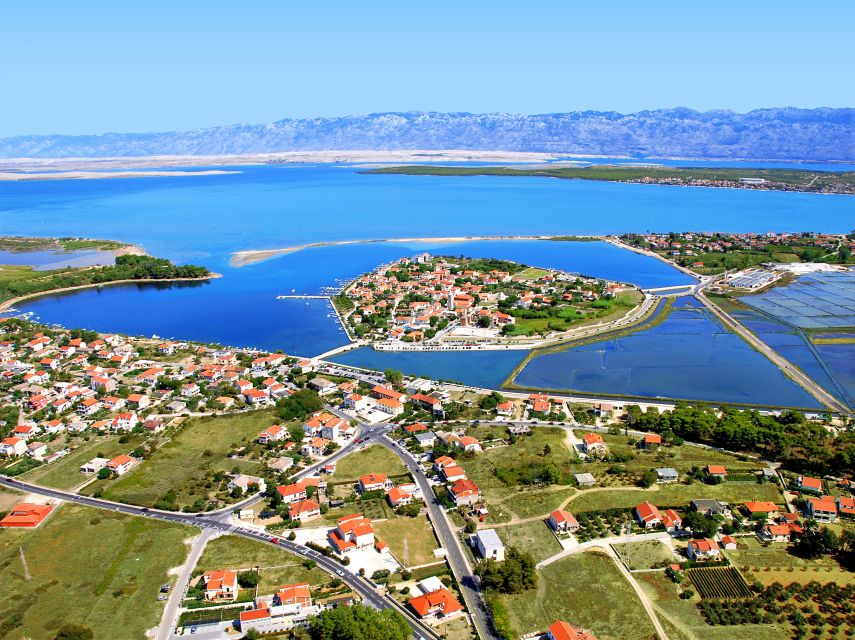
This is a six-hour private tour, built for people who want the main highlights of Zadar and Nin in one go. You’ll start with pickup from your accommodation (or the port), then head out right away so you’re not losing precious time to finding meeting points.
The flow matters here. Zadar is your larger “wow” city—more monuments, more walking, more choices—then Nin turns into a tighter, story-driven finish where the sights feel concentrated and easy to follow. You also get a chunk of free time in Zadar before you depart, which is a nice safety valve if you want lunch, a coffee, or just a slower stroll.
Because it’s private, you can keep your pace realistic. If something catches your attention—say a detail in a church facade or a Roman fragment—you can spend extra moments without slowing down a big group.
You can also read our reviews of more tours and experiences in Zadar.

Zadar seafront icons: Sea Organ and Greeting to the Sun
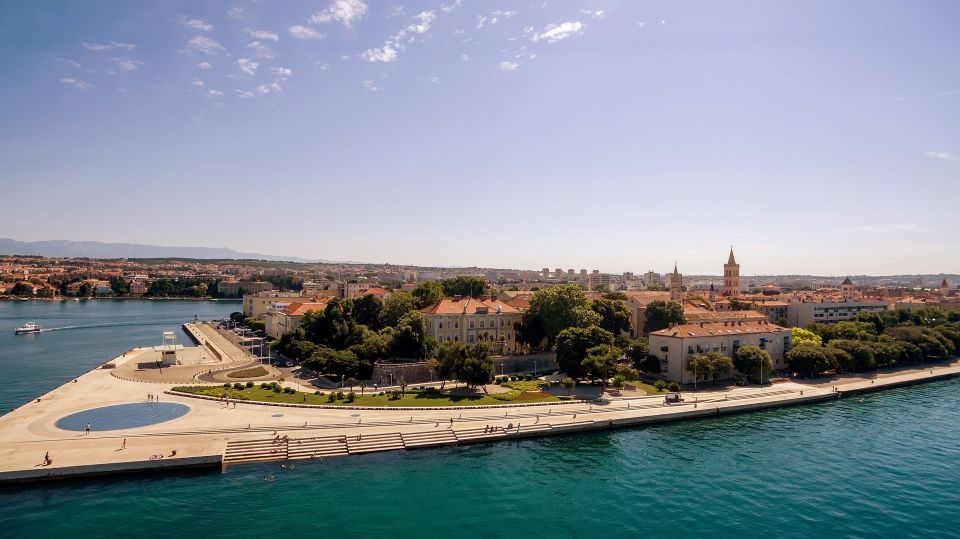
Your tour begins on Zadar’s Seafront Promenade, where the city shows off its modern-meets-classic waterfront personality. The Sea Organ is one of those places you understand best by standing there and watching the waves, because the sound is part of the experience. Then comes the Greeting to the Sun, a light-and-reflection sight you’ll see described everywhere, but it lands differently when you’re actually standing at the waterline.
What I like about starting here is that it sets the tone. Before you get into medieval churches and Roman remnants, you’re oriented to the city’s layout and waterfront mood. If you’re arriving with jet lag or you’re the type who likes “easy wins” early, this is a strong opening.
Wear comfortable shoes. The promenade walk is pleasant, but you’ll likely be on your feet for long stretches.
Old Town landmarks near the Forum: St. Donatus and St. Anastasia
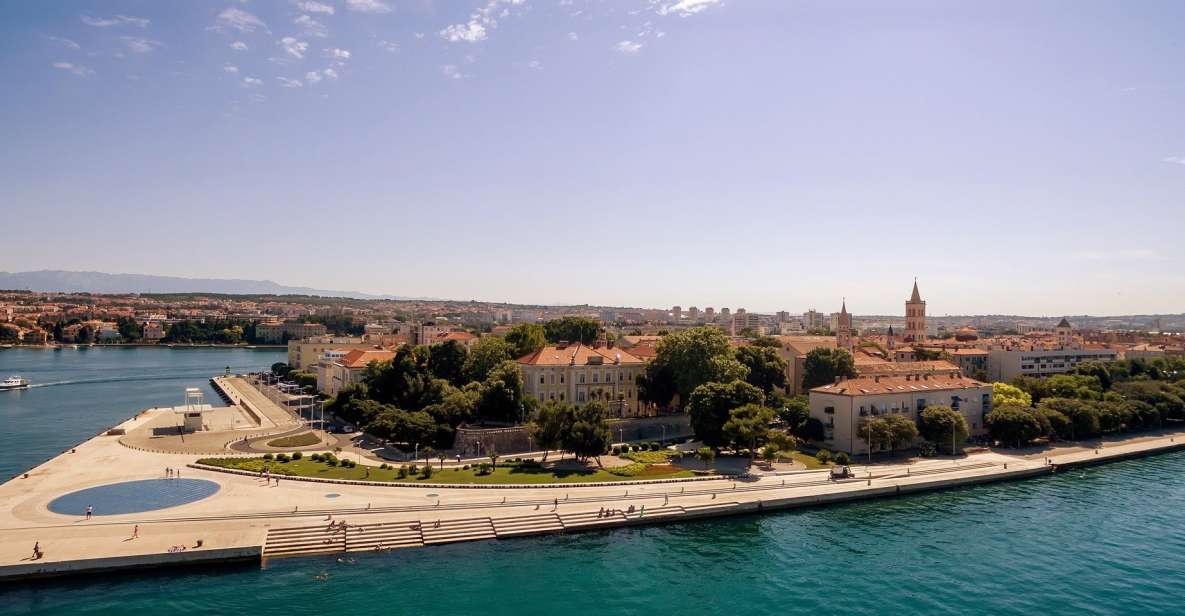
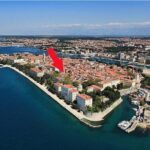
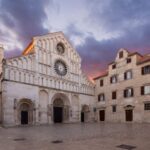
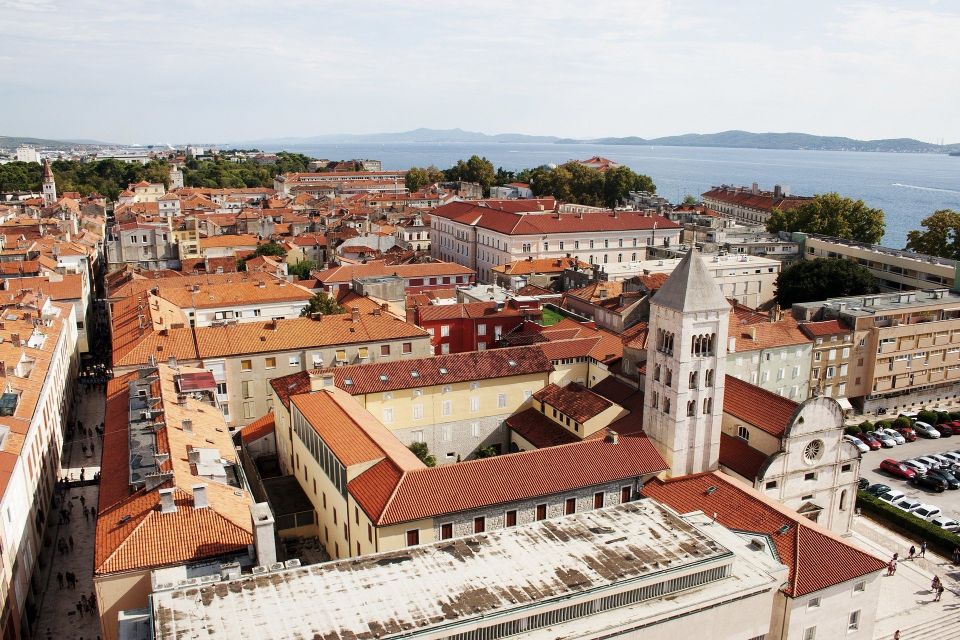
After the seafront, you move into the historic center area, including the Roman Forum Square. From there, the big religious landmarks come into view: Church of St. Donatus and the Romanesque Cathedral of St. Anastasia.
These stops are more than photo targets. A good guide helps you read what you’re seeing—why certain structures feel Roman, what came later, and how the city’s layers coexist. With a live licensed guide in English, you’ll get explanations on the spot rather than trying to piece it together after the fact.
If you want a “why does this matter?” day, this part delivers. If you’re mostly there for architecture, it still works because you’ll have enough time to connect the dots between the forum setting and the churches.
A walk along Zadar’s city walls and Roman ruins
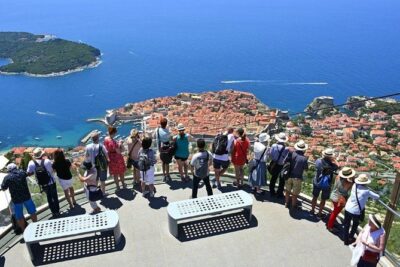
One of the tour’s strengths is that it doesn’t treat Zadar as just a list of museums and churches. You’ll also walk around the city walls of Zadar, which gives you a higher, clearer perspective of the old town and its edges.
Then you shift toward Roman ruins. This is where having a guide pays off, because Roman fragments are easy to overlook if you’re just walking past them. A good explanation helps you understand what you’re looking at—how the Roman presence shows up in the city fabric—and why the location matters.
This combination of walls plus Roman remains is also a practical way to break up the heavier indoor stops later. You get outdoor viewpoints, then you transition into museums and tastings while your feet still feel warm from the walk.
Maraschino liquor tasting in People’s Square
This tour includes a Maraschino liquor tasting at one of Zadar’s oldest cafes, located on People’s Square. It’s a small stop, but it’s the kind of detail that makes a city feel like more than monuments.
You’ll be tasting something local that’s tied to a long-standing tradition, and you’ll do it in the setting that locals would recognize. If you like food-and-drink moments that don’t require a full restaurant plan, this is a good use of time.
Plan for this stop as a short break between bigger sights. It can also help if you’re traveling with people who want variety besides churches and ruins.



Museum of Ancient Glass: seeing glass blowing up close
Next comes the Museum of Ancient Glass, with a chance to see glass blowing in action. That matters because it turns the story of craft into something you can watch and understand rather than just read on panels.
In a single visit, you get two benefits:
1) You see the process.
2) You leave with a stronger idea of how delicate, skill-driven Zadar’s glassmaking tradition can be.
If you’re traveling with kids or anyone who gets restless in museums, this is the part that often keeps attention high, because it’s visual and time-based. You’ll want to be present when the demonstrations are happening, so don’t rush off right when you walk in.
The in-between moment: your free time in Zadar

You’ll have free time in Zadar before you head to Nin. Lunch and drinks aren’t included, but the tour explicitly notes you can buy lunch at a local restaurant during that break.
I like that this isn’t just marketing fluff. A free window means you can choose what fits your day—simple meal nearby, a coffee stop, or a slower stroll for anyone who doesn’t want nonstop talking. It’s also the best moment to handle cash if you plan to visit attractions that require it.
Headed to Nin: City Gates and the story setup
Then it’s on to Nin, with a local guide giving you the rundown along the way. As you pass through the City Gates, you’re already being primed for what you’ll see in the old center—so the sights don’t feel random.
This is also a nice contrast to Zadar. Nin is smaller and feels more like a place you explore slowly, even though the tour keeps you moving. The guide’s narrative helps you get to the emotional “why” behind the landmarks, not only the what.
Nin Forum Square and St. Anselm area: Roman temple echoes
In Nin, you follow a small street to the parish Church of St. Anselm and Forum Square, an area where the largest Roman temple once stood on the eastern coast of the Adriatic.
This stop works best when you accept it as an archaeological atmosphere. You’re not expecting a fully intact temple that you can walk through like a modern building. Instead, you’re reading the space and understanding how Roman power shaped the place, then how later buildings took over the visual and religious roles.
If Roman history is your thing, you’ll appreciate that this tour doesn’t stop at Zadar’s Roman bits. It keeps the theme alive in Nin, which makes the day feel unified instead of two disconnected half-days.
Holy Cross and Gregory of Nin: the tiny cathedral moment
Just a short walk away is the Church of Holy Cross, known as the world’s smallest cathedral, with a monument to Gregory of Nin nearby. The tradition is simple: you can rub his big toe for good luck.
This is the kind of stop that’s both meaningful and playful. Even if you’re not into superstition, it’s a quick cultural ritual that turns your visit into a memory you’ll actually remember. It also gives you a calm, human-scale pause compared to the more monumental architectural stops.
The tiny cathedral detail is what makes Nin feel special. It’s not about size. It’s about how a small place can pack in story, symbolism, and local identity.
Nin Saltworks: the story behind salt
Your sightseeing ends at the Nin Saltworks, where you’ll learn the story behind the salt. This is a great final stop because it explains what shaped life here long before tourists arrived—salt production as an economic engine and a landscape-maker.
Saltworks can feel like “just a place with water” if you don’t have context. With a guided explanation, you start seeing it as a system: the timing, the environment, and why salt mattered enough to shape the region’s identity.
If you like travel that teaches you how people lived, this ending lands well. It’s also a nice break from church interiors and museum rooms. You end in an outdoor setting tied directly to local livelihood.
Price and logistics: is $447 per group up to 7 good value?
At $447 per group (up to 7 people), the pricing works best if you’re traveling with more than one person. Because it’s a private tour with hotel pickup and private transfer, you’re not paying per person for a bus trip.
Think of it as paying for:
- A licensed English guide who keeps the day connected
- Private transport between Zadar and Nin
- Ticket-skipping on included stops (so you lose less time waiting)
What’s not included matters too. Entrance tickets for places like Church of St. Donatus, Museum of Ancient Glass, Nin Saltworks, and the Maraschino tasting aren’t covered. That means your final cost depends on what you choose to do once you’re there.
My practical take: this is strong value if you want a focused day with minimal hassle and you’re okay paying extra for entry tickets. If you’re traveling solo and would rather pay per person for flexibility, you may want to compare other options. But for a small group who wants a guided, connected itinerary, it’s a reasonable deal.
Who should book this private Zadar and Nin day
This tour fits best if you:
- Want Zadar and Nin in one efficient 6-hour window
- Prefer a private guide who can answer questions on the fly
- Like variety: waterfront icons, Roman sites, museums, and a local food-and-drink moment
- Are comfortable walking and standing for longer periods
If you’re the kind of traveler who likes small, specific details—like the Gregory of Nin big-toe tradition or watching glass blowing—you’ll enjoy how the tour uses time to keep you engaged.
The tour language is English, and it’s a private group format. You should also note you’ll need cash if you plan to visit some attractions.
About the guide: why the explanations matter
One name that comes up in feedback is Vines, and the consistent theme is how informative he is. That matters because Zadar and Nin are layered places. Roman traces, medieval churches, and later traditions overlap in ways that can feel confusing if you’re left with a guidebook only.
A licensed local guide keeps the day readable. You’ll get the context that makes each stop feel connected instead of like separate sightseeing tasks.
Should you book this Zadar and Nin Highlights: Private Tour?
Book it if you want a no-stress, highlight-heavy day with the right mix of sea, Roman remnants, and memorable Nin traditions. The private format, English live guide, and the handpicked combination of Sea Organ/Greeting to the Sun, glass blowing, and Nin’s tiny cathedral make it a smart use of limited time.
Skip it if mobility is an issue. This is not designed for wheelchair users or people who need barrier-free routes, and you’ll be on your feet.
If your group size is up to 7 and you prefer guidance over self-navigation, this tour is a strong match. You’ll spend your energy enjoying the sights, not figuring out how to get between them.
FAQ
How long is the Zadar and Nin Highlights private tour?
The tour lasts 6 hours.
How many people are in a group?
It’s a private group for up to 7 people.
Is hotel pickup included?
Yes. Pickup is included. You’ll meet the guide in front of your hotel, accommodation building, or in the port.
What’s included in the price?
Included are private transfer, a licensed local guide, and taxes and service charges.
What is not included?
Lunch and drinks are not included, and entrance tickets for Church of St. Donatus, Museum of Ancient Glass, Nin Saltworks, and the Maraschino liquor tasting are not included.
Do you skip the ticket line?
Yes, the tour includes skip-the-ticket-line access.
Is there free time in Zadar?
Yes. You’ll have free time in Zadar before departing for Nin.
What language is the tour guide?
The live tour guide is English.
What should I bring?
Bring comfortable shoes and comfortable clothes.
Is the tour suitable for wheelchair users?
No. It’s not suitable for people with mobility impairments or wheelchair users.