A great walking loop through Zadar’s past. The Zadar: Hidden Gems and History Tour strings together 3,000 years of stories in a tight route, starting at the Greeting to the Sun installation and moving through Roman remains, medieval landmarks, and a food market stop. I love how the guide, María, shares details you won’t easily find on city signage, and I also like that the pacing includes taste time so the tour ends feeling more real than just sightseeing. One thing to consider: it’s a 2-hour walk, so wear comfortable shoes and be ready for continuous strolling.
Because this is a small group limited to 10, the conversation tends to stay lively and personal—Maggie even got the rare treat of having the guide all to herself. The finale lands in Queen Jelena Madijevka Park, a natural place to pause, look around, and grab photos without feeling rushed. If you prefer long museum time or lots of sitting, this format might feel a bit too active.
In This Review
- Key Takeaways Before You Go
- Starting at The Greeting to the Sun: Your route begins with a modern anchor
- The Roman Forum remains: when street-level ruins do the talking
- St. Donatus and medieval Zadar: the 9th-century emblem
- St. Mary’s convent and the logic of nearby places
- Passing St. Anastasia bell tower: a quick glimpse with purpose
- Melia Aniana arch: a photo-worthy pause
- St. Chrysogonus romanesque apses: what to look for with guidance
- Zadar food market tasting: history with an edible finish
- People’s Square: a civic counterpoint
- Old Town Zadar’s eastern entrances: the off-the-map part
- Queen Jelena Madijevka Park: closing with photos and a cooldown
- Price and value: is $29 really fair for a 2-hour history walk?
- What kind of traveler this tour suits best
- Should you book the Zadar walking history tour?
- FAQ
- FAQ
- How long is the Zadar tour?
- Where do I meet the guide?
- How much does it cost?
- What’s included in the tour?
- What languages are available for the live guide?
- How large is the group?
- Is there free cancellation?
Key Takeaways Before You Go
- Greeting to the Sun start: You begin with a modern landmark that sets up the historical walk right away.
- Stop-by-stop storytelling: Roman Forum remains to St. Donatus, explained in plain language.
- Church details you can actually see: Photo time at the romanesque apses of St. Chrysogonus.
- Food market tasting: A local produce stop that rounds out the history with everyday Zadar flavors.
- Off-the-map feel: You’ll be shown places in Old Town you might miss wandering alone.
- Small-group advantage: Up to 10 people, with room for questions in English or Spanish.
Starting at The Greeting to the Sun: Your route begins with a modern anchor
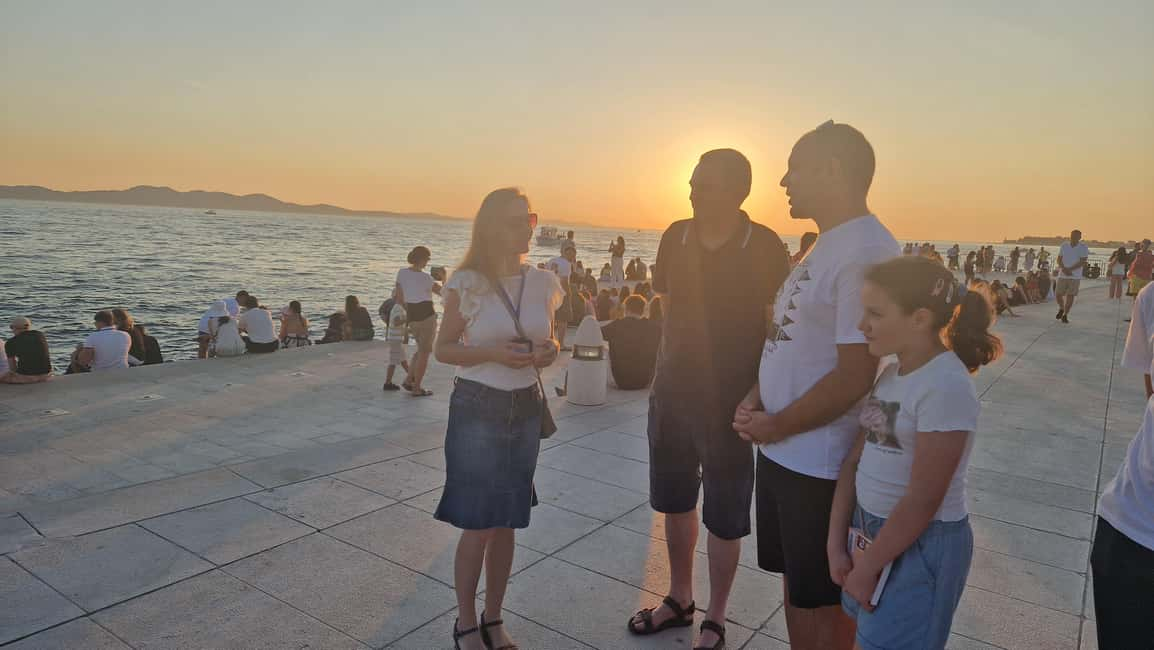
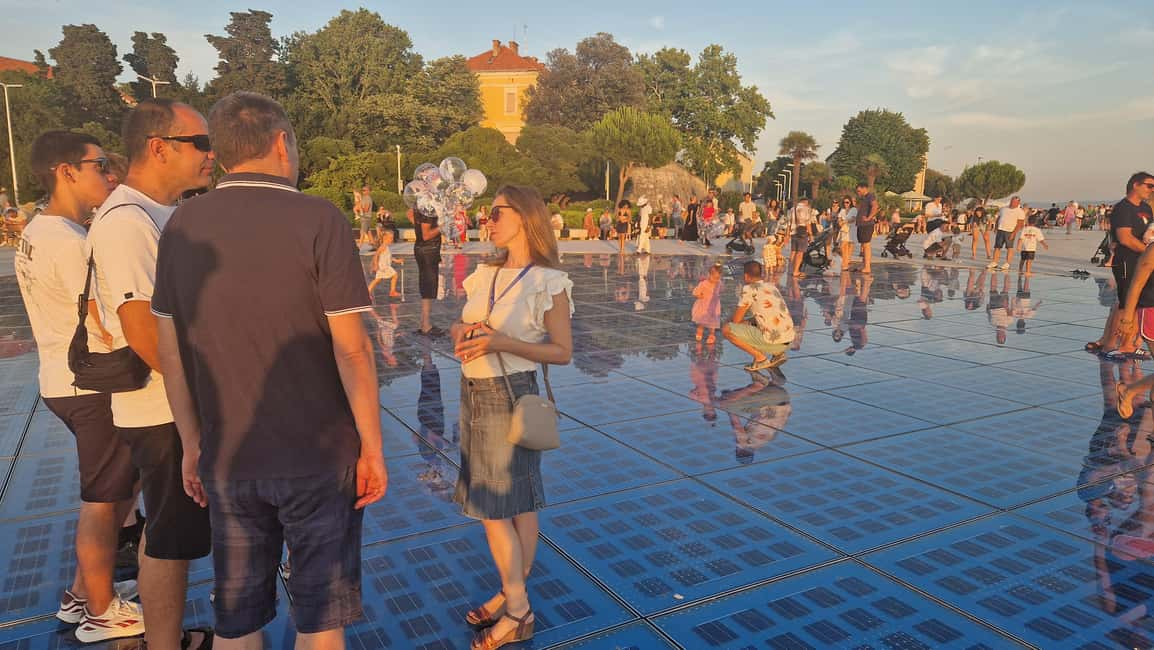
Most Zadar tours start in the Old Town. This one starts at the Greeting to the Sun installation, which makes the history feel connected instead of random. You meet your guide at this spot, right where the town’s current life meets the skyline and sea views people associate with Zadar.
Why this matters: it gives you an easy landmark for orientation. Even if you’ve only been in town for a day, you’ll likely recognize the area later when you return on your own.
You’ll also set the tone for the tour immediately. The walk is framed as a journey through about 3,000 years of history, but it’s delivered through specific buildings and street corners—not a generic lecture. With the group kept small (10 maximum), the guide can slow down when a question comes up.
You can also read our reviews of more tours and experiences in Zadar.


The Roman Forum remains: when street-level ruins do the talking
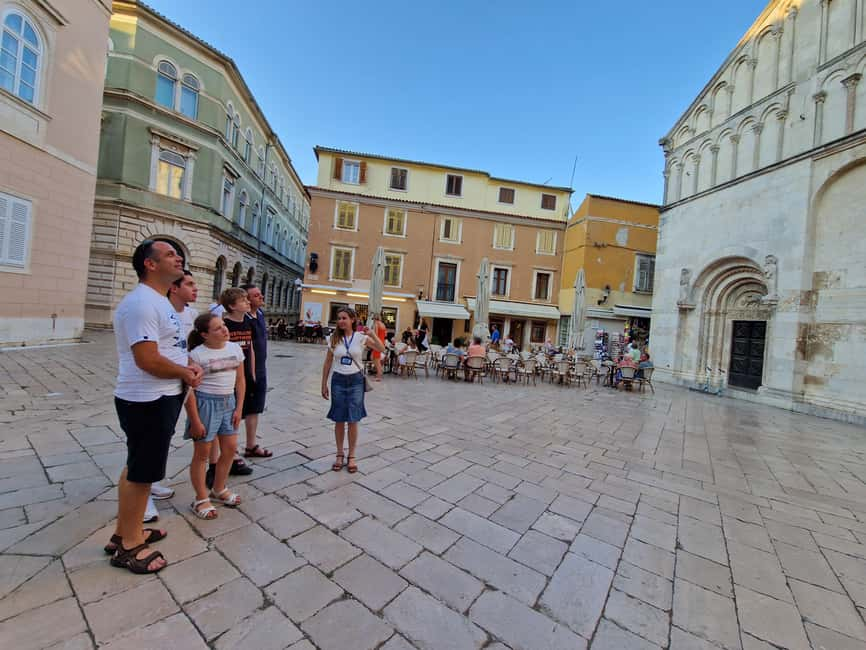
From the Greeting to the Sun, the route heads toward the remains of the Roman Forum. This is one of those places where you don’t need an elaborate explanation to sense the age—you just need the right context so it clicks.
What you’re looking at: the physical traces that connect Zadar to Roman-era city life. The guide’s job here is to translate what’s left into what the space used to mean. Even if the remains are incomplete, you can still “read” the location once you know what it was tied to.
Practical tip: bring your phone and be ready to look up as well as down. Roman structures often make more sense when you notice how streets and sightlines work around them.
St. Donatus and medieval Zadar: the 9th-century emblem
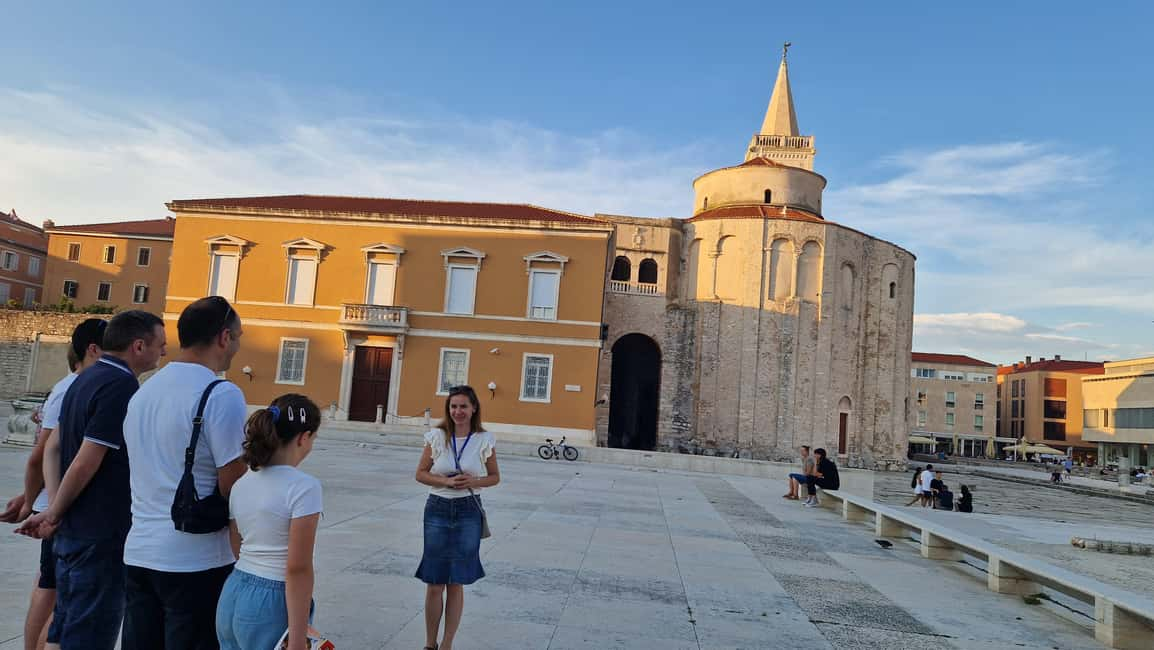
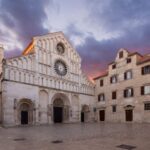
Next up is the church of St. Donatus, described as an emblematic symbol built in the 9th century. St. Donatus is famous for good reason, but what makes this stop valuable on a guided walk is that you’ll get the story behind why it became such a defining figure for the town.
The tour keeps moving through the medieval layer of Zadar, and St. Donatus is the visual anchor for that section. The guide helps you connect the church to the broader time period rather than treating it like a standalone monument.
If you like architecture and you enjoy the “why” behind famous buildings, you’ll appreciate how the route ties each stop to what came next.
St. Mary’s convent and the logic of nearby places
Right in the same general orbit, the guide explains the importance of St. Mary’s convent nearby. Convents can feel abstract if you only see the exterior or just glance at signage. With a guide, you get the context for why a place like this mattered—socially, culturally, and historically.
Why I think this stop is worth the time: it teaches you to notice relationships between buildings. Zadar’s center isn’t just a list of attractions. It’s a web of religious life, civic life, and older layers that still shape the street plan.
This is also where having a small group helps. When you can ask one question, you often start seeing the whole area differently.
Passing St. Anastasia bell tower: a quick glimpse with purpose
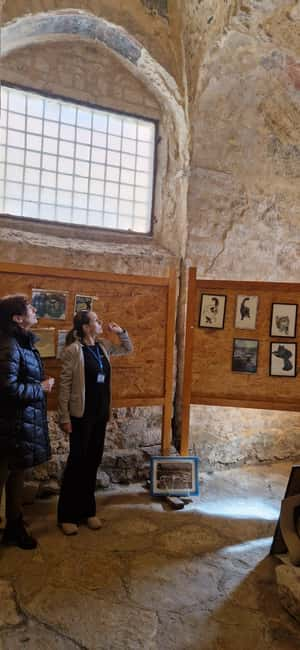
On your way to the next major sight, the tour passes St. Anastasia bell tower. Even though it’s not framed as the main destination, it’s included for a reason. The guide uses it as a thread between the earlier stops and what’s next.
A bell tower is the kind of landmark that helps you keep your bearings. Even after the tour ends, you can remember: that tower direction links back to the old route you walked today.






Melia Aniana arch: a photo-worthy pause
You’ll then visit the Melia Aniana arch. This is the kind of stop that rewards slow walking and a camera-ready stance. Arches often carry centuries of meaning, but the real payoff during a tour is learning what to pay attention to when you’re standing right there.
Bring your best angle—this is the part of the tour that feels made for snapshots. And because it’s on foot, you’re not just stopping at a single spot and leaving. You’ll likely notice how the arch fits into the surrounding streets and the flow of pedestrians.
St. Chrysogonus romanesque apses: what to look for with guidance
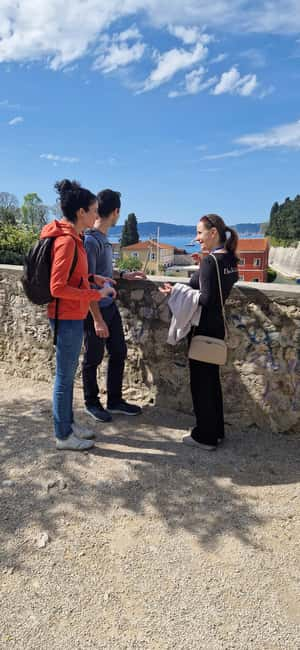
One of the most visual segments of the walk is the stop for photos at the most beautiful romanesque apses of church of St. Chrysogonus. “Apses” can sound technical. On a guided walk, it’s not technical at all—it becomes something you can spot and appreciate.
Here’s what I recommend: don’t just shoot one photo. Spend a minute scanning for lines, curves, and the way the apses sit in relation to the rest of the church. With the guide’s context, you’ll understand what makes these romanesque forms distinctive instead of treating them as decoration.
If you like architecture details more than big panoramas, this stop is a strong match.
Zadar food market tasting: history with an edible finish
Then comes one of the best practical parts of the tour: you’ll reach the Zadar food market and taste some local produce. This is where the experience turns from “look at the past” into “feel like you’re in Zadar now.”
Why this tasting is a smart inclusion for the price: it fills the gap most walking tours leave. You cover a lot of landmarks, but you still need a sensory reward that connects the day to local life. Local produce tasting does that without eating up a whole meal.
A quick consideration: the tour data doesn’t specify ingredients or dietary options. If you have food allergies or follow a strict diet, ask your guide ahead of time. Better to clarify early than guess in the moment.
People’s Square: a civic counterpoint
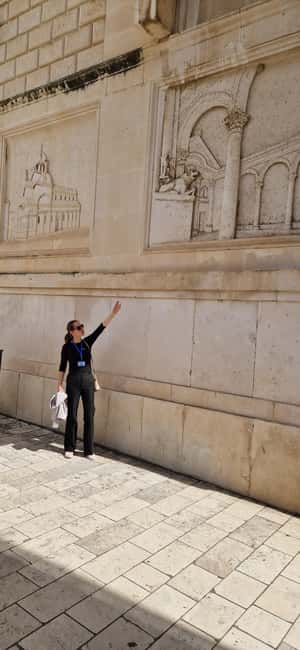
After the market, the route goes to People’s Square. This stop balances the more religious and ancient elements with something more civic and everyday.
Even without a long explanation, squares are useful on a walking tour because they help you reset your mental map. You’ve moved through ruins and churches; now you land in a public space where the town’s present-day rhythm is easier to imagine.
If you want to keep momentum, this stop is also a good moment to take a breather and regroup before the final Old Town segment.
Old Town Zadar’s eastern entrances: the off-the-map part
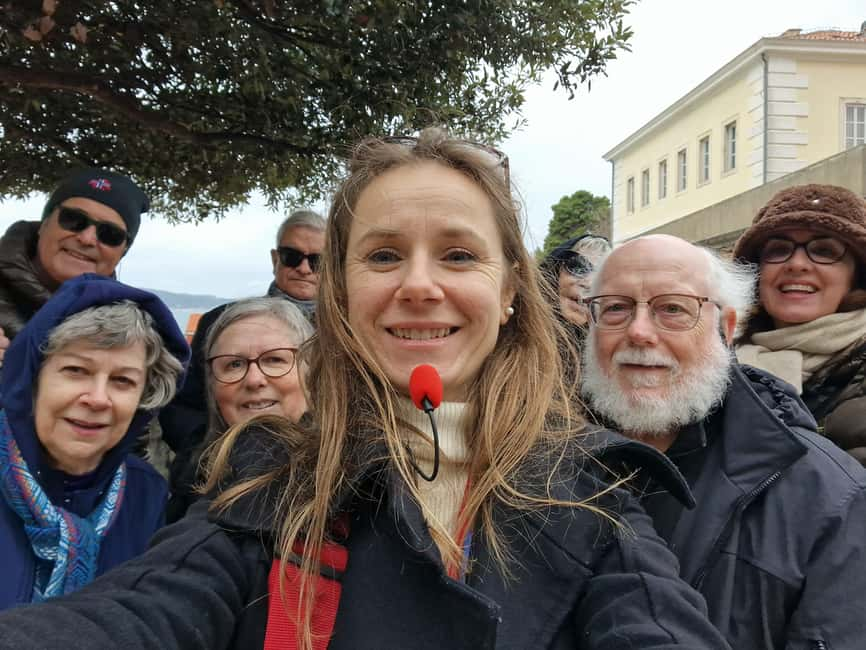
Here’s where the tour leans into its most distinctive value. You’ll see the remains of three eastern entrances to the Old Town of Zadar—described as one of the spots not charted on city maps.
That’s exactly the kind of inclusion that makes a walking tour worth it. If you’re wandering alone, you might pass the area without realizing what you’re looking at. With the guide’s help, you understand that these are not random fragments—they’re entrances that explain how the city used to connect inward from the east.
Practical photo tip: entrances and thresholds make great pictures, but they also work best when you frame them with street alignment. Move a step to the left or right before you snap your shot.
Queen Jelena Madijevka Park: closing with photos and a cooldown
The tour ends in Queen Jelena Madijevka Park. This finish spot is deliberate. After 2 hours of walking, you want a place where you can slow down, look around, and take photos without the sense that you’re still “between stops.”
Parks also help you remember what the city feels like at street level. You’ll likely notice light, views, and the way people gather there—useful context for the rest of your time in Zadar.
Price and value: is $29 really fair for a 2-hour history walk?
At $29 per person for a 2-hour guided walk, this sits in the budget-friendly category. What you’re paying for isn’t only the walking route—it’s the guide’s interpretation of what you’re seeing.
A key point: you’re getting multiple high-recognition landmarks (St. Donatus, St. Chrysogonus) plus lesser-noticed connections (St. Mary’s convent context, St. Anastasia bell tower pass, and those Old Town eastern entrance remains). You also get local produce tasting, which adds a tangible experience at the end rather than an extra cost later.
Also, the small group cap of 10 matters for value. It’s not just “crowd control.” It typically means better explanation and more room to ask questions, which is why the reviews highlight professionalism and detailed explanation.
If you’re the type of traveler who likes to understand what you’re photographing, this price tends to feel like a bargain.
What kind of traveler this tour suits best
This tour is a great match if you:
- Want a focused 2-hour overview that still includes real detail
- Enjoy walking routes that link places instead of listing them
- Like getting oriented fast in a compact historic center
- Want at least one food moment, not just monuments
- Prefer a small group setting with English or Spanish live guide support
If you’re traveling with limited mobility, this may feel like too much continuous strolling. And if you’re only interested in museum-level indoor exhibits, you may find this more “street-level history” than “indoor deep learning.”
Should you book the Zadar walking history tour?
If you want a guided path through key Zadar landmarks—with thoughtful stop choices and a local produce tasting—you should seriously consider booking this one. The guide-led storytelling (especially María’s detailed explanations) is the value driver here, and the small group size is a big plus.
I’d book it if your schedule is tight and you want to leave Zadar’s center understanding more than just what the buildings look like. I’d skip or compare options if you’d rather sit in one place and go long, or if food tasting is a challenge for your dietary needs.
FAQ
FAQ
How long is the Zadar tour?
The tour lasts 2 hours.
Where do I meet the guide?
Meet your guide at the Greeting to the Sun Installation.
How much does it cost?
The price is $29 per person.
What’s included in the tour?
It includes a walking tour and a tasting of local produce.
What languages are available for the live guide?
The live guide is available in English and Spanish.
How large is the group?
The group is limited to 10 participants.
Is there free cancellation?
Yes, you can cancel up to 24 hours in advance for a full refund.