REVIEW · ZADAR
Zadar: Private Cooking Class
Book on GetYourGuide →Operated by TERRA TRAVEL D.O.O. · Bookable on GetYourGuide
Croatia tastes better when you cook it. This private Zadar class has you learning Dalmatian techniques with a local chef, then tasting homemade grappa and wine alongside the meal you make. It’s a hands-on way to slow down and understand why certain flavors matter on the Adriatic.
I especially like the market-to-pan setup. One session I read about started at Zadar’s market with guides like Tamara, then moved straight into cooking lessons led by chefs such as Petra (squid, mussels, and even a surprising little dough shape). Another highlights a chef like Martina who adapts the menu for dietary needs without making it feel like a compromise.
One possible drawback: the class focuses on a small set of dishes, so if you already know Dalmatian recipes well, the cooking steps may feel less new. Still, the chef’s explanations and the food you eat at the end are usually the payoff.
In This Review
- Key things you’ll notice right away
- Zadar’s Dalmatian ingredients start the story in the market
- A real private class means your chef can tailor the pace
- Cooking techniques you can actually use back home
- Grappa and local wine tasting: part of the meal, not a gimmick
- The sit-down payoff: you eat what you made
- Cultural context: why each dish is the way it is
- Allergy and dietary needs: where planning really shows
- Duration and timing: 150 minutes is long enough to feel taught
- Price at about $141: when it’s good value and when it isn’t
- Who this is perfect for in Zadar
- Practical tips so you get the most from your class
- Should you book the Zadar private cooking class?
- FAQ
- Where does this Zadar cooking class take place?
- How long is the cooking class?
- Is it a private group or shared class?
- Is the instruction offered in English?
- What’s included in the price?
- Do you taste grappa and wine during the class?
- Does the class involve eating the meal you make?
- What should I do if I have allergies or dietary restrictions?
- What is the cancellation policy?
- Is there a reserve now, pay later option?
Key things you’ll notice right away
- Zadar market ingredients first, including a fish market stop that sets the tone for what you’ll cook
- Homemade grappa and local wine tasting built into the experience, not just an afterthought
- English-speaking instruction with chef help in the kitchen
- Hands-on cooking that ends with a sit-down meal you prepared
- Diet and allergy flexibility, with advance notice
- A private group format, which usually means more attention and pacing control
Zadar’s Dalmatian ingredients start the story in the market
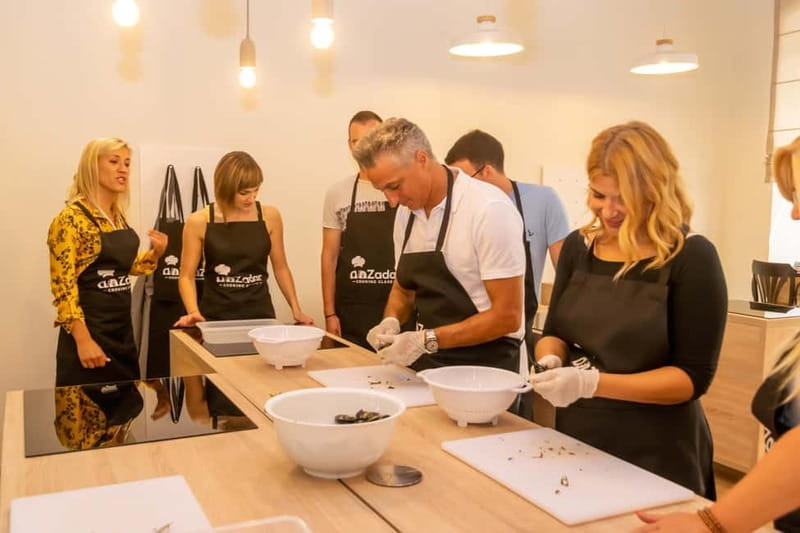
This experience begins with the ingredients that define Dalmatian cooking. The clues are in the details people talk about afterward: you’re not just handed a shopping list and moved into a kitchen. You get to see produce and seafood in context first, including an impressive fish market.
That market time matters for two reasons. First, it teaches you what “fresh” really means here. Second, it helps you understand choices like the difference between quick-cooking seafood and dishes that need a longer, gentler approach.
In one account, the market stood out for its variety and the fish section left a strong impression. That kind of start changes how you cook later. It’s easier to taste sauces, salt levels, and seasoning balance when you know what the ingredient was that morning.
You can also read our reviews of more tours and experiences in Zadar.


A real private class means your chef can tailor the pace
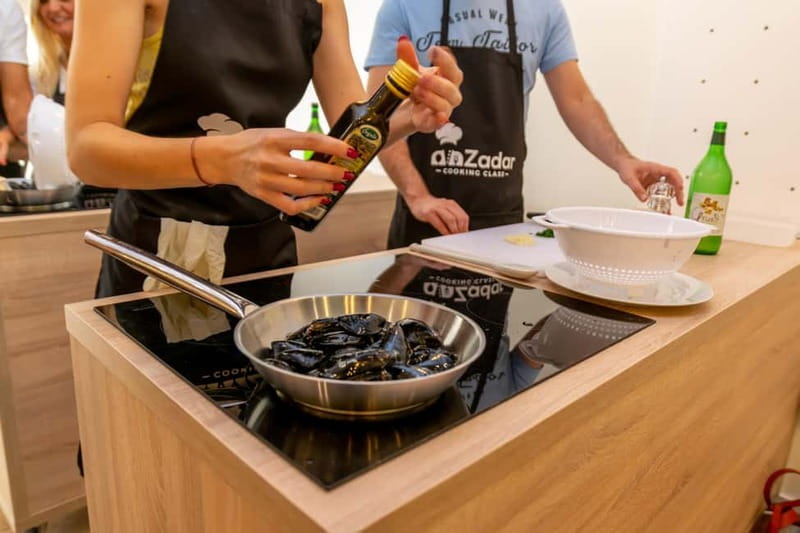
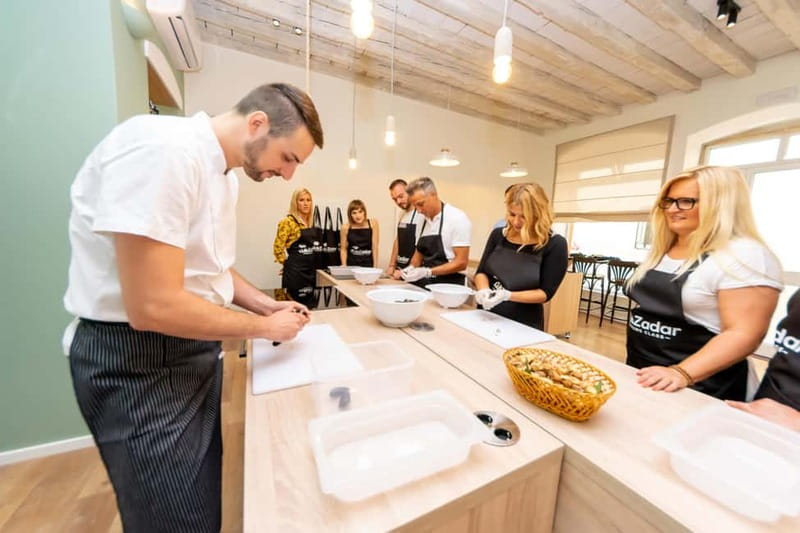
This is a private group setup, and you feel that immediately. With fewer people, your chef can correct your knife work, show you how to handle seafood, and slow down if you want to understand why a step matters.
You’ll cook with chef assistance, not just watch and do a single task. The class is framed as a guided culinary journey, with technique tips and cultural context for each dish along the way. One write-up calls out an experienced chef with a personable style, and another praises the teaching ability and friendliness of the guide and chef team.
The language piece is also clear: instruction is in English. That’s big in a cooking class, because you want to catch not only what to do, but how to think about it. When you understand the logic behind the cooking method, it’s much easier to recreate it later.
Cooking techniques you can actually use back home
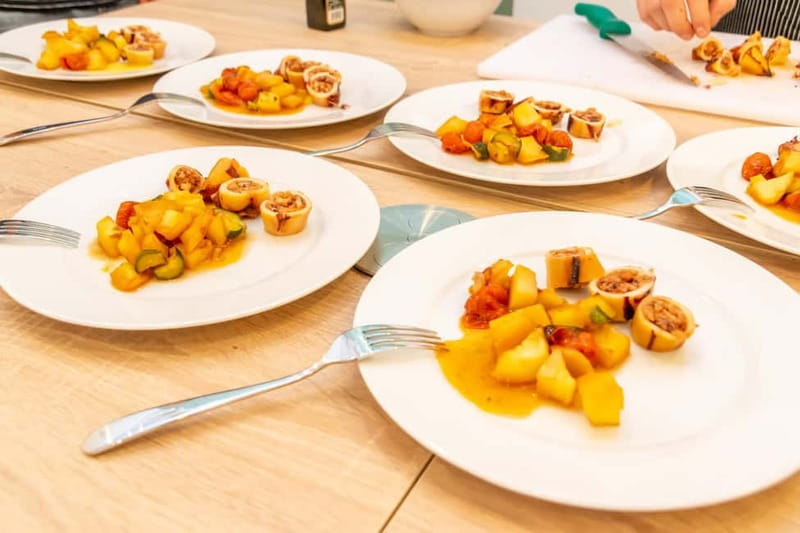
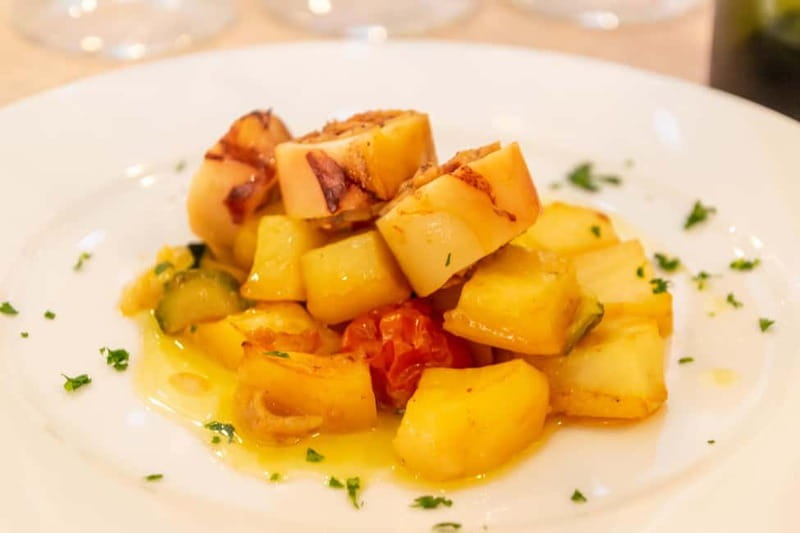
The best cooking classes don’t just make you eat well that day. They give you tools. This one is aimed at traditional Dalmatian dishes, guided with practical technique. In the experiences people shared, the menu choices can include items like squid (with stuffing and cooking guidance), mussels, and an unusual take on small dough-like shapes.
Even if the specific dishes don’t match your cooking comfort level, the method lessons tend to transfer. You’re learning how to prepare seafood properly, how to build flavor in the pan, and how to balance seasoning so the dish tastes like it belongs to the Adriatic.
One reviewer liked it so much they said the chef taught tricks they planned to use at home. That’s a good sign. It suggests the class isn’t only about following steps. It’s also about understanding texture, timing, and how sauces and seasonings come together.
Grappa and local wine tasting: part of the meal, not a gimmick
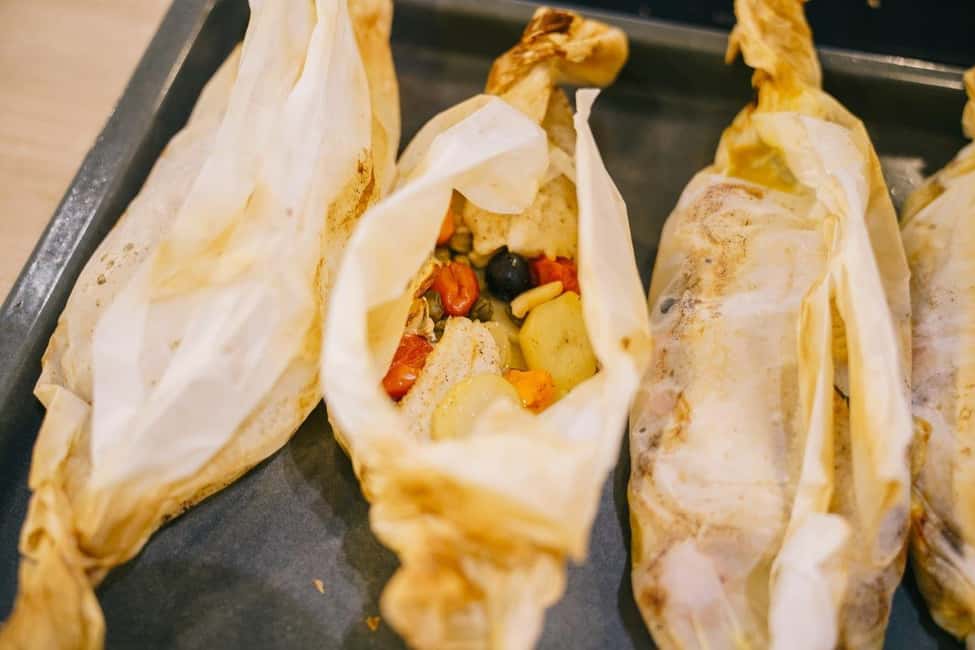
The highlight list is direct: you taste homemade grappa and local wine. That might sound like a bonus feature, but in practice it’s tied to the dining culture. Wine supports the meal; grappa often signals the end of the story.
You’ll also get a welcome drink, plus water throughout. The goal isn’t to turn this into a party class. It’s more like food-first hospitality, where the drinks help you relax and settle in while you cook and then sit down together.
Practical tip: pace yourself during tastings. A cooking class already takes concentration. You’ll enjoy it more if your taste buds can still work properly when you reach the table.
The sit-down payoff: you eat what you made
After the hands-on cooking, you sit down to enjoy what you prepared. That’s one of the smartest parts of the format. Instead of leaving with a recipe list and a vague memory of what you did, you get to taste the result immediately, while the steps are still fresh in your mind.
The “meal you prepare yourself” detail matters. It’s not a tasting menu where you only get to stir a sauce for a minute. The class is designed so your work ends up in the final meal, with chef guidance helping you get it right.
Portion size comes up in the feedback too. One account mentions large portions, and another describes the meal as among the best experiences in Croatia. Translation: you’re likely to leave full, not just satisfied in a symbolic way.





Cultural context: why each dish is the way it is
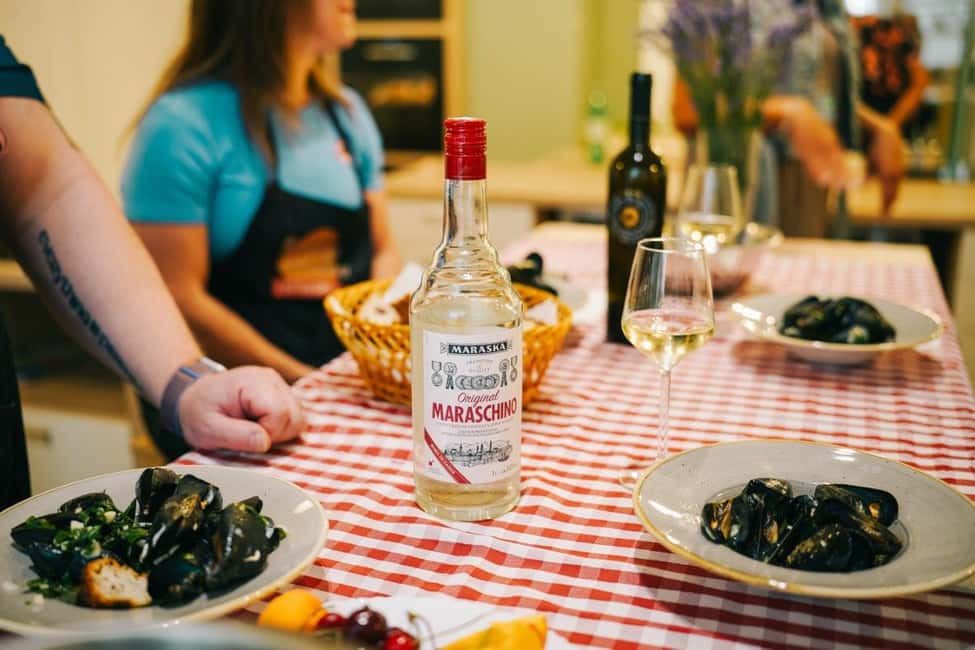
You’re not just cooking for flavor. You’re learning the meaning behind the dish. The class description highlights that the chef explains cultural significance and ties the dishes to Dalmatian influences from the Adriatic.
That may sound like extra talk, but it can change how you approach food at home. If you understand why a dish is made a certain way—what it pairs with, how it fits into local eating patterns—you stop treating it like a random recipe. You start treating it like a system.
The cultural part also helps when the ingredients are unfamiliar. Seafood-based dishes and traditional preparations can be intimidating if you’ve never seen them done locally. With explanation, they become doable.
Allergy and dietary needs: where planning really shows
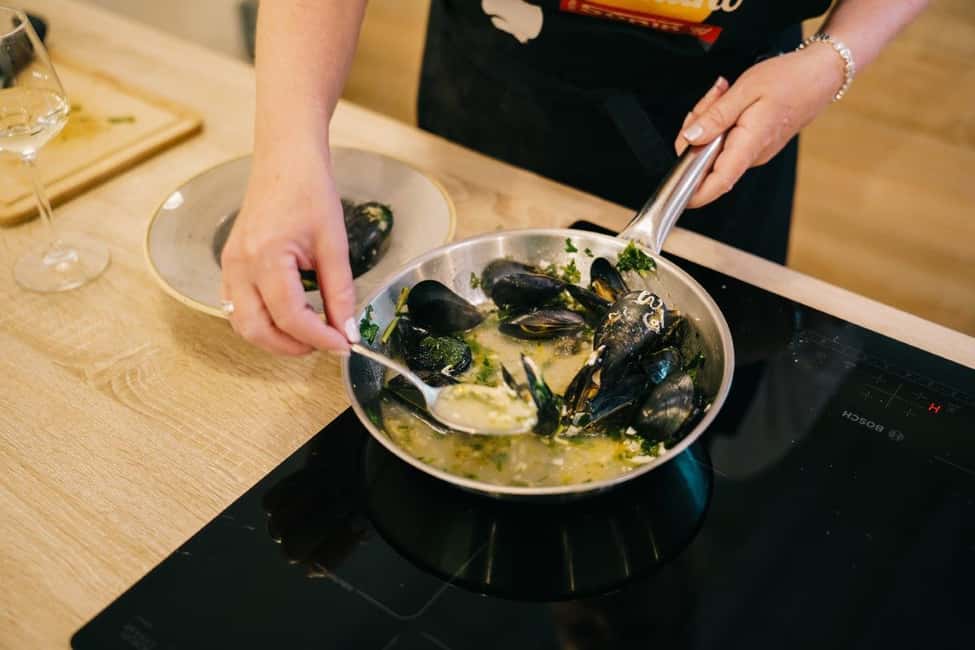
Food allergies and dietary restrictions can make or break a cooking class. Here, you’re specifically asked to inform the operator about any allergies or dietary needs ahead of time.
That’s not a small detail. It means the chef team is set up to adapt. In one account, the chef accommodated allergies and schedules. Another mentions adapting a vegetarian request, and that adaptation didn’t feel tacked on—it was part of the experience.
So if you have dietary restrictions, don’t be shy. Share the details in advance. You’ll get a better plan, and the chef can shape the menu so you still get the core Dalmatian feel.
Duration and timing: 150 minutes is long enough to feel taught
The class runs 150 minutes. That’s a realistic time window: enough to shop/inspect ingredients, cook with guidance, and then eat without rushing.
In a private format, time usually stretches in a good way. You can ask questions, redo a step, and get feedback when something looks off. That’s one reason people praise the teaching and friendliness—there’s room for interaction.
Also, because it’s a set duration, you can better plan your day in Zadar. You’re not guessing how long it will take, and you won’t lose half your evening in the kitchen.
Price at about $141: when it’s good value and when it isn’t
This experience costs $141 per person for a 150-minute private class. On paper, that’s not cheap compared with a group cooking workshop.
Here’s the value angle. You’re paying for a few things that groups often can’t deliver well:
- Private pacing and hands-on attention from the chef
- Market-to-kitchen learning, plus tastings like grappa and wine
- A completed sit-down meal built from your work
If you’re traveling as a couple or a small group, the price tends to feel more reasonable because you’re effectively buying a tailored experience. One review notes the class felt especially “nice” and informative, partly because it was intimate (only two of them). The trade-off is that if you only want very new recipes and your baseline is already high, you may find the structure doesn’t surprise you as much.
So I’d frame it like this: pay if you want guidance, a local chef, and a full meal outcome. If you only want a quick cooking demo, you’ll likely find a cheaper option more your speed.
Who this is perfect for in Zadar
This cooking class is a strong fit if you:
- Love food and want a hands-on lesson, not just a tasting
- Prefer a private or smaller group experience
- Want to learn Dalmatian cooking techniques from an English-speaking chef
- Have dietary restrictions and want a class that can adapt when notified
It can also be great for special trips. One person did it during a honeymoon and described the meal as a standout, with the chef being accommodating and personable.
If your main goal is learning radically unfamiliar dishes, you might need to think about expectations. One review suggests the dishes weren’t entirely new to them, so the “wow” factor depends on your starting knowledge.
Practical tips so you get the most from your class
A few simple habits make this kind of experience smoother:
- Tell the team about allergies or dietary restrictions early, in clear detail
- Plan to eat what you cook. Don’t schedule another heavy meal right before
- Arrive on time so the market and cooking flow doesn’t get rushed
- If you enjoy cooking, ask what substitutions work in your home kitchen
And yes, you should be ready to taste as you go. Cooking without tasting is like cooking without sound—things don’t fully land.
Should you book the Zadar private cooking class?
Book it if you want a chef-led, private, hands-on Dalmatian meal in Zadar, with market time and tastings of homemade grappa and local wine. The format is built to teach you techniques you can repeat, then reward you with a proper sit-down meal you made yourself.
Skip it or consider alternatives if you’re looking for a class that constantly invents new recipes for you, because the focus is on traditional cooking and a small set of dishes. Also, if you hate seafood or certain flavors, you’ll need to confirm how the chef can adapt.
If you’re on the fence, use this rule of thumb: if you’d enjoy spending a slow afternoon learning and eating, this is an easy yes.
FAQ
Where does this Zadar cooking class take place?
The experience is in Dalmatia, Croatia, specifically focused on Zadar.
How long is the cooking class?
The duration is 150 minutes.
Is it a private group or shared class?
It’s a private group.
Is the instruction offered in English?
Yes. The instructor teaches in English.
What’s included in the price?
Included are a welcome drink, fresh ingredients for the meal, chef assistance, water, wine, and the meal you prepare yourself.
Do you taste grappa and wine during the class?
Yes. You can taste homemade grappa and local wine as part of the experience.
Does the class involve eating the meal you make?
Yes. After cooking, you sit down and enjoy the meal you prepared with chef assistance.
What should I do if I have allergies or dietary restrictions?
Please inform the provider about any food allergies or dietary restrictions in advance.
What is the cancellation policy?
You can cancel up to 24 hours in advance for a full refund.
Is there a reserve now, pay later option?
Yes. You can reserve your spot and pay later.