REVIEW · DUBROVNIK
2 Hours Wine Tasting in Dubrovnik Old Town
Book on Viator →Operated by Dubrovnik Wine Tours · Bookable on Viator
Wine plus snacks in Old Town is a great plan.
This 2-hour evening tasting in Dubrovnik pairs four Croatian wines (two reds, two whites) with four tapas-style bites, all while you learn how to think like a wine taster instead of just sipping. I like that the session is taught in English and structured like a short crash course, with a WSET introduction and clear guidance on matching wine with food.
The big plus for me is the pairing focus: you get a practical way to notice flavors and then use those clues to choose the next sip. The other standout is the human touch—Mario, the guide, is easy to talk to and really opens up questions instead of rushing you through. One drawback to consider is simple: it runs only in the 6:00–8:00 PM window, so you’ll want to time your Dubrovnik evening around it.
In This Review
- Key highlights from this Dubrovnik Old Town wine tasting
- Soul Kitchen start at 6:00 PM: how the tasting evening unfolds
- Croatian wine story in plain English, with a WSET tasting framework
- Four wines, four bites: the pairing strategy behind each pour
- White wine pairings: calamari, bread, and houmous
- Red wine pairings: charcuterie, cheeses, ham, and grapes
- The real takeaway: tasting becomes a skill, not luck
- Stradoon Bar atmosphere for a relaxed evening in Dubrovnik
- Group size, timing, and how to get the most out of 2 hours
- Who should book this Dubrovnik Old Town wine tasting
- Should you book this Dubrovnik Old Town wine tasting?
- FAQ
- What time is the Dubrovnik Old Town wine tasting?
- Where do I meet for the tour?
- What foods and wines are included?
- Is the tasting offered in English?
- How many people are in a group?
- What happens if the weather is poor or I need to cancel?
Key highlights from this Dubrovnik Old Town wine tasting
- WSET-style wine tasting basics taught in a friendly, question-friendly way
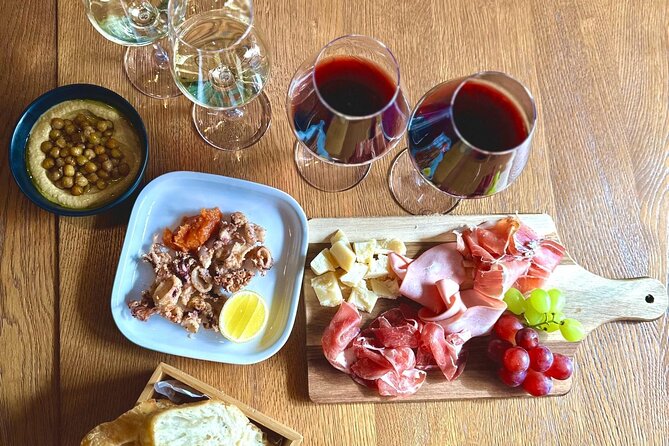
- 4 wines matched to 4 tapas plates, including calamari and charcuterie with cheeses
- Croatian wine lessons covering grape varieties and winemaking methods
- Small group size (max 10), which makes the conversation feel personal
- Old Town vibe with a relaxed evening at Stradoon Bar and a hosted start at Soul Kitchen
Soul Kitchen start at 6:00 PM: how the tasting evening unfolds
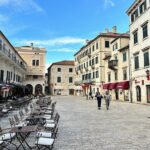
This is a true Old Town evening plan, built around a start time between 6:00 and 8:00 PM. You’ll meet at Ul. od Domina 3, in the heart of Dubrovnik, and the experience returns back to the meeting point when it’s done. The format is designed for a short, satisfying night: you won’t be wandering all over the city, and you won’t be lost trying to figure out what happens next.
Check-in is straightforward with a mobile ticket, and the location is near public transportation, which helps if you’re staying just outside the center. Once you’re gathered, the group stays small—up to 10 people—so you’re not shouting across a table. In a city like Dubrovnik, that matters. Tight groups mean less waiting, more back-and-forth, and fewer awkward pauses where everyone stares at their empty glass.
The session also has a weather dependency. Since this runs as an evening experience in the Old Town, plan to keep it on your “when conditions are good” slot. If the weather turns, the provider says the activity can be canceled, and you’ll be offered a different date or a full refund.
You can also read our reviews of more tours and experiences in Dubrovnik.


Croatian wine story in plain English, with a WSET tasting framework
One reason I like this tour is the way it explains wine. You’re not just tasting; you’re learning a method. The session includes a history of Croatian wines, plus how grape varieties and winemaking methods shape the glass in front of you. That background matters because it makes what you taste feel connected, not random.
The tasting approach is taught with an introduction from WSET, which signals a structured way to observe and describe wine. You’ll get guided basics on how to taste, then you’ll immediately apply them to the food. That combination is where the value is hiding. Instead of collecting facts, you practice the skill while you’re still in the flow of the evening.
If you enjoy asking questions, this is a good match. In the feedback I’ve seen, people really called out how much time they had to talk, and how the guide handled questions without making it feel like a lecture. Mario comes through as someone who explains clearly and keeps things conversational. Even if your wine experience is mostly supermarket reds and a few restaurant glasses, you should leave with language you can use next time you order.
Four wines, four bites: the pairing strategy behind each pour
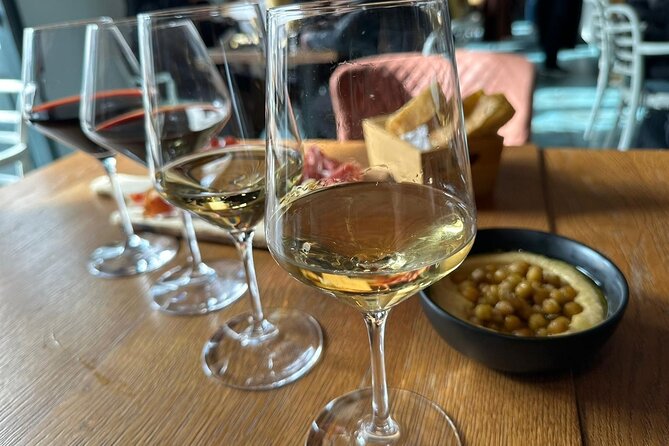
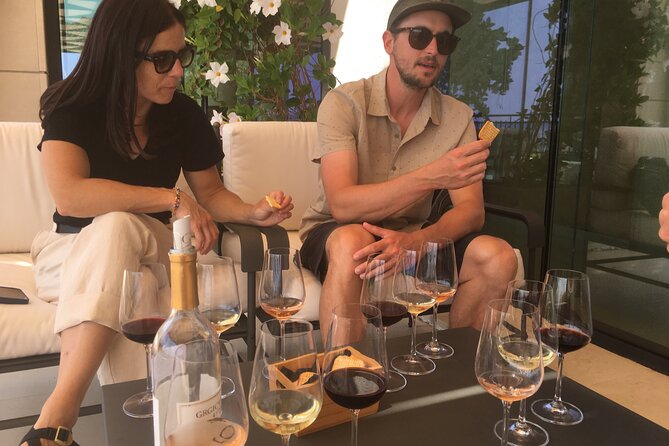
This tasting is built around the idea that food and wine can help each other. The menu is essentially tapas-style, but the pairing logic is what you’ll remember. You’ll sample two white wines alongside starters meant to highlight freshness and savory texture, then two red wines paired with bites that handle salt, fat, and cured flavors.
Here’s what you can expect to eat and how the pairing fits:
White wine pairings: calamari, bread, and houmous
You start with crispy fried calamari. Fried seafood can be tricky because it’s salty and crunchy, but it also gives you a clean stage for a white wine that feels balanced rather than flat. The tour also pairs bread and houmous with the white wine options, which is smart. Houmous has depth, but it’s still in a flavor zone that usually benefits from whites with enough lift to keep things from feeling heavy.
You’ll also see focaccia bread and houmous as part of the starter bites. Think of this section as your “savory and textural” round: crunchy, creamy, and warm bread in the same sequence. If you’ve ever tasted a wine you liked until it hit a specific food, this is the kind of pairing that trains you out of that guessing.
Red wine pairings: charcuterie, cheeses, ham, and grapes
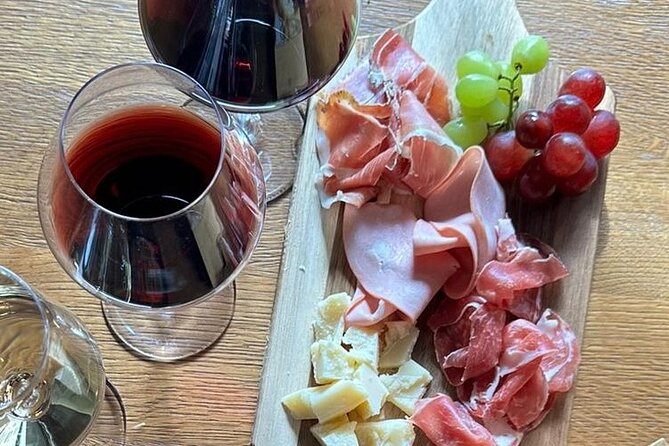
Then the tasting shifts to reds with a charcuterie-style platter. The food includes various cheeses, ham, prosciutto, and grapes. This is a classic setup because it mixes salt, fat, and a little sweetness from grapes. That’s exactly the sort of combination that makes matching more than a trick. It’s also where you get to taste how red wine structure can change how you perceive richness.
Charcuterie asks for balance. Reds that are too heavy can make food feel greasy; reds that are too light might feel thin next to cured meats. This pairing round helps you experience that trade-off in real time, which is why the pairing guidance lands so well. Based on the feedback, the pairing lesson itself is a major reason the rating stays high.



The real takeaway: tasting becomes a skill, not luck
What I love most is that you don’t just taste four wines and walk away. You’re taught wine and food matching principles, which means you can reuse the thinking next time you’re in a wine shop or ordering in a restaurant. If you’ve ever felt overwhelmed by menus, this gives you a simple mental framework: try the food, then choose the wine traits that make sense with it.
Stradoon Bar atmosphere for a relaxed evening in Dubrovnik
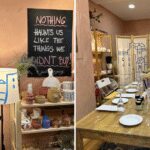
Dubrovnik can be intense in the best way, but evenings in the Old Town have their own rhythm. This experience includes time at Stradoon Bar, with the tasting hosted in the Old Town at Soul Kitchen. You get that mix of structured guidance and a casual setting—exactly what you want for a 2-hour activity.
I like that it feels like a planned night out rather than a rushed stop on a checklist. Because it’s only two hours, you can still do other things after—walk off the calories, grab a final gelato, or just people-watch. And since the group is small, the vibe stays social without turning into a loud group tour situation.
A practical note: if you’re hoping to photograph everything, you’ll have to share focus. Wine and food pacing tends to work best when you sit and pay attention. Take a couple shots, then let your senses do the rest.
Group size, timing, and how to get the most out of 2 hours
Timing matters here because the experience is short. It runs between 6:00 PM and 8:00 PM, and it ends back at the starting point. That tight window is great for people who want learning and flavor without losing a half day to transport and waiting.
The small cap—maximum 10 travelers—is a quality factor. It usually means faster interaction, more chances to ask questions, and less time with everyone waiting for the next pour. In the kind of wine tasting that only works if you’re engaged, small groups help a lot.
Language is another practical point. The experience is offered in English, and the teaching format is built for real understanding, not just background noise. If you’re comfortable asking one or two questions, you’ll get a lot out of it. The feedback I’ve seen highlights how much people valued being able to ask questions and actually hear answers in a clear, friendly way.
Before you go, keep your evening simple. Eat a light snack earlier so you’re ready for the food bites, and plan to stay around the Old Town after. You’ll likely want to keep the wine pairing logic in your head while you’re wandering restaurants—so give yourself the chance to use it.
Who should book this Dubrovnik Old Town wine tasting
This is a great fit if you want wine that feels understandable and useful. You don’t need to be a sommelier type. The experience is designed to teach basics through tasting, and the focus on wine and food matching principles makes it practical.
You’ll probably enjoy it if:
- you like learning a new skill on vacation, especially something you can apply right after
- you eat tapas-style food and want help building flavor combinations
- you want an English-led experience that doesn’t feel stiff
- you prefer small groups over big, noisy tours
It may be less ideal if you’re mainly looking for a long, slow wine education or a deep dive into vineyards and logistics, because this is an Old Town tasting built around an evening session and guided sampling.
Should you book this Dubrovnik Old Town wine tasting?
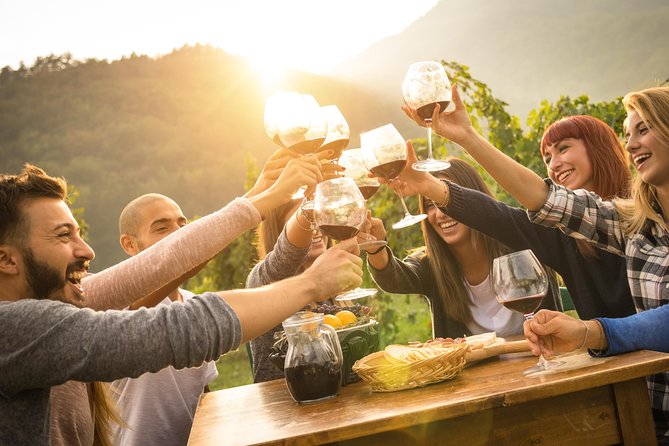
I’d book it if you want a smart, guided evening with clear payoffs: four wines, four tapas-style bites, and a pairing lesson you can use immediately. The repeated praise around the guide, the high-level overview of the Croatian wine scene, and the chance to ask questions all point to a tour that respects your time and attention.
Book it when your schedule can fit 6:00–8:00 PM, and when you’re ready to sit, taste, and talk. If that sounds like your kind of Dubrovnik night, you’ll likely have a great time.
FAQ
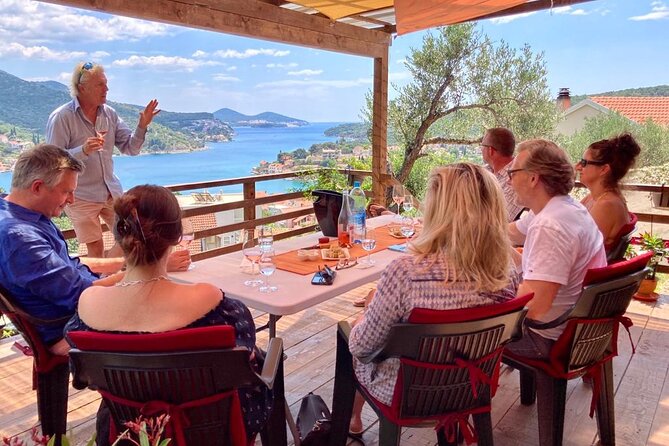
What time is the Dubrovnik Old Town wine tasting?
It runs in the evening between 6:00 PM and 8:00 PM.
Where do I meet for the tour?
You meet at Ul. od Domina 3, 20000, Dubrovnik, Croatia.
What foods and wines are included?
You’ll taste four wines (two red and two white) with tapas-style dishes, including crispy fried calamari, bread with houmous, and a charcuterie platter with cheeses, ham, prosciutto, and grapes.
Is the tasting offered in English?
Yes, the experience is offered in English.
How many people are in a group?
The tour has a maximum of 10 travelers.
What happens if the weather is poor or I need to cancel?
The experience requires good weather. If it’s canceled due to poor weather, you’ll be offered a different date or a full refund. You can cancel for a full refund up to 24 hours before the experience’s start time.