REVIEW · HVAR
Back to the Roots – Ancient Island Interactive Experience
Book on Viator →Operated by Terra Arhaica Experience · Bookable on Viator
This experience turns Hvar’s rural past into hands-on bread, wine, and sea skills, taught by a family in a real ancestral home. I especially love the participation—you grind wheat, handle the tools, and actually cook with the right old-school methods—and the food-first storytelling that ties every lesson to taste. One thing to consider: it moves fast for 75 minutes, so if you prefer relaxed sightseeing over doing, you might feel a bit rushed.
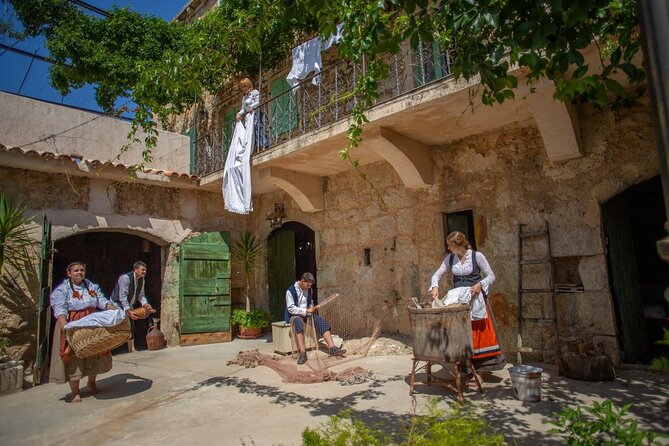
You’ll meet the people behind Terra Arhaica Experience, often in traditional clothing, and the names you may hear include Magdalena, Lana, Jacob, and Jaksa. This is private by design—just your group—so you’re not squeezed into the usual museum “look and leave” routine.
In This Review
- Key highlights before you go
- A stone-house workshop in Vrisnik that feels like someone’s home
- The family hosts and why their stories land
- Under the peka: grinding wheat, warm bread, and olive oil from a stone vessel
- Grapes to wine: pressing and turning juice into something you can taste
- Fisherman-and-farmer skills: nets, salting fish, and tool familiarity
- The lunch that ties everything together: handpicked vegetables and salted sardines
- Paprenjok cookie and the secret recipe moment
- Figs, weaving, cooper craft, and ironing with embers
- Price and value for 1 hour 15 minutes in Hvar
- What the experience feels like day-of (and who it suits)
- Simple tips to get the most from the workshop
- Should you book Back to the Roots in Hvar?
- FAQ
- How long is the Back to the Roots interactive experience?
- Where does the experience take place?
- Is it offered in English?
- Is this a private tour?
- Do I get a mobile ticket?
- When will I receive confirmation after booking?
- What is the cancellation window?
- Are service animals allowed?
Key highlights before you go
- Grind your own wheat and bake under the peka for warm, olive-oil drenched bread
- Press grapes and learn how juice becomes wine
- Fix a fisherman’s net and practice salting your own fish using the tools and logic of island life
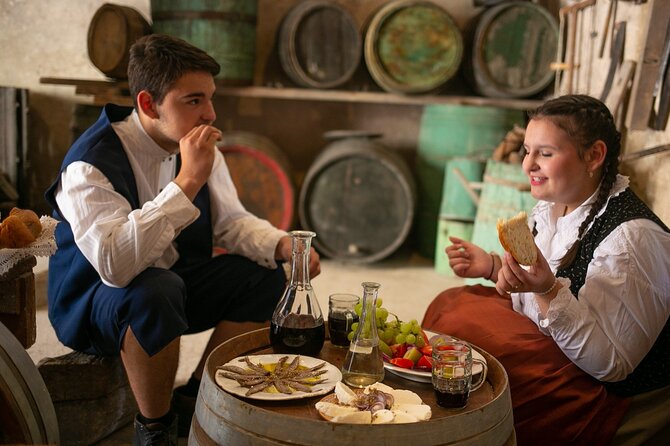
- Taste a farmer-and-fisherman lunch, including salted sardines with tomatoes and zucchini from the garden
- Paprenjok cookie lesson with the cookie recipe and traditional design-style fun
- Craft stations like weaving a scarf/bracelet, cooper craft moments, and ironing clothes with embers
A stone-house workshop in Vrisnik that feels like someone’s home
The setting is the heart of this visit. You’re not roaming through glass cases; you’re inside old stone spaces where the pace and the workflow make sense. The family style matters too: the tone is welcoming, practical, and story-led, the kind of hospitality that makes you slow down—because you have tasks to do, and questions to ask.
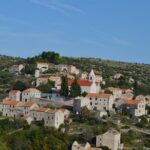
You start in Vrisnik (the activity ends back at the meeting point), and you can expect an afternoon rhythm that’s built around fire, food prep, and small skill demonstrations. Even if you’re not a “hands-on person,” the workshop approach is designed to keep you involved without forcing you to perform. You watch, try, taste, then move on.
You can also read our reviews of more tours and experiences in Hvar.



The family hosts and why their stories land
One of the best parts is the way the hosts connect everyday labor to identity. When someone explains why the fire and fireplace mattered, it’s not abstract. It’s about cooking, drying, preserving, and staying fed from season to season—skills that used to decide whether a household could make it through lean months.
The names I saw associated with the experience—Magdalena, Lana, Jacob, and Jaksa—show up in how people describe the visit: friendly, engaged, and generous with time. That matters because good living-history doesn’t just list facts. It answers the obvious questions you’re already thinking: How long would this take? What did people eat? What tools did they rely on? How did work fit into daily life?
Under the peka: grinding wheat, warm bread, and olive oil from a stone vessel
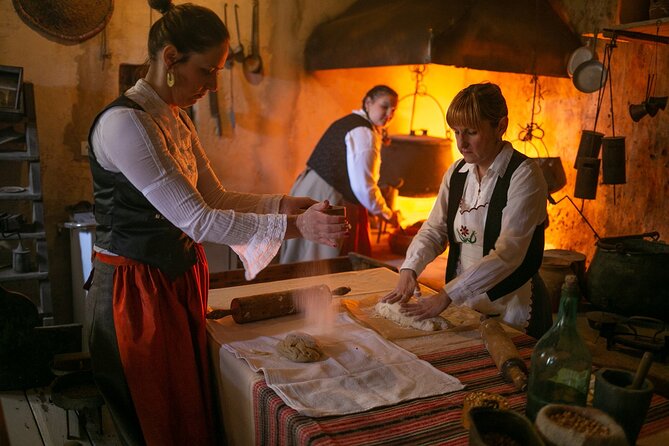
This is the portion that usually wins people over first. You’re taught how ancestors made bread under the peka, then you get to try the prep steps yourself—especially the part about grinding your own wheat. That simple act changes everything. Bread stops being a product and becomes a process you can feel in your hands.
Then comes the taste payoff. You’ll scoop the oil from a stone vessel and try it drizzled over fresh, warm bread. It’s one of those meals that doesn’t need fancy presentation because the ingredients and heat do the work for it.
If you care about food culture, this segment is worth the price on its own. It’s also great for kids and food lovers alike because it’s visual, physical, and immediate. You can see what’s happening, and then you eat the result right away.
Grapes to wine: pressing and turning juice into something you can taste
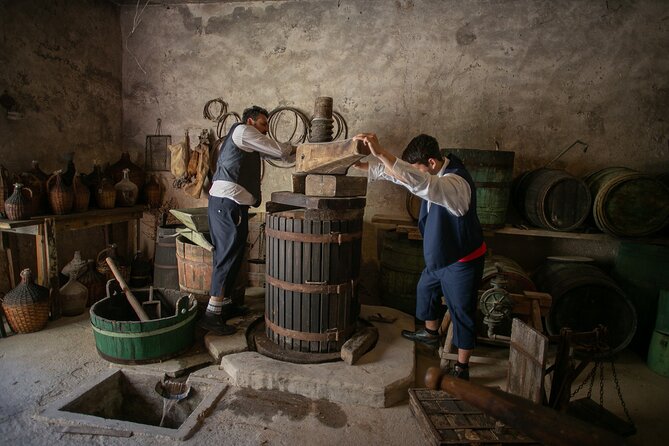
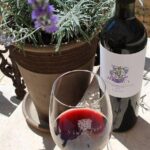
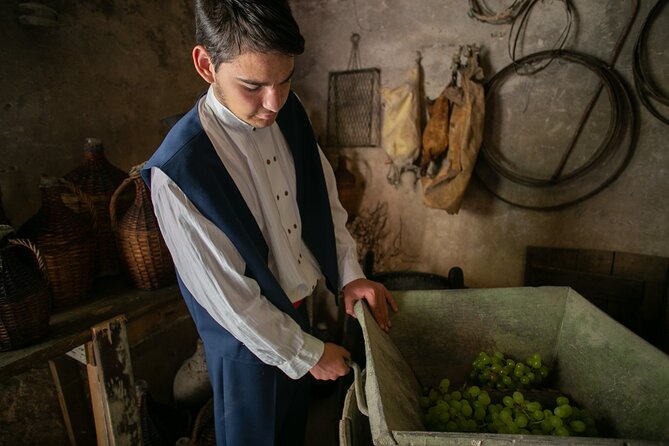
After bread work, the experience shifts from grains to vineyards. You’ll learn how to press the grapes, and you’ll connect that action to the bigger idea—turning juice into wine. Even without getting technical, the workshop makes the method feel logical, like a chain: grape → juice → preservation and flavor over time.
This part works best if you like learning through doing. You’re not memorizing a lecture. You’re building a mental model of how a household could produce what it needed from the island’s own crops.
Fisherman-and-farmer skills: nets, salting fish, and tool familiarity
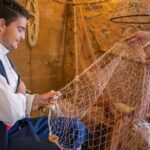
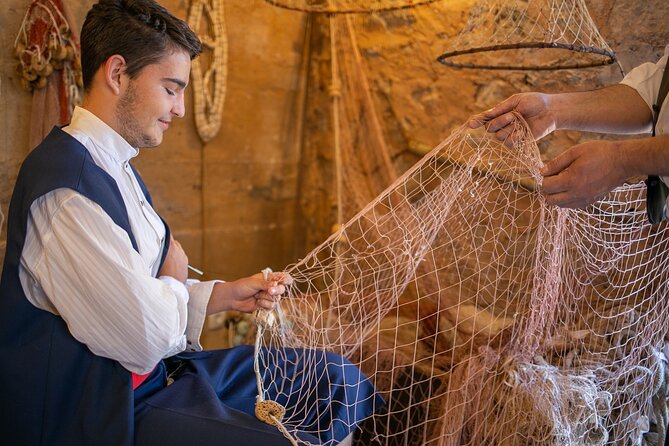
Croatia’s coastal life has its own rhythm, and here it’s taught through practical tasks. You’ll learn how to mend a fisherman’s net and become familiar with their tools. Then the workshop moves to preservation, including how to salt your own fish.
What I like about this section is that it treats “food” as more than a meal. Fish isn’t just something you buy later; it’s something you store correctly so it lasts. The lesson about the importance of the fire and fireplace threads through this too—heat and fire are the everyday technology behind cooking and processing.
There’s also a quiet advantage to this focus. Many Hvar activities lean toward scenic views or big group tours. This one gives you a different kind of island knowledge: how people actually worked and solved problems when there were no modern shortcuts.



The lunch that ties everything together: handpicked vegetables and salted sardines
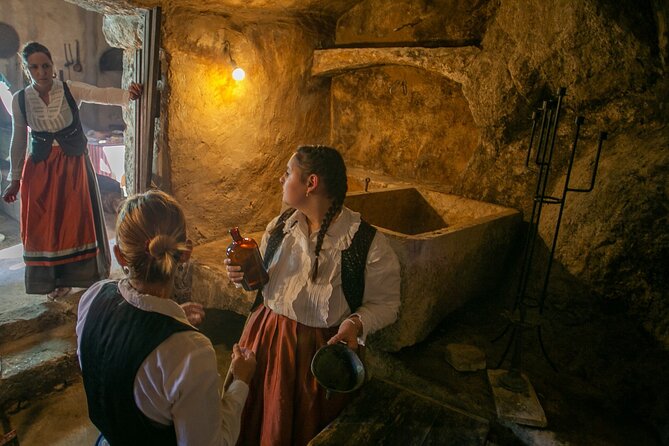
By the time you reach the tasting, you’re primed to notice details. The meal includes a combination of a farmer’s and fisherman’s lunch, built around island ingredients. You’ll mix salted sardines with fresh tomatoes and zucchini that you handpicked from the garden—so by the time the food hits the table, you can tell the story of where it came from.
That garden-to-plate connection is more than a feel-good detail. When you pick the vegetables, you pay attention to what “fresh” means on a Mediterranean island. You also get a stronger sense of seasonal eating, because the workshop approach makes the farm part of the menu visible.
You’ll also see how the hosts keep the meal flowing in courses, not just one plate. It’s the kind of structure that makes the hour feel like a sequence of discoveries rather than one long workshop session.
Paprenjok cookie and the secret recipe moment
Sweet stops in this experience aren’t an afterthought. You’ll treat yourself with the traditional paprenjok cookie and learn its secret recipe. There’s something satisfying about finishing a savory, work-based program with a pastry lesson, because it shows how households treated baking and cooking as core skills—not rare events.
And if you like interactive food craft, this segment tends to feel extra memorable because it’s not just tasting. You’re learning, then you’re eating what you learned.
Figs, weaving, cooper craft, and ironing with embers
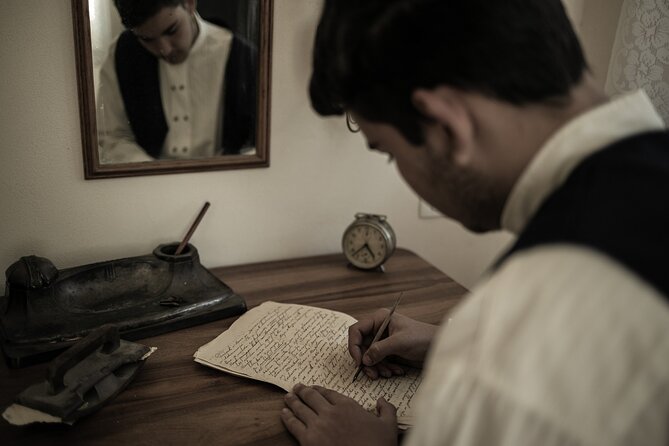
After the core cooking and meal learning, the experience expands into preservation and handmade skills.
You’ll find out how figs were dried, which ties neatly into the earlier theme of fire and preservation. Dried fruit is one of those “small” practices that used to matter a lot—calories for later, shelf-life for months, and sweetness when the garden runs out.
Then comes the craft portion:
- You’ll learn how to weave a scarf or bracelet
- You’ll experience the skill of the cooper’s craft for a moment
- You can experience the old technique of ironing clothes with embers
These stations are especially good if you want a broader sense of rural life. They also add variety so the session doesn’t feel like one long food lecture.
A practical note: this part is skill-based in a light, try-it-yourself way. If you want lots of control and lots of time, you might not get it in 75 minutes. But if you want meaningful “taste of the skill” participation, it fits.
Price and value for 1 hour 15 minutes in Hvar
At $155.33 per person for about 1 hour 15 minutes, you’re paying for more than a meal. You’re paying for an active workshop format: tool use, hands-on steps (like grinding wheat and pressing grapes), and a structured tasting. You’re also paying for a family-run setting that’s set up to teach and host.
Compared to typical food experiences that are mostly eat-and-watch, this one has built-in participation. That’s usually where the value shows up. Even though the time is short, the session is packed with practical learning that connects directly to the lunch and sweets.
One more timing clue: it’s commonly booked around 54 days in advance. That’s a sign the experience is popular and limited. If your travel dates are firm, I’d plan early rather than assuming you can grab a spot last minute.
What the experience feels like day-of (and who it suits)
This is best for you if you want:
- hands-on food learning in a real home setting
- short, story-based activities that actually change how you think about ingredients
- a break from big group tours while still getting a full program
It also works well for families—some descriptions include children joining comfortably—because the activities are visual and practical, with plenty of “try this” moments.
Who might want something different? If you’re in pure scenic-mode and want mostly strolling, photos, and relaxed pacing, the workshop nature may feel more structured than you want. It’s still enjoyable, just different from a wander-and-look tour.
If you do have dietary needs, keep it practical: the data doesn’t specify options, so you’ll want to check details with the provider when you confirm. Given the focus on traditional ingredients and hands-on prep, it’s smart to ask early.
Simple tips to get the most from the workshop
Bring curiosity more than expectations. If you show up ready to touch tools, smell ingredients, and try small steps—even if you’re not “crafty”—you’ll get more out of the experience.
Also, plan your day so you’re not rushing off right after. The program is packed, and you’ll want a little buffer to process what you learned and taste.
Finally, if you’re the type who enjoys “how it was made” stories, you’ll love the way the session links fire, tools, work, and food into one connected hour-plus.
Should you book Back to the Roots in Hvar?
If you want an authentic island experience that doesn’t feel like a museum, I’d book it. The combination of grinding wheat, pressing grapes, net mending, salting fish, and then eating a farmer-and-fisherman lunch is exactly the kind of practical learning that stays with you longer than a standard meal.
Do it if you like food culture and hands-on travel. Skip it if you’re aiming for long scenic time or very unstructured pacing. In most cases, this is a smart “one afternoon worth it” choice in Hvar—especially when you’d rather learn how the past tasted than only hear about it.
FAQ
How long is the Back to the Roots interactive experience?
It lasts about 1 hour 15 minutes.
Where does the experience take place?
The start point is in Vrisnik, Croatia (listed as 5M32+9F Vrisnik, Croatia), and the activity ends back at the meeting point.
Is it offered in English?
Yes, the experience is offered in English.
Is this a private tour?
Yes. It’s listed as private, meaning only your group participates.
Do I get a mobile ticket?
Yes. The experience includes a mobile ticket.
When will I receive confirmation after booking?
You should receive confirmation within 48 hours of booking, subject to availability.
What is the cancellation window?
Free cancellation is available, and you can cancel up to 24 hours in advance for a full refund.
Are service animals allowed?
Yes, service animals are allowed.