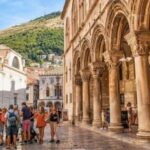
REVIEW · DUBROVNIK
Bosnia Food and Wine Experience Tour – From Dubrovnik
Book on Viator →Operated by DORIA Ltd · Bookable on Viator
Wine tastes start with monks and countryside. This tour links Bosnia and Herzegovina to your Dubrovnik stay with stops that feel personal, not staged: a monastery cellar tasting, family-run wineries, and a full lunch in the Trebinje area. If you like your travel with real people behind it, you’ll enjoy the pace and the way the story of wine ties into daily life.
I especially like the pairing of tastings and local food—it’s not just sip, smile, repeat. And the guide, often highlighted as Miho, is praised for making it feel like you’ve joined the family for a few hours, with smart context that actually helps you taste. The main thing to consider is the touring style: it’s a short day, so you’re moving between spots and you’ll want to dress for the church requirement early on.
In This Review
- Key highlights you won’t want to miss
- Getting from Dubrovnik to Trebinje: the day plan
- Tvrdos Monastery: wine tasting with a real dress rule
- Pridvorci winery: indigenous grapes and a snack that feels local
- Trebinje drive and Old Muslim casaba area: a short walk option
- Trebinje winery tasting: four wines paired with homemade prosciutto and cheese
- Hercegovacka Gracanica hill: panoramic views and cultural context
- Tuli village lunch: choose meat, fish, or vegetarian
- Price and value: what $312.36 buys you (and what it doesn’t)
- Who this tour suits best
- Should you book the Bosnia Food and Wine Experience from Dubrovnik?
- FAQ
- How long is the Bosnia Food and Wine Experience Tour from Dubrovnik?
- What time does the tour start, and is pickup included?
- Is the tour offered in English, and is it private?
- Are admission tickets required for the stops?
- What should I wear for Tvrdos Monastery?
- How many wineries do you visit, and is there food with the tastings?
- What does lunch at Tuli include, and can I choose a menu?
- Are extra visits to Trebinje marketplace or Srdj hill included automatically?
- Is wine to take home included in the price?
- Can I cancel for a full refund?
Key highlights you won’t want to miss
- Tvrdos Monastery cellar tasting with white and red pours, plus insight into monks life today
- Two winery visits with snack—cold cuts, olives, bread, and cheese show up along the way
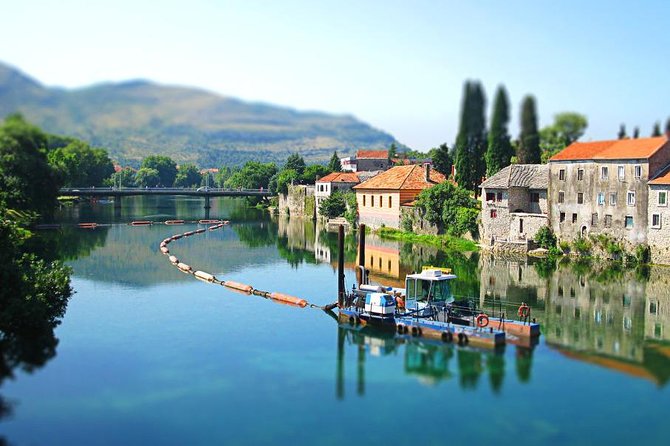
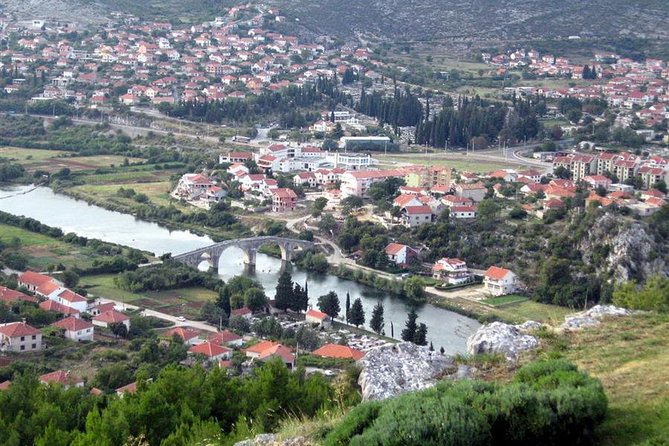
- Trebinje area viewpoints and storytelling about geography and the region’s cultural mix
- Family hospitality in Pridvorci and Trebinje with indigenous varieties and a multi-wine tasting
- Tuli village lunch with menu choice (meat, fish, or vegetarian) and homemade wine/liqueurs
Getting from Dubrovnik to Trebinje: the day plan
This is a half-day tour (about 5 to 6 hours) that starts at 1:30 pm, with pickup from your hotel or apartment. The whole experience is built around one thing: getting you into Bosnia food and wine without you having to plan cross-border logistics or navigate multiple stops on your own.
The vehicle is air-conditioned and you’re with a licensed wine expert guide who also drives. That matters more than it sounds. When the person handling the route also knows the wine side, the time feels tighter and more coherent—you’re not just being transported between random points.
Because it’s private (only your group participates), you get a more relaxed rhythm than on big buses. You’ll still move through five main stops, but you’re not trapped in a cattle-line feeling.
Also, a practical note: this tour is popular enough that it’s commonly booked about 75 days in advance. If you’re traveling in high season, booking earlier keeps you from playing calendar Tetris later.
You can also read our reviews of more tours and experiences in Dubrovnik.
Tvrdos Monastery: wine tasting with a real dress rule
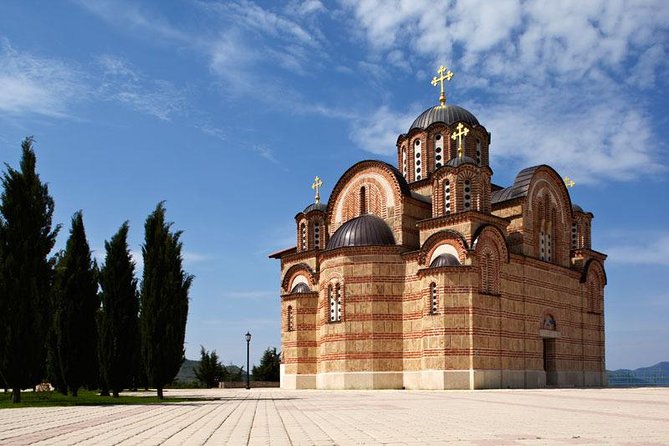
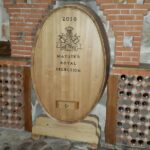
Stop one is the Tvrdos Monastery, a historic Orthodox monastery dating to the 15th century, with 17th-century cellars. That setting alone gives you a different kind of wine start than you’d get at a modern tasting room. This isn’t just about pouring; it’s about where the cellar tradition comes from and how monks life continues in the present.
You’ll taste some of their best white and red wines and get guided insight into the daily rhythm of monastic life today. Admission for this stop is listed as free, so your money goes toward the experience rather than the entry line.
One very specific consideration: long trousers are needed to enter the church. Don’t treat this like a maybe. Plan your outfit around it before you leave Dubrovnik, especially if you’re arriving in summer clothing.
What I like about this stop is the way it sets context before the wine gets “fun.” You’ll likely taste later with more curiosity, because the opening story explains why wine and monastery cellars belong together here.
Pridvorci winery: indigenous grapes and a snack that feels local
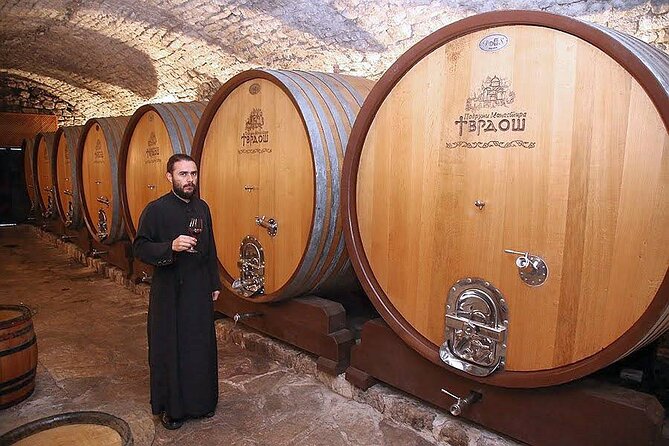
Next comes a stop in Pridvorci, at a small family-owned winery. This is one of those “small enough to feel real” places. Instead of a polished presentation, you’re getting acquainted with life in Bosnia and how wine production fits into it.
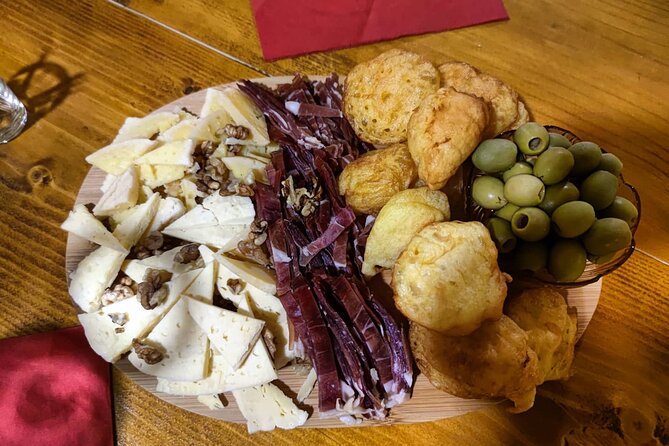
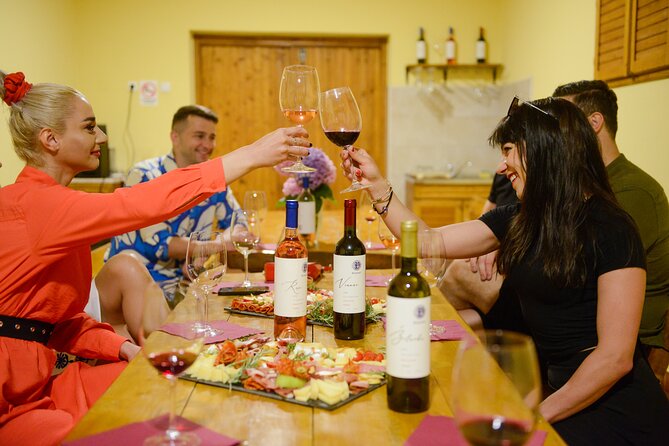
The tasting focuses on indigenous wine varieties—the local grapes that make a region taste like itself. Alongside the wine, you’ll have a snack of cold cuts, olives, bread, and cheese.
Admission is free for this stop, and the way the food is built into the tasting matters. The snack isn’t just filler; it helps you notice how different styles of wine handle salt, fat, and savory flavors.
If you’re the kind of traveler who likes to learn what makes a grape “different” (rather than just what tastes good), this is a good match. It’s also a nice checkpoint if you want the trip to stay intimate and human.
Trebinje drive and Old Muslim casaba area: a short walk option
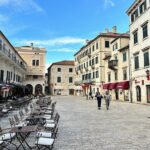
You’ll drive through Trebinje’s center, with the program allowing for a possible short walk through the Old Muslim casaba area and a 19th-century Austrian marketplace. This is one of those “optional stretch” moments: it depends on how the schedule lands and what you want to do that day.
Even if you only get a little time on foot, it helps you see the shape of Trebinje rather than treating it like a pin on a map. You’re also getting more cultural context before the next big tasting stop.
The tour continues on to another family-owned winery in the Trebinje area, where you’ll meet the owners. That host-to-guest moment is a theme here, and it’s exactly what turns a winery visit into a story you’ll remember.
Trebinje winery tasting: four wines paired with homemade prosciutto and cheese
The Trebinje-area winery stop is built for variety. You’ll have a tasting of four different wines, paired with homemade prosciutto and cheese. This is a step up from a simple flight because the food pairing stays in the same “family table” spirit as the snacks earlier.
One subtle advantage here: a four-wine tasting often gives you a better chance to find your favorites without making the whole day feel like work. If you’re someone who tends to forget what you tasted at stop number one, the structure of a separate tasting with food can anchor your memory fast.
Admission is listed as free for this stop too, so you’re not paying extra per location. The value comes from how the meal and tasting are connected.
If you’re a wine traveler who likes to compare styles, you’ll likely enjoy having monastery wine context first, then shifting to indigenous varieties and a broader tasting set in Trebinje. It’s like changing “chapters” without changing tours.
Hercegovacka Gracanica hill: panoramic views and cultural context
After the winery tastings, the tour climbs to Hercegovacka Gracanica on a hill for one of the best panoramic views in the Trebinje area. This stop is only about 30 minutes, but it’s timed right: after your stomach has wine and food memories, the view helps your brain reset.
The guide also explains the geography and the multi-cultural complexity of Bosnia & Herzegovina. This is where a good guide changes your experience from sightseeing to understanding. You’ll likely connect the dots between what you’ve tasted and what the region deals with historically and culturally.
The main consideration at this viewpoint stop is simple: it’s an active hill location, and you’ll want to move carefully. The program doesn’t mention special restrictions, but you’re on a short schedule, so plan to keep up with the group.
Tuli village lunch: choose meat, fish, or vegetarian
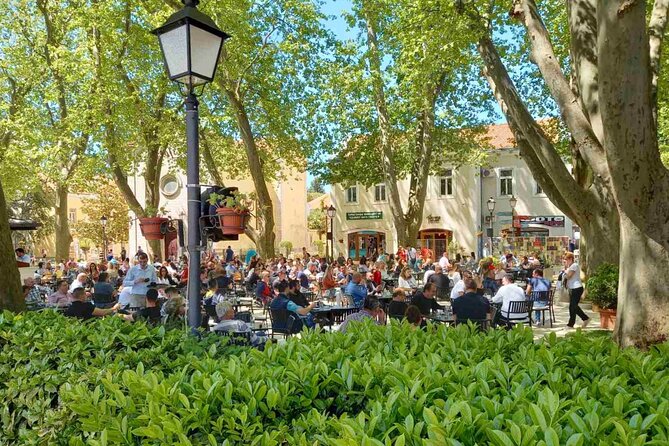
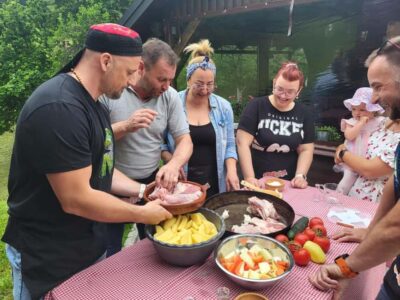
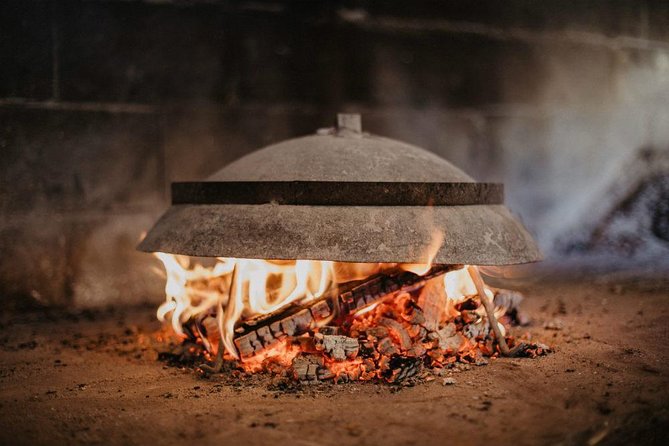
The final major stop is Tuli, at a family-owned restaurant serving traditional domestic Bosnian food. You’ll have a 3-course lunch with homemade wine and liqueurs, and you can choose between a meat, fish, or vegetarian menu.
That choice is more than a checkbox. It changes what kind of flavors you’ll experience and makes the lunch feel tailored rather than generic. If you’re traveling with someone picky about protein types, this menu flexibility is a big plus.
The included portion says a 2-course lunch with drinks, while the itinerary describes it as a 3-course lunch. Either way, plan for a full, sit-down meal with drinks included, not a quick snack.
What I like here is that lunch isn’t separate from the wine story. You’re not done tasting just because you’ve switched to food—you’ll keep sampling through the meal, which is where a lot of people’s favorite flavors usually show up.
Price and value: what $312.36 buys you (and what it doesn’t)
At $312.36 per person, this tour isn’t a bargain-basement tasting. But it also isn’t a “pay for scenery and hope” experience.
Here’s what your money is really covering:
- Round-trip logistics from Dubrovnik via a comfortable air-conditioned vehicle
- A licensed wine expert guide who drives
- Two winery tastings plus a snack (with food built into the tasting in at least one stop)
- A meal in Tuli village with drinks (homemade wine and liqueurs)
- Hotel/apartment pickup and drop-off
- A private group setup (your group only)
Not included: bottles of wine to take home. If you want souvenirs you can drink later, you’ll need to buy them on your own. That’s common, but it’s worth saying up front so the final bill doesn’t surprise you.
Also, gratuities are optional. That means you should decide based on service level and your style of travel.
If you’re the kind of person who values time and hates logistics, this price makes more sense. You’re buying a guided half-day that hands you structure: tastings, food, and context in a tight route.
Who this tour suits best
This tour is a strong match for:
- Couples or small groups who want a private day trip feel
- Wine lovers who want tastings tied to local food and regional context
- People who enjoy family-run hospitality more than scripted factory tours
- Travelers who want a short day that still includes both culture and food
It may be less ideal if:
- You want long free time in multiple towns (this is scheduled and moves along)
- You’re sensitive to church dress rules—plan for long trousers
- You’re chasing a lot of extra stops unless you arrange them ahead
Should you book the Bosnia Food and Wine Experience from Dubrovnik?
I’d book it if you want a focused day trip where wine, food, and regional stories connect smoothly. The strongest part is the human side: the guide experience is consistently praised, and that shows up in how the tastings feel welcoming rather than transactional.
If you’re someone who likes learning while eating—then tasting again with context—you’ll get value from the monastery start, the indigenous focus in Pridvorci, and the multi-wine set in Trebinje.
But do read this as a practical heads-up too: it’s a tight schedule, so wear the right clothes for Tvrdos, come ready to taste, and don’t expect unlimited wandering.
If that sounds like your kind of half-day, this is an easy yes.
FAQ
How long is the Bosnia Food and Wine Experience Tour from Dubrovnik?
It runs about 5 to 6 hours.
What time does the tour start, and is pickup included?
The start time is 1:30 pm, and hotel/apartment pickup and drop-off are included.
Is the tour offered in English, and is it private?
Yes. It’s offered in English, and it’s a private tour/activity where only your group participates.
Are admission tickets required for the stops?
Admission tickets for the listed stops are marked as free in the itinerary.
What should I wear for Tvrdos Monastery?
Long trousers are needed to enter the church at Tvrdos Monastery.
How many wineries do you visit, and is there food with the tastings?
The tour includes visits and tastings to 2 wineries according to the schedule, with a snack included with one of the winery stops.
What does lunch at Tuli include, and can I choose a menu?
Lunch at Tuli includes a traditional domestic Bosnian meal with homemade wine and liqueurs, and you can choose between meat, fish, or vegetarian options.
Are extra visits to Trebinje marketplace or Srdj hill included automatically?
No. Optional trips to the Trebinje marketplace and Srdj hill must be arranged in advance.
Is wine to take home included in the price?
No, bottles of wine to take home are not included.
Can I cancel for a full refund?
Yes. You can cancel for a full refund up to 24 hours before the experience’s start time.