REVIEW · CROATIA
Traditional Plitvice Lakes Cooking Class
Book on GetYourGuide →Operated by Traditional Plitvice Lakes Cooking Class, OBRT ZA EDUKACIJU, vl. Lidija Špehar · Bookable on GetYourGuide
4 hours, and your hands learn Croatia. I love the family-style welcome at House Karlo, especially the liqueurs and drinks that make you feel at home right away. I also love that this is not a sit-and-watch class: you help prep, mix, and taste as the evening moves along. One consideration: the experience is not suitable for vegans or vegetarians, since the seasonal menu is built around traditional local ingredients, often including meat and dairy.
In a rural setting in the Plitvice Lakes area, you’ll get equipped, guided in English, and sent home with recipes in your head (and your phone if you take notes). Expect a true country-estate meal at the end, with brandy and a full seasonal 3-course spread, so the class feels like part cooking lesson and part dinner with locals.
In This Review
- Key things I’d bet on
- House Karlo Near Plitvice Lakes: Why This Class Feels Personal
- The 4-Hour Flow: Welcome Drinks, Cooking, and the Brandy Feast
- What You’ll Cook: Seasonal Croatian Favorites and Pečka Possibilities
- Inside the Kitchen: Getting Messy Without Stress
- The Meal at the End: Why the Feast Is the Whole Point
- Price and Value: Is $135 Worth It?
- Who This Plitvice Lakes Cooking Class Fits Best
- Practical Tips Before You Go
- Should You Book This Cooking Class?
- FAQ
- Where does the class meet?
- How long is the cooking class?
- What language is the instruction in?
- What is included in the price?
- Is there alcohol during the experience?
- What kinds of dishes might I cook?
- Is this class suitable for vegans?
- Is it suitable for vegetarians?
- How much does it cost?
- Are there options to cancel or change plans?
Key things I’d bet on
- A hands-on session, where you actually work the ingredients, not just observe
- House Karlo’s warm reception, including welcome liqueurs and plenty to snack on
- Seasonal menu flexibility, so what you make can change with what’s fresh and grown locally
- Possible peka-style cooking, like lamb or veal baked under an iron bell
- A real sit-down feast, served after the work is done, with brandy included
- Small moments that feel personal, like chatting with hosts and even meeting the resident dog Oreo
House Karlo Near Plitvice Lakes: Why This Class Feels Personal
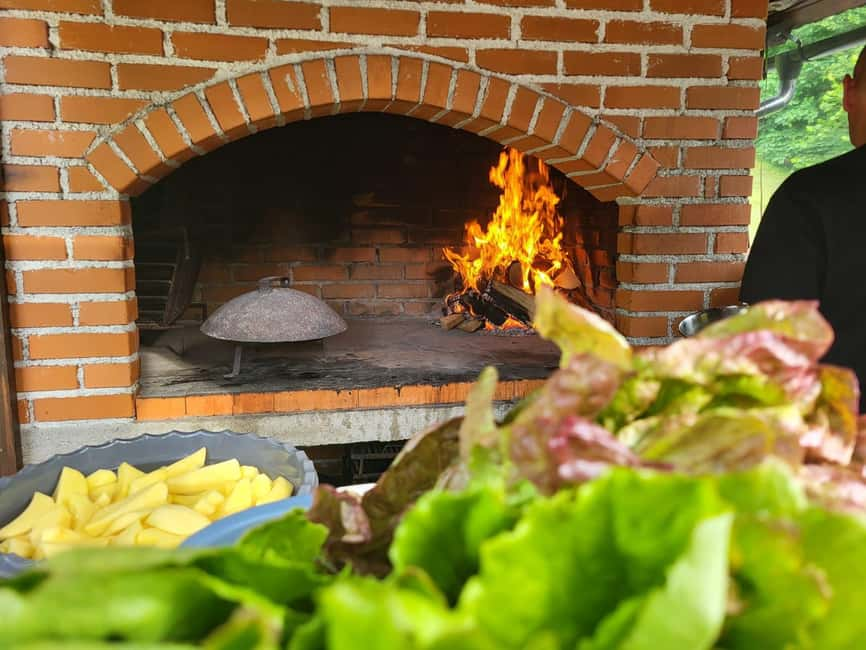
This cooking class is built around a simple idea: food tastes better when you make it with people who care about it. You start at House Karlo, a rural home base in the Plitvička jezera area, where the mood is relaxed and welcoming. From the moment you arrive, you’re treated like you’ve been expected, not like you’re buying a ticket for an activity.
What makes it especially appealing for me is the balance. You get the structure of a cooking lesson—tools, instructions, and a clear sequence—yet the setting keeps things human. One review mentioned the experience felt like part of the family quickly, with Marco and Lidija helping set the tone and often bringing you into the rhythm of the evening. Another highlighted how the son of the owners guides during the cooking part, which helps explain why the teaching style can feel friendly rather than formal.
The rural setting also matters. Croatia’s cooking culture is closely tied to the seasons, and being in a countryside estate makes that feel believable. You’re not just learning recipes. You’re learning why certain ingredients show up, and how households adapt what they have.
You can also read our reviews of more tours and experiences in Croatia.


The 4-Hour Flow: Welcome Drinks, Cooking, and the Brandy Feast
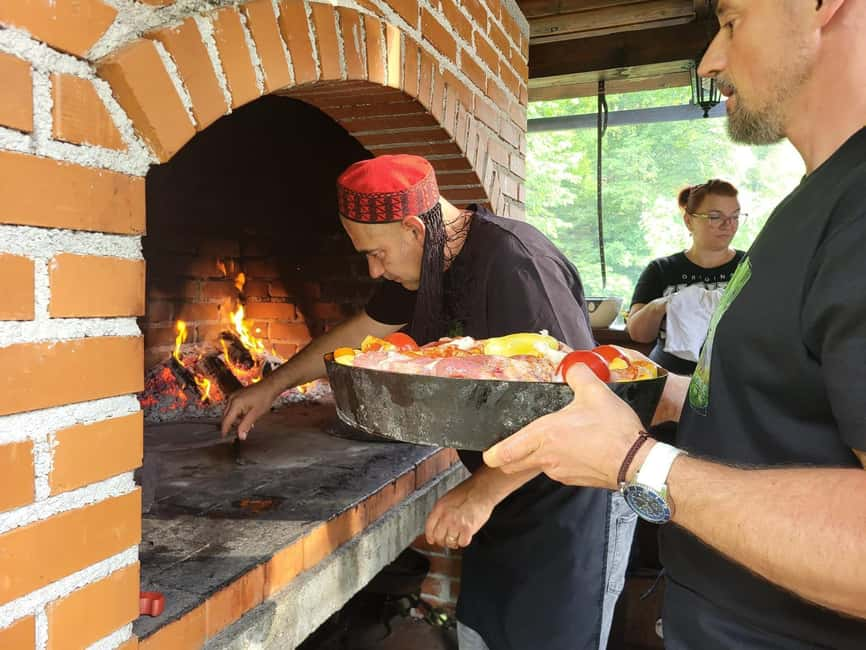
The timing is tight but well-paced. You’re with the group for about four hours, and that’s long enough to learn, cook, taste, and eat without dragging into a full-day program.
Here’s what the flow looks like:
First, you arrive and get a welcome drink. This is not an empty gesture. You’re given something to sip as you settle in, and you get oriented in the house kitchen setup. Then you’re equipped with the cooking tools and a set of instructions that gets you moving quickly.
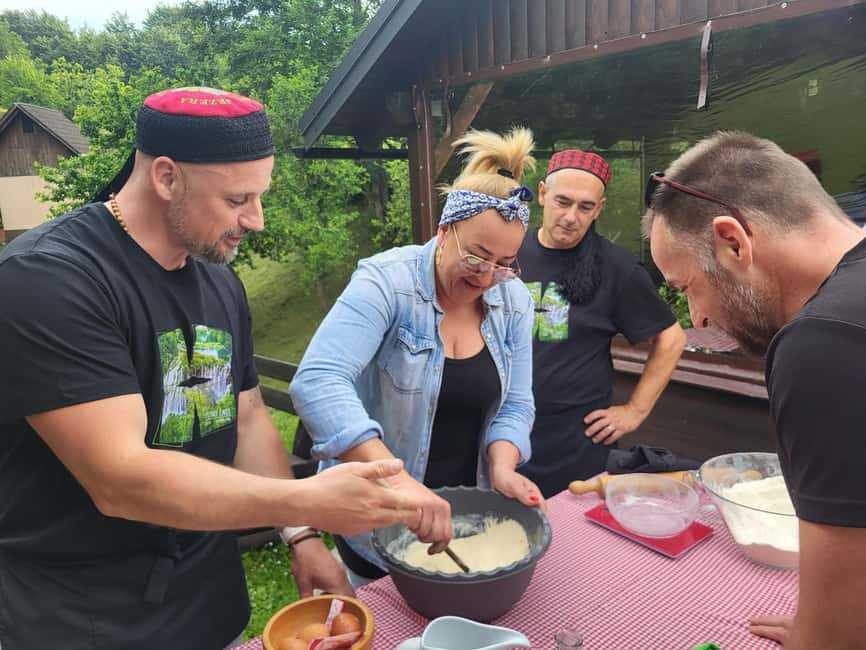
Next comes the hands-on cooking phase. This is the heart of the class. You’ll work on at least one main dish idea and likely also touch ingredients used for the rest of the meal. Expect moments where you’re tasting wild spices, assembling bread mixtures, and learning how the texture and seasoning change as you go. The vibe is practical: do the task, taste, adjust.
After the cooking, you sit down and eat. The experience includes an epic feast at the country estate, and brandy is part of the closing ritual. It’s the kind of dinner that makes you glad you waited to stop cooking—because your meal is tied to what you just made.
If you’re thinking about energy, plan for “kitchen arms.” One review mentioned getting plenty of bites and never feeling shortchanged during the evening, and that matches the general feel: you’re kept busy, but you’re also fed along the way.
What You’ll Cook: Seasonal Croatian Favorites and Pečka Possibilities
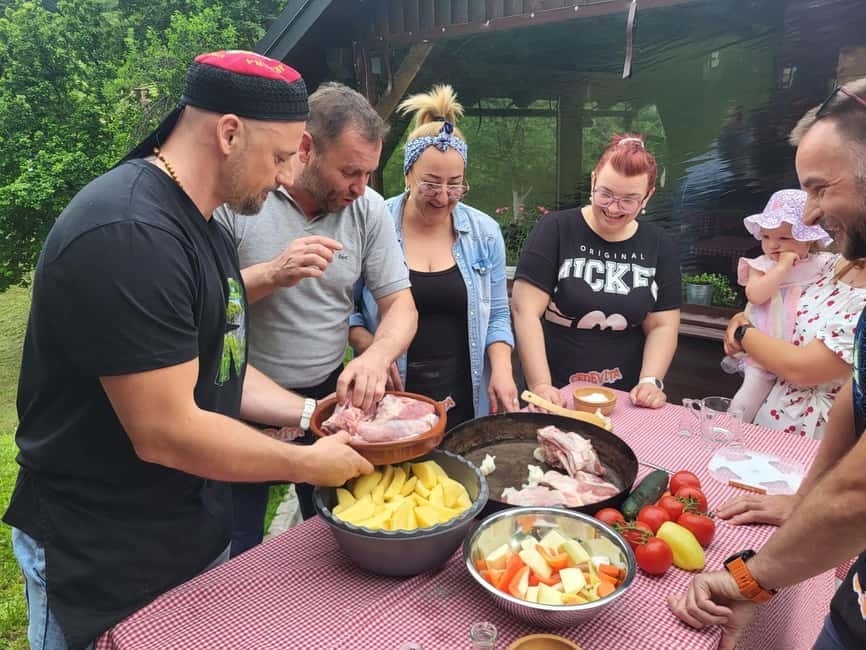
Croatian cuisine in this part of the country is about what’s fresh and what’s traditional. You’ll see that in the way the class talks about recipes being passed down through generations by word of mouth. The exact dishes vary by season and what’s available in the household garden, so you’re not locked into a rigid menu that never changes.
Still, you can expect the class to focus on traditional dishes like:
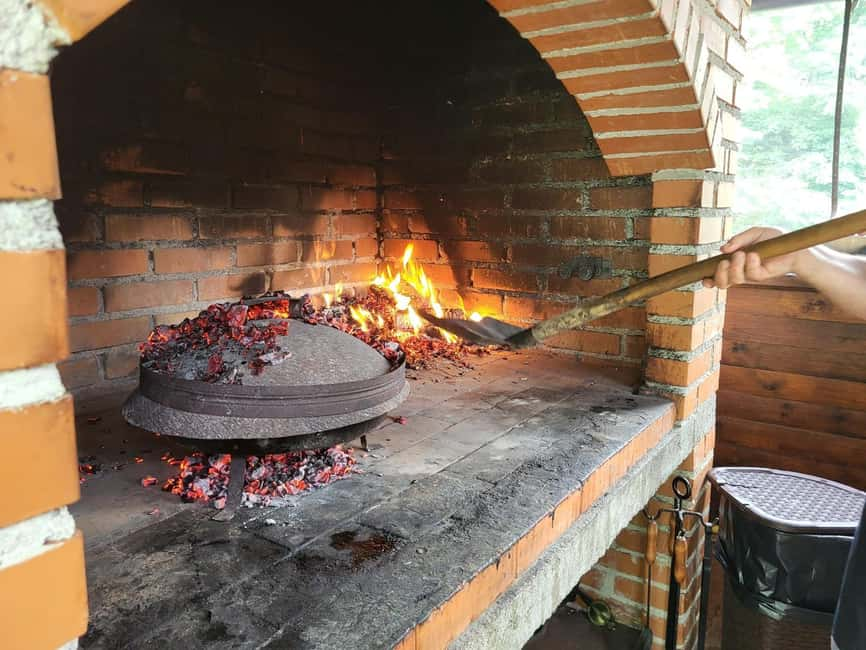
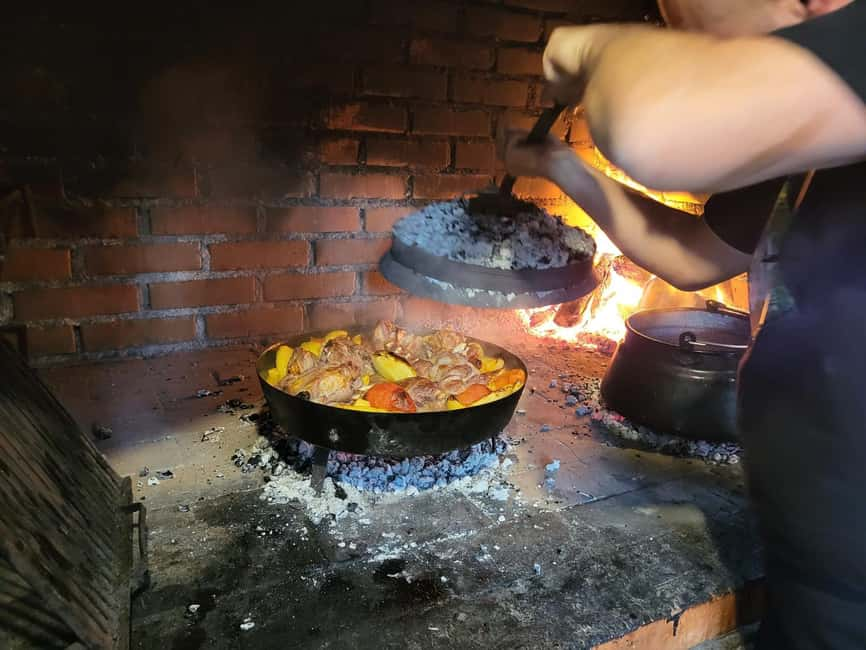
- Pečka (peka): This is a method where lamb or veal is baked under an iron bell. The point is the slow, gentle cooking and the way flavors stay sealed in.
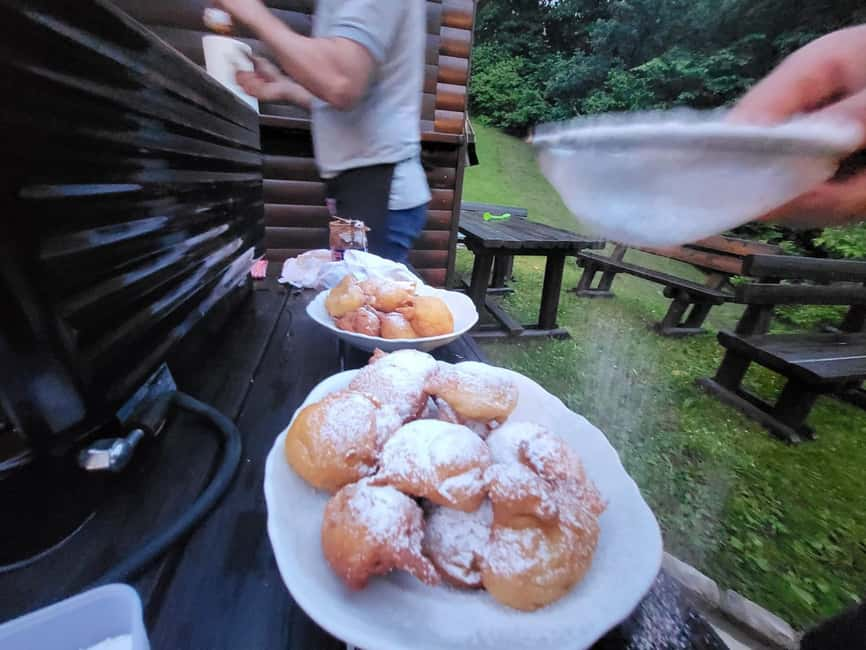
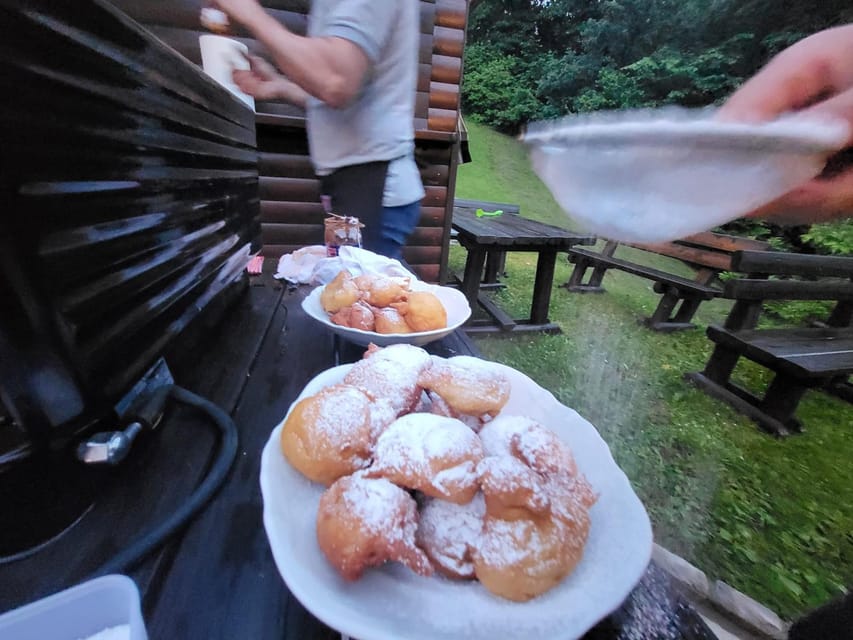
- Seasonal dessert ideas: You’ll learn at least one sweet course possibility, depending on what’s made locally at that time.
- A seasonal 3-course menu: The class is built around a full course sequence, so your work in the kitchen connects directly to what you’ll serve at the table.
One of my favorite parts of a seasonal menu is that you get a more honest view of how families cook. Households don’t follow a marketing calendar; they follow what’s good right now. So when you taste and adjust, it often feels like learning a method rather than memorizing a single recipe.
Do note this class is not suitable for vegans or vegetarians. The menu is traditional and seasonal, but it’s also clearly meat-and-dairy oriented. If you eat plant-based, you’ll likely feel left out here rather than politely accommodated.
Inside the Kitchen: Getting Messy Without Stress
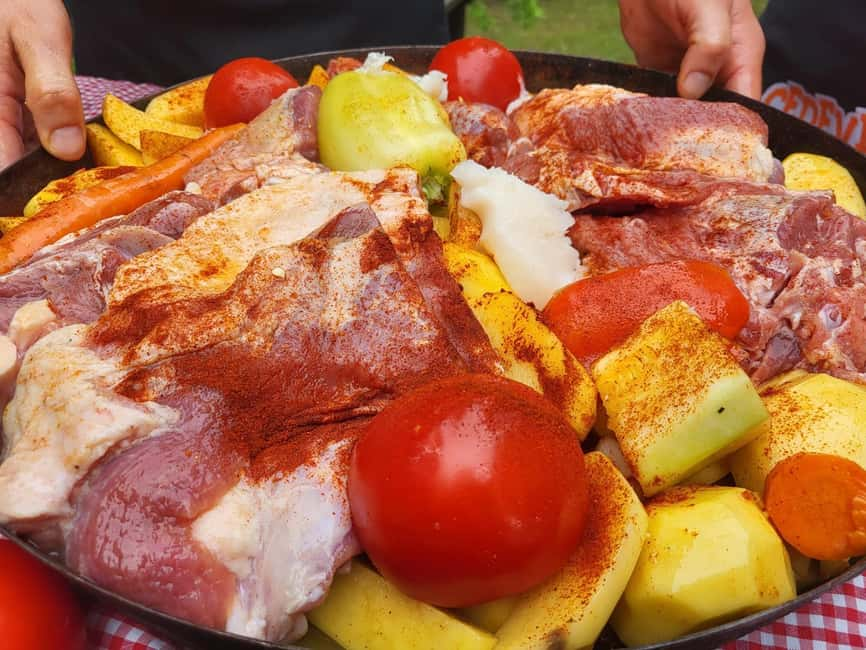
Cooking classes can go two ways. Either they’re stiff and you feel like you’re taking a test, or they’re chaotic and you feel like a spectator. This one tends to land in the helpful middle: you get instructions, tools, and freedom to participate.
The class includes cooking equipment, so you’re not bringing pans and measuring cups from home. What you do bring is a willingness to get slightly messy. One highlight is learning with your hands—digging into bread mixtures and tasting spices directly as part of the process. That tactile part is a big deal. You start to understand Croatian cooking through texture and smell, not just reading ingredients.
A practical tip: if you care about keeping clothes pristine, wear something you don’t mind getting flour or sauce on. Kitchen life happens fast. You’ll be working, tasting, and adjusting seasoning while the cook line moves.
Language is another point to consider. The instructor is English-speaking, and reviews mention it can still involve a bit of a language barrier for some, but the tone stays friendly. If your Croatian is limited, you’ll still be okay. The cooking tasks themselves are visual and repetitive in a good way—measure, mix, cook, taste, repeat.
The Meal at the End: Why the Feast Is the Whole Point
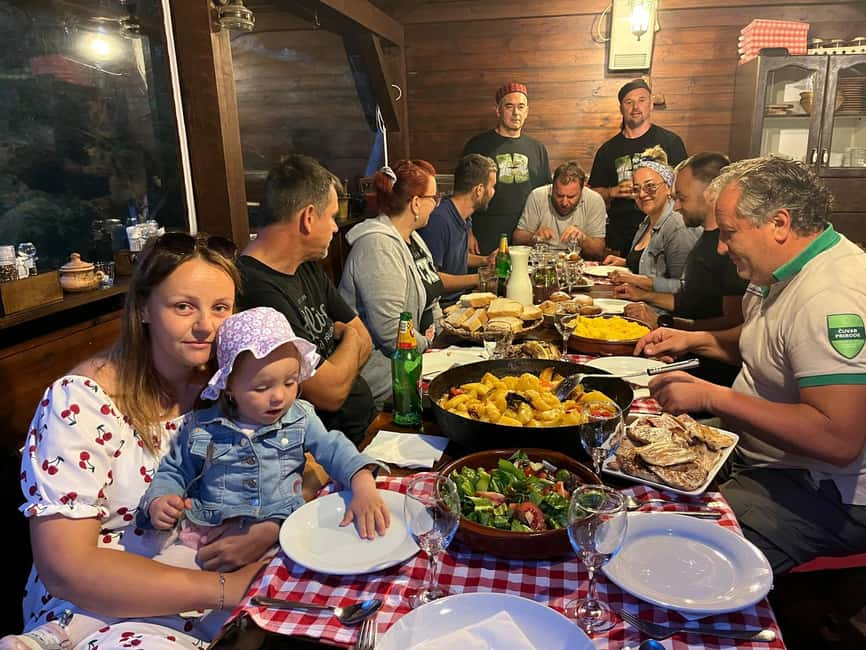
The best cooking classes don’t stop at cooking. They end with you eating what you made, together, with people who tell you what matters. Here, that ending is a big part of the value.
You sit down for the seasonal 3-course menu, and you’ll likely recognize the effort because you’ve had your hands in the process. The meal includes local brandy, which turns dinner into a celebration without making it complicated.
One review described an abundance of food and that nobody leaves hungry. That’s important at this price point: you’re paying for a structured experience, and the meal has to deliver. Based on what’s been shared, the table is generous and the timing feels right—after cooking, not before.
Also, the class includes a welcome drink and typically some light snacking during the cooking portion (reviews mention cheese platter-style bites). That makes the evening flow smoother. You’re not starving between tasks.
Then there’s the atmosphere. Reviews mention a beautiful garden and the kind of rural calm where you actually have time to talk. You might even meet the resident dog Oreo, which sounds like a small detail, but it’s the sort of thing that makes a house visit feel real rather than staged.



Price and Value: Is $135 Worth It?
At $135 per person for a 4-hour experience, you should think of this less as a budget activity and more as a private-meets-small-group meal with teaching built in.
Here’s why it can feel like good value if your priorities match:
- You get a hands-on cooking class with English guidance.
- Your seasonal 3-course menu is included.
- You get a welcome drink and brandy at the meal.
- Cooking equipment is provided.
- You’re eating in a rural home setting near Plitvice Lakes, not in a standard restaurant.
When $135 feels steep, it’s usually because people expected a quick tasting tour or a longer exploration day. This is focused. You come, cook, eat, and leave with new skills and a full dinner’s worth of food.
So ask yourself this: do you want to learn how to cook Croatian dishes, or do you mainly want to eat? If you want to cook, this price starts to make sense fast.
Who This Plitvice Lakes Cooking Class Fits Best
This class is a strong match if you:
- Want traditional Croatian cooking you can replicate later.
- Enjoy practical learning with food prep and taste tests.
- Prefer a home-based experience over a large, formal tour group.
- Appreciate spending time in the Plitvice Lakes area beyond just scenery.
It’s also ideal for couples and small friend groups, since the vibe is personal and chatty. One review specifically mentioned being with two people and feeling warmly received with plenty of drinks and bites.
It’s a poor fit if you:
- Are vegan or vegetarian, since the menu isn’t designed for that.
- Want a sightseeing-heavy day. This is kitchen-centered, with the estate as the key setting.
If you’re traveling solo, you might enjoy it because the experience encourages conversation. If you’re traveling with a foodie friend, you’ll likely leave with shared dishes and a new standard for what you call comfort food.
Practical Tips Before You Go
A few small choices can make this experience smoother:
Wear: comfortable clothes you don’t mind getting a little dirty. Bread mixtures and spice tasting mean contact with ingredients. You’ll feel better if you’re dressed for it.
Come hungry: you’ll work, snack, then eat a full 3-course meal. Still, your appetite will matter because tasting is part of learning.
Plan your expectations for variety: recipes change with the season and garden availability. That means you might not cook the exact same menu as someone else who went earlier or later. The payoff is that you’ll be eating what’s current.
Bring notes: you’ll be learning methods and flavor cues, not just memorizing a list. If you like cooking, take quick notes while the instructor explains steps in English.
Enjoy the setting: the estate, garden atmosphere, and house-family energy are part of the “why.” Don’t rush past the chat time. That’s where the cooking context shows up.
Should You Book This Cooking Class?
I’d book it if you want a real Croatian food lesson in a countryside setting near the Plitvice Lakes area. The warm welcome, the hands-on prep, and the big sit-down feast with brandy are the reasons to do it. If you like cooking enough to get slightly messy, you’ll come away with skills you can actually use later.
Skip it if vegan or vegetarian eating is required. Skip it too if you’re looking for a long sightseeing day or a simple snack-only experience. This is a focused cooking-and-dinner experience, and it performs best when you’re there for that.
If you’re willing to trade a bit of routine tourist time for a home-style meal that’s taught, tasted, and shared, this is the kind of booking that tends to turn into a favorite memory.
FAQ
Where does the class meet?
It meets at House Karlo, Rastovača 14/1, Plitvička jezera 53231.
How long is the cooking class?
The experience lasts 4 hours.
What language is the instruction in?
The instructor speaks English.
What is included in the price?
A seasonal 3-course menu is included, along with cooking equipment and a welcome drink.
Is there alcohol during the experience?
Yes. You’ll have a welcome drink, and brandy is included when you sit down to eat.
What kinds of dishes might I cook?
Menus vary by season and what’s available at the household garden, but traditional dishes may include pečka and desserts.
Is this class suitable for vegans?
No. It is not suitable for vegans.
Is it suitable for vegetarians?
No. It is not suitable for vegetarians.
How much does it cost?
The price is $135 per person.
Are there options to cancel or change plans?
There is free cancellation up to 24 hours in advance for a full refund. You can also reserve first and pay later.