REVIEW · DUBROVNIK
Croatian Traditional Cuisine: Peka Cooking Lesson
Book on Viator →Operated by Florio za turizam i turisticka agencija d.o.o · Bookable on Viator
Peka is cooking done the old-school way. In the village of Mokošica, you learn how Croatian peka turns simple ingredients into a slow-cooked meat-and-vegetable feast under a bell-like dome. It also feels personal: you’re not just watching from the sidelines—you’re learning how the method works and what makes it Croatian.
I especially liked two things. First, the way this experience teaches peka as a real technique, not a gimmick—fire, coals, and the domed cooking vessel all matter. Second, the meal itself lands where it should: hearty, satisfying, and served with homemade wine in a home-style setting.
One possible drawback to plan for: this is not a big, polished restaurant tour. The timing is tied to the cooking process, and if you want a strict schedule with lots of sightseeing stops, this is mainly about the food and the people around it.
In This Review
- Key highlights to know before you go
- Peka in Mokošica: what the bell-like oven really does
- Getting there from Dubrovnik: the morning ride and the local setting
- Florio and the OPG Vukojević home kitchen: how the lesson feels
- The peka cooking lesson: meat, potatoes, and the heat under the dome
- While it cooks: bread, cheese, olive oil, wine, and the rest of the Croatian table
- Price and logistics: getting value from $162.47
- Who should book this peka lesson (and who might skip)
- Should you book the Croatian traditional cuisine peka cooking lesson?
- FAQ
- How long is the peka cooking lesson in Mokošica?
- What time does the experience start?
- Is lunch included?
- Is homemade wine included?
- Is there a vegetarian option?
- Is this tour private?
- What language is the experience offered in?
- Is there a minimum age requirement?
- Is hotel pickup available in Dubrovnik?
Key highlights to know before you go
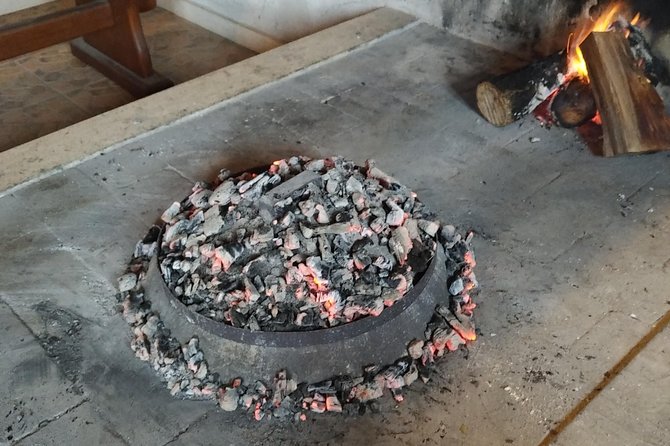
- Bell-like dome peka method: meat and vegetables cooked under the lid with coals and heat control
- Small group feel: up to 8 people, in a private setting (minimum age 18)
- Florio’s hands-on hospitality: teaching style that feels like visiting a friend’s home
- Food while it cooks: homemade bread, cheese, and olive oil served during the process
- You choose your meal time: the tour is set up so lunch timing can be flexible
Peka in Mokošica: what the bell-like oven really does
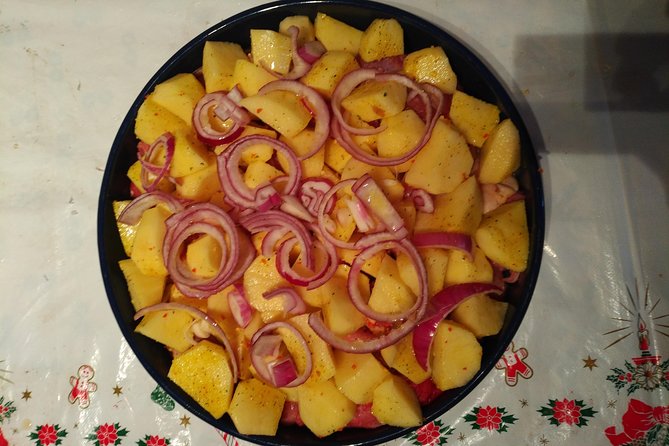
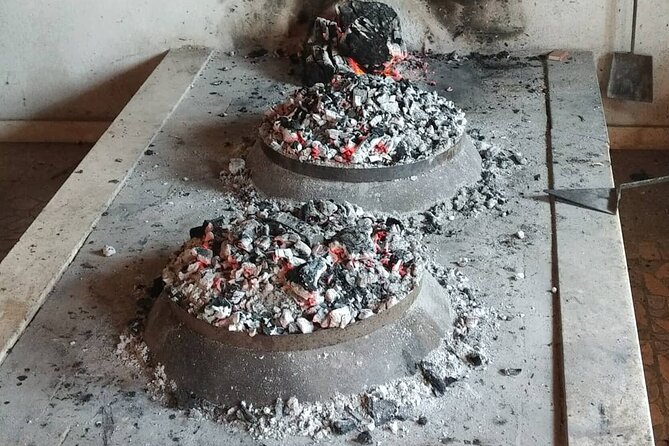
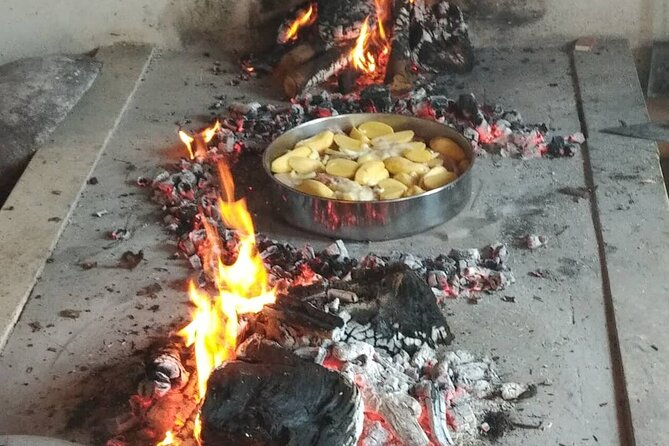
Peka is named for the distinctive cooking dome, a bell-like lid that traps heat and steam around whatever’s inside. In practice, it’s a smart system: you’re not just roasting. You’re cooking under a controlled “lid,” using coals and strong heat from below. That’s why peka tastes different from standard oven-baking—you get tender meat, softened potatoes, and vegetables that taste like they’ve soaked up the flavors of the whole pot.
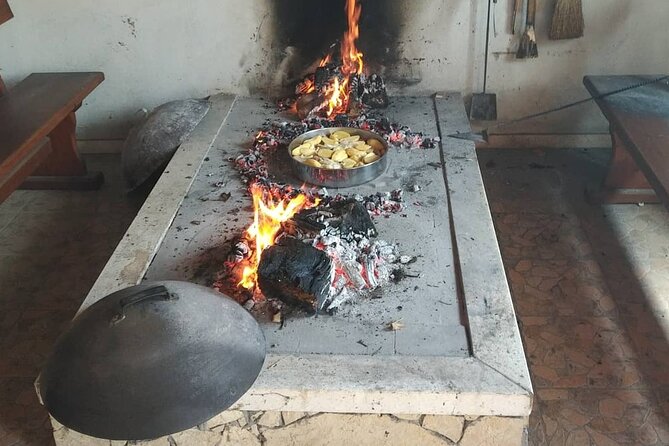
What makes this lesson worth your time is that you’re learning the logic behind it. You’ll hear how the domed lid can be made in different materials—metal or cast iron are common, but serious traditional cooks favor earthenware. You’ll also get the core idea of where the food sits: either in a fireproof pot under the coals or directly on a stone slab, depending on how the cook sets up the fire and heat.
And yes, peka looks simple once it’s explained, which is exactly why it’s interesting. Getting it right takes experience: heat levels, timing, and layering meat and vegetables so everything finishes at the right moment. This kind of cooking isn’t something you learn from a cookbook in five minutes. It’s the kind of skill you pick up by watching how a real host thinks.
You can also read our reviews of more tours and experiences in Dubrovnik.
Getting there from Dubrovnik: the morning ride and the local setting
Your experience centers on the village of Mokošica, which is outside the main Dubrovnik bustle. The day starts in the morning, with a start time listed at 9:00 am, and the cooking class time tied to 09:30 am for lunch sessions. In other words, you’re starting your day before most people are fully rolling, and that’s a good thing if you want something different from another afternoon walking tour.
One practical note: the program description says you’ll be picked up and dropped off at your hotel or private apartment in Dubrovnik. At the same time, the fine print also lists transfer as not included. So when you book, double-check how pickup works for your exact address and date. You’ll want to know whether your host is collecting you directly or whether you need to meet in Mokošica at the listed start point: Ul. za Belendinovo 3, 20236, Mokošica.
The ride itself is part of the charm. You’ll pass through countryside near Dubrovnik, and the host is the type who tells stories along the way—there are older war-era bunkers you may see from the road, and you’ll get context without it turning into a history lecture.
The big win here is that you’re not just going somewhere pretty. You’re going somewhere food is made the old way, in a home setting where cooking is normal life, not theater.
Florio and the OPG Vukojević home kitchen: how the lesson feels
This experience runs through OPG Vukojević in the village of Mokošica, and you’ll meet the host figure behind it—Florio. The tone matters. The best food days are the ones where you feel welcomed, not processed. Here, the teaching style is built around hospitality: you learn while you’re eating, asking questions, and watching how the cook works with his setup.
The experience is private, with a maximum of 8 people per booking, and it’s minimum 2. That small size is ideal for this kind of class because you can actually see what’s happening and ask about details like heat control, vessel choice, and ingredient choices. It also helps if you’re a food person who likes to understand why something tastes a certain way.
From what I’d take away for your planning: this isn’t a sterile demo with a line of tourists taking photos. It’s more like spending a morning with a capable cook in his own environment. You might even see homemade touches beyond the peka setup—like house-made staples and pantry goods that signal how much effort goes into the meal.
If you’re hoping for a classic classroom format with a worksheet, you might feel the difference. If you want an authentic Croatian food day—where the host’s personality is part of the menu—this fits well.
The peka cooking lesson: meat, potatoes, and the heat under the dome
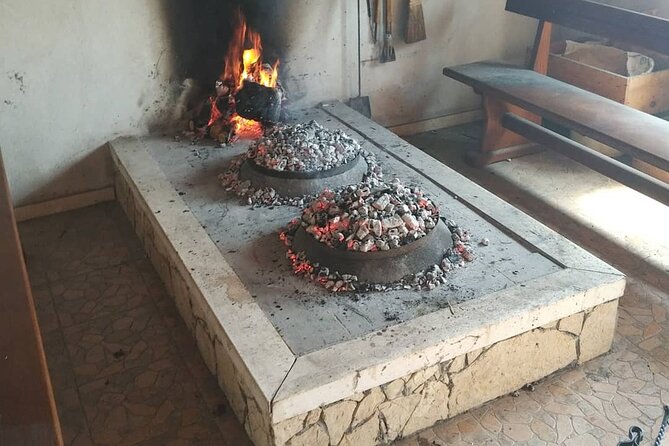
Let’s talk about what you’re actually learning. Peka is typically built around meat and vegetables, often including choices like veal, lamb, or yearling beef. The meat is usually covered with potatoes and other vegetables, and everything goes under the dome for slow, even cooking.
You’ll learn how the dome traps heat and keeps the cooking environment stable. That domed lid—whether metal, cast iron, or earthenware—creates the conditions for tender results. You’ll also learn what happens when food goes into a fireproof pot under coals versus directly onto stone. Those choices affect how the heat distributes and how the meal develops flavor.
The cooking area is outdoors, with an oak-fire setup described as part of the method. You’ll hear about the use of hot coals and the way the cook manages heat using the fire and the base under the food. It’s not just smoke and drama; it’s a working system that needs judgment.
This is also where you’ll understand why peka can taste like comfort food but still feel special. Potatoes and vegetables cook down in the same environment as the meat. That means the juices and flavors mingle, and nothing tastes like it came from three separate steps. It’s one shared pot of flavor, finished under the bell.
And here’s a practical tip: wear clothes you don’t mind getting warm and a little smoky (even if you’re not right next to the coals). Outdoor cooking days have a different air feel than a restaurant kitchen, and you’ll be there long enough to notice the environment.
While it cooks: bread, cheese, olive oil, wine, and the rest of the Croatian table
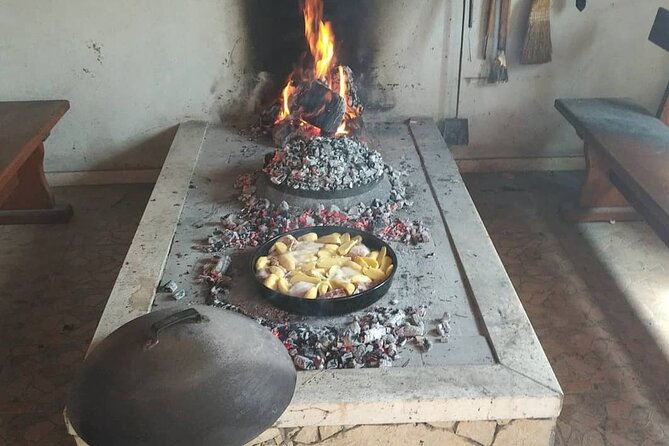
One of the best parts of this experience is that you don’t wait hungry. As the peka finishes, you’re served homemade bread, cheese, and olive oil. These are simple foods, but in a peka setting they do two jobs: they tide you over while the meal cooks, and they give you a base to taste the difference when the finished peka arrives.
Wine shows up early too. The tour includes homemade wine, and the host also offers additional traditional drinks like grappa during the meal time. This is one of those setups where you’ll understand why Croatian wine culture is tied to food. The flavors aren’t competing; they’re meant to go together.
I also like that the host is generous with context. You’re not only eating; you’re learning about what Croatians grow and make, and that includes both food ingredients and local food habits. Even if you’re not a big talker, you’ll probably end up asking at least a couple questions—because the cooking method naturally triggers them.
Vegetarian? There is a vegetarian option, and you need to request it when booking. The data doesn’t spell out exactly what vegetarian peka looks like, so you should be prepared for the host to adapt the concept using vegetables suitable for the dome cooking method.

Price and logistics: getting value from $162.47
At $162.47 per person, this isn’t the cheapest food experience in Dubrovnik. But the value isn’t just the meal. It’s the combination of (1) a real cooking method with hands-on explanation, (2) a small private group, and (3) hospitality that turns the day into something more like being invited than being scheduled.
You also get lunch included for the seasonal window listed for the experience dates (April through October). The tour description says you can choose what time you eat, which helps if you’re balancing this with other Dubrovnik activities. That flexibility is practical. Dubrovnik days can get crowded fast, so locking in something that can fit your schedule is a quiet win.
The biggest logistical “check before you go” is transportation. The highlights say pickup and drop-off at your Dubrovnik hotel or apartment. But the separate details also say transfer is not included. Don’t guess—confirm what’s covered for your exact booking. If you’re staying in a place with easy access, pickup may be straightforward. If you’re farther out, it could matter.
Still, even with that question mark, the overall structure feels like a solid trade: you pay for an authentic food morning in the hills, not just for a plate. And peka is the kind of dish that’s hard to replicate well without the dome and the cooking method behind it.
Who should book this peka lesson (and who might skip)
This is a good match if you:
- love food experiences that teach you a method, not just eat a meal
- want authentic Croatian life in a small group setting
- enjoy homespun hospitality and a slower rhythm
- want something truly different from a standard Dubrovnik walking tour
You might skip it if you:
- want a long list of sightseeing stops
- need a very exact timetable with minimal waiting
- prefer big-group venues and polished, scripted presentations
Also, note the minimum age is 18, so it’s adult-focused. If you’re traveling with mixed ages, this might not fit your group.
If you’re a solo traveler, the minimum group size for the booking is 2, so you’ll want to check dates. If you’re flexible, picking a day with other bookings can help the experience run smoothly.
And one more point: this kind of booking gets attention early. The tour is often reserved well in advance, so if you’re serious about peka in Mokošica, don’t wait for the last moment.
Should you book the Croatian traditional cuisine peka cooking lesson?
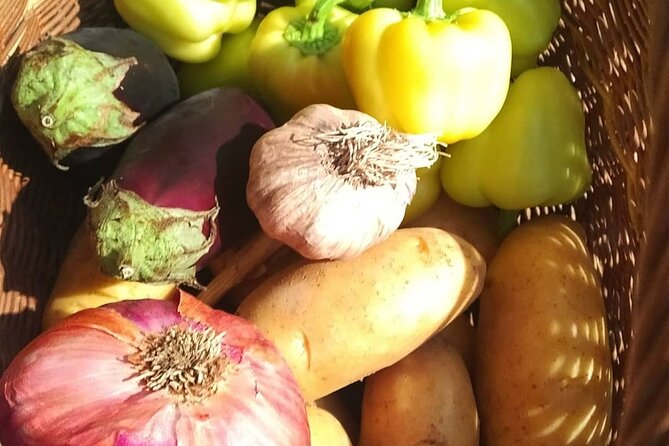
If you want a genuine Dubrovnik-region food day, I’d say yes—especially if you care about learning how cooking traditions work. The method under the dome is the star, and the hospitality is the reason people remember the experience. Between Florio’s teaching style, the home-style meal setup, and the simple but strong Croatian ingredients (bread, cheese, olive oil, wine), you’re paying for more than food.
Book it if your trip plan can handle a morning start and a village setting outside the main center. I’d also confirm transportation coverage for your address, since pickup/transfer details can read differently. If that’s squared away, this is one of those meals-and-a-morning experiences that feels worth the price.
FAQ
How long is the peka cooking lesson in Mokošica?
It runs about 4 hours.
What time does the experience start?
The listed start time is 9:00 am, with cooking class starting at 09:30 am for the lunch sessions.
Is lunch included?
Yes. Lunch is included for the dates listed for the experience season.
Is homemade wine included?
Yes, homemade wine is included.
Is there a vegetarian option?
Yes. You can request a vegetarian option when booking.
Is this tour private?
Yes. It is described as private, and only your group participates (maximum 8 people per booking).
What language is the experience offered in?
It is offered in English.
Is there a minimum age requirement?
Yes, the minimum age is 18.
Is hotel pickup available in Dubrovnik?
The experience highlights say you will be picked up and dropped off at your hotel in Dubrovnik.