REVIEW · DUBROVNIK
Dubrovnik History Tour + Local Shop Experience (Small Group)
Book on Viator →Operated by Dubrovnik Tour Guide · Bookable on Viator
Old Town stories taste better with coffee. I love the included coffee and homemade treat, and I love the small-group size that makes it feel like a conversation, not a march. The only drawback is that you cover a lot in about 1 hour 45 minutes, so you will need a second pass to linger.
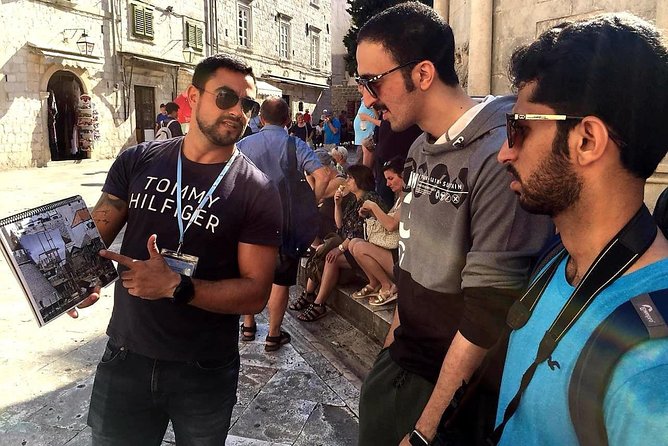
This is an English-language Old Town walking experience that starts at the Clock Tower of Dubrovnik and loops back to the same meeting point. With a maximum of 8 travelers, it is a smart choice if you want the big landmarks plus the lesser-noticed details without losing half your day.
In This Review
- Key highlights before you go
- How the coffee-and-sweets start sets the tone in Dubrovnik
- Price and value: what you are actually paying for
- Start at the Clock Tower: the easiest way to begin your Old Town day
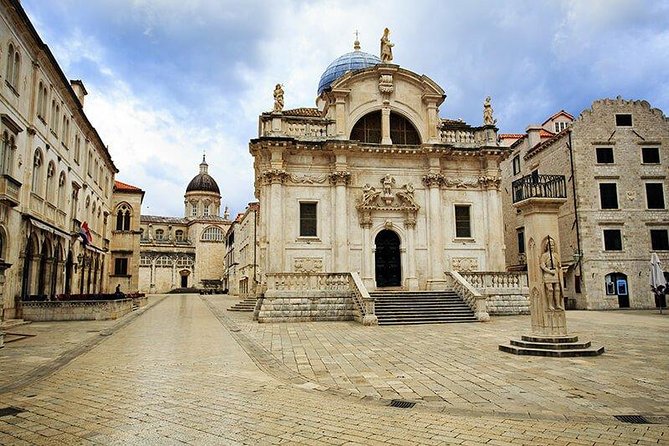
- Luza Square and St Blaise Church: where Dubrovnik’s civic identity shows
- Sponza Palace and the Rector’s Palace area: power, trade, and rule
- The Buza Bars cliff viewpoints: views with a local rhythm
- Onofrio Fountain: a meeting point you can actually use
- Franciscan Monastery and everyday-life details you might miss
- Spice tasting and sweets: the smart way to remember Dubrovnik
- What it is like with a max of 8 people
- Weather matters more than you think
- Who this Dubrovnik history tour + local shop experience is best for
- Should you book this tour?
- FAQ
- How long is the Dubrovnik History Tour + Local Shop Experience?
- What is included in the tour?
- Is the tour offered in English?
- What is the group size?
- Where does the tour start?
- What happens if the weather is bad?
Key highlights before you go
- Coffee and a homemade treat included, plus time to settle in before you start walking
- Traditional sweets and spice learning at a local shop stop, geared to real life in Dubrovnik
- Old Town route with major landmarks and quick stops at the spots you keep hearing about
- Hidden-in-plain-sight corners you are unlikely to spot on your own
- Small group cap of 8 keeps the guide’s stories specific and your questions answerable
- English offered, with a mobile ticket for easier check-in
How the coffee-and-sweets start sets the tone in Dubrovnik
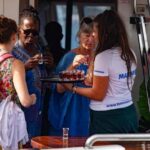
Dubrovnik can overwhelm you on day one. The stone is dramatic, the views hit fast, and it is easy to forget why the city matters. I like that this tour begins with something simple and local: coffee and a homemade treat. It is not just a perk. It is a warm-up so you can pay attention when the guide starts connecting buildings to people.
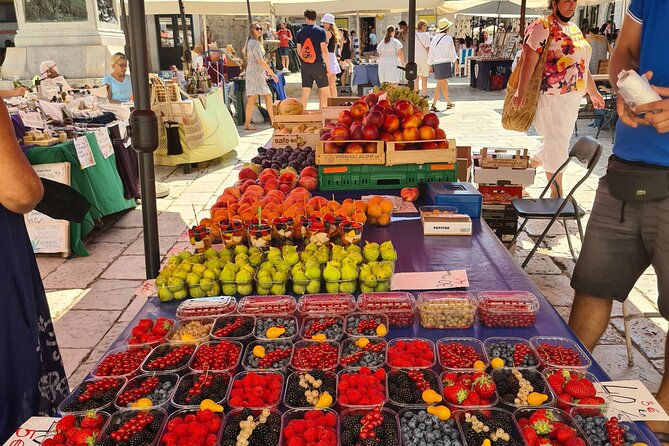
Then you sample traditional sweets and learn about local spices. The practical value here is that you start tasting Dubrovnik instead of just looking at it. Even if you are not a big foodie, this kind of stop helps you understand what locals mean when they talk about flavor, trade, and everyday life.
One thing to keep in mind: this is still a walking tour. The food break is built in, but you should plan for steady movement through Old Town streets and steps. If you are hoping for a slow, stop-anywhere pace, this may feel a bit fast. If you want momentum and good orientation, it works.
You can also read our reviews of more tours and experiences in Dubrovnik.


Price and value: what you are actually paying for
At about $78.02 per person, you are paying for three things that add up quickly in Dubrovnik: a guide who knows what you are looking at, a planned route with the right stops, and included tastings. Many self-guided Old Town walks are free, sure. But you usually end up with a pile of questions and no one to answer them in plain language.
Here, your money buys time with a local guide plus small-group attention. The tour runs about 1 hour 45 minutes, and a big chunk is spent in the Old Town area. The route includes major sites where admission is often a separate question; in this case, the ticket listed for the Old Town stop is free, which lowers the typical “how much will this add up?” feeling.
Add in the included coffee, homemade treat, traditional sweets, and the spice-focused shop experience, and the value starts to make sense. This is not a high-end luxury add-on. It is a practical way to get your bearings and still come away with something you can remember.
Start at the Clock Tower: the easiest way to begin your Old Town day
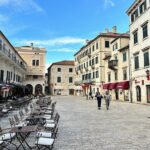
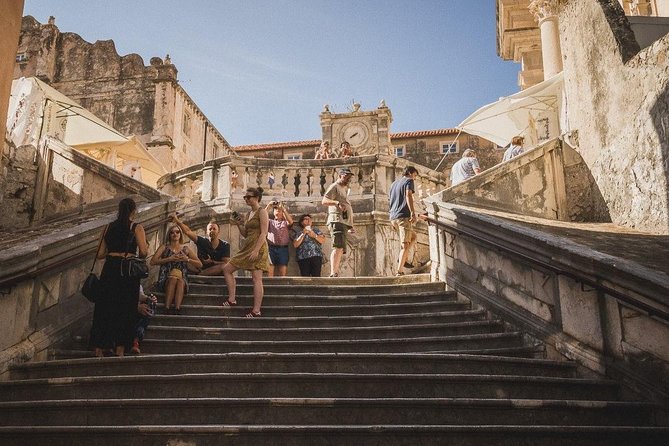
Your tour begins at the Clock Tower of Dubrovnik (20000, Grad). That location matters more than it sounds. It puts you at the heart of the Old Town approach, so you are not wasting time figuring out how to get started. It also means that when the tour ends, you are back near where you began, which is handy if you want to hop to lunch or a museum after.
The check-in is designed to be low-fuss with a mobile ticket, and the meeting point is described as near public transportation. If you are juggling limited vacation time, this kind of “show up and go” setup is a real win.
Also, with a group size capped at 8, you are less likely to get lost in a crowd. That matters on Dubrovnik’s tight streets and stairways, where the wrong turn can cost you minutes.
Luza Square and St Blaise Church: where Dubrovnik’s civic identity shows
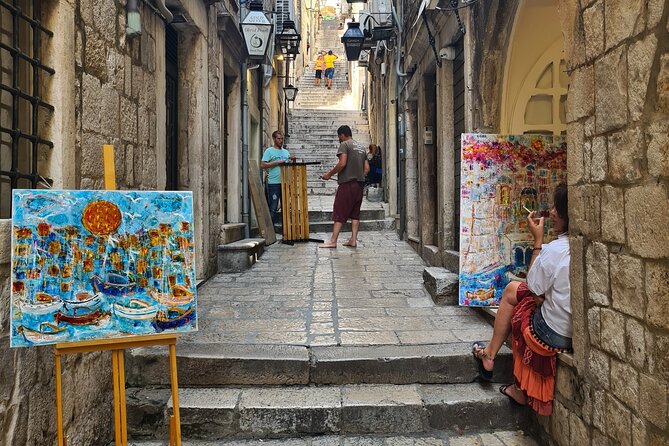
The tour’s Old Town stretch kicks off around Luza Square. This is one of those spaces where the buildings do not just look pretty. They signal authority, religion, and the rhythm of daily public life.
From there, you are guided toward St Blaise Church and the surrounding core. This is a classic Dubrovnik pattern: dramatic architecture tied to how the city organized itself. The guide’s job is to translate what you see into a story you can remember later, not just a list of names.
Luza Square also gives you an early mental map. Once you understand where the square sits in relation to the main streets and the major landmarks, the rest of the walk gets easier. You stop feeling like you are walking through walls and start feeling like you are moving through a plan.
If you are the kind of traveler who enjoys atmosphere, this segment is where you get it. If you just want photos, you still benefit from the context because it makes the photos mean something.
Sponza Palace and the Rector’s Palace area: power, trade, and rule
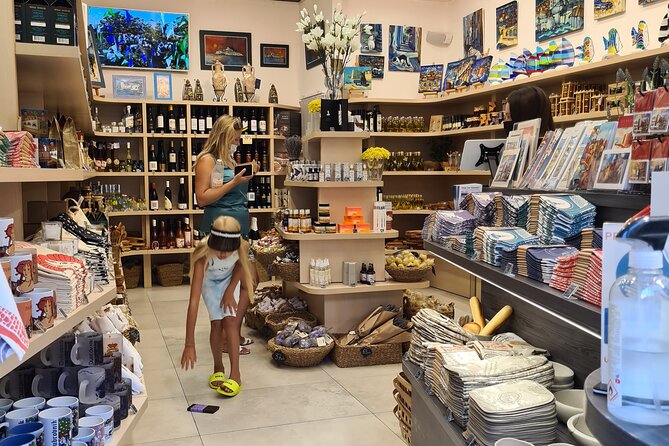
Next up is Sponza Palace, a stop that pays off if you care about why cities look the way they do. Even without getting technical, you can feel the logic of Dubrovnik’s historic role as a hub. This is the part of the Old Town where trade and administration are hard to separate.
Then the walk reaches the Rector’s Palace area and the Walk of Shame. This is one of those names you hear and then wonder what it actually refers to. What I like about having a guide here is the translation: the story behind the label, and what it reflects about the city’s old political reality.
The Walk of Shame is also a good moment to slow your eyes down. It is not just a dramatic photo angle. It is a reminder that Dubrovnik’s history was shaped by rules, consequences, and social order. A knowledgeable guide can make that click without turning the whole walk into a lecture.

The Buza Bars cliff viewpoints: views with a local rhythm
As you move along the route, you hit the Buza Bars area—those cliffside terrace spots that feel like they belong to another world. This stop is valuable for two reasons.
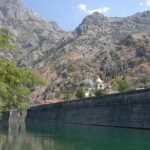
First, it gives you one of Dubrovnik’s signature view moments. You see how the city sits against the sea and why the cliffs feel both protective and exposed.
Second, it adds a modern layer. Even if the historic buildings are the star, these are places where people still gather. That blend—old city bones plus today’s social life—is a big part of why Dubrovnik feels special.
Keep expectations realistic: terraces are still terraces, and the main value is the view and the way the guide explains how that setting fits into the city’s story. If you want a long hang-time with drinks, you will need to plan that separately.
Onofrio Fountain: a meeting point you can actually use

You also pass the Onofrio Fountain. It is easy to see a fountain as decoration, especially in a scenic town like Dubrovnik. But a guide helps you read it as infrastructure—water, daily function, and the practical side of a place that looks grand.
The fountain is also a useful landmark. If you plan to wander after the tour, you will know where you are. That makes the rest of your self-guided time easier, because you can re-orient based on a spot everyone recognizes.
This is also a good moment to take a breath. If you have been walking for a while, pause, look up at the stonework, and let the area settle back into your memory.
Franciscan Monastery and everyday-life details you might miss
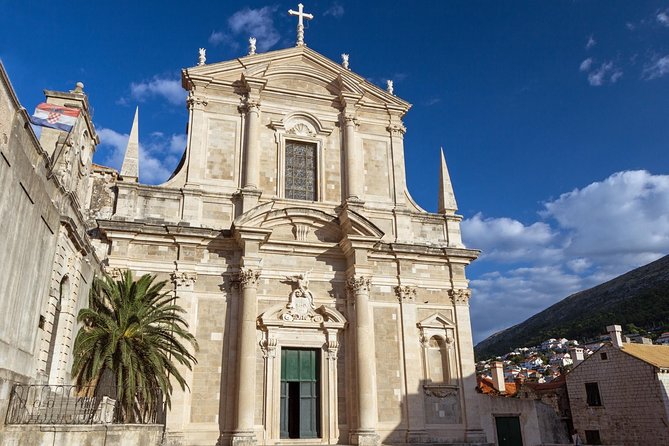
The final stretch includes the Franciscan Monastery and a focus on history, culture, legends, and daily life. This is where the guide’s narrative style really matters. The best tours do not just point at famous sites; they explain how stories became part of daily routine.
Monastery areas can feel quiet and removed, and that contrast is part of the charm. Dubrovnik’s Old Town has loud visual drama, but places tied to religious life often slow your pace naturally. If you are trying to understand what made people in this city tick day to day, this stop helps.
This section also tends to be where you pick up the small “why that matters” details. A guide who grew up in the Old Town, like Damir (named in one of the guide profiles), is the type who can connect the legend or the cultural note to what it means to walk through the space now. That is the kind of explanation you will carry with you when you return later on your own.
Spice tasting and sweets: the smart way to remember Dubrovnik
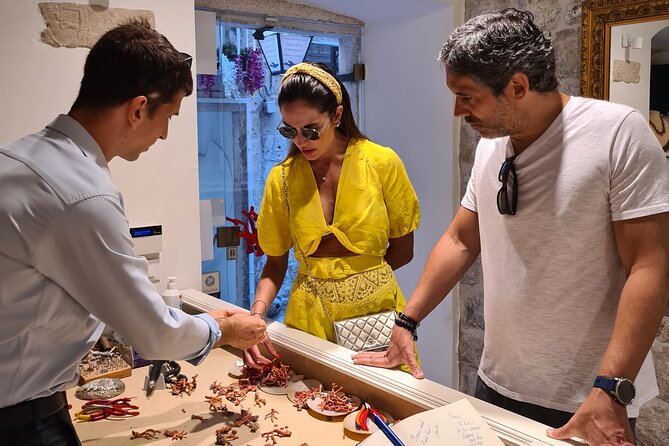
The tour’s standout non-landmark element is the traditional sweets and spices experience. You are not just eating. You are learning what locals pay attention to, and that changes how you interpret the city’s food culture.
Here is how to make this stop work for you during and after the tour:
- Pay attention to what flavor families the guide names, since you can then recognize them later when you browse menus or shops.
- Use the sweets as a timing cue. When you taste something, your brain remembers the moment more clearly than it remembers a street name.
- Ask for practical suggestions if your guide offers them. Even one or two recommendations can help you avoid generic tourist traps.
I like that this is integrated into the walking plan. It breaks up the visual intensity of Old Town stone. It also gives the tour a sense of real life rather than staying only in landmark mode.
What it is like with a max of 8 people
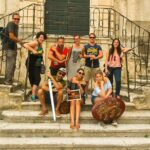
A small group is not a luxury detail. It changes the whole experience in Old Town Dubrovnik, where streets are narrow and time feels short. With up to 8 travelers, the guide can keep moving while still answering questions without turning your group into a bottleneck.
It also affects the pace. The guide can stop for a view, make a point, and then move on. You are more likely to get personal context like where to look next, what to ignore, and how to spend your remaining time after you finish.
If you hate feeling rushed, you might want to balance this by planning a slower afternoon afterward. The tour is short enough that you are not worn out for the rest of your day—but you will still feel like you walked.
Weather matters more than you think
The tour is described as requiring good weather. That makes sense in a walking route with outdoor viewpoints and stone streets where footing matters. If conditions are poor, the experience can be canceled and you will be offered a different date or a full refund.
So, if your Dubrovnik dates include rain probability, consider building in flexibility. If your schedule is fixed and you cannot move anything, you may want to keep a second activity ready nearby in case you need a change.
Who this Dubrovnik history tour + local shop experience is best for
This fits best if you are one of these types:
- You have limited time in Dubrovnik but want a coherent sense of how the Old Town works.
- You prefer a guided walk with context, rather than wandering with an audio app.
- You like food culture and want something beyond a photo stop.
- You enjoy smaller groups and don’t want to fight for the guide’s attention.
It may not fit perfectly if you want a long, slow tour with lots of free time in each site. This is built for efficiency and orientation, not lingering at every landmark for an hour.
Also, if you have mobility limitations, note only that the tour says most travelers can participate. You will still be on your feet, and Old Town Dubrovnik can involve steps and uneven surfaces, so plan accordingly.
Should you book this tour?
Book it if you want a smart first pass through Dubrovnik’s Old Town with a guide who explains what you are seeing, plus a spice-and-sweets stop that gives the whole experience flavor. The small group size, included tastings, and the focused 1 hour 45 minute format make it a strong value when time is tight.
Skip it if you already know you will spend your day doing only unhurried roaming, or if you want a deep dive into each individual site with long museum-style time. In that case, you might prefer a more time-intensive plan.
If you are doing Dubrovnik for the first time, or you want to turn a quick stop into something meaningful, this is a solid choice.
FAQ
How long is the Dubrovnik History Tour + Local Shop Experience?
It runs for about 1 hour 45 minutes. The Old Town portion is listed as about 1 hour 30 minutes.
What is included in the tour?
You get a coffee and a homemade treat, plus traditional sweets and a chance to learn about local spices during the experience.
Is the tour offered in English?
Yes, it is offered in English.
What is the group size?
The tour has a maximum of 8 travelers.
Where does the tour start?
It starts at the Clock Tower of Dubrovnik (20000, Grad, Dubrovnik, Croatia). The tour ends back at the meeting point.
What happens if the weather is bad?
The experience requires good weather. If it is canceled due to poor weather, you will be offered a different date or a full refund.