REVIEW · SPLIT
Game od Thrones- Klis Tour_Authetich Local Food/Wine Tasting
Book on Viator →Operated by My Split Tours - travel agency · Bookable on Viator
Klis Fortress has that Game of Thrones swagger. What makes this tour special is the pairing of a cliff-top fortress with a hands-on, local-food moment centered on Soparnik, a UNESCO-protected Dalmatian tradition. If you’re not into history stops or you prefer long, slow meals, the 5-hour pace may feel a bit tight.
I also like that the day keeps things human-scale, with a small group capped at 14, plus pickup offered from Split’s Riva area. You may even get a guide like Jure (the kind who connects the views to the food) or Ivan (who keeps the story clear and the Soparnik front and center). The trade-off? You’re driving between stops and spending a set amount of time at each place, so you won’t wander freely for hours on your own.
In This Review
- Key Highlights to Expect on This Klis and Soparnik Day
- Why Klis Fortress Is the Main Character Here
- Gata Village and the Poljička Republic Thread You’ll Want to Know
- Eko-etno Sela Tugare: Where Soparnik Stops Being a Word
- How Soparnik Is Made: The Middle-to-Edges Ritual
- Wine With the Meal: Bucara and the Steamer Center
- Split Pickup, Group Size, and the Real Meaning of Five Hours
- Ticket-Free Admissions and What That Does for Value
- Who This Tour Fits Best (and Who Might Feel Hemmed In)
- Should You Book This Klis Tour for Soparnik and Wine?
- FAQ
- How long is the Klis and Soparnik experience?
- What’s the starting point in Split?
- Is pickup included?
- How many people are in the group?
- Are entrance tickets included for the main stops?
- What food and drink is included?
Key Highlights to Expect on This Klis and Soparnik Day
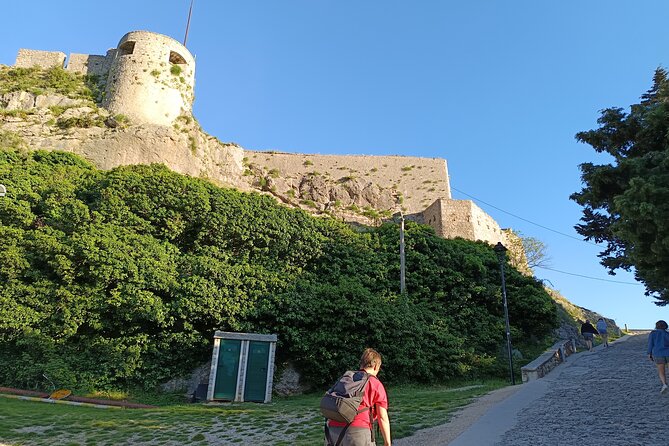
- Klis Fortress on a steep cliff pass between Kozjak and Mosor, with big views as part of the package
- Gata village with a local guide and the Poljička republic story, focused and easy to follow
- Soparnik shaping tradition: taken from the middle toward the edges, with a guest-of-honor moment
- Wine served in a bucara placed in the center of the steamer after the Soparnik is cut
- Family restaurant stop in Tugare at Eko-etno sela Tugare, tied to central Dalmatia culture
- Ticket-free admissions on the main stops, which helps value (and keeps the day simple)
Why Klis Fortress Is the Main Character Here
Klis Fortress sits on an inaccessible steep cliff at a key passage between the mountain massifs of Kozjak and Mosor. That location matters. This wasn’t a place built for comfort—it was built to control movement, and it shows in how the site dominates the terrain around it.
You’ll get about two hours here, long enough to take in the views and still feel like you didn’t just snap photos and rush away. The fortress is tied to Croatian history in a strategic way, so the story isn’t just about ruins—it’s about why people fought to hold ground like this. It’s also the kind of stop where the walls and viewpoints do half the explaining.
Practical note: fortress ground can be uneven, so I’d plan on closed-toe shoes and a calm pace if you’re balancing steps while taking pictures. You’ll be glad you did.
You can also read our reviews of more tours and experiences in Split.

Gata Village and the Poljička Republic Thread You’ll Want to Know
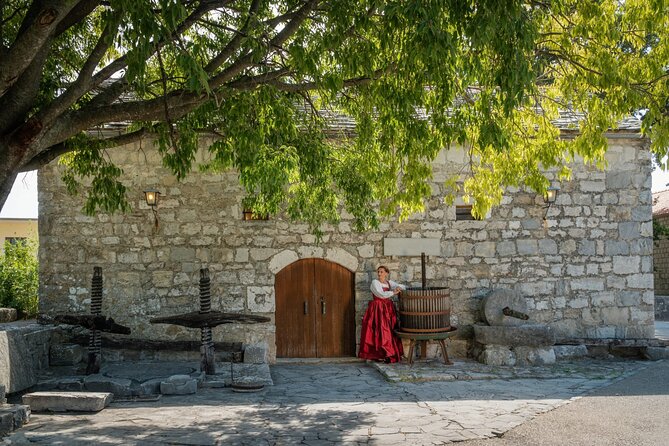
After Klis, you drive to Gata village for a cultural and historical stop that clocks in at about two hours. This is where the day shifts from stone walls to the kind of local memory that sticks: the Poljička republic, described as being established and lasting a meaningful period (you’ll hear the timeline explained by the guide on-site).
A local guide meets you in Gata and walks you through what made this political setup distinctive—how it worked and why it mattered in the region. The payoff for me is that it connects the dots. You start the day looking at a fort that controlled routes, then you end up learning how local life and governance shaped survival over time.
The main consideration is that Gata is a focused guided experience rather than a do-your-own-thing village stroll. If you love wandering independently, build in the mindset that this stop is structured: you’ll learn, you’ll look, and you’ll move on.
Eko-etno Sela Tugare: Where Soparnik Stops Being a Word
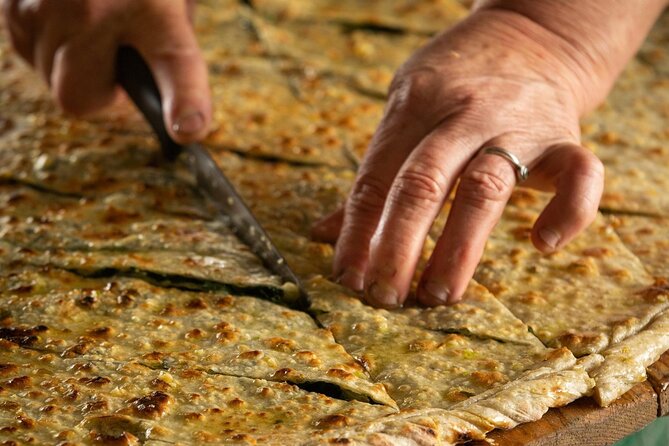
Around 15:00, the tour arrives at Eko-etno sela Tugare, described with theme trails in central Dalmatia. This is where the cultural message gets practical, because the spotlight turns to Soparnik—often described as Croatian pizza—but with a tradition and ritual all its own.
You’ll spend about one hour at a local family restaurant where they make Soparnik. It’s the kind of timing I like on a day like this: long enough to understand what you’re eating, short enough that you don’t feel stuck in a food-only segment while you still have the rest of your day to enjoy.
And yes, it’s not just tasting. You get the cultural method. That makes the experience feel authentic rather than like a tourist demo.
How Soparnik Is Made: The Middle-to-Edges Ritual
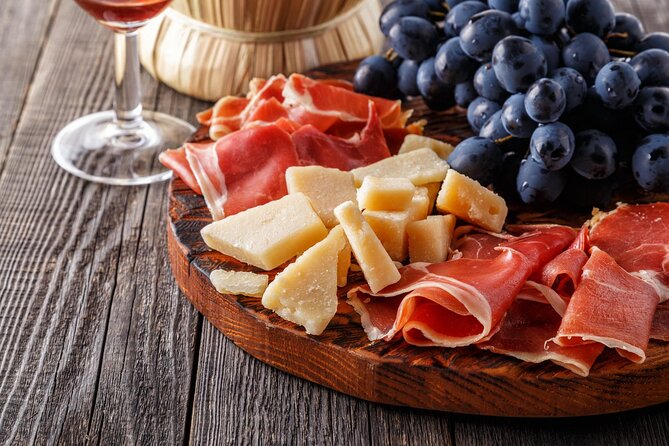
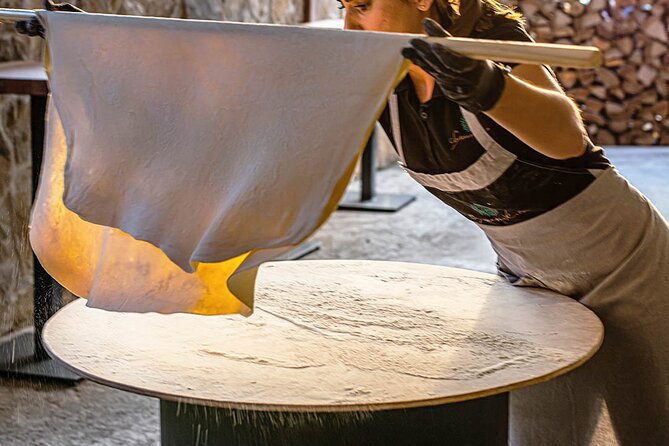
Soparnik is traditionally prepared with a very specific approach: the dough is taken from the middle toward the edges. That simple line is actually a big clue to why Soparnik works—spreading from the center helps keep the structure and thickness more consistent than trying to stretch outward randomly.
Then there’s the guest-of-honor moment. The tradition goes that the guest of honor gets the first rhombus from the middle. It’s a small ceremony, but I appreciate how it turns eating into participation. You’re not just receiving food—you’re stepping into a custom for a minute.
You’ll also see how the finished Soparnik is treated at serving time. It’s served with wine using a bucara, and that bucara is placed in the middle of the steamer after the Soparnik is cut. Then it’s divided into four pieces, with the wine set at the center as part of the serving rhythm.
If you like meals that come with meaning, this is the moment that delivers. Soparnik being on the UNESCO list of protected intangible heritage also matters here—not as a label, but as confirmation that the technique and the tradition are taken seriously.
Wine With the Meal: Bucara and the Steamer Center
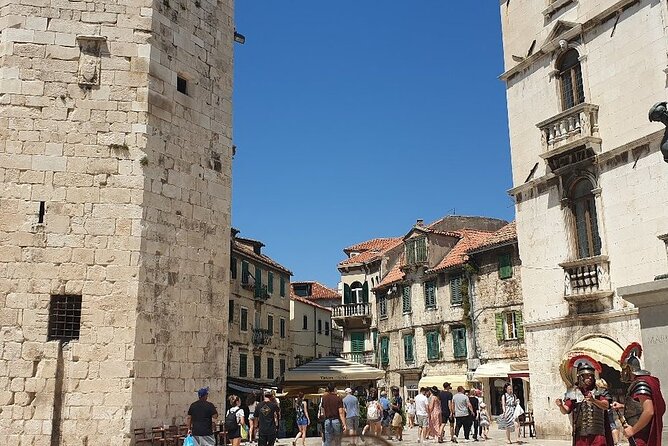
The wine part is built into the serving style. Instead of the typical wineglass handoff, the process described is more communal and symbolic: the bucara goes right in the middle of the steamer after cutting, so the wine experience is tied to the exact action of eating Soparnik.
That’s useful for you because it changes how you experience it. You’re not hunting for a second “thing” to do. The food and the drink land as one package—Soparnik first, then the wine is there as part of the same moment.
One consideration: the exact amount of wine isn’t specified in the details you’ll receive. So if you’re carefully managing alcohol, treat this as a tasting-style stop where you can pace yourself and focus on the food and the ritual rather than the buzz.


Split Pickup, Group Size, and the Real Meaning of Five Hours
This tour runs about 5 hours and includes pickup. It’s offered for up to 8 people per group (with a maximum of 14 travelers overall). That “small but not tiny” size is usually a sweet spot for day trips like this: you get a guide and a coherent experience, but you’re not stuck in a huge bus crowd.
Meeting point is on Split’s Riva area (the tour lists Split Riva 21.000 / 21000, Grad, Split, Croatia). Since the start point is in the center, you can typically combine this with an early lunch plan or a late-afternoon wander afterward—though the tour itself is structured and you’ll want to be on time for pickup.
Because the day includes two hours at Klis, two hours in Gata, and about one hour for Soparnik, it’s built like a set menu: each stop has a purpose and a clock. If you want to linger at viewpoints or take extra photos, factor in that the schedule is doing the guiding for you.
Ticket-Free Admissions and What That Does for Value
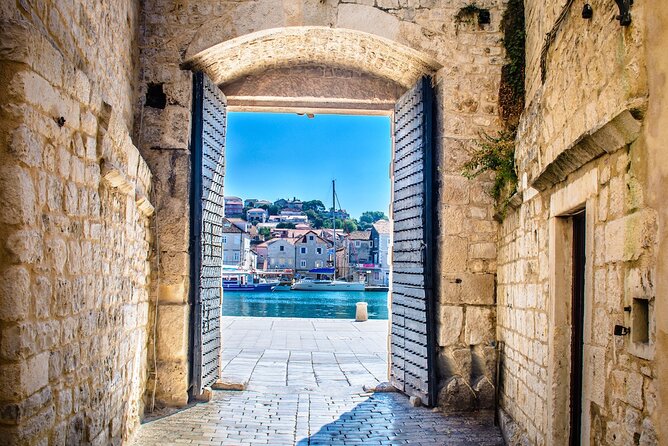
Both the Klis Fortress stop and the Gata stop list admission ticket free. That’s not just a nice-to-have detail. When you’re paying $417.68 per group (up to 8), free admissions reduce the chance that your final cost ends up feeling “bigger than expected.”
Now for the value question that matters: you’re paying for more than transportation to two sites. You’re getting:
- Fort views and a structured historical explanation
- A guided stop in Gata with the Poljička republic story
- A family restaurant experience focused on Soparnik-making tradition
- A wine element tied directly to the serving ritual
So even though the price is listed per group, the experience is built around “local method + guided context,” not just a couple scenic stops and a snack.
Who This Tour Fits Best (and Who Might Feel Hemmed In)
This tour is a strong fit if you like:
- History that explains why places mattered, not just what they look like
- Food traditions with steps, rituals, and a reason behind them
- A small-group day with pickup and a clear plan
It may feel less ideal if:
- You prefer self-guided time above all else
- You’d rather spend a full morning at one site than split time between three
- You’re not interested in the food process and are expecting a purely sightseeing day
Should You Book This Klis Tour for Soparnik and Wine?
I’d book it if your idea of a good Dalmatia day is a mix of viewpoint history plus a food experience that feels tied to real local life. Klis Fortress gives you the dramatic setting. Gata gives you the local political story. Then Tugare delivers the kind of meal where you understand what you’re eating because you watched the tradition happen.
If you want a low-stress, small-group day with structured stops, plus a UNESCO-listed food tradition you can actually taste and understand, this is an easy yes. Just go in knowing it’s a guided 5-hour plan with set time at each part—so wear comfortable shoes, show up ready for driving between stops, and treat Soparnik as the headline, not the side dish.
FAQ
How long is the Klis and Soparnik experience?
It runs for about 5 hours.
What’s the starting point in Split?
The tour lists the meeting point on Split Riva in Split, Croatia.
Is pickup included?
Yes, pickup is offered.
How many people are in the group?
The experience has a maximum of 14 travelers, and it’s priced per group up to 8.
Are entrance tickets included for the main stops?
The details state admission is ticket free for both the Klis Fortress and Gata stops.
What food and drink is included?
You’ll be able to experience the production and tasting of Soparnik, and it’s served with a bucara of wine as part of the traditional serving process.