REVIEW · DUBROVNIK
Guided Tour to Kupari From Holiday Resort to War Zone
Book on Viator →Bookable on Viator
Kupari hits you fast: beauty meets tragedy. This guided outing is a focused walk through the abandoned seaside resort area and the war scars left behind, with storytelling that keeps the tone human and clear. I love that you get real context for what you’re seeing, not just dates and headlines, and I also like the short, manageable 2-hour format. One thing to consider: the site’s access and layout can change over time due to redevelopment, so I’d confirm your plan close to departure.
You’ll especially appreciate the way the guide ties the resort’s rise and fall together, from its earlier uses to what the war did to it. I like that the tour includes a break at Beach Kupari, so you’re not just staring at ruins.
As for drawbacks, the emotion can land. It’s not a gloomy lecture, but this is a place where shelling and trauma are part of the story, so you may want to decide ahead of time how sensitive you feel about war themes.
In This Review
- 5 highlights before you go
- Kupari’s abandoned hotels: what you’ll actually see
- Vedran and Kendra: why the guide matters here
- Stop 1: Kupari ruins and the resort story behind the shell marks
- Stop 2: Beach Kupari and how leisure changed after WWII
- Logistics that keep it easy: meeting point, timing, group size
- Price vs. value: is $60 worth two hours in the ruins?
- A reality check: redevelopment can affect access
- Who should book this Kupari tour, and who should skip it
- Should you book Kupari: from holiday resort to war zone?
- FAQ
- How long is the Kupari guided tour from Dubrovnik?
- What time does the tour start and where do we meet?
- Is the tour offered in English, and how big are the groups?
- Do I pay admission fees for Kupari and the beach stops?
- Will I receive a mobile ticket?
- Can I cancel and get a full refund?
5 highlights before you go
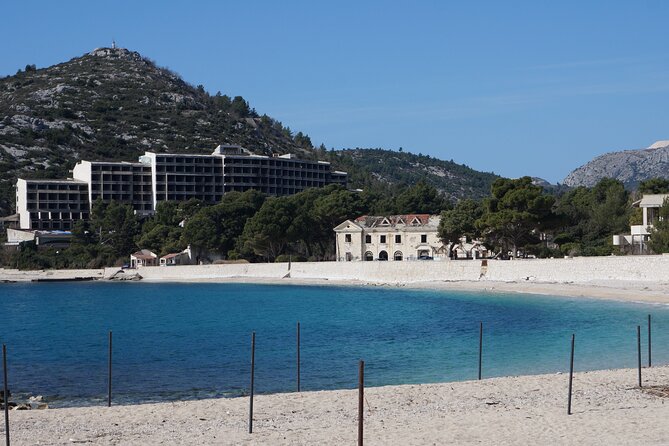
- Kupari’s devastated resort zone: abandoned hotels along the Adriatic, with war damage still visible
- Guide-led storytelling: Vedran and Kendra have firsthand, personal-style context and keep the tone respectful
- Stop 1 time well spent: see reception desks, bars, and even an Olympic-sized pool area inside the derelict hotels
- Beach Kupari stop: a short reset at the sea, and a chance to swim if conditions and your energy fit
- Small group feel: up to 30 travelers, in English, starting from the Sheraton area
Kupari’s abandoned hotels: what you’ll actually see
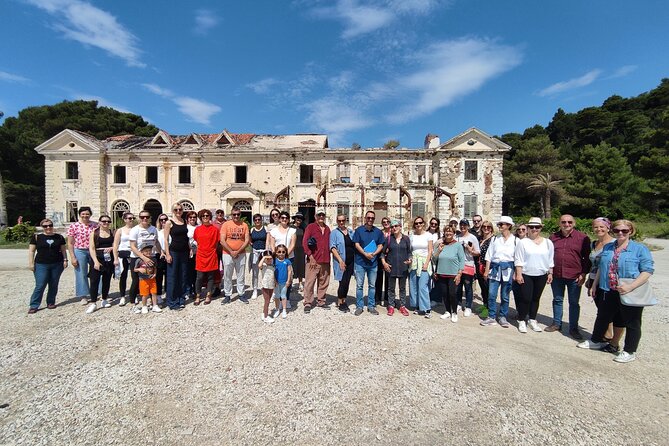
Kupari is one of those Dubrovnik-adjacent places where the setting looks postcard-perfect, and the history isn’t. This is a former tourist resort on the Adriatic that was devastated during and after the Balkan conflict and still hasn’t returned to its old shape.
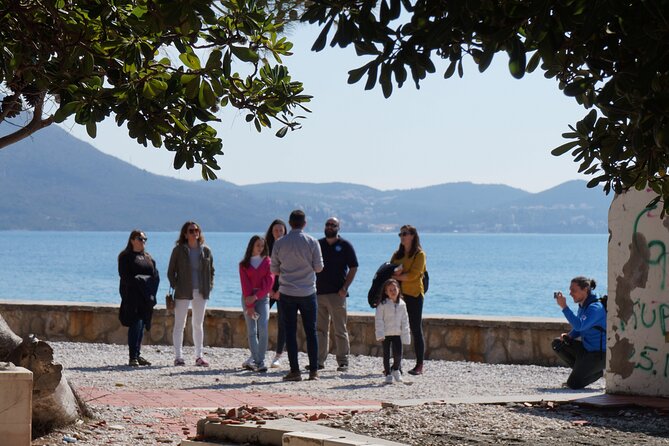
What you’re walking through is mostly derelict hotel complex territory. Think: wide open exterior areas, heavy silence where there used to be crowds, and plenty of visual clues that help the guide explain what happened. The point isn’t to shock you. The point is to help you read the site like a book, so the damage makes sense instead of feeling random.
You’ll also be learning how war interrupted leisure. That’s the big theme here. In a region known for architecture and beaches, it’s sobering to see how quickly a resort becomes a target.
You can also read our reviews of more tours and experiences in Dubrovnik.



Vedran and Kendra: why the guide matters here
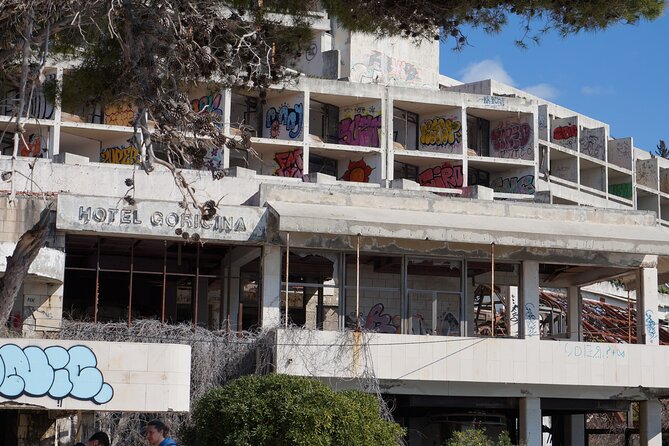
A guided tour is the whole difference at Kupari. You could technically wander around on your own, but you’d miss what makes the place legible: the sequence of events, the practical details about how the resort worked, and the meaning behind what still remains.
The names that show up again and again with this tour are Vedran and Kendra. People describe them as the kind of guides who know the area deeply and can explain the trauma of the war years without turning the experience into nonstop darkness. That balance matters. I’d want that tone if I were visiting a site this heavy.
Also, you’ll get more than “facts.” The guides tend to bring the resort alive by connecting design and everyday life to what changed later. That makes it easier to picture the past, whether you care most about architecture, military history, or modern Croatia.
Stop 1: Kupari ruins and the resort story behind the shell marks
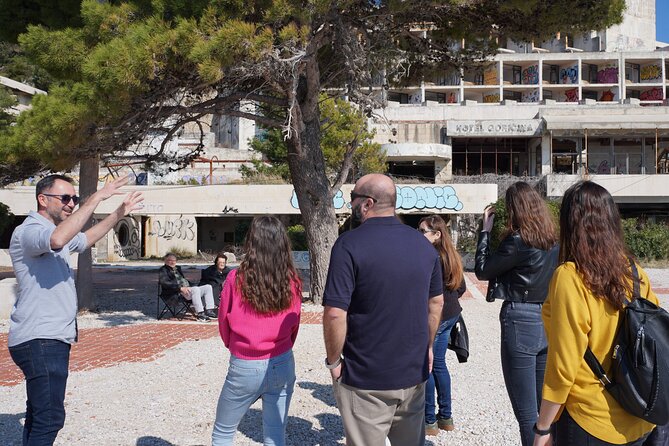
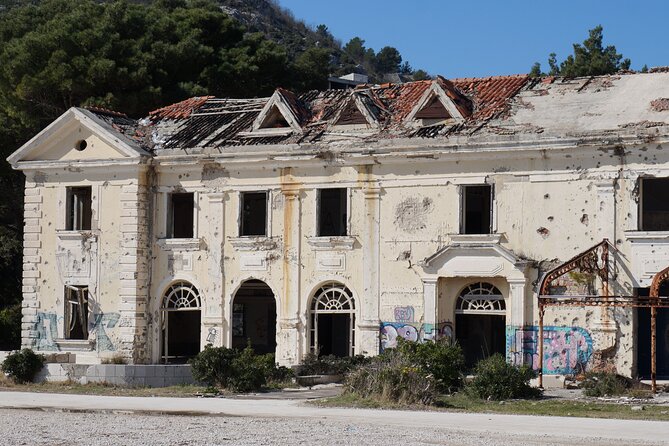
Stop 1 is the main event: Kupari itself, with about an hour on site. This is where you’ll focus on the abandoned hotels along Kupari Bay.
Here’s what makes this part special: the guide connects multiple eras, not just the wartime destruction. One standout detail you may hear is that Kupari had earlier industrial roots, including a tile-making period that supplied red tiles for Dubrovnik rooftops. That kind of fact helps you see the region as a connected whole, not isolated sights.
Then the story shifts into the resort era. In the later decades, Kupari became a destination for visitors and a holiday spot for prominent people. The guide also walks you through how the resort functioned before it collapsed into ruin.
As you move around, you may spot or be shown:
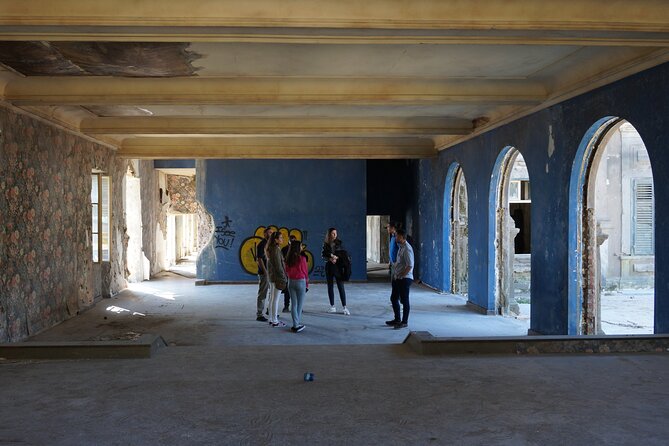
- original interiors and features that survived in place, like reception desks and bar areas
- the scale of the resort, including an Olympic-sized swimming pool area
And then comes the war impact. The guide explains that the hotels were heavily targeted during the conflict, and you’ll see lasting physical evidence of that. One reason this tour gets recommended so often is that the guide helps you connect those scars to real events, rather than leaving you with only a sad photo moment.
Practical tip: wear bug spray. One visitor mentioned getting caught out, and the area is coastal. If you’re doing other Dubrovnik outdoor plans later, still pack it.
Stop 2: Beach Kupari and how leisure changed after WWII
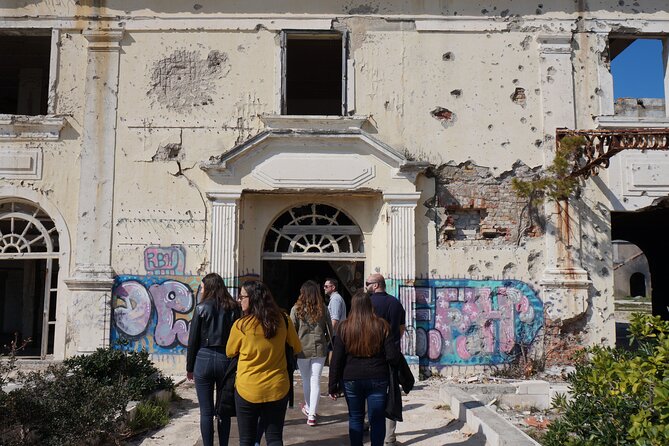
After the main ruins stop, you head to Beach Kupari for about 30 minutes. This is shorter, but it has a real purpose: it restores your senses and gives you a sense of why people once loved this coast.
The guide’s framing here often centers on the post–World War II era. During the time of the former Yugoslav republic, Kupari was intended largely for military personnel—especially officers of the Yugoslav National Army—rather than the mass leisure crowds you might expect from a coastal resort.
So when you stand by the beach now, you’re seeing the same coastline, but under a different story. The war changed who used it, and then the later conflict changed the buildings too.
If you’re hoping for a swim, this is where that possibility fits. One review singled out Beach Kupari as the best option in the area. Just keep your expectations flexible: conditions and your own comfort matter, especially after walking around the ruins.
Logistics that keep it easy: meeting point, timing, group size
This tour starts at 9:00 am and runs about 2 hours total, and it ends back at the same meeting point. The start location is the Sheraton Dubrovnik Riviera Hotel area: Šetalište Dr. F. Tuđmana 17, 20207, Srebreno, Croatia.
Two details that matter for day planning:
- It’s in English, so you won’t be stuck waiting for translations or guessing what’s important.
- It has a maximum group size of 30 travelers, which keeps the pace reasonable for questions and orientation.
You’ll also have a mobile ticket, which is convenient in a place like Dubrovnik where you may be bouncing between ports, buses, and short walks. The tour also says it’s near public transportation, and service animals are allowed.
One more practical note: people often book this tour well ahead. The average booking window is about 176 days in advance, which signals it can be popular—especially during cruise season or peak summer weeks. If your dates are fixed, don’t wait.






Price vs. value: is $60 worth two hours in the ruins?
The price is $60.01 per person for roughly 2 hours. That sounds steep at first until you factor in what you’re buying: guided access to a war-touched resort zone, explained in a way that helps you interpret visible damage.
Admission at the stops is listed as free, so your money is going mostly to the guide and the structure of the experience. With a site like Kupari, structure matters because the guide is doing more than pointing. They’re explaining why specific buildings and features were arranged as they were, and how the conflict changed the resort’s fate.
For value, I’d compare this to doing a “drive-by” stop on your own. If you want photos only, you might feel disappointed. If you want understanding—especially the shift from resort leisure to military use, and then to post-war devastation—this format is strong for the time you spend.
Also, with a small-to-medium group cap and a tight schedule, you’re not committing half a day. That’s a big deal when Dubrovnik days are already full.
A reality check: redevelopment can affect access
Here’s the part I wish every visitor would hear earlier: coastal ruins can change. One past booking experience described trouble contacting someone for a tour that no longer seemed to exist on schedule, with the guide indicating the location had changed due to redevelopment.
I can’t tell you what will happen on your specific date. But I can tell you how to reduce the risk:
- Confirm your plan close to departure, not days earlier.
- Double-check the exact meeting point in Srebreno and the guide’s contact method.
- If you’re traveling from farther out, give yourself buffer time so a last-minute delay doesn’t wreck the rest of your day.
If you approach it like a living site with possible updates, you’ll protect your schedule and keep the experience from turning frustrating.
Who should book this Kupari tour, and who should skip it

You’ll love this tour if you:
- want more than Dubrovnik’s beaches and walls
- enjoy seeing history tied to physical places
- like guides who can handle heavy topics with care
- want a short outing that still feels meaningful
You might skip it if you strongly prefer light, entertainment-only activities that keep war themes out of the day. Even with respectful storytelling, the subject matter is unavoidable here.
It also suits people who like small-group pacing. And since the tour says most travelers can participate, it’s likely to be workable for a broad range of visitors—just remember the ground near derelict areas can be uneven, and you’ll be walking around.
Should you book Kupari: from holiday resort to war zone?
My take: yes, if you want a real sense of how the Adriatic region changed in the 20th century and you don’t mind that the visuals are tragic. The best reason to book isn’t the ruins themselves. It’s the guided interpretation that helps you make sense of the place—especially through the storytelling style linked to guides like Vedran and Kendra.
If you’re short on time, this tour is a nice fit: two hours, a clear start in Srebreno, and then a beach reset. If you’re sensitive to war themes or need purely relaxing plans, you may want to choose a different day.
If you do book, go in with one mindset: you’re not touring a museum. You’re walking through a living coastline where the past still shows.
FAQ
How long is the Kupari guided tour from Dubrovnik?
It’s about 2 hours.
What time does the tour start and where do we meet?
The tour starts at 9:00 am. The meeting point is Sheraton Dubrovnik Riviera Hotel, Šetalište Dr. F. Tuđmana 17, 20207, Srebreno, Croatia.
Is the tour offered in English, and how big are the groups?
Yes, it’s offered in English. The maximum group size is 30 travelers.
Do I pay admission fees for Kupari and the beach stops?
Admission tickets are listed as free for both Kupari and Beach Kupari.
Will I receive a mobile ticket?
Yes, the tour includes a mobile ticket.
Can I cancel and get a full refund?
Yes. You can cancel up to 24 hours in advance for a full refund. If you cancel less than 24 hours before the start time, the amount paid won’t be refunded.