REVIEW · DUBROVNIK
Montenegro,Albania&Kosovo; Semi-Private Tour with Tour Leader&Car
Book on Viator →Operated by Choose Balkans · Bookable on Viator
Three countries, one fast road trip.
This semi-private tour threads Montenegro, Albania, and Kosovo together in just about four full days of sightseeing, starting with a smooth hotel pick-up in Dubrovnik. You’ll hit UNESCO-old-town vibes in Kotor, fortress views in Kosovo and Albania, and a very practical food-focused walk through Tirana—without having to plan borders, tickets, or transport yourself.
I love two things most. First, the cap at up to 10 travelers usually means real guide attention, not “one-size-fits-all” walking. Second, the hotel pick-up and drop-off in Dubrovnik (and the way you’re handled via a local partner at the border) saves a lot of headache.
The one thing you should weigh is the pace: you’re on the road across countries and you’ll start early. If you hate being rushed, this trip may feel more like an efficient sampler than a slow, scenic linger.
In This Review
- Key things you should notice before you go
- The Dubrovnik morning setup: early start, border handoffs, and comfort
- Kotor’s old town labyrinth: UNESCO streets and St. Luke’s meaning
- Budva’s split personality: old town charm with beach-town energy
- Crossing into Albania and Kosovo through slow-food farm life
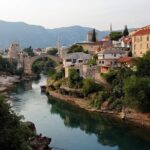
- Prizren’s river city feel: mosque color, bridge views, and fortress panoramas
- Kruja: Albanian resistance symbolism, medieval bazaar browsing, and a castle on the hill
- Tirana without the tourist traps: byrek, coffee culture, bicycle bazaar, and raki
- Shkoder and Rozafa Castle: lake-and-river views from above
- Your hotel stays: 3-star comfort, breakfast included, and what “semi-private” really means
- Price and value: is $2,146.51 per person worth it?
- Border-day stress is preventable: how to avoid the one thing that can go wrong
- The guide factor: Bledi and Julian as examples of what good looks like
- What to pack and how to pace yourself across cobblestones and hills
- Who this tour suits best
- Should you book this Montenegro, Albania & Kosovo trip?
- FAQ
- What time does the tour start?
- Where will you pick me up, and is the Dubrovnik pick-up guaranteed?
- How many people are in the group?
- Are hotel rooms and breakfast included?
- Are entry tickets included?
- Are lunches and dinners included?
- Can I change or cancel after booking?
Key things you should notice before you go
- Small group size (max 10) for better questions and easier stops
- Direct Dubrovnik hotel service to keep logistics simple
- Fortress viewpoints included at Kalaja Fortress, Kruja Castle, and Rozafa Castle
- Mrizi i Zanave slow-food farm adds everyday culture (not just monuments)
- Tirana food and coffee route makes the capital feel local fast
- Car transportation throughout means fewer “where do we go next?” moments
The Dubrovnik morning setup: early start, border handoffs, and comfort
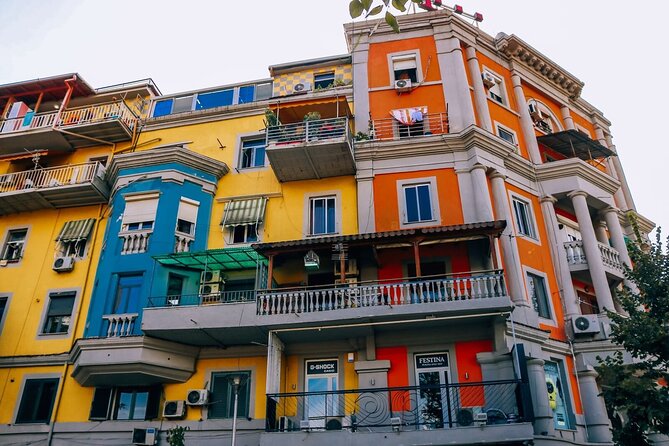
The tour kicks off at 7:30 am, with pick-up from your hotel in Dubrovnik. From there, you’re shuttled to the border where you meet your tour leader. It’s a smart way to handle the first day, because you avoid the awkward scramble of finding the right person right at the crossing.
What I like here is that you’re not doing this as a DIY border puzzle. The tour is designed around a meeting point and a handoff, and that’s exactly what you want when you’re moving between three countries in a short window. You’ll also have a mobile ticket, which is one less thing to worry about once you’re on the move.
Practical note: wear shoes you can walk in for long old-town streets. Many areas are cobblestoned and hilly, and the “standing around for a photo” can add up faster than you’d expect.
You can also read our reviews of more tours and experiences in Dubrovnik.
Kotor’s old town labyrinth: UNESCO streets and St. Luke’s meaning
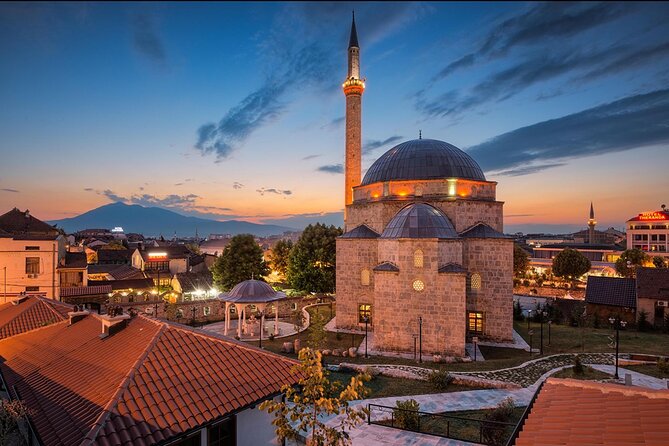
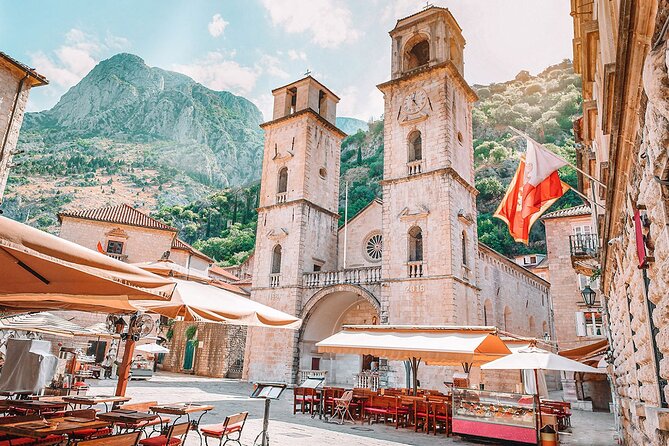
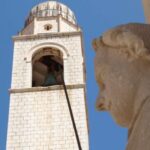
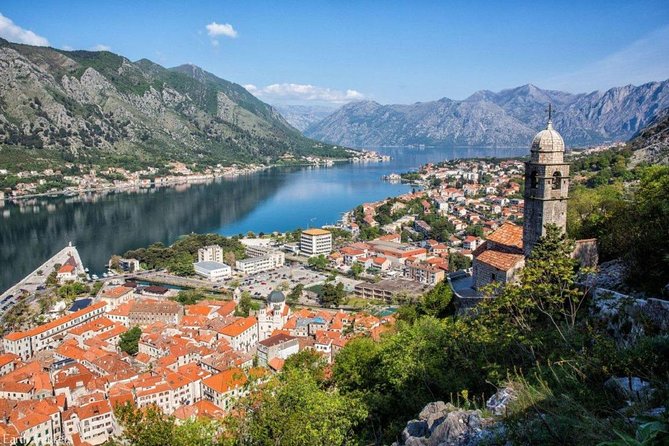
Day 1 starts with Kotor, a UNESCO World Heritage town. The old town is the kind of place where the street plan feels chaotic—until you realize it’s part of the design. The town’s layout was intentionally confusing to would-be intruders, which turns your stroll into a real-life history lesson.
You’ll wander the narrow lanes and you’ll see small plaques on older buildings and churches with dates and original uses. That detail matters because it helps you read the place instead of just passing through it.
One stop worth your time is Saint Luke’s church, described as significant for locals because it represents unity. Even if you’re not chasing every church interior, this is the kind of stop that gives you a “why people care” moment.
A small consideration: Kotor and its lanes can get crowded in peak season. You’ll still enjoy it, but go in with a flexible pace—this is a walking day inside stone streets, not a quick drive-by.
Budva’s split personality: old town charm with beach-town energy
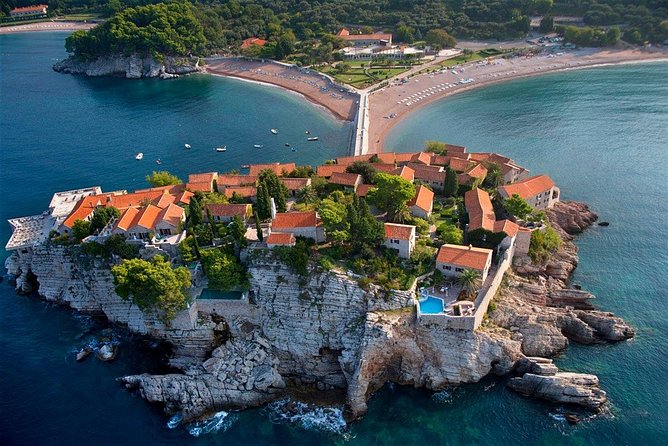
After Kotor, you drive to Budva. The city is split into a New Budva and an Old Budva, and that contrast shapes how your day feels.
New Budva is more modern—shopping, offices, restaurants, bars. Old Budva is where you get the historic center and older churches, including stops like St. Ivan church, plus the medieval streets themselves.
What’s good for you here is the balance. You get history and wandering without the full intensity of a “only-old-town” day. If you’re the type who likes to see how a place actually works today—food, daily life, and movement—Budva delivers that energy.
If you want extra time for photos, aim to linger slightly longer when your group pauses for the main viewpoints. Budva rewards slow looking, especially around the old-town edges.
Crossing into Albania and Kosovo through slow-food farm life
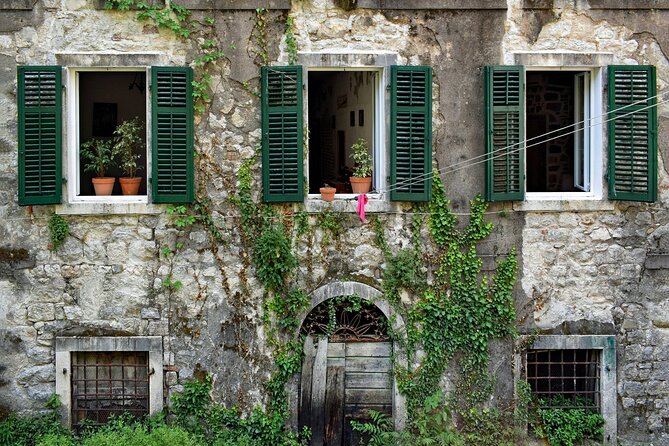
Day 2 pivots from sightseeing into something more grounded: you cross border toward Albania, then Kosovo. The first stop is Mrizi i Zanave (Restorant Agroturizëm), one of the farm experiences that gives this tour personality.
This isn’t just a photo stop. You tour the farm, learn the story, and see how it created jobs for more than 400 people in the surrounding area. You also hear how the family business adapted older communist buildings to store and preserve regional bio products. That blend—history you can see, farming you can understand—is exactly what makes this part feel different from typical “see the monument, move on” days.
You’ll have free time to enjoy a traditional lunch or to buy fresh produce. Budget time for it. The farm stops tend to be the moments where the group slows down naturally, and that’s when conversations with the guide and your small group usually click.
Then you’re headed toward Prizren, Kosovo—often described as a cultural capital with a mix of architecture, tolerance, nature, and food.
Prizren’s river city feel: mosque color, bridge views, and fortress panoramas
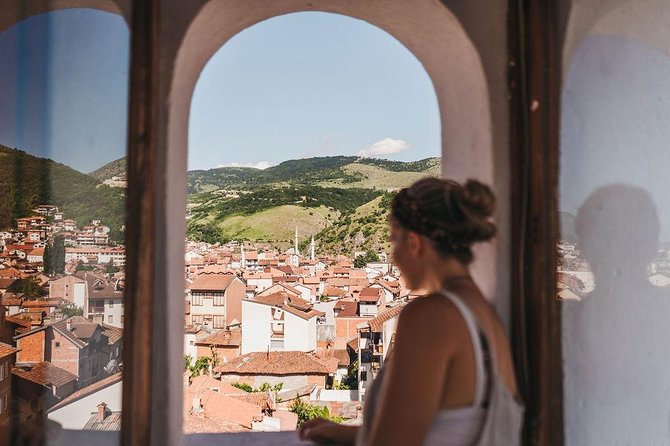
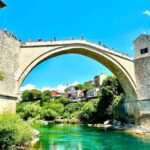
Prizren is the kind of city you can understand quickly because it has strong visual anchors: the river running through the old town and the bridges crossing it in layers.
You’ll walk through streets with elegant medieval houses and the sense of overlapping eras—Illyrian roots, then Byzantine and Ottoman influences you can still feel in the architecture. If you’re sensitive to atmosphere, Prizren has it. If you’re sensitive to heat or fatigue, plan to pace yourself. It’s not just “look around,” it’s still real walking.
The stop for religious and design detail is Sinan Pasha Mosque, known for its arabesque colors and patterns. Even when interiors aren’t fully accessible, the exterior and the sense of patternwork help you get the visual language right away.
Then comes Kalaja Fortress on the hill above town. The viewpoint is the payoff: you’ll get a panorama that helps you understand how Prizren is laid out around the river and bridges. This is also one of the days where the included timing (time budget and guide orientation) matters—fortress views are much easier when you aren’t figuring out the route yourself.
Kruja: Albanian resistance symbolism, medieval bazaar browsing, and a castle on the hill
On Day 3 you return to Albania and head to Kruja, a city strongly tied to Albanian resistance against the Ottoman Empire during the 15th century. That context changes the way you walk through the town. It’s not just “pretty old buildings”—it’s a place with a story of defiance baked into the route.
Your first stop is Kruja itself, in central Albania on rocky mountainous terrain at about 560 meters above sea level. You’ll feel that elevation as you walk—airier, cooler at times, but also with a bit of a climb in your legs.
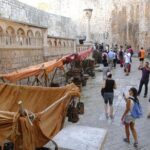
Then you’ll spend time in the Kruja Bazaar, a medieval old bazaar with wooden houses and narrow streets. It’s one of the more practical areas for souvenirs in Albania, from typical options to more handmade items like carpets and jewelry. The guide can help you move past the obvious tourist stuff and focus on the stalls that match your budget.
The highlight is the Kruja Castle, positioned strategically on a hilltop to make attacks difficult. It’s included, and it’s the kind of stop where you’ll feel why hill placement mattered long before today’s GPS.
If you’re visiting in warmer weather, bring water and expect the castle area to take a bit longer if you stop for views.
Tirana without the tourist traps: byrek, coffee culture, bicycle bazaar, and raki
Day 4 is where this tour becomes more “everyday local life” and less “only monuments.”
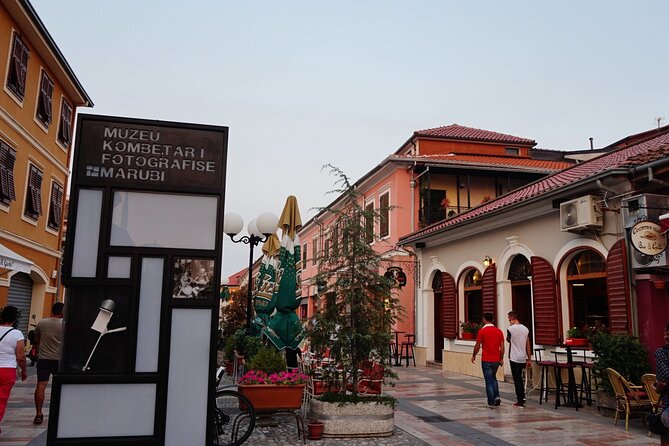
In Tirana, you meet with a local companion. Your first bite of the city is a local spot for byrek, with the goal of breakfast “like a local.” Byrek is dough with different fillings—cheese, meat, or spinach—so even if your taste is simple, you’ll likely find a version you like.
Next is Çam bazaar, founded by the Albanian Çam community. You’ll browse for goods from clothes to kitchen equipment and bargain with sellers for a better price. This part is useful because it teaches you the practical rhythm of markets, not just what to buy.
Later, your route includes dessert at an authentic pastry shop, then the city’s coffee culture with Albanian coffee at a cozy café. That coffee stop is small, but it’s the sort of moment that makes a capital feel human rather than just administrative.
You’ll also pass through the Bicycle bazaar, where you can find everything from second-hand clothes to second-hand furniture. Then you reach the New Bazaar for a traditional lunch and finish with Albanian raki.
Important money note: the tour package lists lunches, dinners, drinks, and snacks as not included. Even if the daily plan includes food stops, plan to pay for what you order yourself. The upside is you’ll know where to go and how to order like you belong.
Shkoder and Rozafa Castle: lake-and-river views from above
After Tirana, you head to Shkoder, in northwest Albania. The city’s name connects to the biggest lake in the Balkans, and Shkoder carries an ancient vibe. It’s one of the oldest cities in Albania with a thousand years of habitation.
You’ll learn a few grounding facts while you’re there: the oldest wall of Shkodra Castle dates from the 1st millennium BCE, and Livy wrote about the city as the capital of Illyrian king Gent who fought the Romans in 168 B.C. That kind of context helps you look at ruins and stone without needing to be an expert.
Then you visit Rozafa Castle, known for its views over the lake and the three rivers that meet as they flow toward the Adriatic Sea. This is one of those places where your guide’s quick explanations can turn a plain viewpoint into a clear mental map.
If you’re a photo person, Rozafa is worth slowing down at. The angles are where the story becomes visible.
Your hotel stays: 3-star comfort, breakfast included, and what “semi-private” really means
Accommodation is 3-star hotels with breakfast included on all overnights. That matters because cross-border road trips eat your energy fast. Breakfast being included helps you start mornings without hunting down a place immediately.
The tour is described as semi-private with a maximum of 10 travelers, and that’s the real advantage versus large group buses. With fewer people, it’s easier for the guide to adjust pacing—especially in older towns where steps, narrow streets, and sudden crowding can slow everyone down.
You also get tourist taxes included, plus items like international car insurance, road taxes, and petrol. That’s part of why this tour is priced the way it is: a lot goes into transport and the “it just runs” factor.
Price and value: is $2,146.51 per person worth it?
At $2,146.51 per person, this tour isn’t cheap. But value comes from what’s included and how much ground you cover with minimal planning.
Here’s what you’re paying for:
- 4ish days of guided sightseeing across three countries without coordinating borders on your own
- hotel pick-up and drop-off in Dubrovnik (plus the border handoff structure)
- private transportation by car with a tour leader
- 3-star hotel breakfasts included
- entry tickets for the sites that are listed as included in the program
If you price it out as DIY, you’d still need reliable transport, lodging, and tickets—and you’d spend time figuring out each border day. Where the cost can feel “worth it” is if you want structure, you prefer guided interpretation, and you’re going as a couple or friend group willing to share a small vehicle setup.
Where it might not feel worth it: if you already know the region well, travel slow, and don’t need a guide to read the history for you. Also, because lunches and dinners are not included, you’ll need to budget daily food spending on top.
Border-day stress is preventable: how to avoid the one thing that can go wrong
One review you can’t ignore involved a bad ending at the border: the Albanian guide didn’t stay with the group long enough for the Croatian driver pickup, and the passenger ended up walking with bags to find the driver. That’s exactly the kind of chaos you want to prevent.
Here’s how you protect yourself, even on a well-run itinerary:
- Ask your tour leader for the exact pickup area and the time window before you start walking over to the border area.
- Save your guide and local driver contact details when provided.
- If there’s a delay, agree on a plan immediately: who waits, where you wait, and how you reconnect.
Most days like this go smoothly because handoffs are routine. Still, borders can add friction from traffic, queues, or timing miscommunication. Your best defense is clear confirmation and calm check-ins.
The guide factor: Bledi and Julian as examples of what good looks like
Two guide names stand out from prior experiences: Bledi and Julian.
Bledi earned praise for being funny and informative, and for tailoring the tour to what the group wanted to do. That kind of flexibility is huge on a fast multi-country trip—when you can adjust your pace or swap an angle of focus, the “sampler” format feels more personal.
Julian was noted for strong information and tips that made the journey memorable, with a sense that what was promised was delivered. That’s what you want from a tour leader: not just driving you between places, but helping you understand what you’re seeing and how to get more from each stop.
You can’t guarantee your guide, but the presence of leaders like these is a sign the operator cares about guiding quality.
What to pack and how to pace yourself across cobblestones and hills
This tour includes old towns, churches, marketplaces, and castle viewpoints—often with uneven ground. Pack smart:
- Comfortable walking shoes for cobblestones and hill climbs
- A refillable water bottle
- A light layer if temperatures shift between sea-level towns and higher areas like Kruja
- Some cash for market bargaining and meals you order yourself
Also, accept that you’ll be “on the move.” The value is in the routing. The tradeoff is that you won’t linger for days in one place.
Who this tour suits best
This is a great fit if you:
- Want structure and a guide for history and context across three countries
- Prefer small-group attention over large bus crowds
- Like food-focused exploration, not just monuments
- Don’t mind a car-based itinerary with early starts
It may feel less right if you:
- Want a slow, deep travel rhythm with lots of free time every day
- Get frustrated when schedules and border timing can cause short waits
Should you book this Montenegro, Albania & Kosovo trip?
If your goal is to see Kotor’s UNESCO lanes, Prizren’s fortress views, Kruja’s resistance story and bazaar browsing, and Tirana’s byrek-and-coffee side—then yes, this tour is a strong way to do it. The small group size and the included hotel stays with breakfast are practical wins, and the guide-led stops reduce the planning stress that often ruins multi-border trips.
My main advice: go in aware that meals aren’t included, and treat border handoffs as something you should confirm clearly. If you do that, you’ll spend your time sightseeing instead of worrying about logistics.
If you want, tell me your travel month and whether you’re comfortable with early starts and lots of walking. I can help you judge whether the pace will feel fun or tiring for your style.
FAQ
What time does the tour start?
The start time is 7:30 am.
Where will you pick me up, and is the Dubrovnik pick-up guaranteed?
You’ll have pick-up from your hotel in Dubrovnik at 7:30 am. Pickup on request is also available if you need an alternate start: Dubrovnik at 9:00 am or Kotor at 11:00 am, with no added charge, as long as you request it at least 12 hours before departure.
How many people are in the group?
This tour caps at a maximum of 10 travelers.
Are hotel rooms and breakfast included?
Yes. You get 3-star hotel accommodation with breakfast included for all overnights.
Are entry tickets included?
Yes. The tour includes entry tickets for the sites that are listed to be visited, including the stops marked as included in the program.
Are lunches and dinners included?
No. Lunches, dinners, drinks, and snacks are not included.
Can I change or cancel after booking?
No. The experience is non-refundable and cannot be changed for any reason.