REVIEW · ZAGREB
The Best of Zagreb Private Walking Tour
Book on Viator →Operated by Servus Tours · Bookable on Viator
Zagreb feels clear fast on this walk. This private tour is built for first-time visitors who want the city’s main landmarks—Dolac Market included—without getting stuck in traffic. I like that it runs about 2 hours, stays centered, and is offered in English with a mobile ticket.
Two things I really like: the private format (your group only) and the guided history-and-trivia focus as you move. Guides such as Maks, Luceja, Ivan, and Denjan come through in different styles, but the common thread is simple: you get the what, the why, and the little details that make places feel real—whether it’s talk around Croatia’s past, Tito, and the war, or a clear timeline starting from King Tomislav.
One possible drawback: because it’s a walking tour with short stops, you’ll see a lot, but you won’t linger long. If you prefer slow museum time or big photo sessions at one spot, you may feel a bit rushed unless you plan to return on your own later.
In This Review
- Key things to know before you go
- How This Zagreb Private Walk Really Works
- Price and Value: What You’re Paying For
- Ban Jelačić Square: Where the City Starts Talking
- Cathedral of Zagreb: Church, Story, and Croatian Identity
- Dolac Market: Your Fast Track to Zagreb’s Eating Life
- Tkalčićeva Street: Where You Pause Like a Local
- Stone Gate (Kamenita Vrata): A Medieval Cut in the Story
- St. Mark’s Square: Photos Plus Context
- Lotrščak Tower: The Funicular Moment and the Cannon
- Ilica: The Long Street That Connects to Everything
- Zrinjevac: One Square, Many Stories
- What the Best Guides Do (And Why It Matters)
- Practical Tips to Make the Most of the Walk
- Should You Book This Zagreb Tour?
- FAQ
- How long is the Best of Zagreb Private Walking Tour?
- Is this tour private?
- What language is the tour offered in?
- Is pickup available?
- Where is the meeting point?
- Are there admission tickets to pay for the stops?
- Do you get a mobile ticket?
- What is the cancellation policy?
Key things to know before you go
- Private, up to 15 people: better pacing and more chances to ask questions than a bus tour.
- Free-admission stops: the sights on this route are marked as ticket-free, so you can spend your money elsewhere.
- A tight old-town route: you cover major stops in about 2 hours without needing complicated transit.
- History delivered on your feet: guides explain stories as you pass each square and landmark.
- Scenic photo spots with context: St. Mark’s Square and other sights are easy to photograph because you’ll know what you’re looking at.
- Cannon-and-funicular moment: Lotrščak Tower adds a fun rhythm to the walk, plus you can use Zagreb’s funicular.
How This Zagreb Private Walk Really Works
This tour is designed to help you get your bearings fast. You start at Manduševac Trg in the area of Ban Jelačić Square (the meeting point is Ban Josip Jelačića Square near the Manduševac fountain). If you’re staying centrally, pickup is offered—just share your address—and if not, it’s simple to meet in front of the fountain at Ban Jelačić Square.
Because it’s a private experience, your guide can slow down when you have questions and speed up when you don’t. That matters in a city like Zagreb, where the streets are close together but the history is layered. The walk also helps you avoid traffic, which is a win in any Central European city where cars can crowd certain areas.
Timing is part of the deal: you’re walking and stopping in quick bursts. Each stop is brief, so the guide becomes the “glue,” turning a quick glance at stone and towers into something you actually remember.
You can also read our reviews of more tours and experiences in Zagreb.


Price and Value: What You’re Paying For
The price is $191.56 per group for up to 15 people, and it’s booked fairly far in advance (on average about 68 days ahead). That group pricing is the key to the value.
If you travel solo, you’re not really getting the low per-person cost that a filled group would get. But if you’re in a couple, a small family, or even a group of friends, it can work out to a very reasonable per-person way to see the core of Zagreb with someone who knows the story behind each place.
Also, this route is marked with free admission at each stop, so you’re not stacking ticket costs on top of the tour. In practice, that means you can keep your sightseeing budget steadier and spend more on food—especially since Zagreb’s best meals and market ingredients are close by.
Ban Jelačić Square: Where the City Starts Talking
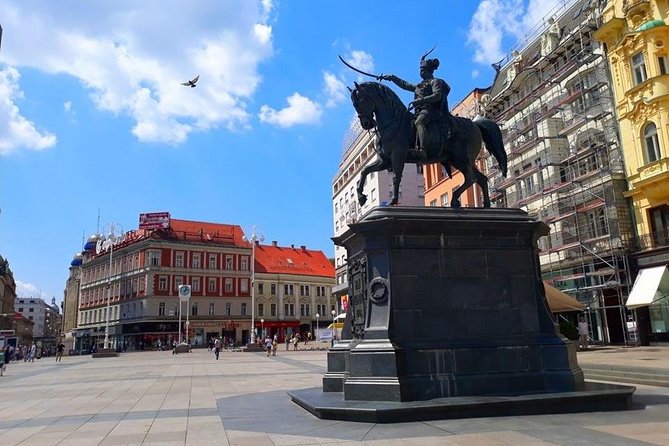
Your first stop is Ban Josip Jelačić Square, often described as the most popular square in Zagreb and a favorite meeting place for locals. It’s a great starting point because it’s familiar right away: you’re in the heart of the city, and the square naturally sets up the rest of the walk.
Here’s what makes this stop worth your time: it’s not just a statue and a plaza. Your guide uses this location to launch the big-picture version of Zagreb—where it began, how it grew, and what to pay attention to as you move toward the older parts of the city.
If you like asking questions, this is a good place to do it. In particular, I’ve seen guides like Maks go beyond the postcard facts and answer curiosity about Croatia’s history—war, Tito, and more—while you’re still fresh and oriented.
Cathedral of Zagreb: Church, Story, and Croatian Identity
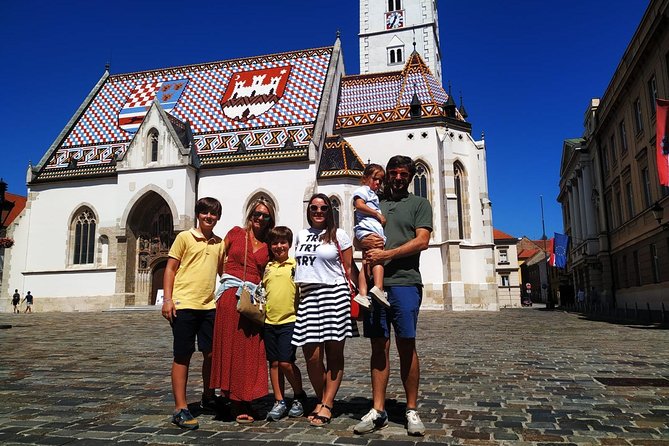
Next up is the Cathedral of Zagreb, described as the most important church in the city and a place where Croatian history comes through. Even if you’re not a “church person,” a stop like this works because it ties religion, politics, and identity into one visible landmark.
The cathedrals in Europe can feel intimidating if you’re just looking from the outside. A good guide helps you notice details and understand why this building matters beyond the architecture. Expect a short, focused stop—enough to give you a meaningful framework before you head to the more street-level parts of town.
Dolac Market: Your Fast Track to Zagreb’s Eating Life
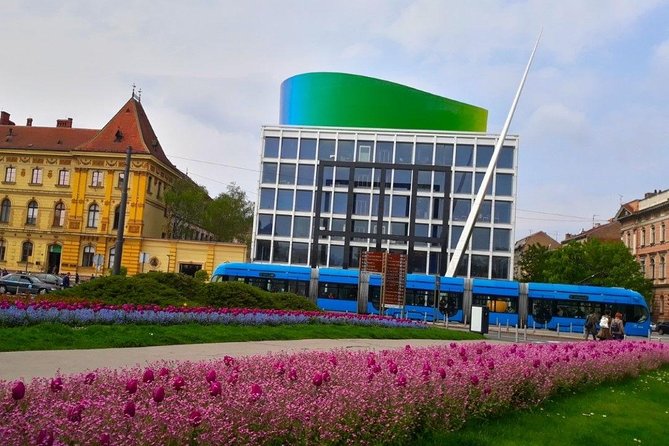
Then you reach Dolac Market, often treated like the belly of the city. This is where you see Zagreb through the daily rhythm of locals buying ingredients, and you also get the sense of Croatian gastronomy as more than a restaurant menu.
What I like about including Dolac on a first-visit tour: it gives you practical, sensory context. You can leave the market already thinking about what you want to eat later—cheese, produce, and the kind of ingredients you’ll keep spotting in local dishes.
Dolac also helps the tour feel more grounded. After squares and churches, it’s a reminder that the city’s culture shows up in everyday life. And if you have a guide who’s good at recommendations, this is the kind of stop that often leads directly into better meal choices.




Tkalčićeva Street: Where You Pause Like a Local
At Tkalčićeva Street, the mood shifts. This is one of Zagreb’s best-known streets for breaks: coffee, snacks, and even alcoholic drinks. It’s also a place where your guide can share unusual local trivia, which is a fun change from the heavier historical stops.
This stop is useful because it gives your legs a reset. The tour is only about 2 hours, so these short “pause moments” matter. If you want a quick drink or something light, this is where it fits best.
Stone Gate (Kamenita Vrata): A Medieval Cut in the Story
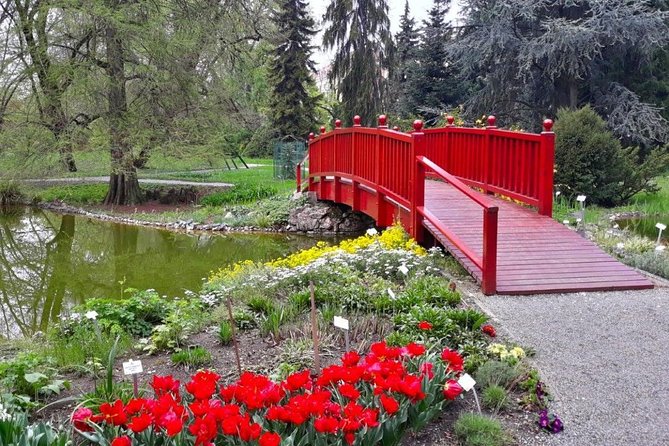
The walk continues to Stone Gate (Kamenita Vrata), described as the only medieval access to Gradec and a very saint place for locals. That’s exactly the kind of fact that turns a simple structure into a meaningful marker.
A gate is more than a doorway. It’s a boundary—between old and newer areas, between routes people traveled and routes they guarded. With the time you have, you’re not meant to study it for hours, but you should leave understanding why this site has stayed important for locals.
St. Mark’s Square: Photos Plus Context
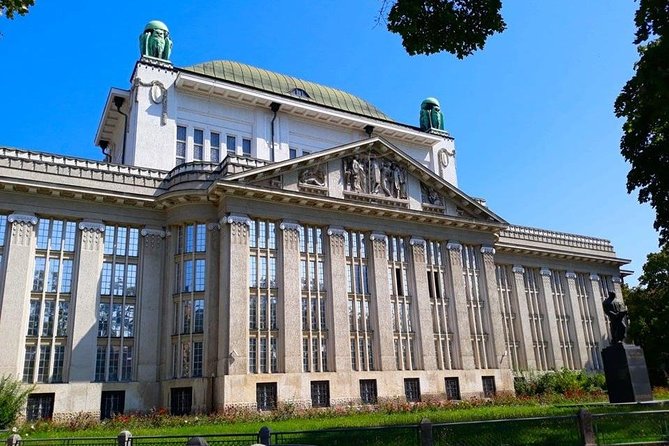
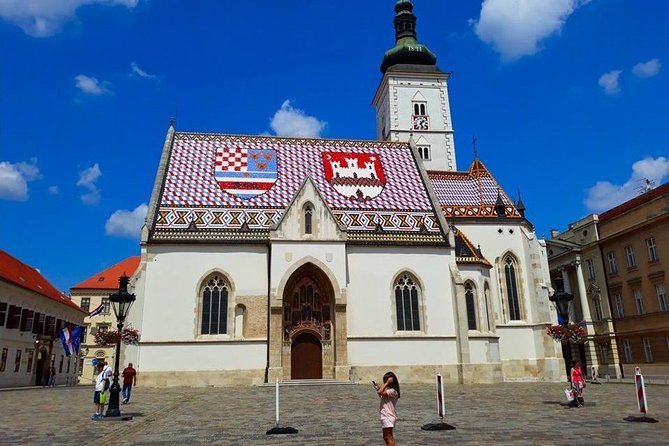
You’ll hit St. Mark’s Square, where it’s easy to take those classic Zagreb selfies in front of St. Mark’s Church. The square is attractive on its own, but the real payoff is knowing what you’re looking at and why it’s a symbol of Zagreb.
This is a stop where a guide can make quick details feel memorable—color, design, and the sense that you’re standing in a center of local identity. It’s also a great spot to slow down for a couple minutes so you don’t feel like you’re rushing from one landmark to the next.
Lotrščak Tower: The Funicular Moment and the Cannon
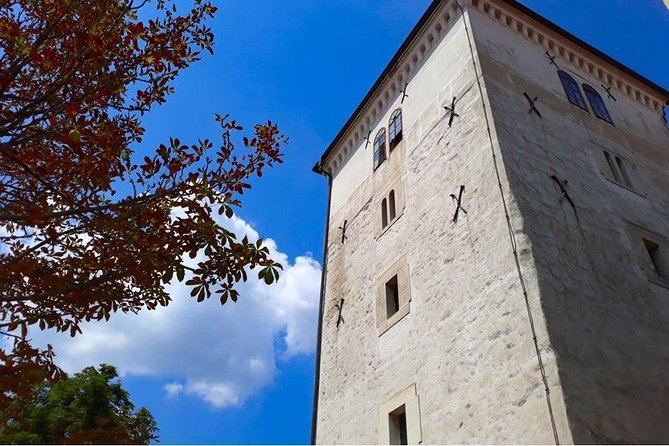
Next comes Lotrščak Tower. The tour notes that everyday at 12:00am, if you’re near the city center, you’ll hear the sound of the cannon located at the tower. Whether you catch the exact moment or you’re just close enough to feel the timing, the tower adds a memorable “sound-and-place” moment to the walk.
To reach the tower, the route suggests using Zagreb’s funicular, described as the world’s shortest public transportation. That’s a fun practical touch: it helps you avoid extra walking up and down while also giving you a mini Zagreb experience beyond sightseeing.
Keep your expectations flexible here. You might catch the cannon moment; you might not, depending on the time of your tour and how quickly the group moves. Either way, you’ll have a clear sense of the tower’s place in the city.
Ilica: The Long Street That Connects to Everything
Then it’s Ilica, one of Zagreb’s best-known and most popular streets. This stop gives you a different angle of the city: Zagreb isn’t only old stone and historic squares—it’s also active streets where people shop, walk, and live their normal day.
A good guide uses this moment to connect what you just saw with what you’ll do next. It’s the kind of street where you can spot storefronts and get a sense of where you might want to wander after the tour ends.
Zrinjevac: One Square, Many Stories
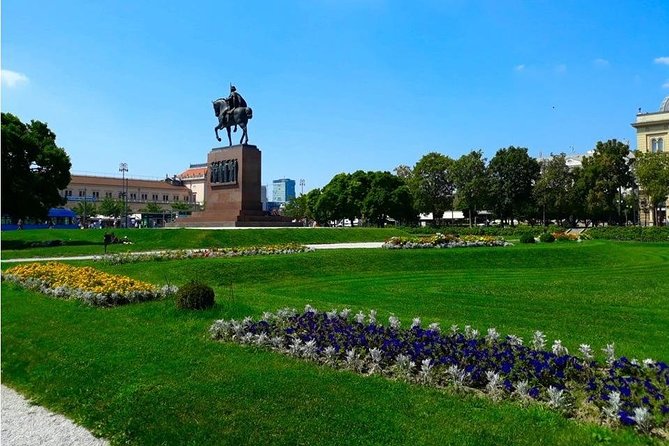
Finally, you reach Zrinjevac, described as a square with a million stories. This ending makes sense because after all the history stops, you arrive at a place that feels more relaxed. It’s a good place to look around without feeling like you’re racing to the next “must-see.”
Zrinjevac is also where the tour can feel like it’s closing a loop. If you’ve been tracking the city’s old-and-new identity, you’ll notice how the walk brings you through different layers of Zagreb without requiring complex planning.
What the Best Guides Do (And Why It Matters)
The guide quality is a big deal on a short walking tour like this. I’ve seen clear differences in delivery style, but the top performers share a few traits: they explain in a sequential way, they answer questions naturally, and they make the city feel less like a set of points on a map.
For example:
- Luceja is noted for a detailed sequential recount of Croatia’s history, starting from the first king Tomislav, while walking around the city.
- Ivan brings history in a fun way and also gives useful tips for your stay.
- Denjan is praised for clear and precise language, with explanations that feel well paced.
- Maks handled a lot of questions, including Croatia’s past and later events like the war and Tito, in a way that made the story feel connected to the places you were standing.
That’s why you should care who your guide is. You’re only out for about two hours; a weak guide won’t have time to win you over. A strong guide turns the walk into a story you can keep retelling.
Practical Tips to Make the Most of the Walk
A few things will help you enjoy this more:
- Wear comfortable shoes. You’re on foot for the whole experience, and the stops are close but frequent.
- Bring a light layer. Zagreb weather can shift quickly, and you’ll be outside much of the time.
- If you want better food planning, ask your guide during or right after Dolac Market. One guide recommendation I saw even helped someone find a charming spot to try Croatian wines.
- Think of this as orientation. Use it to decide what to explore longer later—especially if you end up wanting more time at one church, tower, or street.
Should You Book This Zagreb Tour?
Book it if you’re a first-time visitor who wants the big highlights connected by context, not just photos. It’s also a solid choice if you like asking questions and want a guide who can explain history in a way that sticks.
Pass or consider a different format if you need long stops, museum-level detail, or very slow pacing. With short segments at each place, this tour is best when you want a fast, focused introduction and then you’ll do follow-up exploring on your own.
If you’re traveling as a small group, the group price is where the math starts to look good—because you’re paying per group, not per person. And with free-admission stops on the route, your sightseeing costs stay under control.
If you want one clean way to understand Zagreb quickly, this is it: a walking tour that trades traffic stress for city stories, and a route that keeps you close to where the real life of Zagreb happens.
FAQ
How long is the Best of Zagreb Private Walking Tour?
It lasts about 2 hours.
Is this tour private?
Yes. It’s a private tour/activity, and only your group participates.
What language is the tour offered in?
The tour is offered in English.
Is pickup available?
Yes. Pickup is offered if you provide your address (for centrally located accommodations). You can also meet in front of the fountain at Ban Jelacic Square.
Where is the meeting point?
The start point is Manduševac Trg bana Josipa Jelačića, 10000, Gornji Grad – Medveščak, Zagreb, Croatia.
Are there admission tickets to pay for the stops?
The stops listed on the route are marked with admission ticket free.
Do you get a mobile ticket?
Yes. A mobile ticket is offered.
What is the cancellation policy?
You can cancel for a full refund up to 24 hours in advance of the experience start time. If you cancel less than 24 hours before, the amount paid isn’t refunded.