REVIEW · ZAGREB
Zagreb: City & History Walking Tour & WW2 Tunnels
Book on GetYourGuide →Operated by Petros · Bookable on GetYourGuide
Zagreb moves fast when you have the right guide. This 2.5-hour city-and-history walk pairs small-group attention with a standout visit to the WW2-era Grič Tunnel, so you’re not just looking at landmarks from the sidewalk. I also like how guides (often people like Petra, Tomislav, or Maja) keep the tone friendly and story-driven, with room for your questions. One watch-out: parts of the route rely on site access and opening times, so the tunnel or Dolac Market may be unavailable on certain days.
You’ll start in Zrinjevac Park, roll through Ban Jelačić Square, and work your way up to the Upper Town (Gradec) for classic views. Along the way, you’ll see the Cathedral of the Assumption, Dolac Market, Lotrščak Tower, St Mark’s Church, the Stone Gate, and more—plus a short pass by the Museum of Broken Relationships. The only downside I’d flag is that this is a walking tour with uneven terrain, and it’s not set up for wheelchair users.
In This Review
- Key highlights you’ll actually feel
- A 2.5-Hour Zagreb Overview That Blends Famous Stops With Real Context
- Starting in Zrinjevac Park: Where You Get Your Bearings
- Ban Jelačić Square to Zagreb Cathedral: The City Explains Itself
- Dolac Market and Tkalčićeva Street: See How Locals Really Eat and Hang Out
- Grič Tunnel: A WWII Shelter Under the Upper Town
- Gradec, Strossmayer Promenade, and the Funicular You Might Not Ride
- Lotrščak Tower, St Mark’s Church, and the Museum of Broken Relationships
- Stone Gate and the Chapel of Our Lady: Old Fortifications With a Sacred Side
- Who This Zagreb Walking Tour Suits Best (and Who Should Skip It)
- Cost and Value: Why $11 Makes Sense for Zagreb’s Top Sights
- Should You Book This Zagreb City & History Walk With WWII Tunnels?
- FAQ
- How long is the Zagreb City & History Walking Tour with WW2 Tunnels?
- How much does the tour cost?
- Where does the tour start?
- What language is the tour offered in?
- What is included in the price?
- Are food and drinks included?
- Can I always visit the Grič Tunnel?
- Is the Zagreb funicular open during the tour?
- Is Dolac Market always open during the tour?
- Is the tour wheelchair accessible?
- Is there flexible cancellation or pay later?
Key highlights you’ll actually feel
- WW2 Grič Tunnel: a real underground chapter under Zagreb’s Upper Town
- Small-group vibe: easier listening, more questions, less crowd pressure
- Midday moments at Lotrščak: guides sometimes time the walk for the cannon
- Dolac Market timing matters: it can be closed in the afternoon or on public holidays
- Gradec views without rushing: Strossmayer Promenade gives big panoramas with a calm pace
A 2.5-Hour Zagreb Overview That Blends Famous Stops With Real Context
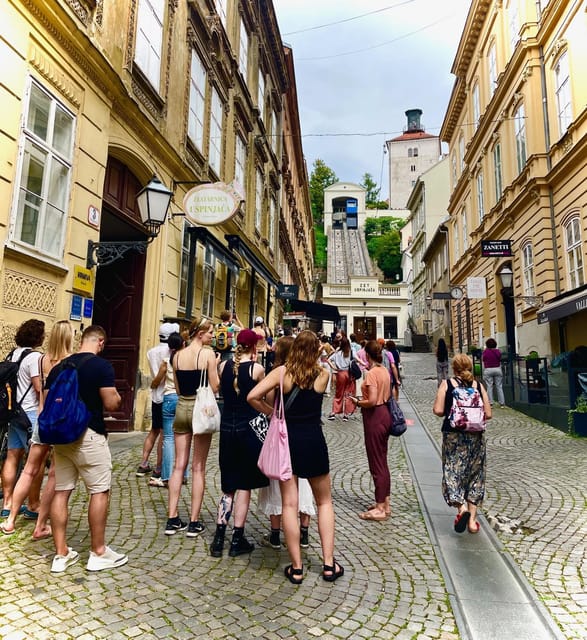
This tour is built for the first days in Zagreb. You get a workable sweep of the city’s top sights, but the value is in the why behind them—street-level history, architecture details, and stories that explain how Zagreb turned into Zagreb.
And the WW2 element is not just a trivia stop. Walking into the Grič Tunnel adds weight to everything you see above it. Once you’ve been under the city, the Upper Town feels less like a postcard and more like a place with survival and strategy baked into it.
It’s also priced for what you get. At $11 per person for about 150 minutes with a licensed local guide, the cost feels more like a ticket to clarity than a “tour tax.” I’d call it a smart spend if you want your Zagreb time to feel guided instead of random.
You can also read our reviews of more tours and experiences in Zagreb.
Starting in Zrinjevac Park: Where You Get Your Bearings
The meeting point is Trg Nikola Subić Zrinski 2, by the Meteorological station in Zrinjevac Park. This is a good start for a city-walk because you’re not dropped into traffic chaos right away. You begin in a calmer pocket, and your guide can set the story of Zagreb before you start climbing.
Expect a short photo stop and a guided intro. That matters more than it sounds. Within minutes, you’ll understand what you’re looking at when you hit Ban Jelačić Square, and you’ll know what the guide is going to connect later (especially when the route heads toward the Upper Town).
Practical tip: wear shoes that handle cobblestones and curves. Zagreb doesn’t do flat strolls for long.
Ban Jelačić Square to Zagreb Cathedral: The City Explains Itself
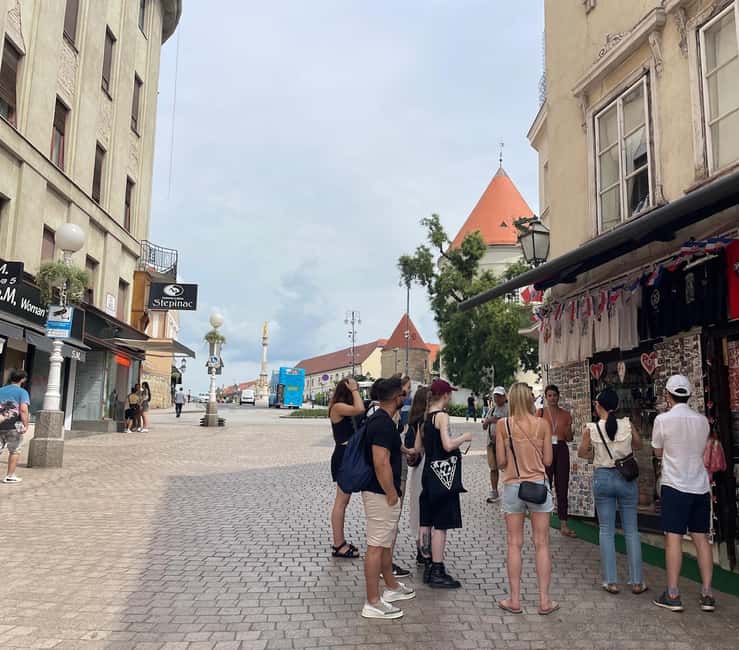
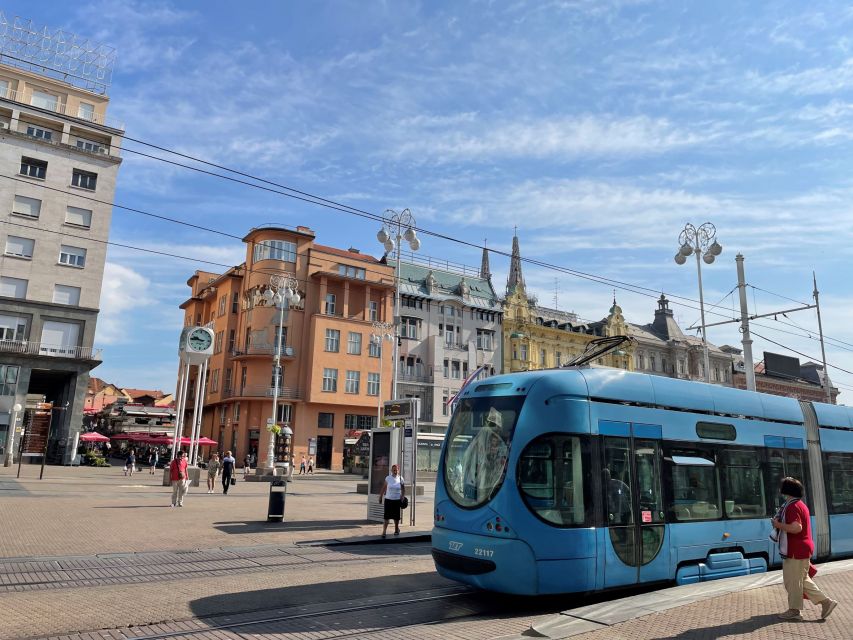
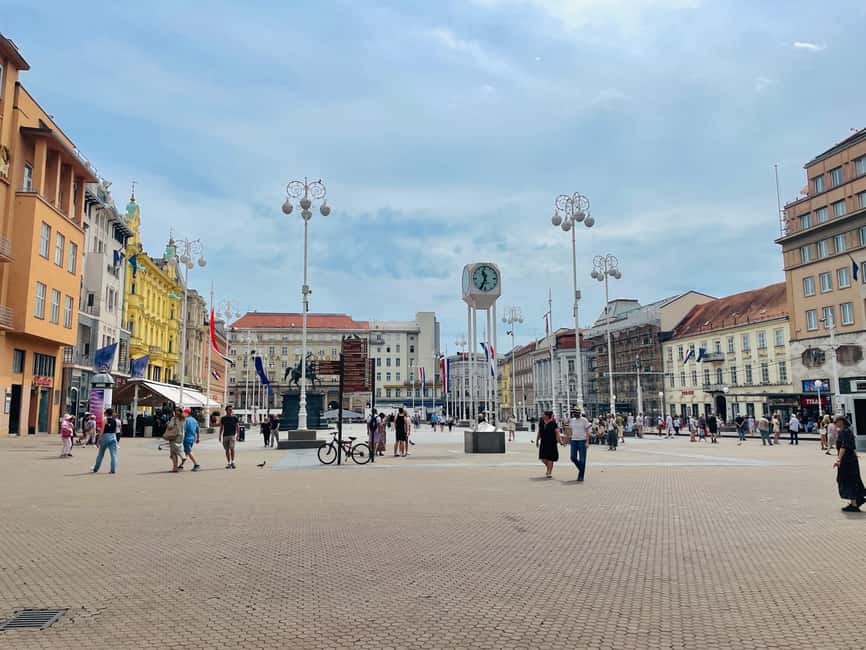
From Zrinjevac Park you head toward Ban Josip Jelačić Square, the bustling heart where your guide connects legends, origin stories, and how the city formed. You’ll take a photo stop here, but the real point is the narrative setup: you learn how Zagreb got its name and hear founding legends that help the rest of the walk click.
Then you move to the Cathedral of the Assumption of the Blessed Virgin Mary. This isn’t a quick drive-by look. The tour focuses on the cathedral’s origins and its turbulent history, along with the restorations it has gone through over the centuries. That gives you something many visitors miss: buildings in Zagreb often have layers of rebuilding, not just one clean “original.”
If you like understanding why a place looks the way it looks, you’ll appreciate how the guide ties architecture to events.
Small consideration: cathedral stops can involve standing around for photos and listening. If you’re sensitive to standing time, bring patience.
Dolac Market and Tkalčićeva Street: See How Locals Really Eat and Hang Out
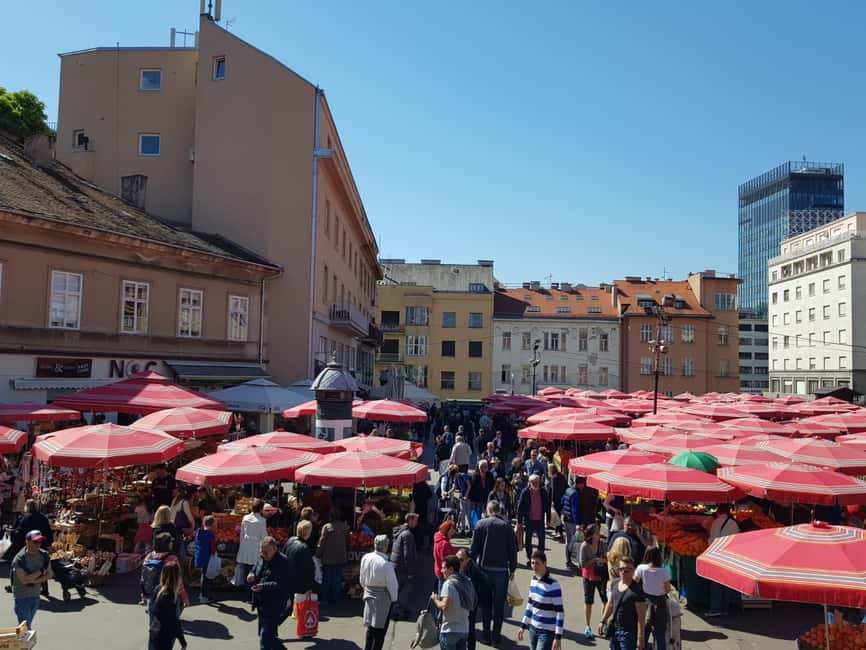
Next up is Dolac Market, often described as the belly of Zagreb. Here, you’ll get a guided look at the daily rhythm—fresh produce, street life, and the local habit of meeting up in the open air.
Two things to keep in mind. First, Dolac Market is closed in the afternoon and on public holidays, so your experience depends on the day and time. Second, since this is a walking tour, you’re likely seeing it in segments rather than browsing every stall like you’re on your own.
If your tour time doesn’t align, don’t panic. The guide still steers you toward the street life vibe and explains how the market fits into the broader city pattern.
After the market, you stroll through Tkalčićeva Street, known for its café culture. This is where the walk becomes more about Zagreb’s daily mood: lounging, chatting, and taking your time. I like that it’s included because it stops the tour from becoming only monuments and dates.
Grič Tunnel: A WWII Shelter Under the Upper Town
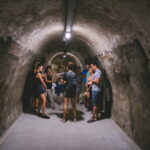
The tour’s most gripping stop is the WWII-era Grič Tunnel, an underground passage that once served as a wartime shelter. This is the moment where Zagreb shifts from “nice old city” to “history you can feel in your bones.”
There’s also a practical warning: the tunnel may be closed to visitors if an event is happening there, such as an exhibition or theatre show. If that happens, you won’t be able to enter the tunnel at all. So if the tunnel visit is your main reason for booking, I’d plan your expectations with flexibility.
When it is open, you’ll come out with a new understanding of why the Upper Town matters. You’ll see the city’s defenses and survival thinking in a way you just can’t get from photos.


Gradec, Strossmayer Promenade, and the Funicular You Might Not Ride
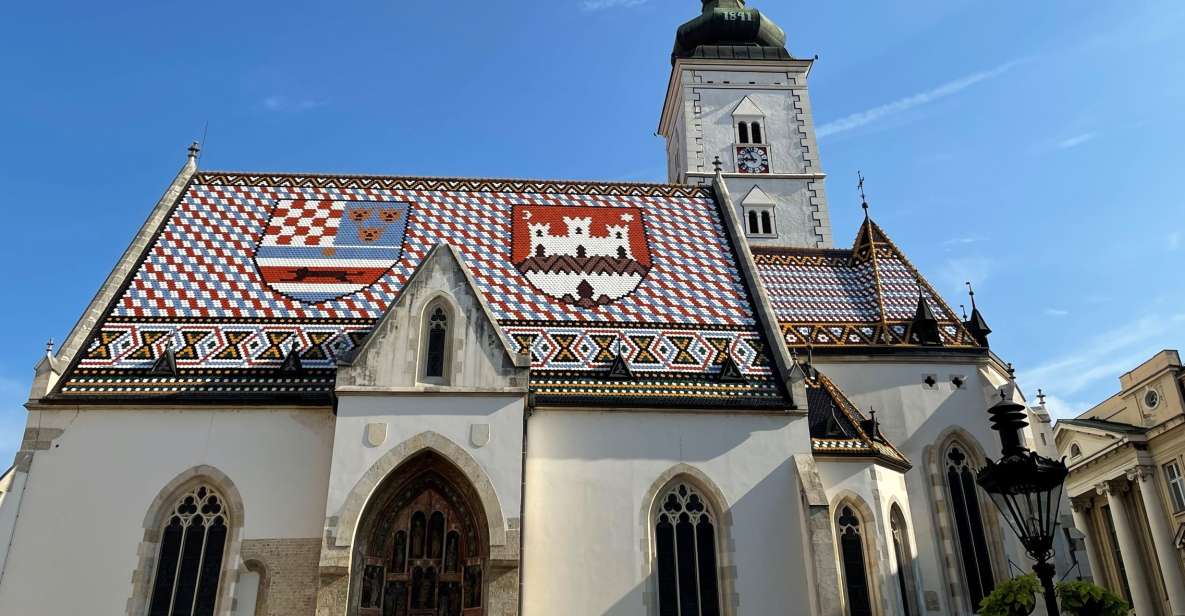
Now you climb into the Upper Town (Gradec), one of Zagreb’s original medieval settlements. The tour keeps it walking-friendly, with a scenic stretch along Strossmayer Promenade, a leafy terrace built for panoramas.
This section is also where the small-group advantage shows up. You can hear your guide without fighting noise, and you’re not stuck in a wall of people trying to see the same view.
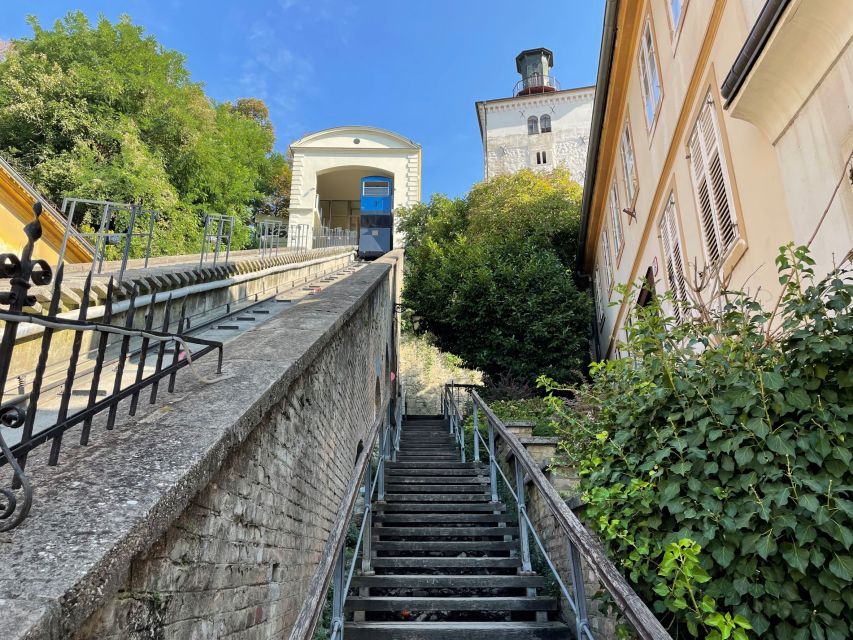
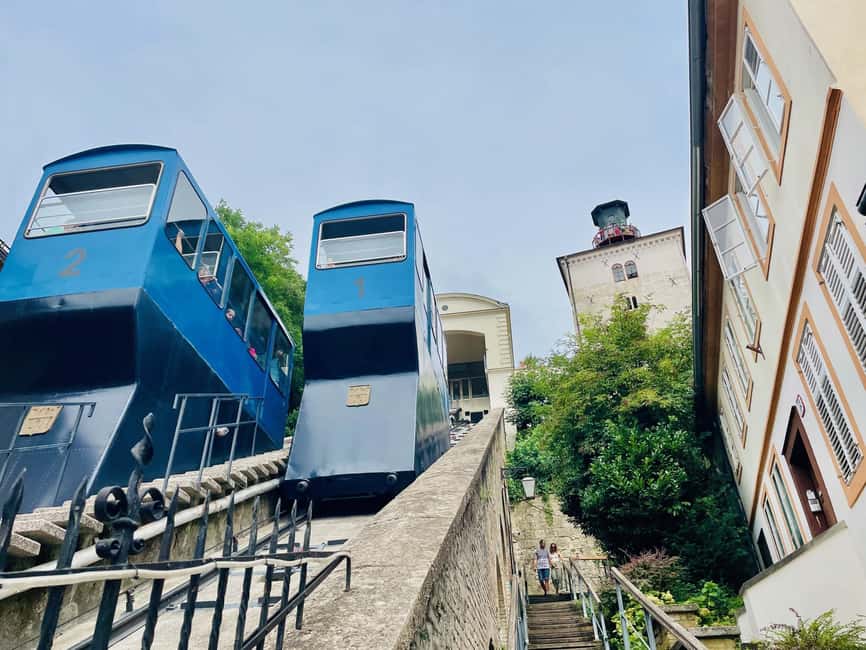
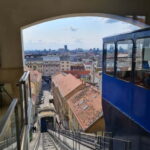
There’s a fun transport detail in the mix: the funicular is the city’s oldest public transport and offers skyline views over Zagreb’s rooftops. But it’s currently closed for renovation until March 2026, so you won’t be using it during your tour window. You’ll still get the context around it, which helps you understand why locals think it’s such an iconic way up.
Also keep an eye on shade and pacing. Reviews note guides adjust for hot conditions, and Strossmayer helps with that.
Lotrščak Tower, St Mark’s Church, and the Museum of Broken Relationships
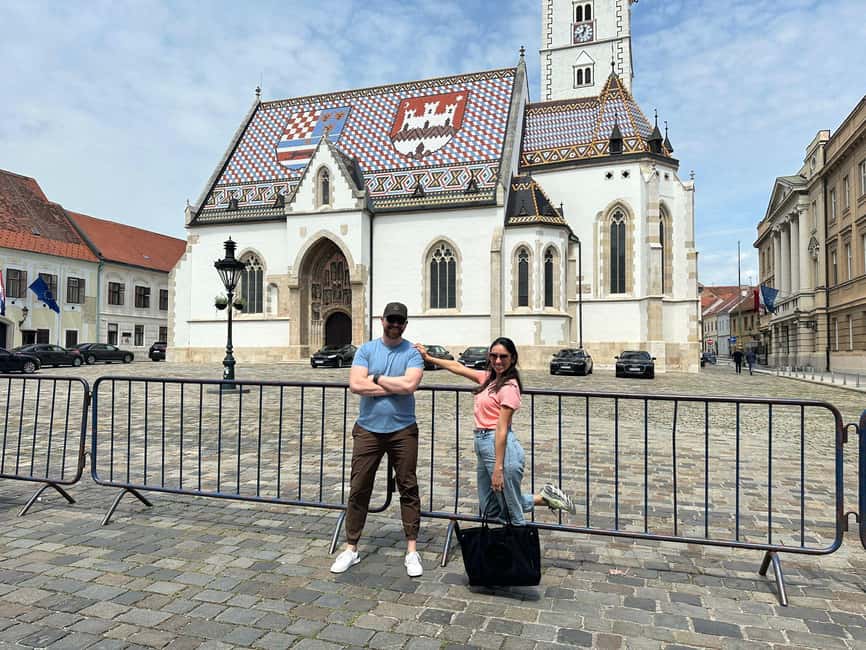
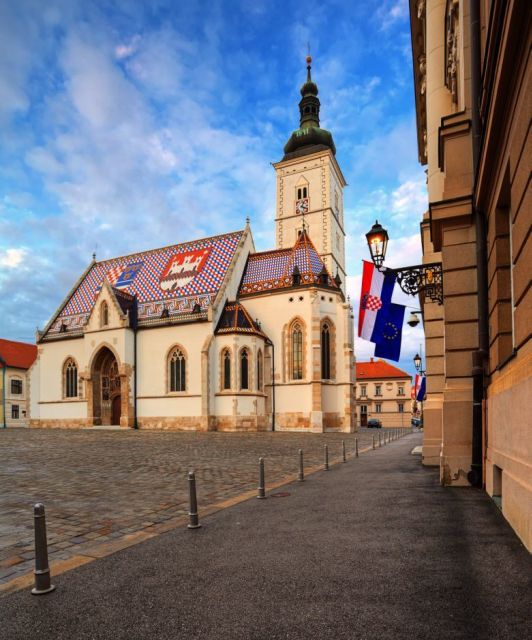
You’ll hit Lotrščak Tower, then continue toward St Mark’s Church and its famous colorful tiled roof. These stops are why Zagreb gets called postcard-worthy, but the guide adds the missing layer: what the tower and church represent in the city’s structure and storytelling.
A bonus angle you’ll want to ask about: your guide may time the route so you can catch the noon cannon linked to Lotrščak Tower. One group noted timing to that midday moment, which can turn a normal photo stop into a memorable city “event.” If your schedule allows, ask your guide before you start if your departure lines up with the cannon.
You’ll also pass by the Museum of Broken Relationships. This is a quick look rather than an inside visit, but it’s worth seeing from the outside because it matches Zagreb’s quirky, reflective side.
Then you continue to St Mark’s Square, where you can really spot the difference between Zagreb’s layers: medieval forms, later additions, and the city’s ongoing habit of preserving meaning.
Stone Gate and the Chapel of Our Lady: Old Fortifications With a Sacred Side
One of the most interesting parts of this tour is how it closes the loop between old city defenses and spiritual life. You’ll walk by the Stone Gate, the only surviving gate from Zagreb’s older fortifications.
Inside the Stone Gate, you’ll learn about a hidden chapel with a painting of Our Lady, described as miraculous and beloved by locals. Even if you’re not a hardcore church-history person, this stop tends to land well because it’s personal. It isn’t just a building; it’s a tradition attached to community belief.
Then there’s a short secret stop your guide includes away from the main tourist lines. The exact spot may vary by timing and route flow, but the intent stays the same: to give you something you might not stumble on alone.
Who This Zagreb Walking Tour Suits Best (and Who Should Skip It)
This tour fits you if you want:
- an efficient Zagreb highlights overview with real historical context
- a small-group experience where you can ask questions
- the standout Grič Tunnel stop
- a mix of monuments and daily-life streets like Dolac and Tkalčićeva
It may be a poor fit if:
- you’re wheelchair users (this one isn’t suitable)
- you’re expecting a food-focused tour (there’s no included food or drinks)
- you need a fully guaranteed tunnel visit (it can be closed for events)
Also, bring a rain plan. The route is walking-based, and while guides may adjust pacing, you still need to cover ground.
Cost and Value: Why $11 Makes Sense for Zagreb’s Top Sights
At $11 per person for about 150 minutes, you’re paying for two things: local interpretation and itinerary efficiency. Zagreb is navigable, but history and context aren’t. A guide turns “I saw a tower” into “I understand why this tower matters and how it relates to the rest of the city.”
And the mix is strong: you cover Upper Town views, iconic squares, the cathedral, plus an underground WWII site. Even without any food included, you’re effectively buying a guided framework that helps you plan the rest of your stay.
The best-value benefit is how the guides handle questions. Multiple recent groups praised guides like Petra and Tomislav for friendly, story-driven explanations and humour. That kind of interaction can save you hours of guesswork later.
Should You Book This Zagreb City & History Walk With WWII Tunnels?
Yes, if Zagreb is your first stop in Croatia or if you only have a short window to get oriented. The 2.5-hour length is long enough to feel like you learned something, but not so long that you’re stuck in “tour fatigue.”
Book it especially if the Grič Tunnel is on your must-do list. Just keep one thing in mind: access isn’t always guaranteed if events take over the tunnel, and Dolac Market can close on certain schedules.
If you’re the kind of traveler who likes streets, stories, and context more than checklists, this one tends to click fast. You’ll finish back around Ban Jelačić Square, and your guide will typically share ideas for what to do next—food, museums, or your next Zagreb day.
FAQ
How long is the Zagreb City & History Walking Tour with WW2 Tunnels?
The tour lasts 150 minutes (about 2.5 hours).
How much does the tour cost?
It costs $11 per person.
Where does the tour start?
The meeting point is Trg Nikola Subić Zrinski 2 (park Zrinjevac) next to the Meteorological station.
What language is the tour offered in?
The tour is conducted in English.
What is included in the price?
The tour includes a licensed local guide and the walking tour.
Are food and drinks included?
No. Food and drinks are not included.
Can I always visit the Grič Tunnel?
Not always. The WW2 Tunnel may be closed to visitors if there is an event like an exhibition or theatre show.
Is the Zagreb funicular open during the tour?
No. The funicular is closed for renovation until March 2026.
Is Dolac Market always open during the tour?
No. Dolac Market is closed in the afternoon and on public holidays.
Is the tour wheelchair accessible?
No. The tour is not suitable for wheelchair users.
Is there flexible cancellation or pay later?
Yes. You can cancel up to 24 hours in advance for a full refund, and the option to reserve now & pay later is available.
If you tell me your travel dates and whether you want a morning or afternoon start, I can help you plan around the Dolac Market hours and the tunnel access risk.