REVIEW · ZAGREB
Communism & Croatian Homeland War Tour
Book on Viator →Operated by Free Spirit Tours Zagreb · Bookable on Viator
Zagreb history goes underground. This guided walk connects street monuments to WWII air-raid tunnels and a multimedia presentation that links communism, Yugoslavia, and the 1990s Croatian Homeland War. I love how the tour uses real spaces you can stand in, not just posters. I also love the way the guides keep the story organized and clear, with maps and visuals that help it all make sense. One heads-up: this is serious, sometimes sad history, and if you want carefree sightseeing, the tone may feel heavy.
I also like that it’s built as a small-group experience (max 20) that stays focused. You’ll be walking Zagreb on foot, pausing often, and the guide’s job is to help you build a timeline as you move. Guides I saw praised by name include Ivana, Luka, Darko, and Diana, and they consistently get credit for good explanations, solid pacing, and handling questions.
At $47.16 for about 2 hours (some groups run close to 2.5), it’s not just a “quick chat.” You’re paying for context plus access to underground shelters and a multimedia wrap-up. Most stops don’t charge extra at the door, so the value comes from having someone stitch it together for you.
In This Review
- Key things to know before you go
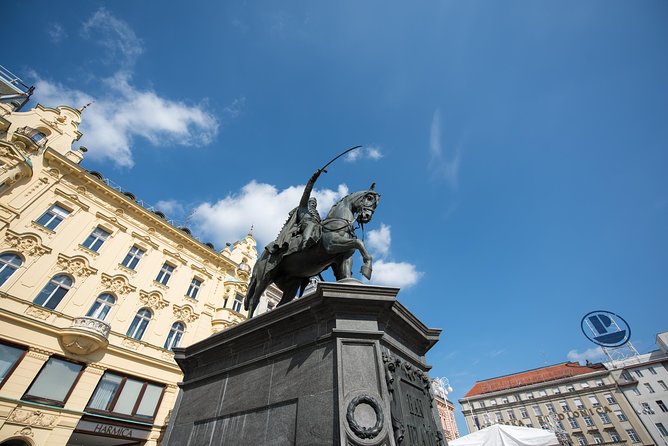
- Ban Josip Jelačić start: your timeline begins in the city center
- Tunel Gric: WWII shelter tunnels and the communist-life backdrop
- Kaptol’s basement shelter and the story of Yugoslavia’s fall
- The guides make it: maps, humor, and a fair framing
- Walking pace: how long it feels and how to handle the city heat
- Price and value: what you’re really paying for at $47.16
- Who should book—and who might want a different style of tour
- Should you book the Communism and Homeland War tour in Zagreb?
- FAQ
- How long is the Communism & Croatian Homeland War Tour?
- What does the tour cost?
- Where does the tour start?
- Where does the tour end?
- What language is the tour offered in?
- Do I get a mobile ticket?
- What are the main stops during the tour?
- Is there an admission fee for the tunnel and shelter stops?
- When does the tour meet each week?
- Can the tunnel visit be different during events?
- Is free cancellation available?
Key things to know before you go
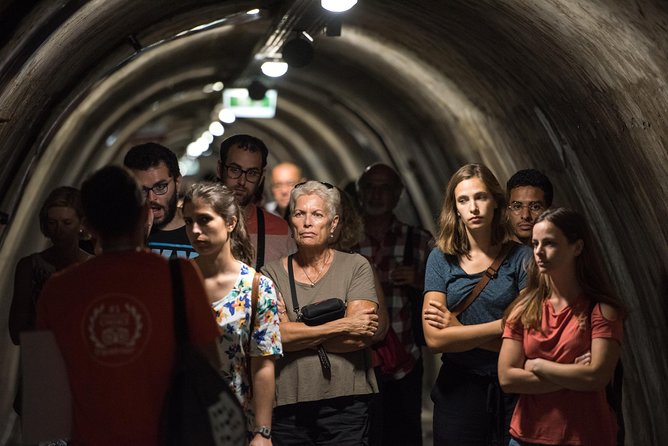
- Small group size (up to 20) keeps questions possible and the pace manageable
- WWII underground spaces give you physical context for bombings and shelter life
- Communist-era context helps explain how Yugoslavia-shaped Croatia felt on the ground
- Kaptol basement shelter + multimedia turns big political shifts into something you can picture
- Guides with strong materials use maps/photos and often add personal family stories
- Tunnel access can vary during public events and the Christmas Market
Ban Josip Jelačić start: your timeline begins in the city center
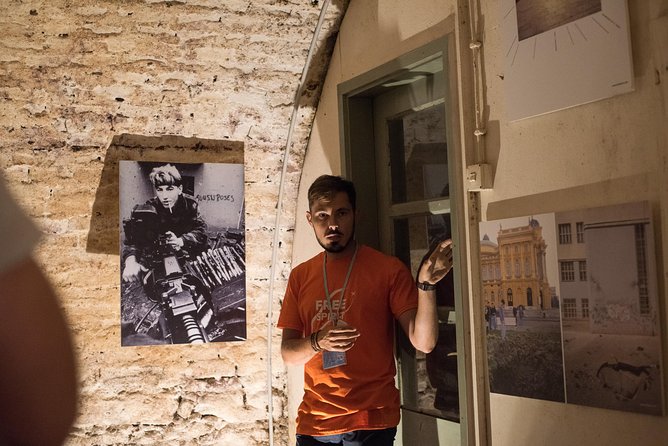
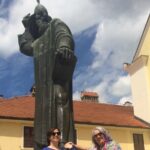
Most people start their Zagreb trip by scanning facades and cafés. This one starts with a single, very central point: the Ban Josip Jelačić Statue (Trg bana Josipa Jelačića 15). It’s a convenient meetup zone, and the tour is designed to get you oriented quickly—both in geography and in time.
You join at different times depending on the day: Mondays to Saturdays at 3pm, and Sundays at 11am. That matters because it shapes the light and the walking. Either way, you’ll likely spend about 30 minutes at the first stop, which gives the guide room to set the frame without dragging.
This first phase is where you get the “why should I care” answer. The guide ties the city layout and major landmarks to the story that comes next: modern Croatian politics didn’t appear out of nowhere. It grew out of earlier empires, world wars, and shifting borders. Even if you’re not a history person, it helps to hear the thread before you go underground.
You can also read our reviews of more tours and experiences in Zagreb.

Tunel Gric: WWII shelter tunnels and the communist-life backdrop
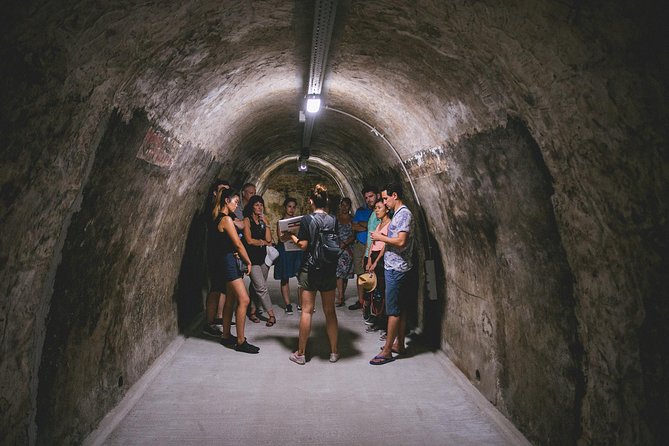
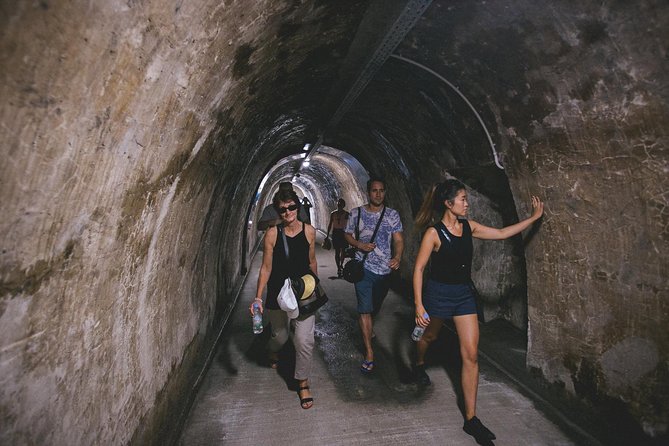
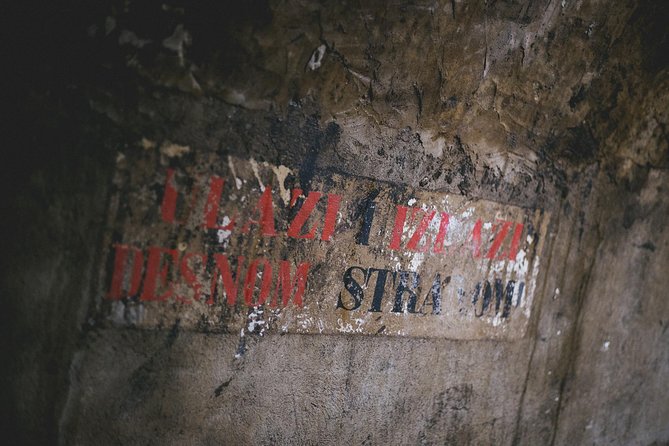
Then you move into the part people remember: Tunel Gric. This is where the tour stops feeling like a lecture and starts feeling like a place. You’ll visit the WWII underground tunnels, including areas described as a shelter used during air raids on Zagreb.
The practical benefit of touring a space like this is simple: it forces your brain to scale the story. Bombings aren’t just events in a textbook. You see the confinement, the function, and the way sheltering changes day-to-day life.
What I like here is the contrast the guide builds. After the WWII context, you don’t just jump forward. You also hear how communist-era life in Zagreb is understood through the same urban spaces—because governments and daily routines don’t float in air. They sit on top of infrastructure, scars, and memories.
One note to plan around: the tunnel visit is not included during public events in the tunnels and during the Christmas Market. If your trip overlaps those periods, your experience may change at the tunnel stage. I’d treat that as a normal scheduling reality for a site that sometimes hosts events.
Kaptol’s basement shelter and the story of Yugoslavia’s fall
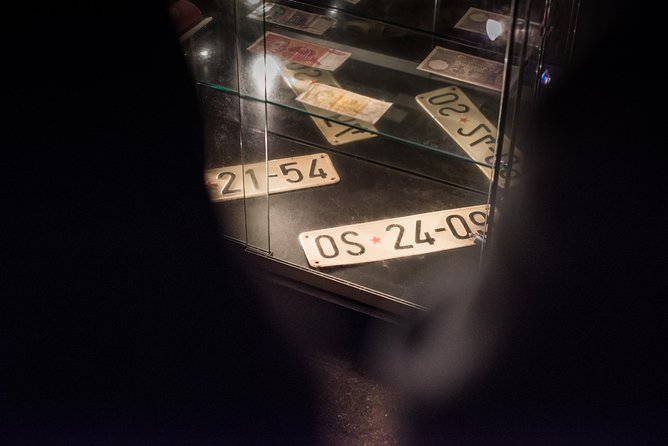
Next is Kaptol, and the tour keeps the intensity level steady. You’ll visit a basement used as a bombing shelter, then shift into the story with a multimedia exhibition focused on the fall of Yugoslavia.
This stop is important because it turns the narrative from war-time survival into political collapse—how a society moves from one system to another, and what that shift means for ordinary people. Multimedia works well in this setting, since you’re already surrounded by physical reminders of conflict. The visuals help you hold onto names, dates, and cause-and-effect without feeling lost.
At the same time, you’re not stuck watching screens the whole time. The guide’s job is to keep connecting what you see underground to what was happening above ground—why tensions rose, what broke, and how Croatia’s path changed through the 20th century.
The tour also includes a multimedia presentation about the Croatian Homeland War, and many groups end with a short video wrap-up (often described as around 20 minutes). It’s a sobering finish, but it helps close the loop so the story doesn’t feel like separate chapters.
The guides make it: maps, humor, and a fair framing
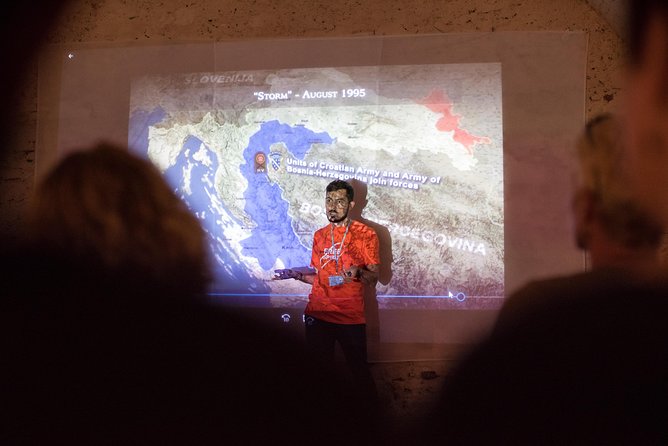
The strongest praise across the experience isn’t about the buildings. It’s about the teaching style. Guides such as Ivana, Luka, Darko, and Diana are repeatedly highlighted for being engaged, organized, and willing to explain fast and clearly.
I like that the guides don’t act like history is one simple lesson. The tone can be emotional—this is war history—but the delivery often leans on clarity and structure. You’ll typically get visual aids like maps and photos, and in some cases a guide provides prepared materials meant to help you follow along like a classroom handout.
Personal stories also show up. Some guides share family experiences to put a human shape on what happened. That can make the timeline more believable, because you remember the person, not just the event.
One thing I respect in this kind of tour is how they frame perspective. Several guides are praised for stressing that you’re seeing a Croatian viewpoint, then pointing you toward ways to learn other perspectives in the wider regional conflicts. It’s not “everything is balanced,” but it does avoid the trap of presenting one story as the only story.
Walking pace: how long it feels and how to handle the city heat
The tour is listed at about 2 hours, but it’s described by many participants as a “long-feeling” walk—closer to 2.5 hours in practice. That’s normal for history tours that require frequent stopping and explanation. Think of it as time spent building understanding, not racing between sites.
The group limit of 20 helps a lot. It keeps the walk from turning into a slow-moving herd and makes it easier for the guide to manage questions. The tour is also near public transportation, so you’re not forced into a complicated transit plan if you’re coming from elsewhere in the city.
On hot days, you’ll likely appreciate that the guide pulls the group into shade at points. One review noted the guide actively used shaded areas rather than keeping everyone out in full sun. Even if your day is mild, bring water and wear shoes you’d trust for a city walk.
For families: children must be accompanied by an adult, and the tour notes that most travelers can participate. If your group includes kids, you’ll want to judge their interest in heavier 20th-century topics. The tour isn’t framed as a children-only event, but it’s offered for broad participation.



Price and value: what you’re really paying for at $47.16
Let’s talk money. $47.16 per person for an approximately 2-hour guided experience can sound modest until you break down what’s included.
You’re getting:
- guidance from a certified local guide with 500+ tours experience
- a multimedia presentation about Croatia’s Homeland War
- WWII underground tunnels and authentic basement shelter spaces used during bombings
- mobile ticket access
- and each stop lists admission ticket as free for the points you visit
So the charge isn’t for gate fees. It’s for the guide’s ability to connect spaces, explain context, and give you a timeline you can carry into other stops you might make later in Zagreb. That’s why people rate it so highly: the tour doesn’t just show you places; it tells you what those places meant.
In plain terms, I think the value is strongest if you want more than “I saw tunnels.” If you want the story behind them, this is the kind of guided route that turns a visit into something you remember.
Who should book—and who might want a different style of tour
You’ll likely love this tour if:
- you want modern Balkan history explained in a structured way
- you’re curious about how Yugoslavia’s era and Croatia’s wars connect
- you prefer learning from real locations rather than only museums
- you’re okay with a serious, sometimes sad subject tone
You might skip it (or pick a lighter option) if you’re visiting Zagreb mainly for architecture, food, or casual sightseeing and don’t want heavy political history. Even when guides are funny and engaging, the content centers on wars, collapse, and survival.
Another fit question: do you enjoy questions and answers? Several guides are praised for handling questions well, which suggests interactive pacing rather than a one-way monologue.
Should you book the Communism and Homeland War tour in Zagreb?
Yes, if your goal is to understand what shaped Croatia in the 20th century—and to connect that history to locations you can physically visit. The best reason to book is that the tour uses underground spaces (WWII tunnels and bombing-shelter basements) plus multimedia to make big political events feel grounded.
No, if you want a light walk with minimal emotional weight. This is history with real human cost, and the story is designed to land that way.
If you do book, come prepared to listen closely. Wear comfortable shoes, bring water, and give yourself the full time even if it runs a little longer than you expected. And if your dates overlap the Christmas Market or other public tunnel events, check your schedule—because tunnel access can be adjusted.
Overall, I think this is one of the most useful ways to make Zagreb feel like it belongs to modern European history, not just postcards.
FAQ
How long is the Communism & Croatian Homeland War Tour?
It’s listed at about 2 hours.
What does the tour cost?
The price is $47.16 per person.
Where does the tour start?
It starts at the Ban Josip Jelačić Statue at Trg bana Josipa Jelačića 15, 10000, Zagreb, Croatia.
Where does the tour end?
It ends back at the meeting point.
What language is the tour offered in?
The tour is offered in English.
Do I get a mobile ticket?
Yes, it includes a mobile ticket.
What are the main stops during the tour?
You’ll visit Ban Josip Jelačić monument, Tunel Gric, and Kaptol.
Is there an admission fee for the tunnel and shelter stops?
The information provided lists admission ticket as free for the tour stops.
When does the tour meet each week?
Monday through Saturday it meets at 3pm, and on Sundays it meets at 11am.
Can the tunnel visit be different during events?
Yes. The tunnels are noted as not included during public events in the tunnels and during the Christmas Market.
Is free cancellation available?
Yes. You can cancel up to 24 hours in advance for a full refund.