REVIEW · ZAGREB
Classic Zagreb Bike Tour
Book on Viator →Operated by Bike Tours Zagreb · Bookable on Viator
Zagreb looks different from a bike. In this 3-hour small-group ride, you cover the big landmarks fast, with stops for a coffee or ice-cream break and your guide keeping the route moving. I especially like the coffee/drink or ice-cream stop that turns the tour into a real pause, and the way the guide connects the dots between places like the Cathedral area, Dolac Market, and the Upper Town. One thing to watch for: a few reviews mention bikes and helmets that weren’t always in the best shape, so it’s smart to do a quick check before you roll.
You’ll start at Jurišićeva ul. 19, roll through downtown streets and squares, then climb your way toward the Upper Town highlights. Most of the stops are free to enter, which makes the outing feel like great value for the time you spend moving and learning. The pace is meant to be manageable for typical riders, but there’s cobblestone and some busy crossing of pedestrian areas, so confidence on a city bike helps.
In This Review
- Quick take before you pedal
- Zagreb in 3 hours: what this bike tour really gives you
- Starting at Jurišićeva: the setup that matters on a city ride
- Cathedral to Stone Gate: Kaptol’s landmarks and the story behind them
- Dolac Market and Tkalčićeva: the pulse of everyday Zagreb
- Bloody Bridge and the Gradec–Kaptol divide
- St. Mark’s Church, the Funicular, and Upper Town views
- Croatian National Theatre and Tomislav Square: language, power, and identity
- Zrinjevac and planning your next Zagreb walk
- Price and included value: what you get for $54.44
- Pace, safety, and bike fit: read this before you book
- Guide energy: what to expect from the people leading the ride
- Who this bike tour suits best (and who should choose something else)
- Should you book the Classic Zagreb Bike Tour?
- FAQ
- How long is the Classic Zagreb Bike Tour?
- What does it cost and what’s included?
- Is the tour in English?
- Are admission tickets included?
- How big is the group?
- Where do I meet the tour?
- Can I cancel for a refund?
Quick take before you pedal
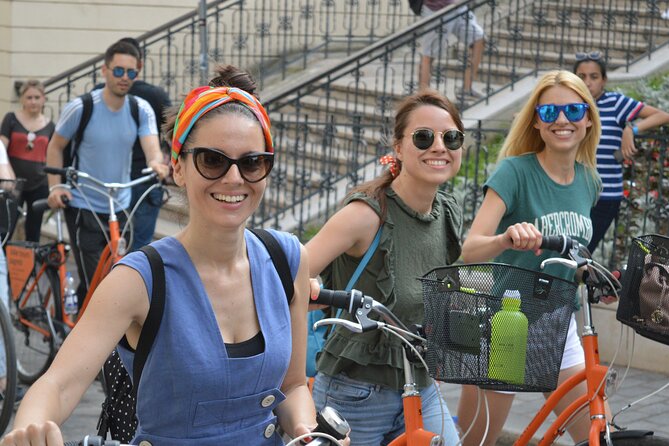
- Small group (max 12) means fewer bottlenecks and more back-and-forth questions
- Photo included so you don’t leave with just blurry selfies
- Coffee, refreshing drink, or ice-cream stop keeps energy up without rushing
- Most stops are free, with only the Funicular requiring a separate ticket
- Guide-led route and commentary helps you read Zagreb instead of just passing it
Zagreb in 3 hours: what this bike tour really gives you
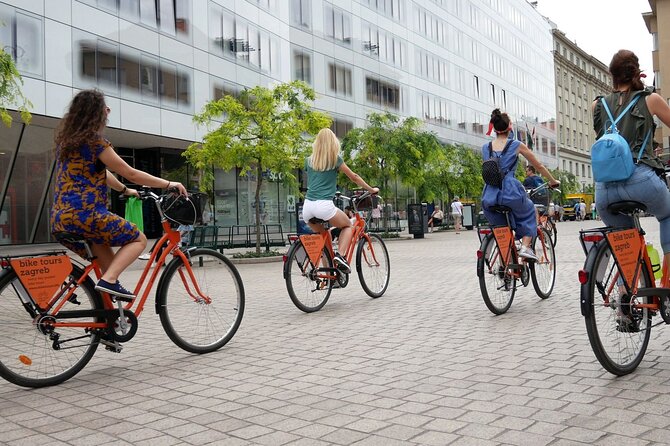
This is the kind of tour that works when you want a strong orientation on day one or two. You’re not doing a long endurance ride; you’re doing a tight circuit through central Zagreb, with frequent short stops to look closely and hear the stories that explain why each place matters.
At about three hours total, it’s long enough to feel like you covered the city’s main “shape,” but short enough that you won’t be wiped out for dinner plans. The bike-and-stop rhythm is also handy in Zagreb, where trams, pedestrians, and narrow streets can make wandering on foot take longer than you expect.
The big idea is simple: cycle to the highlights, pause at the meaningful ones, then keep rolling. That’s why a bike tour can beat a walking tour for efficiency here, especially if you’re mixing “must-sees” with practical breaks.
You can also read our reviews of more tours and experiences in Zagreb.
Starting at Jurišićeva: the setup that matters on a city ride
Your meet point is Jurišićeva ul. 19 (Zagreb 10000). It’s the kind of start location that makes sense if you’re also moving around the city by public transport, since you’re not stuck in the middle of nowhere before you even begin.
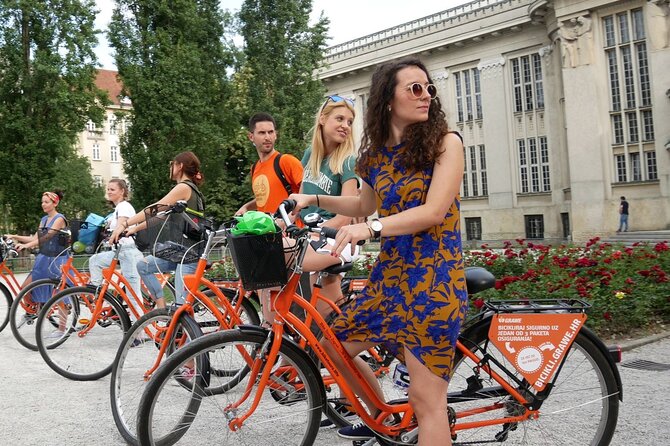
Helmets are included, and you’ll get a bicycle for the ride. A local guide leads in English, and you’ll receive a mobile ticket. That combination is useful because it reduces friction: you’re not hunting for paperwork, and you can focus on the ride.
One practical tip: treat the first five minutes like a checklist. Even with a good guide and a well-run operation, city biking depends on your personal comfort. Make sure your seat feels right, take a moment to test how your bike brakes, and confirm the helmet fits snugly. If anything feels off, say something immediately before the group gets too deep into the route.
Cathedral to Stone Gate: Kaptol’s landmarks and the story behind them
The tour begins near Zagreb’s cathedral area, and it’s a smart opener because it anchors the entire city’s timeline. You’ll pause at the Cathedral of Zagreb, tied to 1093, when the Hungarian king Ladislav founded the Diocese of Zagreb in what’s now the Kaptol area. The short stop format is perfect here: you get the key dates and significance without turning the morning into a museum marathon.
From there, you head toward Petrini Pyli, the Stone Gate area. This stop is especially good for anyone who likes religious landmarks that also function as city symbols. The Stone Gate is linked to the shrine of Our Lady of the Stone Gate, who is described as the patron saint of Zagreb for centuries. It’s the kind of detail you’d miss if you only glanced at the facade and kept moving.
If you like architecture but don’t want to plan an entire afternoon of churches, these quick pauses give you the “why” behind the buildings, not just what you can see from the sidewalk.
Dolac Market and Tkalčićeva: the pulse of everyday Zagreb
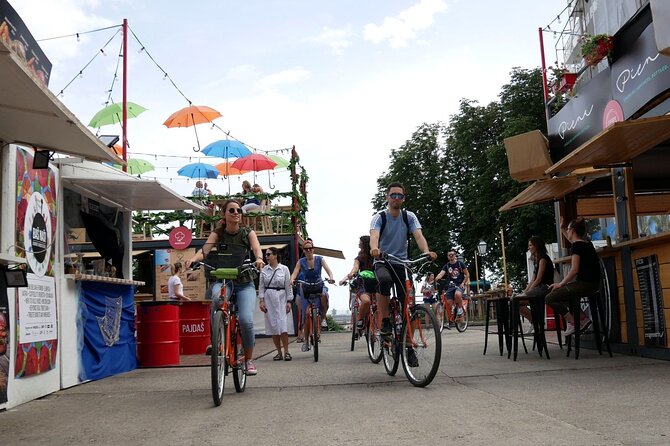
Dolac Market is the city’s food heartbeat, described as the belly of Zagreb and the largest farmers market in the city. The stop is short, but it’s timed well: you get a chance to notice what people actually shop for and how the market fits into daily life, not just as a tourist snapshot.
Then you roll into Tkalčićeva Street, the downtown street with a past that’s compared to the Amsterdam Red Light District from the late 1800s into the 1930s. Today it’s described as the main tourist and nightlife street in central Zagreb. That contrast is one of my favorite things about this tour: it doesn’t treat the city like a static postcard. You see how the same street can shift roles over time.
Practical note: streets like this can mean more pedestrians and more last-second decisions on where you ride. If you’re the type who gets anxious around crowds, slow down mentally and trust the group rhythm. Your guide’s job here is navigation and commentary, and the best guides keep the pace steady so the group doesn’t splinter.
Bloody Bridge and the Gradec–Kaptol divide
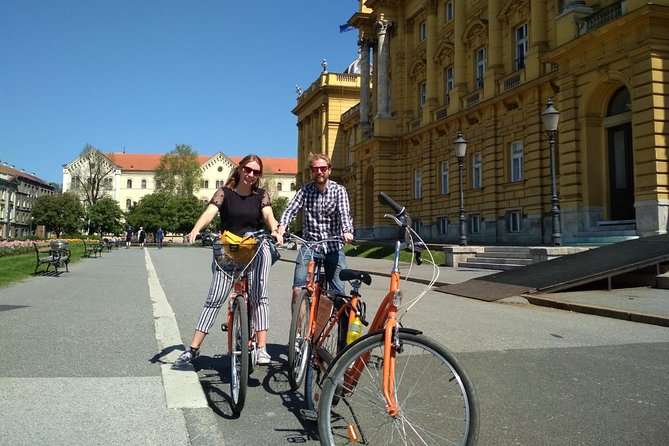
One of the most memorable stops is Krvavi Most, the Bloody Bridge. The name isn’t just colorful branding. It’s tied to the border between Gradec and Kaptol across the Medveščak stream, marked by frequent clashes between residents of the two areas.
This is one of those moments where the guide’s storytelling does real work. The city becomes less “locations on a map” and more “places with history and rivalry.” Even if your stop is only about ten minutes, the context helps you understand why Zagreb’s geography feels meaningful.
If you like local character, this stop is worth paying attention to. It’s the kind of detail that makes your later conversations in Zagreb much easier, because you’ll have more than generic facts in your pocket.


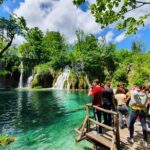
St. Mark’s Church, the Funicular, and Upper Town views
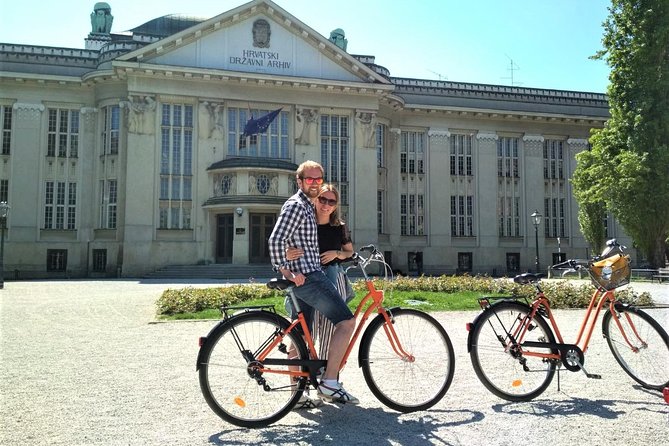
St. Mark’s Church is next on the Upper Town side of the route, and it’s framed as one of Zagreb’s oldest buildings and key symbols. You’ll also hear that it’s mentioned in the 1334 Kaptol Statute, which gives the stop a date anchor without making the tour heavy.
Then comes the Funicular Railway, used to reach the Upper Town. It’s described as the oldest public transport for passengers in Zagreb, created in 1892. The key detail for your planning: the Funicular ticket is not included, so budget for it separately if it’s in your must-do list. The upside is that the tour still makes it easy to fit in one of Zagreb’s signature transport options.
The ride itself is about more than transit. It’s a change of perspective. When you move up, the city reads differently, and the tour stops start feeling more panoramic, even if you’re only pausing briefly at each point.
Croatian National Theatre and Tomislav Square: language, power, and identity
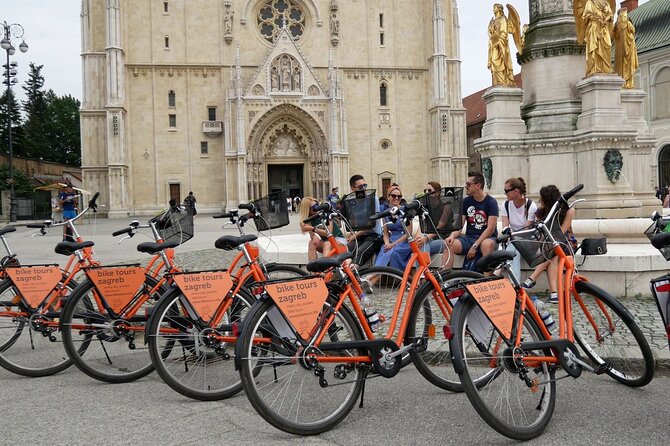
You’ll also stop at Teatre Nacional Croata, the Croatian National Theatre. It’s described as founded in 1860 and connected to the Illyrians’ long push for a Croatian-language theatre. One name you’ll hear here is Dimitri Demeter, mentioned as a person tied to the decades-long aspiration for a Croatian theater in the Croatian people’s language.
That’s a fascinating angle because it’s not just “look at a building.” It’s about identity and what a city invests in culturally. If you’ve ever wondered why some cities put so much emphasis on language and institutions, this stop gives you a clean answer in a short span.
From there, you’ll pause at King Tomislav Square. The tour ties the area to the first Croatian king, Tomislav, dated 925–928. It also notes that before that kingship, he ruled a Croatian principality. It’s a quick stop, but it helps connect Zagreb’s modern look to the deeper political roots people associate with the area.
Zrinjevac and planning your next Zagreb walk
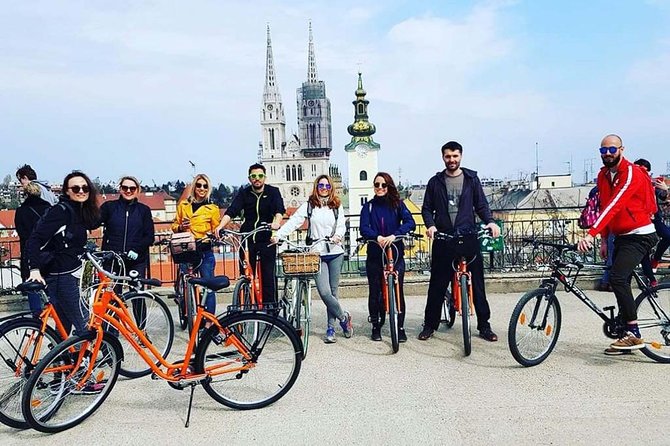
Zrinjevac is a park space and square area, and the tour explains that an urban plan was adopted in 1876 to design the lower city, merging lower city squares into a single framework. That planning detail matters because it changes how you experience what you see next. Instead of treating the squares as random, you start noticing how Zagreb tried to shape movement and civic space.
This is also a good point for you to think about what you’ll do after the tour. You’ll have a mental map of the city’s layers: older core areas, the market and downtown spine, and the Upper Town perspective. That means your next walk can be smarter, not just longer.
Price and included value: what you get for $54.44
At about $54.44 per person, this tour feels priced like a practical city orientation. Here’s what’s included based on the tour details:
- bicycle and helmet
- local guide in English
- coffee, refreshing drink, or ice-cream during the break
- a photo from the tour
Also, most of the specific sightseeing stops you make are described as free to enter. The standout non-free element is the Funicular Railway ticket.
When you compare that to the cost of paying for transit, piecing together a route yourself, and figuring out what to prioritize, the included structure becomes the real value. You’re paying for time saved and for someone else to connect the stories.
One more value point: small group size (maximum 12). That can matter more than people expect, because it reduces the chance of feeling like a number in a crowd.
Pace, safety, and bike fit: read this before you book
Here’s the balanced truth. The majority of feedback is strongly positive about the experience and the guide. Many people describe the ride as easy, relaxed, and not too strenuous. Some even mention it as a first bike tour in Croatia, with an easy pace and time to enjoy the scenery.
But a few issues show up in the feedback you provided:
- some comments mention bikes that weren’t as current or were in disrepair
- some mention helmets that were in poor condition
- one person flagged poor road safety focus and keeping the group together
- another noted cobblestone and busy maneuvering through crowds
- one reviewer mentioned a steeper hill where it was easy to hop off and walk the bike up
So here’s what you should do. Before departure, check your bike quickly:
- test both brakes
- make sure you have stable handling at slow speeds
- adjust the seat if needed
- ask for a different bike if you need a smaller frame (one comment specifically mentioned no small bikes for short riders)
Also, if you’re not a frequent city cyclist, know that Zagreb’s center includes cobblestones and busy pedestrian zones. You don’t need to be a racer. You just need comfort riding at low speeds and stopping often.
Guide energy: what to expect from the people leading the ride
The strongest praise in the feedback points to guide style: people describe friendly, funny storytelling, clear historical context, and genuine attention to questions. Names that show up include Iva, Eva, Filip, and Sandro, plus variations of Filip spelling in the comments.
What that means for you: this tour isn’t just a route with facts. It’s meant to feel like a guided conversation while you move. If you like asking questions, this kind of format tends to reward you. You’ll get practical suggestions for where to eat and what to try in Zagreb, not only a history lecture.
It also matters that the guide provides navigation. Zagreb can be confusing on your own, and you don’t want to spend your energy figuring out turns.
Who this bike tour suits best (and who should choose something else)
I think this tour is a great fit if you:
- want a fast overview of central Zagreb without the fatigue of a long walking plan
- enjoy short stops where you can see and learn in layers
- like markets and street life as much as landmarks
- are visiting for the first time and want a map in your head by the end
It may be less ideal if you:
- are very sensitive about bike condition and want brand-new gear
- feel nervous cycling around pedestrians and trams
- have limited tolerance for cobblestones or you know you need more support on hills
If you’re traveling with kids, one review mentioned it worked well for three 10-year-olds, including one steeper hill that was easy to walk up with the bike. So families can work, as long as your children ride confidently.
Should you book the Classic Zagreb Bike Tour?
If you want a smart first taste of Zagreb’s main highlights in a short time, I’d book this. The combination of a small group, an included break (coffee, drink, or ice-cream), and mostly free sightseeing stops makes the value feel real, not gimmicky. The fun part is how the guide ties the “why” to places like the Cathedral area, Dolac Market, Bloody Bridge, and the Upper Town move via the Funicular.
If your top priority is brand-new bikes and perfectly maintained helmets, I’d still consider booking, but go in prepared to do a quick bike and helmet check before you roll. That one step protects your comfort and peace of mind.
If that sounds reasonable, this is the kind of Zagreb activity that helps the rest of your trip fall into place.
FAQ
How long is the Classic Zagreb Bike Tour?
It runs for about 3 hours.
What does it cost and what’s included?
The price is $54.44 per person. Included are the bicycle and helmet, a local guide (English), a coffee or refreshing drink or ice-cream break, and a photo from the tour.
Is the tour in English?
Yes, the tour is offered in English.
Are admission tickets included?
Most of the stops listed are free to enter. The Funicular Railway ticket is not included.
How big is the group?
The tour has a maximum of 12 travelers.
Where do I meet the tour?
You meet at Jurišićeva ul. 19, 10000, Zagreb, Croatia, and the tour ends back at the meeting point.
Can I cancel for a refund?
Yes. Free cancellation is available up to 24 hours in advance for a full refund, based on local time.