REVIEW · ZAGREB
Zagreb: Skip-the-Ticket-Line Museum of Broken Relationships
Book on GetYourGuide →Operated by Mbr kolektiv d.o.o. · Bookable on GetYourGuide
Zagreb has a heartbreak museum unlike any other. The Museum of Broken Relationships uses everyday objects tied to anonymous stories so you can see love and loss from all over the world in one compact stop.
I really love how the skip-the-line approach keeps the start stress-free, and how the collection feels personal even when names are left out. I also like that staff are there to help you make sense of what you’re seeing, and a guide named Diana has been noted for answering questions in a friendly, clear way.
One possible drawback: it’s small and text-heavy, so if you skim or hate reading, you may feel it passes too quickly (and the emotional tone might not be your thing).
In This Review
- Key things to know before you go
- Why the Museum of Broken Relationships is different from other Zagreb museums
- Skip-the-line tickets: how the small-group visit actually feels
- Your walk through the collection: objects, captions, and story flow
- The heartbreak spectrum: romantic, family, and everyday love
- Expect the emotions: funny, sad, and sometimes both
- How long to plan and when to go: last entrance times
- Rules inside: what you can bring and what you can’t
- Price and value: what $8 gets you in Zagreb
- Small-group tips that make the visit easier
- Who should come, and who might prefer something else
- Should you book these skip-the-line tickets?
- FAQ
- How long does the Museum of Broken Relationships take?
- Is it wheelchair accessible?
- What languages are available for captions?
- Are food and drinks allowed inside?
- Are large bags or luggage allowed?
- What time is the last entrance?
- Is free cancellation available?
Key things to know before you go
- 100-ish donated stories tied to objects, with personal details shared anonymously
- Skip-the-line entry with a small group (10 max) flow
- The museum leans funny and sad side by side, not just tragic
- Expect slow attention: the point is reading the captions
- Croatian and English captions are standard, with other languages via QR/booklets
- There’s a café/bar on site (coffee or cocktail), but you won’t have food or drinks in the exhibit area
Why the Museum of Broken Relationships is different from other Zagreb museums
Most museums explain history or art with distance. This one does the opposite. The Museum of Broken Relationships turns breakup aftermath into a physical, walkable experience by pairing objects with short stories that focus on feelings, not spectacle.
You’ll see that the collection isn’t limited to romantic breakups. The museum’s whole idea is that love and heartache show up in many forms: romantic, family, friendships, and the messy in-between. That matters, because it keeps the stories relatable even if you never lived through the exact scenario on display.
Also, the tone is human. You’re not being preached at, and you’re not watching heartbreak from far away. It’s more like you’re stepping into other people’s private mailboxes—then taking your own emotions seriously, whether they’re tender, angry, or somehow funny.
You can also read our reviews of more tours and experiences in Zagreb.



Skip-the-line tickets: how the small-group visit actually feels
This experience is built for an easy arrival. With skip-the-line tickets, you get fast entry and can start reading sooner, which is a big deal in a small museum where timing can feel tight.
The visit runs with a limited group size (10 participants). That helps the flow inside: you’re less likely to get stuck behind someone while you’re trying to read each label closely. It also keeps the visit from turning into a race, which is key here—this isn’t the kind of place you speed through.
If you want to spend time on the parts that hit you, the small-group setup gives you breathing room. And if you prefer a quick look, you still can. The museum doesn’t force you to stay longer than you want, because the whole space is compact.
Your walk through the collection: objects, captions, and story flow
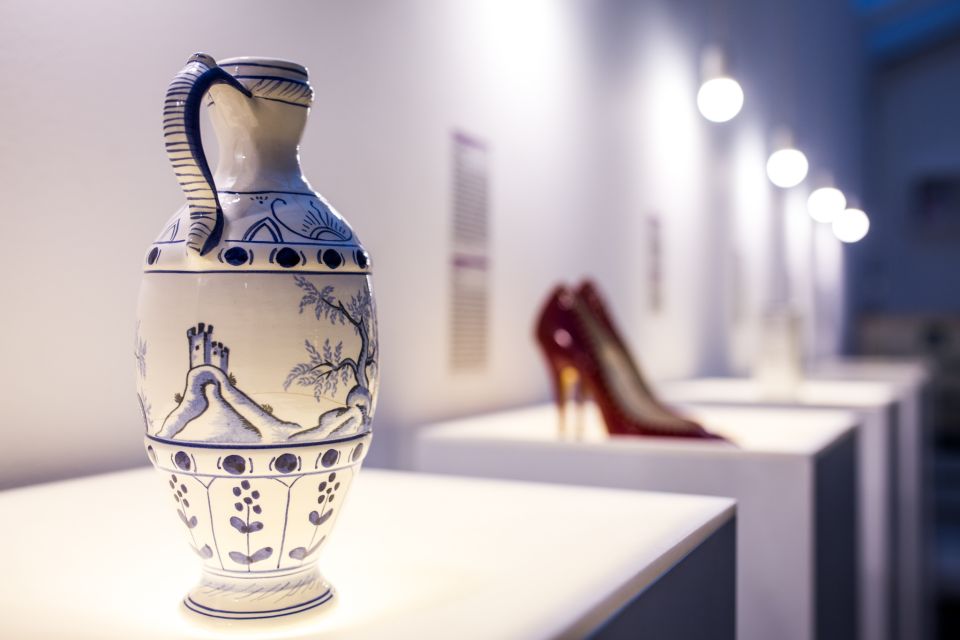
The museum’s core format is simple: an object comes first, then the story behind it. That’s what makes it work. Everyday items—kept, lost, saved, or donated—become a kind of emotional artifact. You’re reading what those objects mean, not just what they are.
Plan on reading most (or all) of the captions. The difference between a good visit and a memorable one is usually how closely you read. Many people recommend doing exactly that: slow down for the text, because the writing is part of the artwork.
The museum includes captions in Croatian and English. If you need another language, you can use QR codes or booklets. That setup is practical: you can get the meaning quickly without waiting for someone to translate out loud.
As you move through, the museum creates a rhythm. Some stories land with sadness. Others land with humor. Several visitors mention that the emotional mix can even feel unexpectedly uplifting at times. It’s not one-note grief—it’s the whole mess of living after love changes.
The heartbreak spectrum: romantic, family, and everyday love
Even though the name points to breakups, the collection is broader than you might expect. The museum includes stories that connect to parents and grandparents, plus friendships and other close bonds.
That variety is useful because it gives you more entry points. If you’re there for relationship drama, you’ll find plenty. But if your heartache has nothing to do with dating, you’ll still recognize yourself in the way people write about change, distance, misunderstanding, or closure.
The stories are also anonymous, which is important. It keeps the focus on what happened and what it felt like, rather than on who the person is. That anonymity makes the museum feel safer and more universal—like everyone is sharing without asking you to judge.
And because the objects are personal but not posed for attention, the museum reads like real life. People donate items as a form of closure, and you’re walking through that shared attempt to make sense of what ended.
Expect the emotions: funny, sad, and sometimes both
This museum can make you teary. It can also make you laugh. That mix shows up again and again: some displays are funny in a dry, realistic way, while others are disturbing or heavy in a quiet, personal way.
The emotional swing is part of the point. Heartbreak isn’t one emotion—it’s dozens of small reactions that stack up: resentment, relief, denial, tenderness, longing, acceptance. When you see that range, it’s harder to feel alone in it.
If you’re coming in expecting only tragedy, you might be surprised. If you’re coming in thinking it will be purely silly, you’ll likely hit some very sincere moments. Either way, be prepared for the museum to treat love and loss with real respect.
A practical tip: if you want the best balance, don’t rush the first third. Start slow, let your brain adjust to reading, then decide where you want to spend more time on the stories that catch you.






How long to plan and when to go: last entrance times
You can treat the Museum of Broken Relationships as a half-day micro-stop. It’s small, so many people finish in about 30 to 90 minutes, depending on how thoroughly you read.
If you want a relaxed pace with time to reread the labels that hit you, plan closer to the longer end. If you read quickly and skip a few, you’ll likely finish sooner.
Timing matters because of last entrance rules. During summer/fall (June 1 to Sept 30), the last entrance is 7:30 PM. During winter/spring (Oct 1 to May 31), the last entrance is 8:30 PM.
So aim to arrive at least an hour before closing, especially if you’re the kind of person who reads carefully. It’s not a factory line; it’s a guided feeling, one story at a time.
Rules inside: what you can bring and what you can’t
The museum has straightforward house rules that keep the exhibit area uncluttered.
- No food and drinks in the exhibit area
- No luggage or large bags
So travel light for this stop. Even if you’re just doing a small day bag, you’ll want to be ready to store larger items elsewhere before you enter.
Good news: the museum is wheelchair accessible, so mobility shouldn’t be a barrier for many visitors.
Language-wise, you’ll be fine. Captions are in Croatian and English, with additional language support through QR codes or booklets.
Price and value: what $8 gets you in Zagreb
At about $8 per person, this is a low-cost experience with high emotional impact. You’re not buying a souvenir shop moment; you’re paying for access to a carefully arranged space where each object comes with a story.
The value comes from three things:
- Reading time: the experience is mostly the captions, so you get a lot of meaningful minutes per dollar.
- Quality of attention: the museum doesn’t rely on tech or staging. It relies on writing and objects, which keeps the focus on you.
- Replay in your head: even after you leave, you’ll likely remember specific details longer than you expect.
That said, $8 might feel like too much if you strongly dislike reading or if you need a hands-on, interactive museum. For most people, though, it hits a sweet spot: short enough to fit a day, unusual enough to feel worth it.
Small-group tips that make the visit easier
If you want your museum time to go smoothly, do these simple things:
- Wear comfortable shoes. You’ll walk and pause a lot.
- Keep your phone ready for QR captions if you need a language other than English/Croatian.
- Don’t try to read everything in one pass if you’re overloaded. Pick your favorites, then return briefly if you have energy left.
And yes, there’s a café/bar on site where you can grab a coffee or cocktail. Since food and drinks aren’t allowed in the exhibit area, treat the café as your reset point before or after you read.
Who should come, and who might prefer something else
This museum suits you if you like:
- Quirky Zagreb culture that isn’t touristy
- museums where stories matter more than visuals
- emotionally honest places—some funny, some heartbreaking
It may not be your best fit if:
- you want mostly visuals and minimal reading
- you dislike emotional topics like loss and breakups
- you prefer large museums with lots of galleries and varied sections
Even if you don’t have personal heartbreak to relate to, you’ll still likely find stories that feel moving because they focus on connection itself—the universal need to love and be loved.
Should you book these skip-the-line tickets?
If you’re planning just one unusual museum stop in Zagreb, I’d book it. The skip-the-line part is worth it because the venue is compact, and you don’t want to lose time before you can start reading.
You should also book if your schedule is tight and you want a predictable start. The small-group format helps keep the visit smooth.
Skip booking only if you’re arriving at a very calm hour and you’re okay with a slower start. But given the emotional payoff and the low price, there’s little downside to reserving ahead.
Bottom line: this is one of those rare places where everyday objects turn into real human stories—and you leave thinking about what love costs, not just what it gives.
FAQ
How long does the Museum of Broken Relationships take?
Most people plan around 30 minutes to about 1.3 hours, depending on how thoroughly you read the stories and how much time you spend on the displays.
Is it wheelchair accessible?
Yes, the museum is wheelchair accessible.
What languages are available for captions?
Exhibit captions are available in Croatian and English. Other languages are available via QR codes or as booklets.
Are food and drinks allowed inside?
No. Food and drinks are not allowed.
Are large bags or luggage allowed?
No. Luggage or large bags are not allowed.
What time is the last entrance?
During summer/fall (June 1 to Sept 30), the last entrance is 7:30 PM. During winter/spring (Oct 1 to May 31), the last entrance is 8:30 PM.
Is free cancellation available?
Yes. You can cancel up to 24 hours in advance for a full refund.