REVIEW · ZAGREB
Zagreb: Communism and Croatian Homeland War Tour
Book on GetYourGuide →Operated by Free Spirit Tours · Bookable on GetYourGuide
History here lives underground. This Zagreb walking tour strings together WWII tunnels, everyday life under communist Yugoslavia, and the reality of the Croatian Homeland War, all in a way that feels chronological and human. I love how the guide links big political events to small details you can picture in your head. I also like the ending at a local shelter basement, where the story lands with the right weight instead of turning into dry facts.
The big watch-out is that this is serious, fast-moving material for about 150 minutes. If you’re not feeling up for concentrated, sometimes emotional history (and you may need to listen closely if your guide speaks quickly), you might feel a bit overwhelmed.
In This Review
- Key things I’d highlight before you go
- Zagreb’s 20th-century history begins underground
- Meeting at Ban Josip Jelačić Square and the pace you’ll feel
- The WWII tunnels stop: history you can walk through
- Communist-era Zagreb: what everyday life meant under Yugoslavia
- The long underground finale: the basement shelter used in the 1990s
- Homeland War video presentation: getting the timeline into focus
- Guides that make tough history easier to follow
- Price and value: is $45 worth 150 minutes?
- Who should book this tour in Zagreb
- Practical tips for tunnels and basements
- Should you book the Communism and Croatian Homeland War Tour?
- FAQ
- What’s the duration of the Zagreb Communism and Croatian Homeland War Tour?
- Where do I meet the guide?
- Does the tour include the WWII underground tunnels?
- Is the Homeland War covered with more than just walking explanations?
- What languages is the tour offered in?
- Is the tour suitable for wheelchair users?
Key things I’d highlight before you go
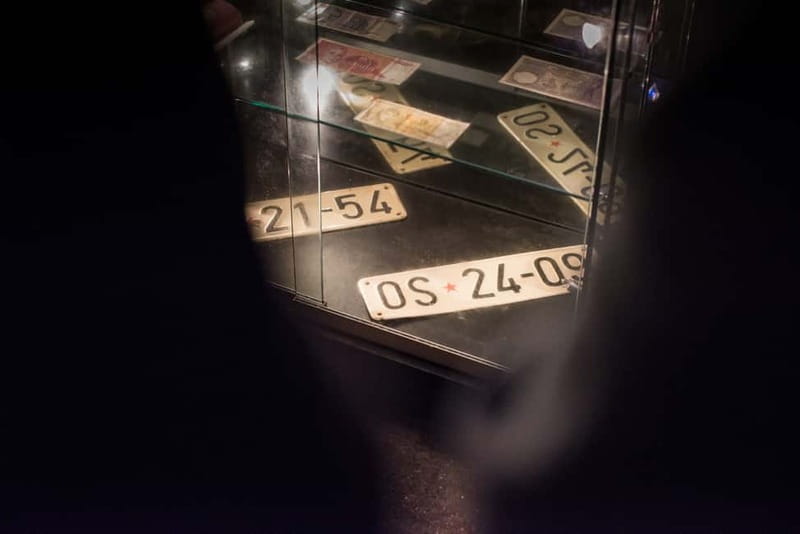
- WWII tunnels plus a later shelter basement give you two different underground perspectives
- Real stories tied to real places help the communist and 1990s eras click into focus
- Humor with gravity: guides often use jokes to keep you engaged without losing respect
- Clear cause-and-effect timeline across Yugoslavia and then Croatia’s war years
- Video presentation at the end helps you connect the dots before you head back to daylight
- You’ll walk and navigate tight spaces, so comfort matters
Zagreb’s 20th-century history begins underground
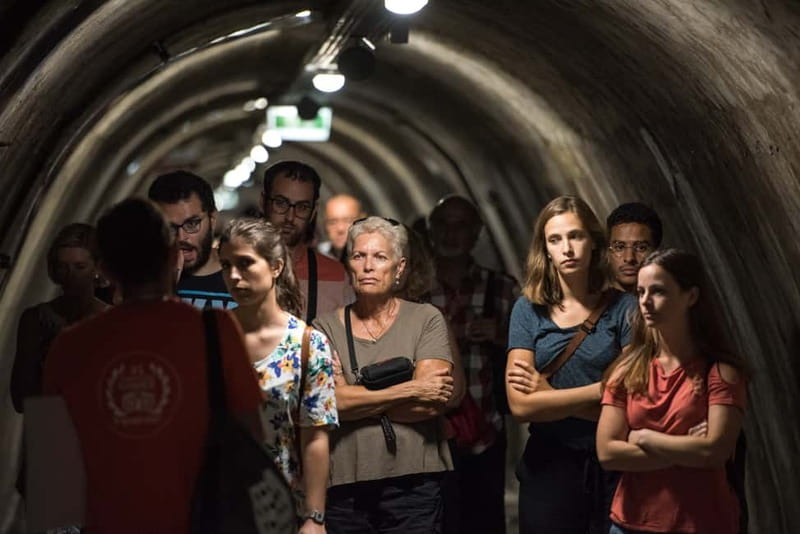
Zagreb has a talent for making modern life sit on top of older layers. This tour leans into that. You’ll start with the sense that the city has been shaped by conflict for a long time, then you’ll move into places built for survival—first for war in the 1940s, and later for air raids in the 1990s.
What I find especially useful is the way the guide organizes the story. Instead of tossing dates at you, you get a timeline arc: World War II, almost half a century of communist Yugoslavia, then the break-up period, and finally the Croatian Homeland War. By the time you reach the basement shelter, you’ve already built a mental map of why people felt trapped, angry, hopeful, or afraid at different moments.
You can also read our reviews of more tours and experiences in Zagreb.


Meeting at Ban Josip Jelačić Square and the pace you’ll feel
You’ll meet at the horse statue in Ban Josip Jelačić Square, which makes it easy to orient yourself. From there, the group moves through central Zagreb with short guided sections and a couple of photo stops, so you’re not stuck doing one long lecture without breaks.
The pace is part of the value. At around 150 minutes total, you’re getting multiple settings—street viewpoints, underground tunnels, and a shelter basement—without losing the thread. Most people won’t need to be history nerds to enjoy it, but you should be ready to think while you walk. The questions you ask along the way can change what you notice in each location.
The WWII tunnels stop: history you can walk through
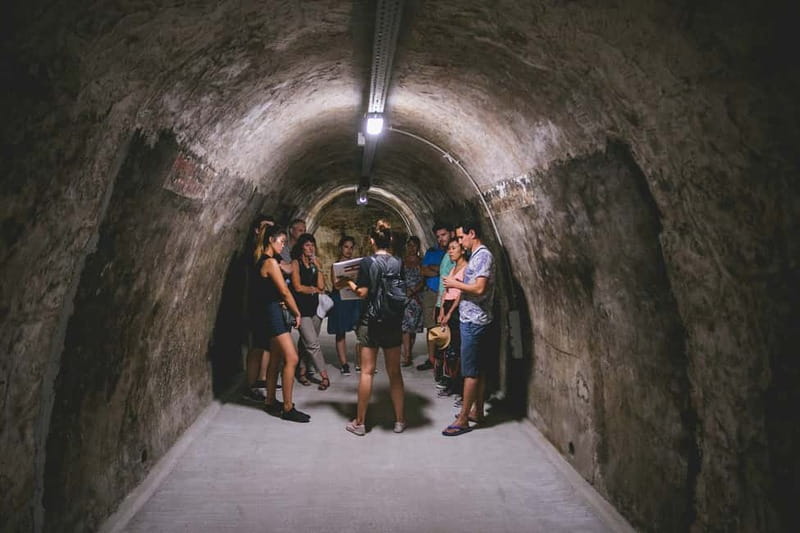
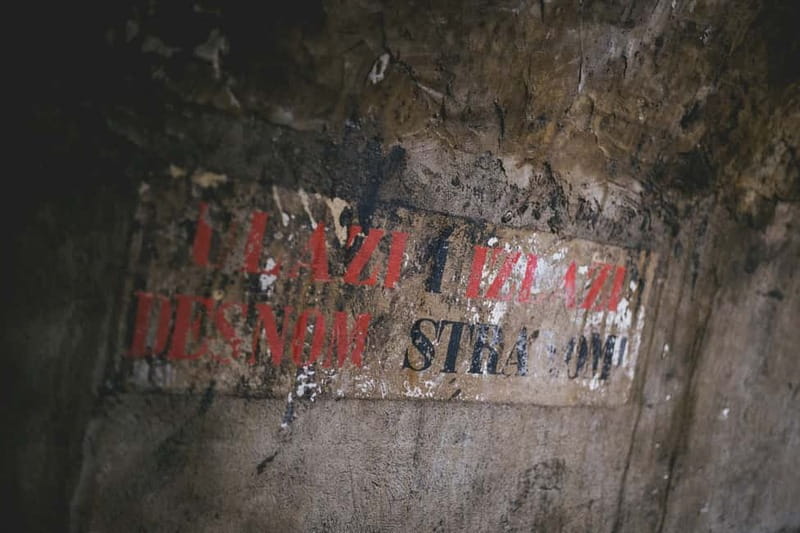
One of the main features is the visit to Zagreb’s World War II underground tunnels. The tour uses them as a physical anchor for the story, so you’re not only learning about Croatia and Zagreb in the 20th century—you’re literally in the kind of space people used when danger was close.
Here’s what to keep in mind: the tour specifically notes that tunnels aren’t included during events taking place in the tunnels. So if you’re booking at a time when there are activities underground, your access may differ. Still, the guide’s explanation is built around the tunnels as a core reference point, so even when access is limited, you should expect the narrative to keep moving.
What I like about this stop is the contrast it creates. You start with the 1940s, then the guide turns around and shows you how the next decades changed daily life. By the time you climb back toward the streets, you understand that the underground wasn’t only for one war. It was part of a longer pattern of how people planned for emergencies.
Communist-era Zagreb: what everyday life meant under Yugoslavia
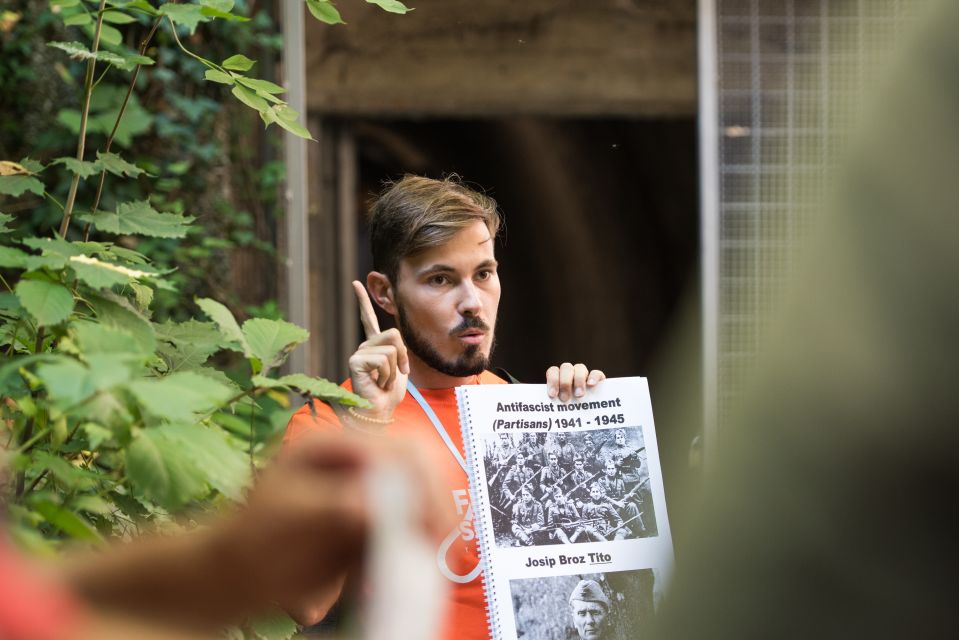
After the WWII segment, the tour shifts into the communist era in Yugoslavia and what it meant on the ground in Zagreb. The guide doesn’t treat communism like a museum label. You learn how it shaped the rhythms of life: how people lived, what they thought about identity, and why the political system influenced everything from public messaging to personal decisions.
This is where you’ll probably start connecting the dots between eras. The fall of Yugoslavia didn’t happen out of nowhere—it grew out of tensions and changes building over time. Guides on this tour tend to be strong at explaining not just what happened, but why it became possible for history to accelerate so quickly in the early 1990s.
I also appreciate the way some guides bring nuance. In the reviews I read, multiple people noted a balanced approach, including willingness to criticize actions taken in the Croatian context. That matters, because it helps you understand the period as complicated rather than scripted.
The long underground finale: the basement shelter used in the 1990s
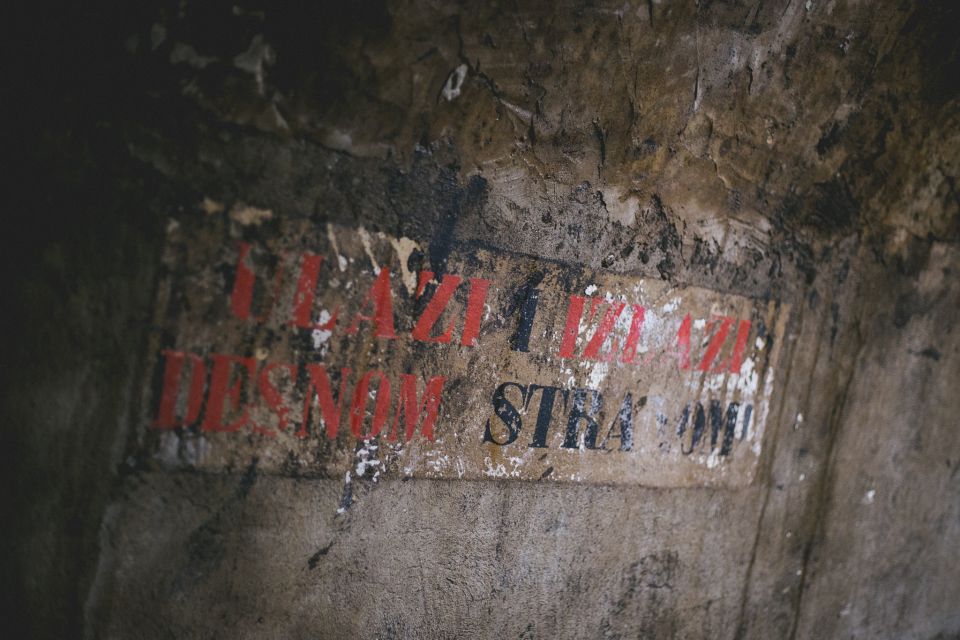
The ending is the part many people remember most: you finish at a basement used as a shelter during air raids on Zagreb. It’s not only about war in general. The guide frames the shelter as a place with a function—survival—and with a human cost—fear, uncertainty, and disruption.
This is also where the tour turns into something more personal. People in the reviews repeatedly mention that guides bring in family experience and lived perspective when discussing the Homeland War years. That doesn’t replace facts, but it gives the story a pulse. You’ll hear how people interpreted events in real time, not as a distant headline.
You’ll spend a longer stretch here, including a multimedia component. That makes sense. The basement setting needs time for your brain to adjust. It’s also easier for the guide to walk you through the emotional weight when you’re not constantly switching locations.





Homeland War video presentation: getting the timeline into focus
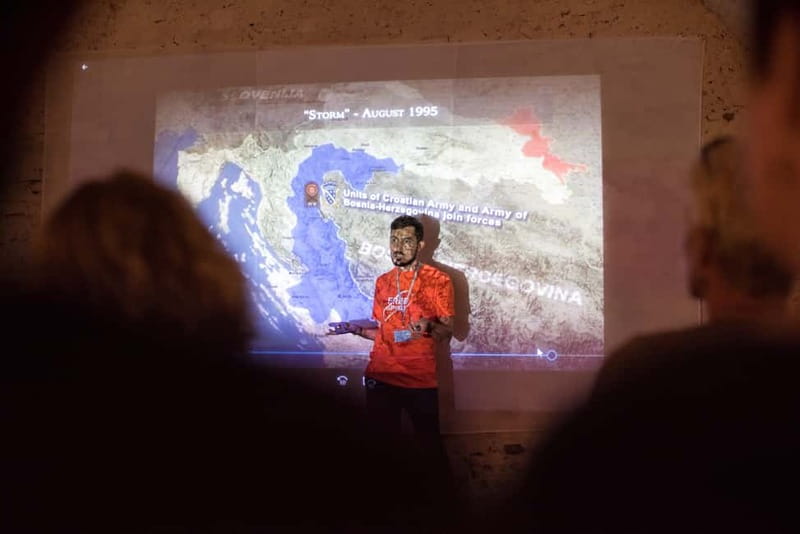
At the basement shelter, the tour includes a video presentation about the Homeland War. I like video in a tour like this because it does a different job than the walking lecture. It helps you line up key events without relying entirely on memory, especially if you’re new to the region’s recent history.
You also get a chance to see the story as a sequence of decisions and consequences rather than a single dramatic moment. That’s the hidden benefit: once you understand how people reached certain turning points, you start reading today’s Croatia with more clarity. You’ll notice how identity, politics, and historical narratives still matter in everyday life.
Guides that make tough history easier to follow
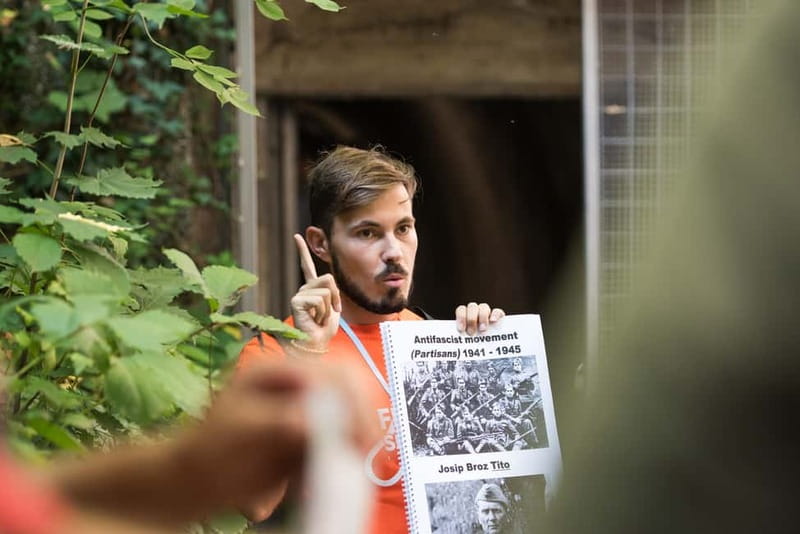
The tour is led by local guides, and the most praised ones share a style: serious history, but delivered in a way that keeps you with them. Names that appear in the guide credits from recent bookings include Darko, Ivana, Luca, Vid, Kristina, and Diana.
What stands out is not only what they know, but how they teach. Several reviews mention guides using humor to keep the mood human while still respecting the subject. I also saw repeated mentions of guides answering follow-up questions and handling mixed experience levels in the same group—good if you’re bringing someone who doesn’t consider themselves a history person.
One practical note: a few people mention guides speaking quickly or using lots of detail. If that’s you, come with a calm mindset. Ear for listening matters more than speed of travel.
Price and value: is $45 worth 150 minutes?
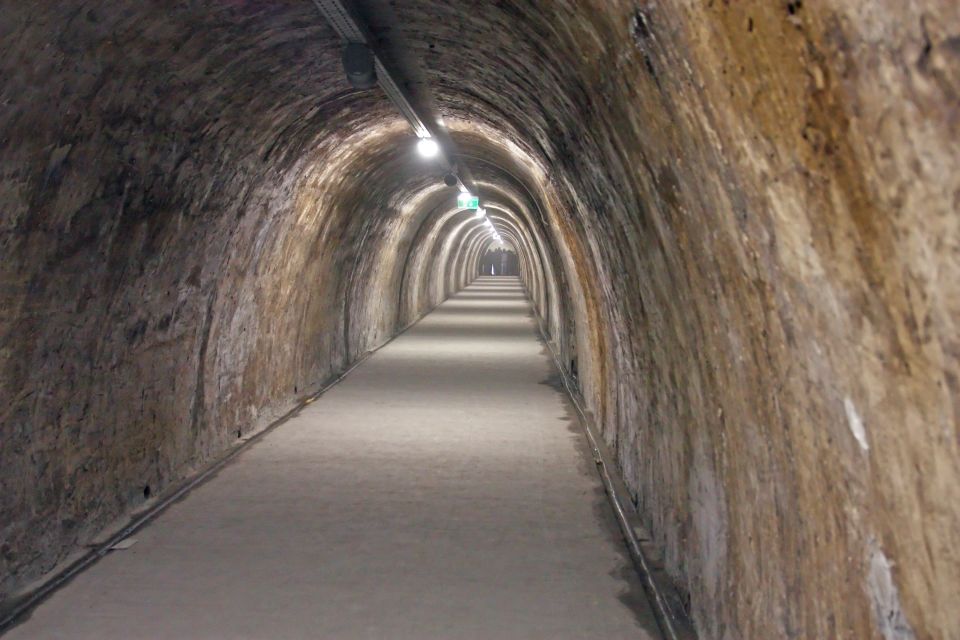
At about $45 per person for 150 minutes, you’re paying for a specialist local guide plus access to two underground settings (the WWII tunnels and the shelter basement) and a Homeland War multimedia presentation. That’s not just entertainment. It’s access and context—two things you can easily miss if you try to piece this together on your own.
The value is especially strong if you want the story connected. If you only visit a tunnel without the political and social context, you’ll get a cool place. If you only watch history videos, you’ll get the facts. This tour gives you both: place-based learning followed by visual reinforcement.
Who should book this tour in Zagreb
This tour is a great fit if you want to understand how Croatia’s recent past shaped the country you’re seeing now. It works well for history buffs, but the most consistent praise points to a second group: people with little background who still felt they left with clear understanding.
You should also consider it if you like walking tours that are story-driven, not just site-to-site photos. The order of stops helps you build a timeline. And the basement shelter ending gives the whole arc emotional weight.
That said, skip it if you’re not comfortable with heavy topics. The subject matter includes war, air raids, and the break-up years of Yugoslavia. You don’t have to be a political person to handle it—but you should be ready.
Practical tips for tunnels and basements
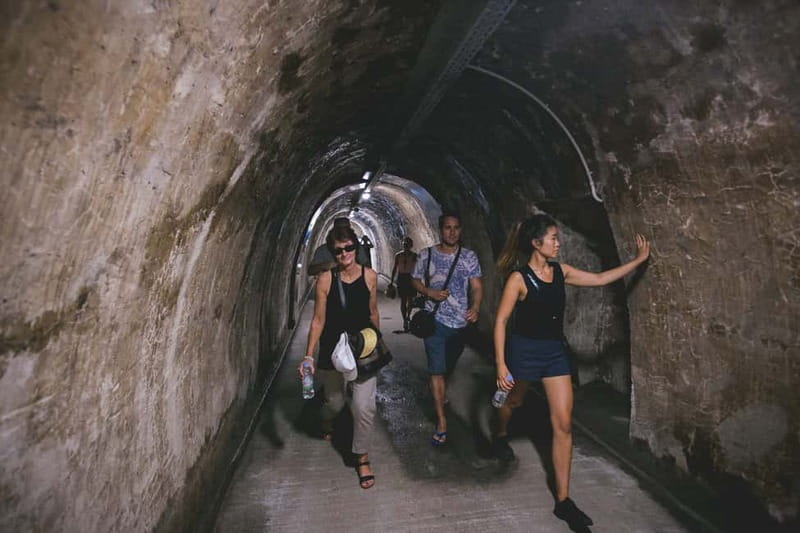
Underground spaces come with real-world constraints, and this tour is built around that reality. It’s not suitable for wheelchair users or people with mobility impairments, so plan on steps, uneven footing, and narrow areas.
Wear closed-toe shoes and dress for cooler underground temperatures. You’ll want your hands free for photos if you can manage them, but the best part of this tour is listening—people often get so focused they take fewer pictures than they expected.
If you’re unsure what to ask, start with this: What changed for ordinary people from communist Yugoslavia to the 1990s? A good guide will connect that question to each stop, so you come away with a stronger personal understanding.
Should you book the Communism and Croatian Homeland War Tour?
Book it if you want a guided, chronological story of Croatia’s 20th-century turmoil that ends in the kind of place where survival isn’t abstract. At $45 for a 150-minute walking tour with underground access and a Homeland War video, it’s strong value for anyone who enjoys places with context.
Don’t book it if you want light entertainment. This is serious history, delivered with respect, but it still deals with fear and conflict. If you can handle that—and you’re comfortable listening closely—you’ll likely leave with a clearer, more grounded view of Zagreb and the country beyond the postcard.
FAQ
What’s the duration of the Zagreb Communism and Croatian Homeland War Tour?
The tour lasts 150 minutes.
Where do I meet the guide?
You meet in front of the horse statue at Ban Josip Jelačić Square (main square).
Does the tour include the WWII underground tunnels?
Yes. The tour includes a visit to the WWII tunnel, and it notes that tunnels may not be included during events taking place in the tunnels.
Is the Homeland War covered with more than just walking explanations?
Yes. The tour includes a Homeland War multimedia presentation, with a video presentation at the end.
What languages is the tour offered in?
The guide speaks Spanish and English.
Is the tour suitable for wheelchair users?
No. The tour is not suitable for wheelchair users or people with mobility impairments.