REVIEW · ZAGREB
Zagreb Unveiled: Private walking tour with a local guide
Book on Viator →Operated by Limitless Balkan · Bookable on Viator
Zagreb has tunnels and towers on foot. This private walking tour strings together Zagreb’s big sights with a real WWII secret and a funicular viewpoint so you grasp the city faster.
I like that the route packs contrast into about 2 hours without rushing: Zrinjevac, Dolac Market, Tkalčićeva Street, and the major churches and towers all make an appearance. I also like that you’re led by a licensed English-speaking guide who’s been praised for personality and practical recommendations, with names like Alex, Bernarda, Luka, and Marko showing up repeatedly in guest feedback.
One drawback to think about: the funicular ticket is listed as included, but the funicular is noted as closed for renovation until March 2026, so you should double-check your dates. Expect moderate walking, and plan on moving most of the time.
In This Review
- Key highlights to look forward to
- Why this tour works when your time is short in Zagreb
- Starting at Zrinjevac: the Green Horseshoe mood-setter
- Ban Jelačić Square to Manduševac Fountain: landmarks plus legend
- Cathedral of Zagreb: the tall-sight stop you’ll remember
- Dolac Market: the belly of the city, not just a photo stop
- Tkalčićeva Street: your cue for Zagreb’s street-life
- Tunel Gric: a secret WWII tunnel that changes the mood
- Funicular Downtown: the shortest one in the world (check the status)
- Lotrščak Tower and St. Mark’s Church: where Zagreb’s identity shows
- Petrini Pyli and the ending at Ban Jelačić Square
- Price and value: what $84.69 buys you
- The guide experience: what the best ones do
- Timing, walking level, and what to wear
- Who should book this Zagreb Unveiled tour
- Should you book Zagreb Unveiled?
- FAQ
- How long is the tour?
- Is this a private tour or a group tour?
- What language is the tour offered in?
- What is included in the tour?
- What is not included?
- Where does the tour start and end?
- Is a mobile ticket used?
- Is the walking level moderate?
- What’s the cancellation policy?
- Does weather affect the tour?
Key highlights to look forward to
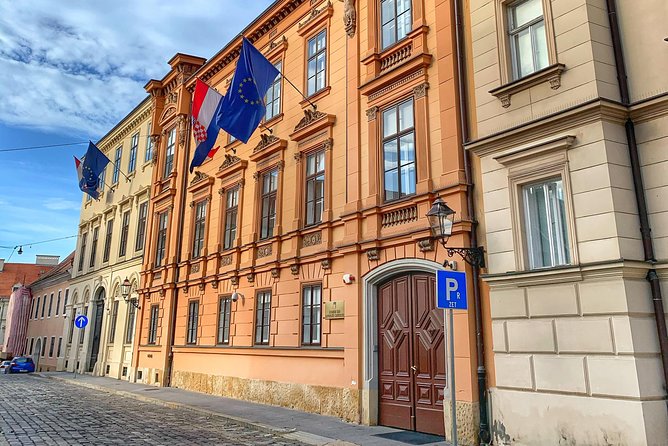
- A tight “orientation loop” that hits parks, squares, markets, churches, and viewpoints in one outing
- Tunel Gric (WWII tunnel) gives Zagreb a side most first-timers miss
- Funicular Downtown is part of the plan, but check the current operating status for your travel month
- Upper Town landmarks like St. Mark’s Church and Lotrščak Tower help you understand the city’s layout
- Dolac Market and Tkalčićeva Street add everyday Zagreb energy to the classic postcard stops
Why this tour works when your time is short in Zagreb
Zagreb is the kind of city where a little context goes a long way. You can absolutely wander on your own, but a good guide helps you connect the dots: where the power used to sit, where everyday life happens, and why some streets feel higher or steeper than you expect.
This tour is built for that fast clarity. In around two hours, you move through a sequence of stops that tell the story of Zagreb in layers—city plan, landmarks, and even wartime survival—without turning it into a long, exhausting slog.
Private also matters here. Even if you end up chatting more than planned, you’re not competing for attention, and your route can feel smoother because it’s just your group.
You can also read our reviews of more tours and experiences in Zagreb.


Starting at Zrinjevac: the Green Horseshoe mood-setter
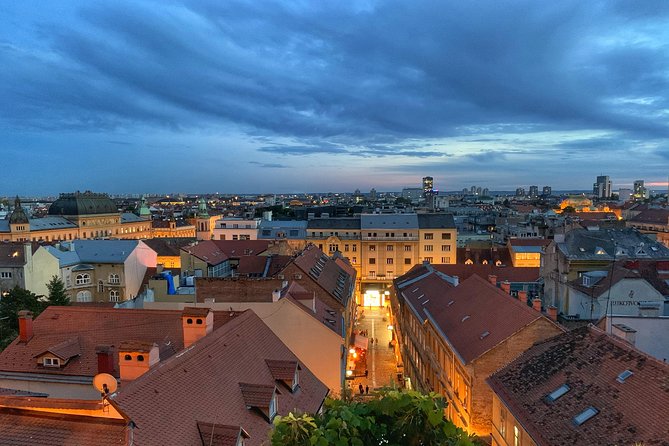
You begin at Zrinjevac 2, a spot that locals know for its park feel and open-air calm. Zrinjevac sits along the Green Horseshoe, so it’s a great warm-up before you head into the busier central sights.
In a short walking tour, the first ten minutes matter. This start helps you avoid the common problem of arriving in Zagreb overwhelmed, then trying to learn history at the loudest crossroads first.
Practical tip: wear shoes with decent grip. Even though Zrinjevac is a park area, you’ll still be on city surfaces pretty quickly after the briefing.
Ban Jelačić Square to Manduševac Fountain: landmarks plus legend
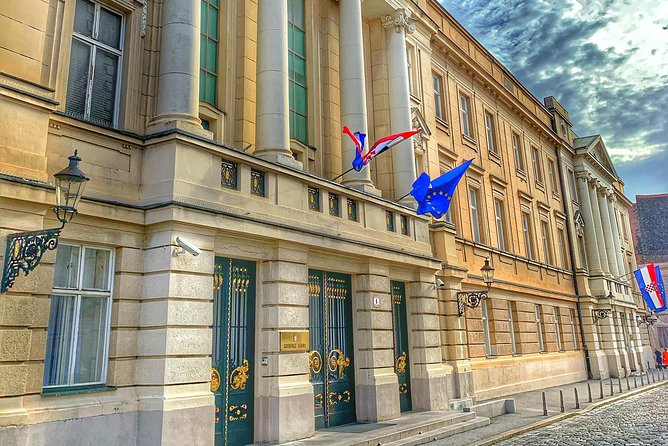
From Zrinjevac you transition to Ban Josip Jelačić Monument, one of the anchors of the main city square. This is a natural “reset point” because it gives you a clear reference for where the city’s core pulls you.
Then comes Manduševac Fountain, tied to Zagreb legends. The fun part here is not just the fountain itself, but what your guide uses it to explain—how Zagreb story-telling and local memory show up in everyday corners.
What I’d do if I were doing this on my first day: ask one simple question right here. Something like how the stories around the fountain connect to the neighborhoods you’ll see next. It’s a small move that makes the rest of the walk click.
Cathedral of Zagreb: the tall-sight stop you’ll remember
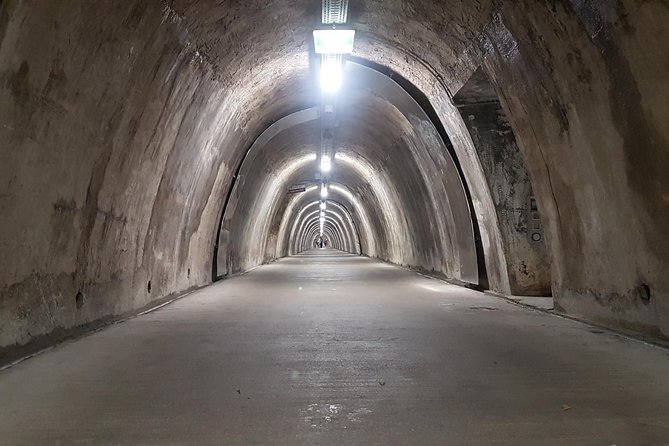
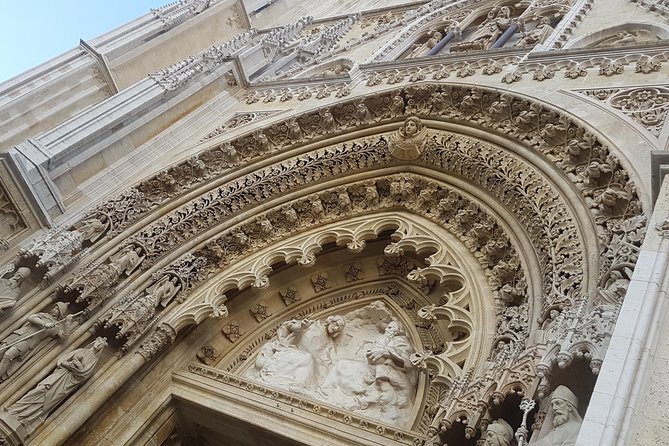
The Cathedral of Zagreb is a key anchor stop and it’s noted as the tallest building in Croatia. Even if you already know the name, seeing it in context—after you’ve walked from square to park to fountain—makes it feel like a “center of gravity” for the city.
A tower-or-cathedral stop can be hit or miss on walking tours if there’s no time for explanation. Here, you get a dedicated chunk (about 15 minutes), which is enough to get beyond facts and into the why behind the place.
If you’re taking photos, be mindful of spacing. This is a high-traffic area, and a guide will usually help you choose angles that don’t slow down the group.
Dolac Market: the belly of the city, not just a photo stop
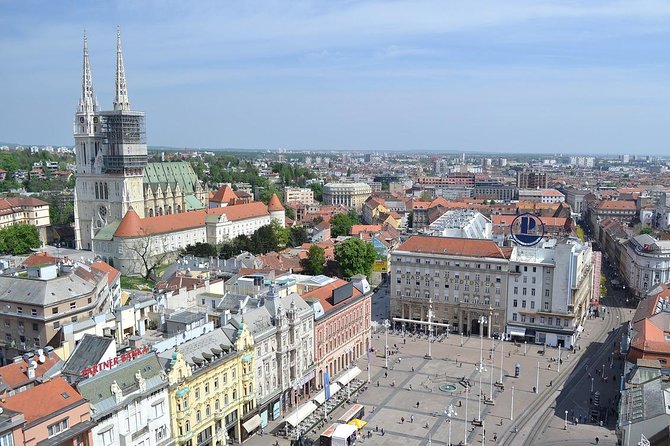
Dolac Market is where you feel Zagreb as a living city rather than a museum. The tour calls it the belly of the city, and that’s the point: you see how the city’s daily rhythms look up close.
In a two-hour format, a market stop can either feel like a quick glance or it can add real value. With a licensed guide, the best version of a market stop gives you two things: what you’re looking at and how locals use the area.
Since food isn’t included, I recommend you treat Dolac like a planning moment. Look around, decide what sounds good for later, then follow your guide’s suggestions for where to eat after the walk.



Tkalčićeva Street: your cue for Zagreb’s street-life
Next up is Tkalčićeva Street, described as one of the city’s liveliest streets. This is where you shift from “big landmark sightseeing” into “how the city feels right now.”
The value of a stop like this is simple: it sets you up for the rest of your trip. If you’re later wondering where to grab a drink, wander for a bit, or find neighborhoods that feel more social, this street gives you a sensory answer.
Practical note: this part of the tour is short (around five minutes), so if you want extra time to browse, ask your guide early. Private touring makes it easier to adjust without throwing off the rest of the route.
Tunel Gric: a secret WWII tunnel that changes the mood
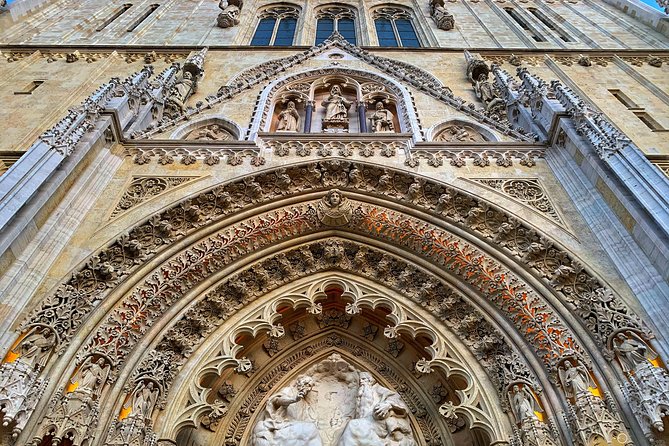
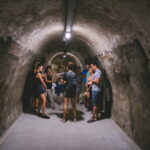
Tunel Gric is the one stop that can surprise you emotionally. The tour positions it as a secret WWII tunnel, and even without getting too technical, it’s the kind of site that makes Zagreb’s history feel personal.
A WWII stop works best on a walking tour when it’s framed with context. A good guide can connect it to what you’ve already seen in squares and churches, so the city story doesn’t feel like random separate facts.
Consider this a mindset shift stop. After the tunnel, you’ll likely see the city’s towers and church silhouettes in a different way—less postcard, more timeline.
Funicular Downtown: the shortest one in the world (check the status)
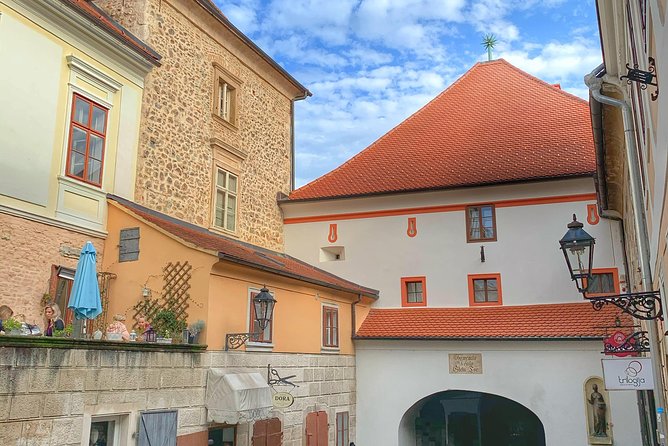
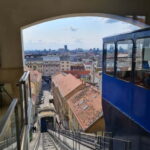
The funicular is included as a one-way ticket, and it’s described as the shortest one in the world. The big reason this matters is the payoff: you get a new viewpoint without spending the energy on extra stairs.
But there’s an important caution. The tour information also notes the funicular is closed for renovation until March 2026. If you’re traveling near that window, you may want to confirm what your day will look like.
If the funicular is operating for your dates, it’s a fun reset after walking. If it isn’t, this is still a strong route overall because you’ll have already covered the major Upper Town landmarks and viewpoint-style stops.
Lotrščak Tower and St. Mark’s Church: where Zagreb’s identity shows
After the tunnel and the transit-by-funicular moment, the route leans into medieval and icon stops.
Lotrščak Tower is described as a medieval fort or tower. This kind of stop often gives you a feeling for how the city defended itself and how the view lines guided life inside the walls.
Then comes St. Mark’s Church, one of Zagreb’s most recognizable landmarks. Even if you think you know it from photos, seeing it in person gives you a stronger sense of scale and placement.
My advice: don’t treat these as separate photo targets. Instead, use them to understand the city’s “vertical story”—how the Upper Town sits higher, how sightlines work, and why people built around these vantage points.
Petrini Pyli and the ending at Ban Jelačić Square
Petrini Pyli is an old town gate, and it’s a nice closing note because gates are where cities communicate boundaries. A gate stop can feel symbolic, but in a walking tour it also helps you mentally map what you’ve already covered.
Your tour ends at Ban Josip Jelačić Square, a smart choice. You finish back at a central reference point, which makes it easier to head to dinner, plan your next stop, or catch public transportation.
Price and value: what $84.69 buys you
At $84.69 per person for about two hours, this isn’t the cheapest walking option—but it can be good value if you want structure and a guided lens, not just walking.
Here’s what you’re paying for that matters:
- A licensed English-speaking guide who handles the story and the pacing
- A private tour, so your group gets attention without sharing guide time
- Multiple landmark types in a short window, including the WWII tunnel and a funicular ticket
There are also hints of flexibility in the offering, like group discounts and mobile ticketing. The tour is typically booked about 32 days in advance on average, which suggests it’s a popular way to start a short Zagreb stay.
If your schedule is tight or you want to cut down on decision-making, paying for the guide tends to pay you back in confidence. You’ll know where to go next because the city already made sense by the time you finish.
The guide experience: what the best ones do
This is the part you can’t see in a simple itinerary. The reviews strongly emphasize guide personality alongside information.
Guides such as Alex and Bernarda are noted for being friendly and communicative—Bernarda specifically is praised for using WhatsApp to make meeting up easy and for sending links after the tour based on questions you asked. Luka and Marko also show up in feedback for making the walk fun while keeping the history grounded.
So here’s your practical move: come with one or two question prompts. For example, ask how Zagreb handled big historical changes, or what area you should revisit for a slower second day. Then, if you’re chatting on WhatsApp, keep asking follow-up questions while they’re fresh.
That’s where a private tour feels like a conversation, not a script.
Timing, walking level, and what to wear
The tour runs about two hours and is built on short stops, with movement between them. The physical fitness level is described as moderate, so you should be comfortable walking city distances at a steady pace.
Because it’s a walking experience, what you wear matters. I’d choose shoes you can stand and walk in for a couple hours, plus a layer you can adjust for weather. The tour notes it requires good weather, so check forecasts and pack accordingly.
Also, keep your phone charged. The tour uses a mobile ticket, and you don’t want to fight with low battery at the meeting point or during transitions.
Who should book this Zagreb Unveiled tour
Book it if:
- You want a fast first look at Zagreb with clear landmark context
- WWII sites interest you, and you like history that shows up in real places
- You prefer a guide who can suggest where to eat and what to do next
Consider a different option if:
- You’re mostly hunting for beach-style relaxation time and long museum hours
- You’re traveling when the funicular may be closed and you specifically want that ride without uncertainty
Should you book Zagreb Unveiled?
Yes, if you’re the type of traveler who wants to understand a city in a couple hours and then use that understanding to plan the rest of your day. The mix of Upper Town landmarks, a major market stop, street-life time, and the Tunel Gric WWII visit gives you more than a typical checklist walk.
Just do one small homework step: check your travel dates against the funicular renovation note (closed until March 2026). If the funicular is operating then it’s a fun bonus; if not, you’re still covering enough major sights to justify the guide-led structure.
FAQ
How long is the tour?
The tour lasts about 2 hours.
Is this a private tour or a group tour?
It’s a private tour, so only your group participates.
What language is the tour offered in?
The tour is offered in English, with a licensed English-speaking guide.
What is included in the tour?
Included is a one-way funicular ticket (listed with renovation closure until March 2026), the licensed English-speaking guide, and the private tour.
What is not included?
Food and drink are not included.
Where does the tour start and end?
It starts at Zrinjevac 2, 10000 Zagreb, and ends at Ban Josip Jelačić Square (Trg bana Josipa Jelačića).
Is a mobile ticket used?
Yes, the tour includes a mobile ticket.
Is the walking level moderate?
The tour says it’s suitable for travelers with a moderate physical fitness level.
What’s the cancellation policy?
Free cancellation is available up to 24 hours in advance for a full refund. If you cancel less than 24 hours before the start time, the amount paid is not refunded.
Does weather affect the tour?
Yes. The tour requires good weather. If it’s canceled due to poor weather, you’ll be offered a different date or a full refund.