REVIEW · ZAGREB
World War II Zagreb, Croatia between communists, fascists and “ordinary” people
Book on Viator →Operated by Netragom obrt, vl. Samia Zitouhni · Bookable on Viator
World War II Zagreb hits close to home. It’s a walking tour that moves between the city you see today and the darker machinery of 1939–1948, where ordinary people got caught between communists, fascists, and the violence in between. I like that it doesn’t float in generalities—it’s built around specific places, plus a guide who links them to real figures and real events.
Two things I really like: the route starts in the modern part of Zagreb that was shaped just before the war, then walks you into the historical core so you can feel the rupture in the city’s story. And the most memorable stop is designed as an interactive experience, not a lecture—at Mestrovicev Paviljon you actually participate, and the format nudges you to think about the impossible choices people faced. One caution: the subject matter is heavy, and if you’re already worn out from earlier walking days, plan for a serious mental workout as well as physical walking.
In This Review
- Key Highlights You’ll Care About
- WWII Zagreb on Foot: Why This Time Period Still Matters
- Start at Trg Žrtava Fašizma, End at Studentski centar
- Mestrovicev Paviljon: The Interactive Stop That Changes the Pace
- Modern Zagreb Before the War to the Historical Core After: A Route With Meaning
- Learning 1939–48 Through People, Not Only Dates
- Concentration Camp Connections: Handling a Difficult Topic With Structure
- What You Get for $34.73: Value Without Mystery Costs
- Weather, Shoes, and Fitness: Plan Like It’s Real Walking
- Departure Days: Three Per Week, With Flex on Request
- Should You Book This WWII Zagreb Walking Tour?
- FAQ
- How long is the WWII Zagreb tour?
- What is the price per person?
- Is transportation included?
- Where does the tour start?
- Where does the tour end?
- What’s included in the tour price?
- What is not included?
- How large is the group?
- When does the tour run?
- What is the cancellation policy?
Key Highlights You’ll Care About
- An all-weather, 2–3 hour walk with a small group (max 12).
- Modern pre-war Zagreb to the historical center, so the war feels like a break, not a vague timeline.
- Sites tied to arrests and concentration camps, explained in human terms.
- Mestrovicev Paviljon (Croatian Association of Artists) with an interactive, you-participate format.
- A local guide who ties stops to events across 1939–48.
- Three departure days per week, with other days on request.
WWII Zagreb on Foot: Why This Time Period Still Matters
Zagreb’s story in World War II isn’t only about uniforms and governments. It’s also about timing, neighbors, fear, and the brutal truth that most people aren’t ideologues—they’re trying to get through the day. This tour is built around that exact idea: life in Zagreb between communists, fascists, and the people who weren’t really choosing the system so much as surviving it.
What makes the concept work is how the tour teaches you to read the city itself. You start in areas that reflect what Zagreb was building just before the war. Then you shift toward the historical center and the kinds of locations where residents were once assembled and taken toward concentration camps. Seeing that contrast while a guide connects each stop to the relevant moments of 1939–48 gives you a timeline you can almost touch.
The experience also asks you to hold more than one idea at once. At the interactive stop, the framing is blunt: conflicts are rarely clean. The guide prompts you to consider how many sides exist in a conflict like WWII, what black-and-white thinking does to people, and what someone can do when they cannot fight and cannot escape. That approach is uncomfortable—in a good way—because it brings the human pressure into focus.
You can also read our reviews of more tours and experiences in Zagreb.


Start at Trg Žrtava Fašizma, End at Studentski centar
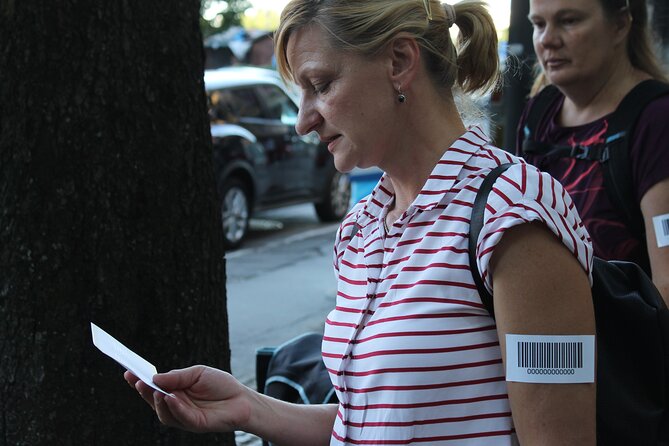
Practical tip: treat this as a classic walking route with a defined start and finish. You’ll begin at Trg Žrtava Fašizma, 10000, Zagreb, and you’ll finish at Studentski centar, 10000, Trešnjevka – sjever. That matters because you’ll want to plan your end-of-day transit accordingly. No need to pack up your life at the last stop—but do think about where you’ll go next.
The group size is small, capped at 12. That’s a big deal for a topic like this. In a small group, the guide can slow down when questions matter, and you’re not just being marched from point to point. The tour also runs about 2 to 3 hours, so it fits well as a daytime activity even if you’re not aiming for an all-day immersion.
One more practical point: it operates in all weather conditions. Zagreb weather can change fast, so dress like a person who expects rain and wind to show up uninvited.
Mestrovicev Paviljon: The Interactive Stop That Changes the Pace
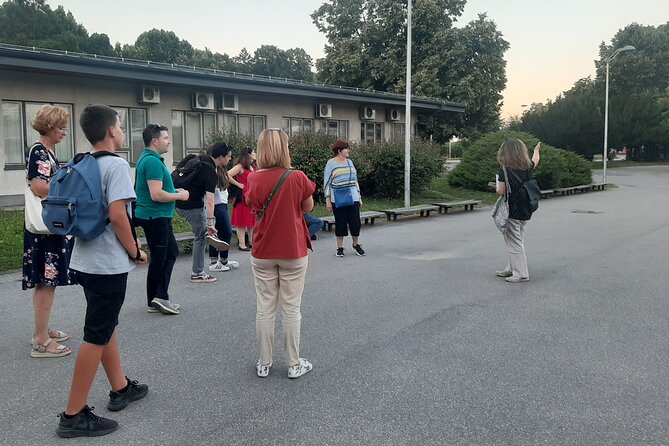
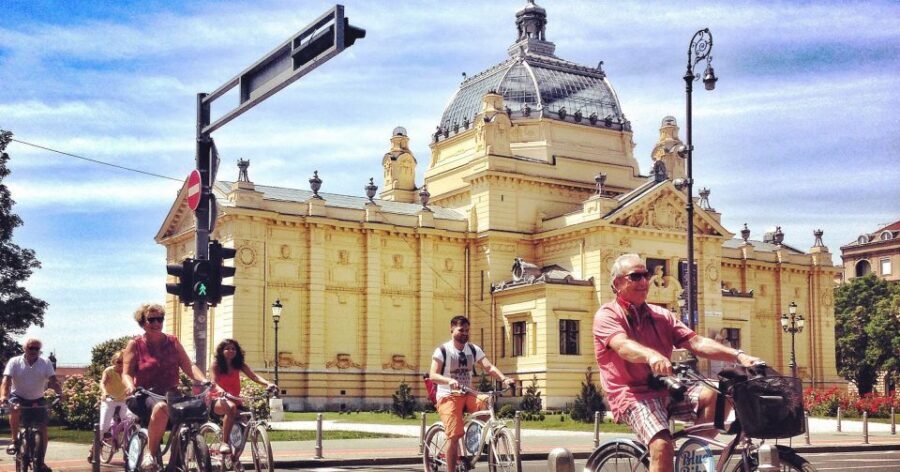
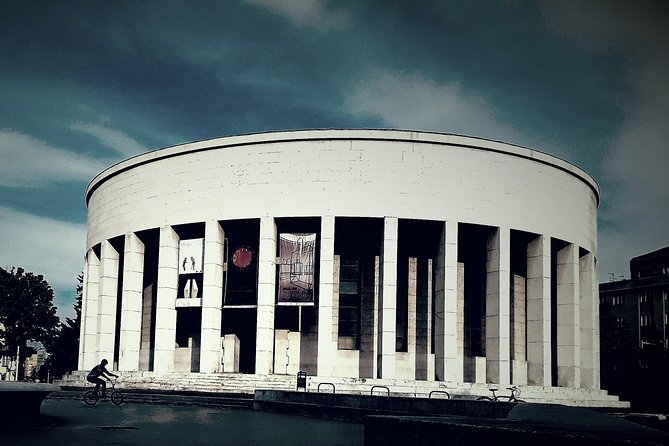
Stop 1 is Mestrovicev Paviljon, connected with the Croatian Association of Artists. This is the part of the tour that turns the experience from listening into doing. The tour format is described as interactive, which means you’re not just standing around while history happens to you.
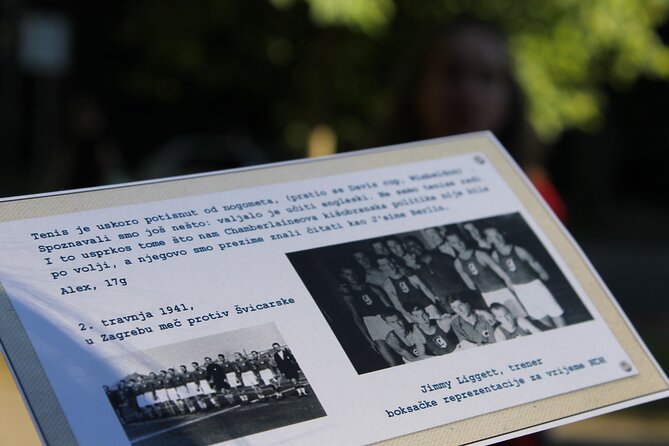
Expect participation, not silence. The information specifically notes that you should bring your reading glasses if you need them. That’s a small detail, but it tells you something important: this stop likely includes materials or prompts that depend on reading. If you usually travel with glasses, don’t leave them behind. If you don’t, you’ll still want to be ready to read closely for a short stretch.
Time-wise, this first stop is listed at about 20 minutes. That’s helpful: it gives you a structured burst of engagement early in the tour, then you move on before the topic fatigue sets in. Also, the ticket to enter that site is not included. So if the plan includes museum or venue admission for Mestrovicev Paviljon, budget a little extra for that at the moment you arrive there.
What I like about this stop is its mental angle. The guide doesn’t ask you to choose between sides like it’s a game. Instead, it turns the question toward real-life pressure—what happens when survival depends on your ability to move in a world where the outcomes are already predetermined.
Modern Zagreb Before the War to the Historical Core After: A Route With Meaning
The tour’s structure is unusually smart. It starts in modern Zagreb built just before the war, then transitions into the historical center where wartime events hit hardest. That isn’t just a geography choice; it’s a storytelling choice.
Walking from a modern-feeling area into the older city helps you understand the war as a rupture. The city you’re seeing wasn’t created for conflict, but it became part of the conflict system anyway. By the time you’re in the older core, the guide is pointing you toward places where residents were assembled and later taken toward concentration camps. Even without going into graphic detail, that shift makes the historical logic feel real.
For you, that means you’re less likely to treat WWII as a distant exhibit. You’ll start to connect the war to how cities function—how authorities locate people, how crowds form, how movement becomes control. Zagreb becomes more than a postcard backdrop. It becomes a case study in how ordinary spaces can be repurposed quickly when violence takes over.
One drawback to flag: if you’re expecting lighter sightseeing, this route will not match that mood. The contrast is powerful, but it’s designed to make you think, and that can feel heavy even when the physical pace stays manageable.
Learning 1939–48 Through People, Not Only Dates
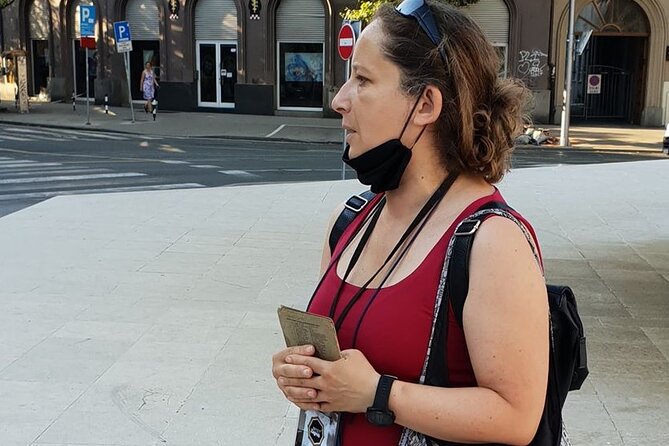
The guide covers the period across 1939–48 and ties events to historical figures. That’s a lot of time, and WWII isn’t one uniform story—it changes as power shifts, occupations change, and political control rearranges daily life.
What makes a people-and-events approach valuable is that it prevents history from becoming a timeline you memorize and forget. When a guide links each stop to the relevant figures and turning points, you start to see how individual choices, propaganda, fear, and power intersect. You also start noticing how the war affected different kinds of people differently, including those trying to resist.
The tour’s theme of communists, fascists, and ordinary people is key. It signals that the guide isn’t treating the story as a single villain versus a single hero. Instead, it frames a messy reality where people could be pressured from multiple directions. That complexity is often missing from casual tourist history. Here, it’s part of the point.
Also, the interactive format at Mestrovicev Paviljon reinforces this. It’s one thing to learn that conflicts aren’t simple. It’s another thing to have a guide push you to think about what black-and-white thinking does to actual people living under threat.



Concentration Camp Connections: Handling a Difficult Topic With Structure
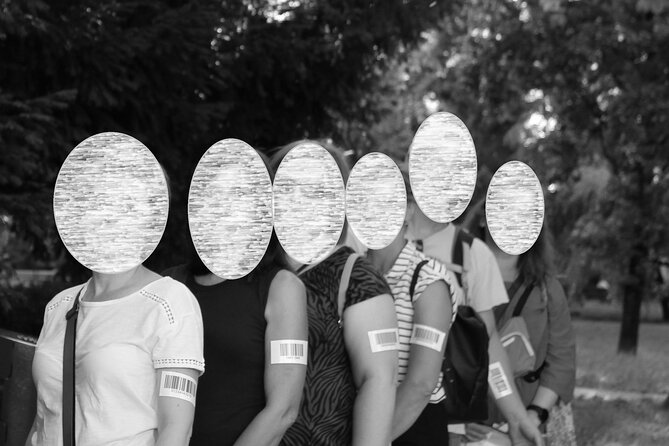
One of the tour’s main promises is visiting places where residents were once assembled and taken to concentration camps. That’s the heart of why this walk is not a casual history stroll. You’re learning about mechanisms of persecution and deportation, and those topics deserve a careful pace.
The tour is structured around stops, context at each one, and a guided explanation of the period 1939–48. That matters because concentration-camp connections can feel abstract if you only read. With a guide framing what you’re seeing, the places become part of a connected story instead of scattered reminders.
At the same time, you should go in mentally prepared. This isn’t designed to be cheerful. Even if the walk stays outdoors and the guide keeps things clear, the subject matter is about what people endured and what others did to them. If you’re sensitive to difficult history or if you prefer entertainment-style city tours, this might feel like too much.
But if you want Zagreb to make sense as a wartime city—if you want the story behind the streets—this is exactly the kind of guided route that turns discomfort into understanding.
What You Get for $34.73: Value Without Mystery Costs
The price is listed at $34.73 per person for a tour that runs about 2 to 3 hours. What you get included is a local guide. You also get a mobile ticket, which reduces the hassle once you arrive.
This pricing feels reasonable for three reasons:
- You’re paying for a real person guiding you through difficult context and connecting the dots between places and events.
- The tour runs with a small maximum of 12 people, which usually means less waiting and more attention to questions.
- It’s time-efficient. Two to three hours is enough to cover multiple key spots without eating your whole day.
Now for costs to watch. Transportation to and from attractions is not included. That’s common, but it’s still important. You should plan your own way to the meeting point and from the final stop.
Also, the admission ticket for the Mestrovicev Paviljon stop is not included, and the entry duration is about 20 minutes. So depending on how the venue admission works that day, you may need a bit of extra cash or card for that portion. The good news is the tour format is clear enough that you’re not guessing where your money goes.
Weather, Shoes, and Fitness: Plan Like It’s Real Walking
The tour operates in all weather conditions. So you should dress for whatever Zagreb decides to throw at you—rain, wind, or that cold snap that makes you regret flimsy shoes.
Physical fitness is rated as moderate. That likely means you can expect a solid walking pace, plus standing time at stops while your guide explains what’s in front of you. It’s not described as strenuous, but you should come ready to walk for 2 to 3 hours on streets and around the meeting points.
One small detail that helps you prepare: this experience includes an interactive stop where you might need reading glasses if you use them. Bring them. If you forget, you’ll still be in the group, but you may miss part of what the stop asks you to read or interpret.
If you’re combining this with other tours in the same day, I’d space it out. This subject is mentally active, and you’ll get more from it when you’re not already drained.
Departure Days: Three Per Week, With Flex on Request
The tour departs three days a week. Other days may be available on request, which is useful if your Zagreb dates don’t line up cleanly. Confirmation is received within 48 hours of booking, subject to availability.
This schedule helps you plan a WWII-focused day without turning your itinerary into chaos. If you’re in Zagreb for only a couple days, having three start dates gives you at least some options, and the end of the tour at Studentski centar makes it easier to move on to other parts of Trešnjevka – sjever afterward.
Also, remember you’ll have both a start address and an end address. So even if you do your own transit, you’ll know exactly where you need to be at the end.
Should You Book This WWII Zagreb Walking Tour?
Book it if you want Zagreb’s WWII story explained in a structured way you can experience on foot—modern pre-war spaces to historical sites tied to arrests and concentration camps—while a guide connects the events to figures across 1939–48. It’s especially worth it if you appreciate history that treats ordinary people as real humans under real pressure, not cardboard characters in a textbook.
Skip it (or consider a different style) if you’re looking for light sightseeing or if you’re already maxed out on walking and mentally heavy topics. The route is compact, but the content is serious. You’ll want enough energy to stay present and absorb what the stops are pointing to.
If you do book, my best advice is simple: wear good shoes, bring your reading glasses if you need them, and let the guide’s questions do their job. This tour works when you’re willing to think, not just look.
FAQ
How long is the WWII Zagreb tour?
It’s approximately 2 to 3 hours.
What is the price per person?
The price is $34.73 per person.
Is transportation included?
No. Transportation to/from attractions is not included.
Where does the tour start?
The tour starts at Trg Žrtava Fašizma, 10000, Zagreb, Croatia.
Where does the tour end?
The tour ends at Studentski centar, 10000, Trešnjevka – sjever, Zagreb, Croatia.
What’s included in the tour price?
A local guide is included.
What is not included?
Transportation to/from attractions is not included. Also, at Stop 1 (Mestrovicev Paviljon), an admission ticket is not included.
How large is the group?
The tour has a maximum of 12 travelers.
When does the tour run?
It departs three days a week, with other days available on request.
What is the cancellation policy?
Free cancellation is available. You can cancel up to 24 hours in advance for a full refund, with cut-off times based on local experience time.