Olive trees beat Dubrovnik traffic. I like the family-run walk through ancient terraces and old oak shade, plus the calm views over the Adriatic. The real reason I’d do this again is the tasting set: olive oil sampled three ways with bread, then white wine and small-batch liqueurs made from fruit and herbs grown on-site.
One thing to plan for: you do an easy hike up and down with around 30 minutes of walking, so bring sensible shoes and don’t expect a sit-down tour the whole time.
In This Review
- Quick highlights you can plan around
- Why Vardia Farm feels like Dubrovnik’s backyard classroom
- The walk through olive grooves, old oak shade, and terraced history
- Tastings: olive oil three ways, bread and vinegar, plus wine and liqueurs
- Ivica Vlašić and the family-farm storytelling you actually remember
- Pickup, timing, and group size: what the “small tour” means for you
- Price and value in Dubrovnik terms
- Who should book this olive farm visit
- A few practical tips before you go
- Should you book Olive Farm & Village on Vardia?
- FAQ
- What time does the tour start?
- How long is the experience?
- Where does pickup happen?
- How many people are in the group?
- What language is the tour offered in?
- Is there walking or hiking involved?
- What tastings are included?
- Is the tour weather-dependent?
Quick highlights you can plan around
- Small group size (up to 8) means you actually hear the story and ask questions.
- Vardia is 200 meters up, so you get cool breezes and wide views while still being close to Dubrovnik.
- Olive oil tasting comes in three styles with bread, salt, and vinegar.
- Ivica Vlašić leads the visit, with family knowledge passed down from his father and grandfather.
- Fresh edible moments along the way, like fruit and herbs you can taste or smell.
Why Vardia Farm feels like Dubrovnik’s backyard classroom
Dubrovnik is gorgeous, but the crowds can turn a short stroll into a slow shuffle. This tour gives you a different rhythm fast: you leave the city, climb a hill, and spend a few hours on a working farm where the food comes from the same ground you’re standing on.
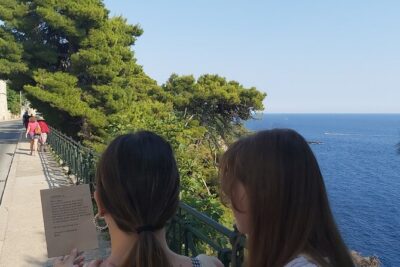
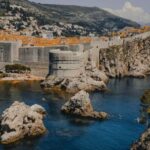
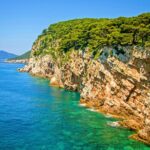
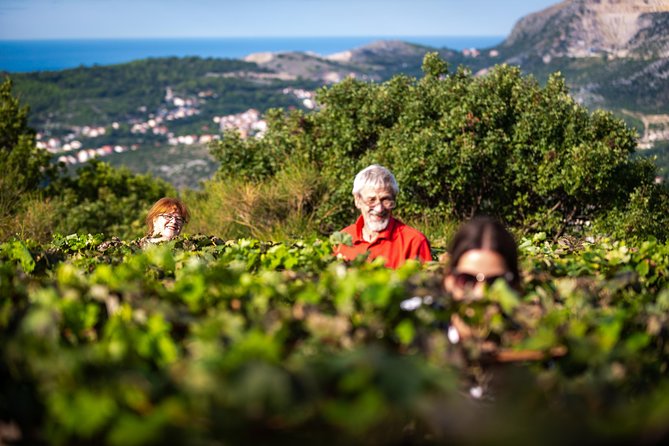
The setting matters. Vardia farm sits in Malaštica Hill about 200 meters above the Adriatic Sea. That height gives you that “mountainside above the water” feeling without the hassle of leaving the Dubrovnik area. It’s also about a 15-minute scenic drive from the Old Town, which makes the whole day feel efficient: you’re not spending hours just getting out there.
The format also helps. This is not a huge bus-and-brochure situation. With a maximum group size of 8, the visit stays personal. You’re walking a real property, tasting real products, and getting practical production talk from a guide who has hands-on farm experience.
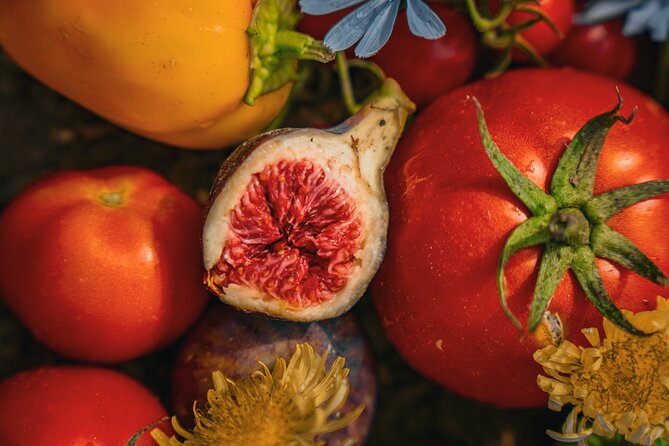
And yes, you’ll hear a lot about olives and vines. But what I appreciate is that the farm is broader than a single crop. The land includes orchards and herbs, and that shows up in the tastings, from olive oil to fruit-based liqueurs.
You can also read our reviews of more tours and experiences in Dubrovnik.
The walk through olive grooves, old oak shade, and terraced history
The tour starts with a pickup from your Dubrovnik-area hotel or a nearby meeting point. Timing is important here because you want light and cooler morning air. The start time listed is 8:30 am, and the whole experience runs about 2 hours 45 minutes total, including pickup and return.
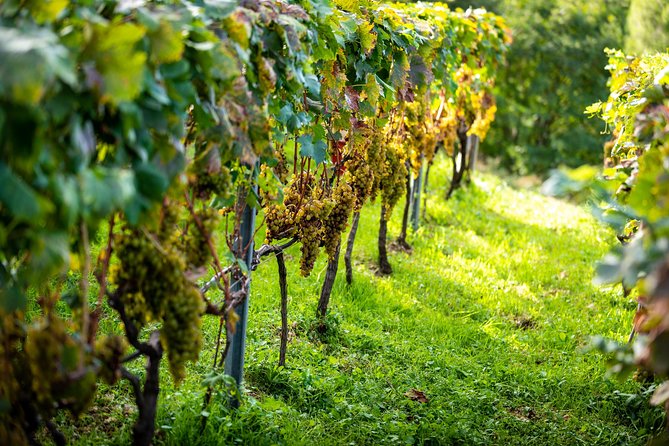
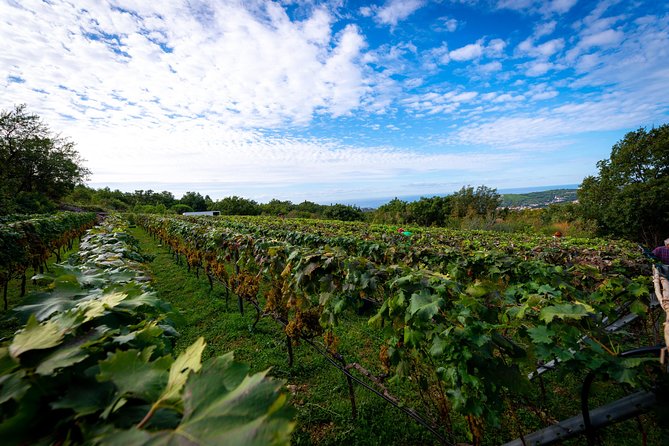
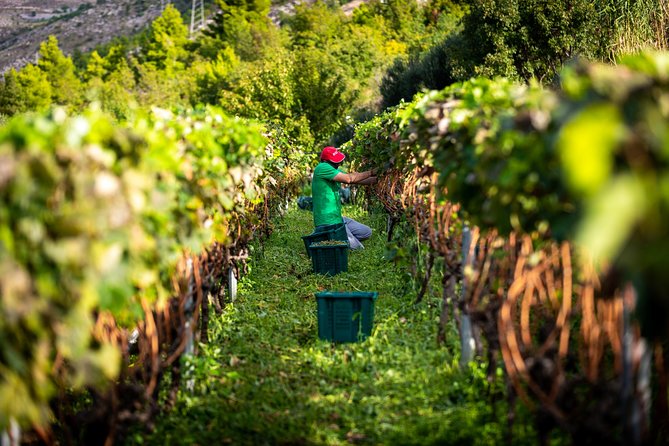
Once you arrive at the farm, the walking part is the core of the visit. You’ll take an easy hike down and back up through olive groves. Along the route, you’re moving through spaces that have a “used for generations” feel: old oak areas, organic farm sections, and the natural texture of terraces shaped by how people have worked this land over time.
From a practical point of view, the hiking requirement is manageable, but it is not zero-effort. The guidance is moderate easy hiking with about 30 minutes of walking. If you wear flip-flops, you’ll regret it fast. Good grip shoes help because you’ll be stepping on uneven natural paths where olives grow close to the ground.
What I like most about the walk is that it turns the talk into something physical. When you learn about cultivation and production, you can look around and see what’s being referenced. Olive trees aren’t museum pieces here. You’re in the working area, with herbs and orchard plants close enough that you can understand the “why” behind the flavors.
It also helps that the pacing is relaxed. You’re not sprinting from photo spot to photo spot. You have time to stop, smell herbs, notice plants, and take in the sea view in between.
Tastings: olive oil three ways, bread and vinegar, plus wine and liqueurs
Food is where the tour earns its keep. You don’t just receive one pour and call it a day. You taste a set of products that are clearly tied to the farm’s own growing.
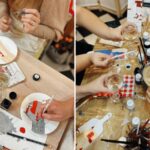
The tasting menu centers on olive and bread. A highlight is the olive oil served in three different ways, with bread plus salt and vinegar. That setup is smarter than it sounds. It’s a quick way to teach your palate. The same oil can feel different depending on what it’s paired with, and the bread makes it easy to compare without overthinking.
After that, you’ll move through more local staples:
- White wine
- Home-made herb brandy or a fruit liqueur made from orchard ingredients
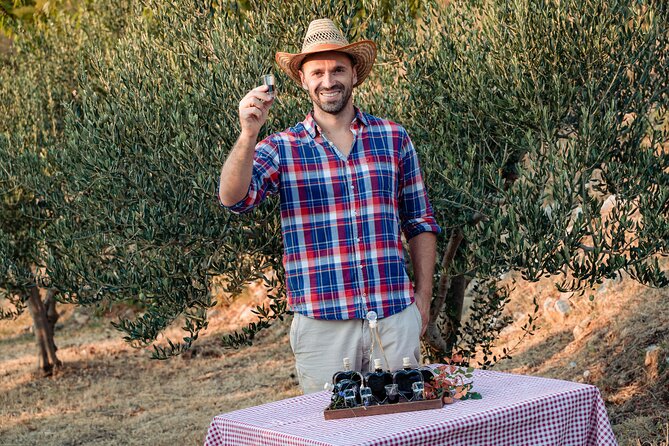
The liqueur side is one reason this experience feels distinct from a generic wine outing. You’re tasting flavors linked to what’s on the property, and the stories make the drinks feel less like souvenirs and more like by-products of farm work.
There’s also an overall “made on site” quality to the meal component. You’ll have homemade bread during the visit, which changes the whole experience. Bread you can smell fresh and taste warm is a simple thing, but it makes the tastings feel complete rather than rushed.
One more tip: go slowly during the oil and bread part. It’s easy to rush because the group is small, and you’re in vacation mode. Still, give yourself a minute between samples. That’s when you’ll actually notice the differences the guide is trying to show.
Ivica Vlašić and the family-farm storytelling you actually remember
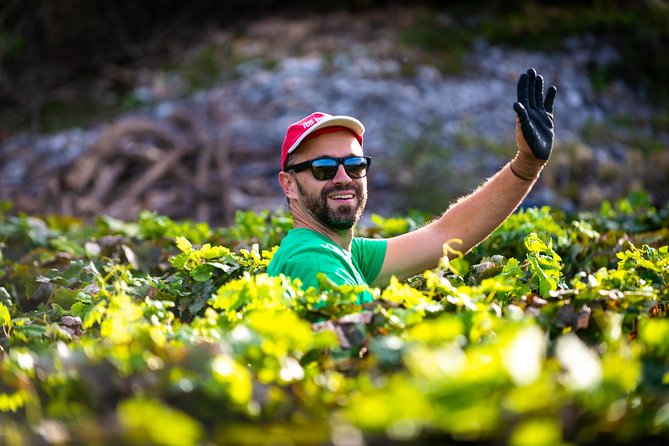
A tour can have great views and still feel empty. Here, the connection comes from the guide. Ivica Vlašić runs this with family experience behind it, including working knowledge gained with his father and grandfather. That matters because you’re not hearing generic history talk. You’re hearing how cultivation is practiced and how decisions get made in a real olive operation.
I like that the storytelling is tied to what you’re doing. As you walk, he shares farm knowledge in a way that fits the scenery. The countryside becomes the classroom, and the plants become the examples. It’s easier to remember details when you’re standing next to the subject.
The vibe is also warm and practical. With a small group, the conversation has space. You’re not trapped listening to one person read from a script while the rest of the group checks messages.
If you care about food origins, this is especially satisfying. You’ll learn not just what to taste, but what’s involved in growing and producing it. And because the farm is family-run and long-tended, the story has continuity. It’s not just a new business with a nice location.
Pickup, timing, and group size: what the “small tour” means for you
This is one of the most convenient ways to get out of Dubrovnik without renting a car. Pickup is offered from your hotel or a meeting point in the Dubrovnik area, and the drive is only about 15 minutes to the farm.
The total time is about 2 hours 45 minutes, so it works well as a half-day plan. If you’re balancing beach time and sightseeing, this fits cleanly. You’re not committing to a full day away from the water.
Group size is capped at 8 travelers, which affects the whole feel of the experience. You get:
- More space on the walk
- More time at tastings
- Less waiting around for the group
In a city where tours can feel crowded by default, this restraint is a real value.
There’s also a weather factor. This experience requires good weather. If conditions aren’t right, you’ll be offered a different date or a full refund. That’s not something to ignore in the shoulder seasons when the coast can change fast.
Price and value in Dubrovnik terms
At $84.10 per person for roughly 2 hours 45 minutes, it’s not a budget transfer. But in Dubrovnik, you’re paying for the full package: transport from your pickup, small-group guiding, a walk on private farm terrain, and multiple tastings that go beyond one simple sip.
What makes it feel like fair value is the mix:
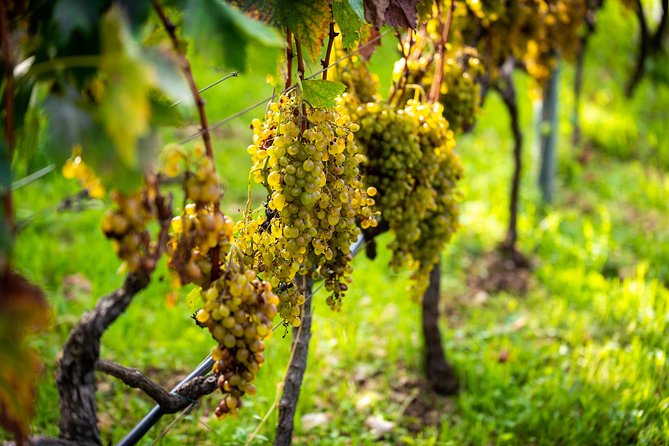
- Olive oil tasted in three styles, paired with bread, salt, and vinegar
- White wine
- Home-made liqueurs or herb brandy tied to orchard and farm ingredients
- A real guided walk through the farm, not just a tasting room stop
Also, the host is part of the value. Ivica Vlašić isn’t just handing you a menu. He’s actively explaining cultivation and production in a way that connects to what you’re seeing on the ground.
If you’re doing Dubrovnik on a tight schedule, the short drive matters too. You get the countryside feel without losing half the day to logistics.
Who should book this olive farm visit
This tour is a strong fit if you want a break from city crowds and you like food experiences with a clear source. I’d especially recommend it if you:
- Want a small-group morning plan near Dubrovnik
- Enjoy olive oil tastings and want to compare styles
- Prefer a working farm setting over a formal tasting room
- Are comfortable with an easy hike and about 30 minutes of walking
It may not be the best match if you want minimal walking. Even though it’s described as easy and moderate, the route is still down and back up through olive groves. Plan your footwear accordingly.
If you’re traveling with kids, the experience includes substitutes for children, which can make a difference when tastings are the main event.
And if you’re the type who enjoys stories you can see firsthand, this is the kind of tour where you’ll leave with clearer food context. It’s not just what something tastes like. It’s where it comes from and how the farm turns seasonal growth into drinkable and edible products.
A few practical tips before you go
- Wear sensible, grippy shoes. The walk is easy, but it’s outdoors and uneven in places.
- Bring a light layer. Even in warm months, hill-top breezes and morning air can feel cooler.
- Pace yourself during tastings. The olive oil samples are designed to be compared, so slow down.
- If you care about photos, take them on the walk, not only at the tasting. Views over the Adriatic come naturally as you move.
Also, because this is a small group, be ready to listen when the guide stops to explain something. If you miss those pauses, you’ll lose some of the best context.
Should you book Olive Farm & Village on Vardia?
Yes, if you want a genuine countryside break that stays close to Dubrovnik. The combination of a family-guided farm walk and a focused tasting set makes this feel like more than a scenic stop. You get multiple flavors, a clear production story, and a calm setting about 15 minutes from the Old Town.
If you’re someone who hates walking on uneven paths or you’re hoping for a strictly seated experience, skip it and look for something gentler. But if you can handle easy hiking and you enjoy tasting food tied to the land, this is an excellent use of a morning.
FAQ
What time does the tour start?
The tour starts at 8:30 am.
How long is the experience?
It lasts about 2 hours 45 minutes.
Where does pickup happen?
Pickup is organized in front of your hotel or from meeting points in the Dubrovnik area.
How many people are in the group?
The group is limited to a maximum of 8 travelers.
What language is the tour offered in?
The tour is offered in English.
Is there walking or hiking involved?
Yes. You should have moderate physical fitness. The activity includes an easy hike with about 30 minutes of walking.
What tastings are included?
You’ll taste organic olive oil in three ways with bread, salt, and vinegar. You’ll also have white wine and home-made herb brandy or fruit liqueur made with orchard fruits.
Is the tour weather-dependent?
Yes. The experience requires good weather. If it’s canceled due to poor weather, you’ll be offered another date or a full refund.