REVIEW · DUBROVNIK
Pearls of the Balkans from / to Dubrovnik; Semi – Private Tour
Book on Viator →Operated by Choose Balkans · Bookable on Viator
Eight days, five countries, one smooth route. This semi-private Balkan circuit turns Dubrovnik into a springboard for UNESCO old towns like Kotor and Ohrid, plus a lot of real daily life along the way.
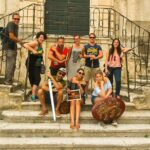
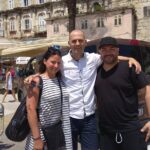
I like the small-group pace, with time to actually look at streets, churches, and viewpoints instead of just checking boxes. I also like the way guides such as Migen A. or Gesi can read the room, share good food ideas, and keep things moving even when plans get messy.
One real consideration: hotel quality can be hit-or-miss, especially with rooms and breakfast. And on some departures, the vehicle setup may be electric, meaning charging stops can nudge the schedule and add a little extra walking.
In This Review
- Key highlights worth planning for
- From Dubrovnik to the Balkans: what this route really feels like
- Day 1: Dubrovnik to Kotor and Budva’s old streets
- Day 2: Tirana’s checkpoints, Blloku cafes, and Skanderbeg Square
- Day 3: Berat’s 1001 windows and Ohrid’s lake-view magic
- Day 4: Skopje’s bridges, Old Bazaar, and Prizren’s Ottoman character
- Day 5: A slow-food farm day, Shkodra walls, and Venetian-style masks
- Day 6: Lake Skadar wildlife time and Podgorica in the evening
- Day 7: Blagaj and Mostar, from Buna springs to Stari Most
- Day 8: the Croatia border run back to Dubrovnik
- Semi-private logistics: what you should expect in the car and on your feet
- Price and value: why this tour costs what it costs
- Who should book this, and who should skip it
- Should you book Pearls of the Balkans?
- FAQ
- What time does the tour start in Dubrovnik?
- Can I be picked up from Kotor instead of Dubrovnik?
- Is hotel pickup and drop-off included?
- What’s included in the price, and what isn’t?
- Is a single room available?
- How many people are in the group?
- FAQ
- Can I cancel or change my booking?
- Should you book this tour?
Key highlights worth planning for
- Up to 10 travelers means the trip feels more personal than the big bus style.
- UNESCO stops across multiple countries, including Kotor, Berat, Ohrid, and Mostar.
- Ohrid’s Paper Museum adds a hands-on cultural stop (and a souvenir you’ll actually want).
- Mrizi i Zanave slow-food farm gives you a taste of regional produce and a traditional lunch window.
- Lake Skadar nature time includes a bird-and-wildlife setting that’s calmer than the cities.
- Flexible guiding has been reported as strong, including fast rerouting when vehicle issues come up.
From Dubrovnik to the Balkans: what this route really feels like
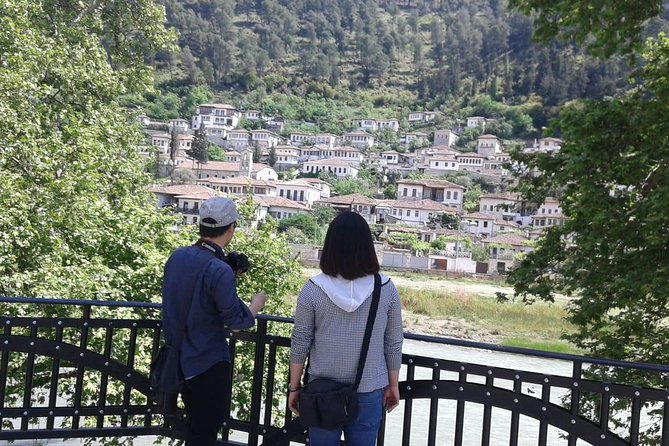
This tour is built like a chain of “big moments.” You start in Dubrovnik, then you’re quickly bouncing across borders into Montenegro, Albania, North Macedonia, Kosovo, and Bosnia & Herzegovina. It’s not a slow wander with one city per week. It’s more like: wake up, drive, explore, sleep, repeat—just with a professional leader and private transportation doing the heavy lifting.
For me, the best part of this structure is that you get variety without needing to plan a thing. You’ll see medieval stone towns, Ottoman-era architecture, communist-era memorials, and lakeside scenery—often within the same day. That said, it’s also why you should expect long driving days and plenty of walking on uneven old-street surfaces.
The trip is also set up with hotel bed-and-breakfast included, plus breakfast is listed for 6 mornings. In plain terms: don’t assume every meal is covered. You’ll want to budget for lunch and dinner, and keep a little snack strategy for travel days.
You can also read our reviews of more tours and experiences in Dubrovnik.
Day 1: Dubrovnik to Kotor and Budva’s old streets
Day 1 starts early—pickup is scheduled for 7:30 am from Dubrovnik, and you’ll be transferred toward the border where you meet your tour leader. The goal is simple: get you out of cruise-ship time and into the Balkans while roads are still calm.
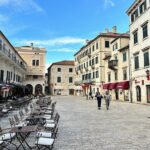
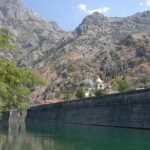
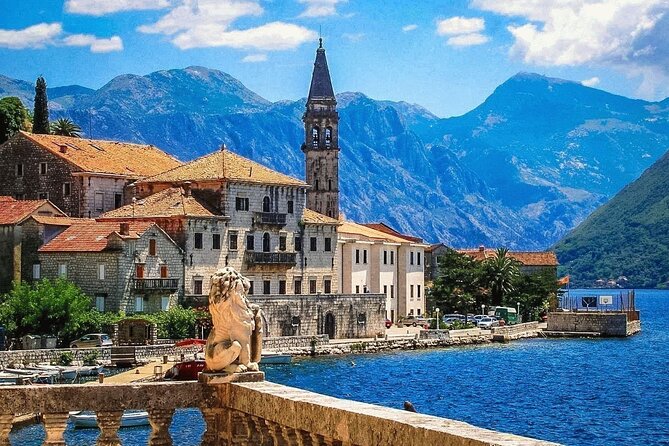
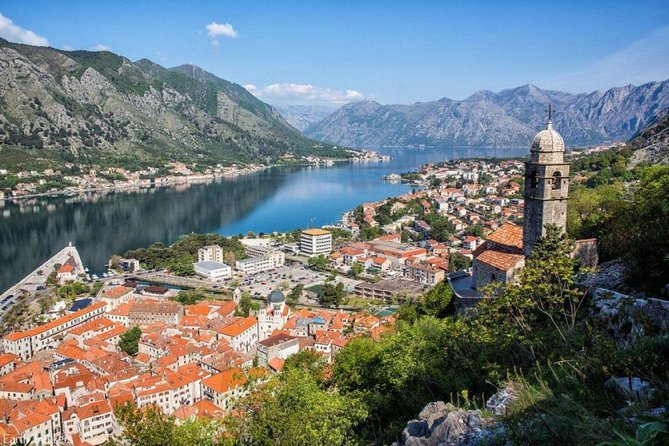
First stop is Kotor, a UNESCO site and one of those places where the old town feels like a maze on purpose. The street plan is described as chaotic, but that chaos had a defensive logic: it confused intruders. You’ll also visit Saint Luke’s Church, which matters to locals as a symbol of unity. Expect walking through narrow cobblestones and the kind of close-up stone details you don’t get from a quick photo stop.
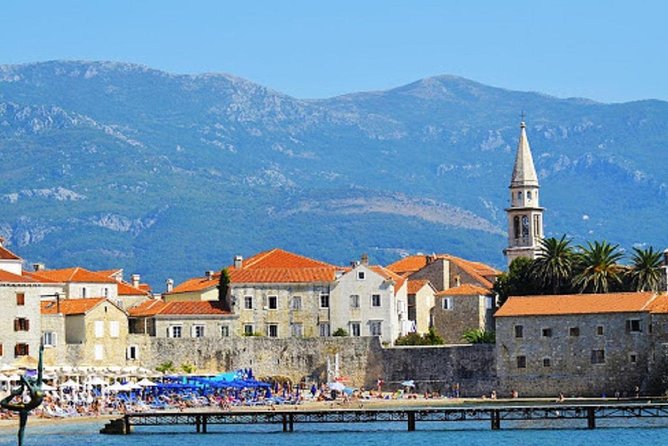
Later you drive to Budva, split into Old Budva and New Budva. Old Budva is the prize: medieval streets and churches you can actually pause in, including St. Ivan’s Church and the small Church of St. Mary. If you like towns that feel lived-in rather than staged, you’ll enjoy the older quarter more than the resort-side atmosphere.
Day 2: Tirana’s checkpoints, Blloku cafes, and Skanderbeg Square
After breakfast, Day 2 shifts gears into the capital of Albania: Tirana. You check in, then the tour becomes a “walk the city with context” day, mixing architecture with the political story that shaped it.
You begin at Postblloku (Checkpoint), a memorial tied to Albania’s communist-era isolation. It’s not just a statue moment; it’s meant to frame what you’re about to see next—Blloku Neighborhood. This area was restricted for communist leadership, and now it’s one of the most active zones in town, full of cafes, boutiques, and street art.
From there you move through key city landmarks, including Skanderbeg Square, surrounded by major institutions like the National Museum and the Ethem Beu Mosque. You also head toward Tirana Castle, now a pedestrian space where modern and traditional mix. The religious story is part of the route too: you’ll pass the Namazgah Mosque (described as the largest in the Balkans) and see the Orthodox Cathedral and Catholic St. Paul’s Cathedral as you learn how religion was treated under the 1967 atheist state policy.
Tip: Tirana is the kind of city where a guided walk helps a lot. You’ll understand what you’re looking at—why a square exists, why one neighborhood was restricted, and how the city grew around those forces.
Day 3: Berat’s 1001 windows and Ohrid’s lake-view magic
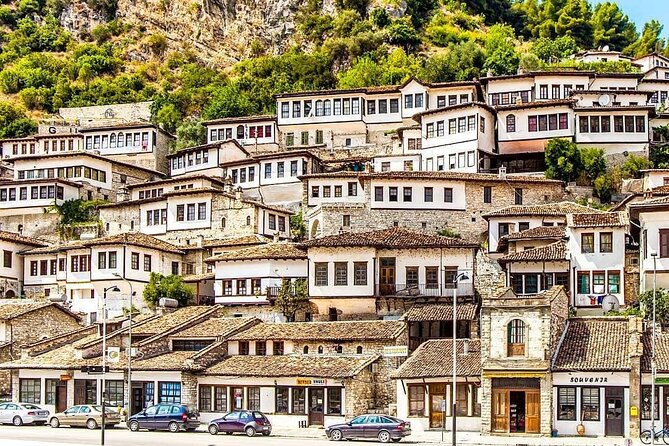
Day 3 is UNESCO day #2. First you visit Berat, famous for its “town of 1001 windows.” The medieval hillside houses stack in layers, and that layering creates the effect—windows seem to sit on top of windows. It’s easy to see why this got UNESCO attention: it’s a real urban pattern, not a single monument.
Berat’s story goes way back, with Illyrian settlement roots and later development as a castle city. One detail I love from the way the town is described is that residents still live within the castle walls. It’s not just a museum backdrop.
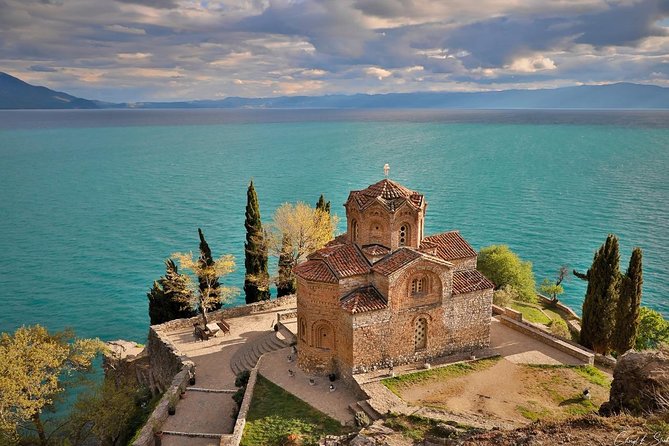
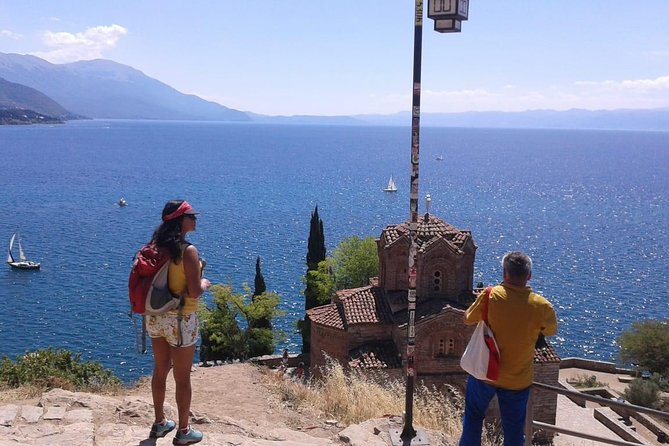
You also visit Berat Castle and then continue to Ohrid, described as one of Europe’s oldest human settlements. Ohrid and Lake Ohrid are UNESCO-listed since 1980. The day balances sweeping views with small, specific stops: you’ll visit the viewpoint of Church of St. John at Kaneo, and you’ll learn why Ohrid is tied to Orthodox tradition—famous for 365 Orthodox churches, one for each day of the year.
Later comes a crafty, memorable cultural stop: the National Workshop for Handmade Paper Ljupcho Panevski in Ohrid. You’ll see how handmade paper works using techniques said to date back to the time of Gutenberg, and you can buy a piece of handmade paper as a souvenir. If you like travel mementos that aren’t plastic magnets, this is a strong choice.
Day 4: Skopje’s bridges, Old Bazaar, and Prizren’s Ottoman character
Skopje is where the tour leans into big-city visuals while still keeping the old-town pulse. You’ll have a short stop first to orient yourself—Skopje is described as a blend of European, Ottoman, and Asian influences.
Then you see some signature structures: the Stone Bridge, plus Alexander the Great as a major focal point. Another highlight is the Art Bridge, which links to the Archaeological Museum and is lined with street lanterns and statues of Macedonian artists and musicians. If you like walking city photography, this is a fun area for it.
You also visit the Old Bazaar of Skopje, described as the biggest one in the Balkans, where modern life and older lanes coexist. And high on the hill is the cross symbol of the city—visible from far away.
After Skopje, you drive to Prizren, often described as Kosovo’s cultural capital. Here you’ll see a mix of Illyrian, Byzantine, and Ottoman influence, plus a key urban feature: a river cutting through the old town and flowing under multiple bridges. You’ll visit Sinan Pasha Mosque, known for ornate arabesque color and pattern, and you’ll go up to Kalaja Fortress for panorama views over the town.
Practical note: Prizren is scenic but can involve hilly walking. Wear shoes that handle old stone steps.
Day 5: A slow-food farm day, Shkodra walls, and Venetian-style masks
Day 5 begins with something that feels different from the usual “church, museum, clock tower” pattern: a slow-food agro-tourism farm called Mrizi i Zanave – Restorant Agroturizëm. You take a tour around the farm and learn how it supports jobs—over 400 people in the surrounding area.
The farm collects, elaborates, and preserves regional bio fresh local products, and it’s also described as adapting old communist buildings for storage. You’ll have free time to enjoy a traditional lunch or shop for fresh produce. Even if you don’t do much shopping, this stop helps you understand how food systems work in the region, not just how to eat while sightseeing.
Later you move to Shkoder (Shkodër) in Albania. It’s tied to the biggest lake in the Balkans (Shkodra Lake), and you’ll hear historical anchors like the Shkodra castle wall dating back to the 1st millennium BCE. The Roman historian Livy is referenced too, linking Shkodra to the Illyrian king Gent and his fight against the Romans in 168 BC.
The last scheduled stop of the day is a workshop that’s genuinely fun if you like crafts: Venice Art Mask Factory. Inspired by Venetian traditions, the studio makes papier-mâché masks by hand, painted and decorated entirely by hand—classic carnival styles and imaginative modern ones.
If you’re traveling with someone who likes hands-on souvenirs, this is a better buy than most gift shops.
Day 6: Lake Skadar wildlife time and Podgorica in the evening
After breakfast, you head north toward the border with Montenegro. The route gives you more countryside scenery—rolling green hills, villages, and occasional glimpses of Shkodra Lake.
The real focus is Lake Skadar, described as the largest lake in the Balkans and a protected national park. It’s home to over 260 species of birds, including pelicans and herons. This is the day for quieter photos and a break from constant town streets.
Then you arrive in Virpazar, a lakeside village often called the gateway to Skadar’s national park. You’ll have time to stroll, browse a small local market, or relax with coffee or a glass of local wine while overlooking the water. You’ll feel the shift: less “monument rush,” more “slow view.”
Finally you continue to Podgorica, Montenegro’s modern capital. The tour gives you a short orientation and then the evening is yours—Millennium Bridge, Old Ribnica River, and Independence Square are named as main sights. This is where you can eat well without a rigid schedule.
Day 7: Blagaj and Mostar, from Buna springs to Stari Most
Day 7 crosses into Bosnia & Herzegovina, and you start with Blagaj, just outside Mostar. Blagaj is described as an Ottoman medieval town set at the foot of a cliff, with blue waters in front and the imposing spring of the river Buna. This stop works because it’s scenic and calm before the density of Mostar.
Then you head to Mostar, and the day centers on UNESCO-listed Old Bridge, Stari Most, built in the 16th century with typical Islamic architecture. You’ll also walk through the Old Bazaar, where the atmosphere feels alive and colorful, and you’ll see memorial stones around town marked with Don’t Forget to commemorate history.
One extra architecture stop matters too: Bišćevića Kuća, a preserved 17th-century Ottoman riverside house. It’s a smaller, more intimate look at the life of a wealthy Ottoman family than a big museum. If you love how houses tell stories, don’t rush this portion.
Tip: Mostar walking can be steep in places. Pace yourself and plan for breaks, especially if the weather turns warm.
Day 8: the Croatia border run back to Dubrovnik
On the final day, it’s simpler: your tour leader takes you toward the Croatian border, and then a local representative (driver) shuttles you back to your hotel in Dubrovnik. This is the “you’re done, but we’ll still handle the logistics” day.
By this point, the route can feel like a blur—so I recommend one thing: take time to slow down at least once in Dubrovnik after you return. You’ve spent days in stone towns and border crossing rhythms. Dubrovnik’s medieval shape deserves a calmer goodbye.
Semi-private logistics: what you should expect in the car and on your feet
This is a semi-private format capped at maximum 10 travelers. That cap matters. With fewer people, the guide can adjust pacing and answer questions without rushing the group every five minutes.
Transport is private, and you get hotel pickup and drop-off in Dubrovnik or Kotor. Pickup starts at 7:30 am from Dubrovnik in the standard plan, but you can request a Dubrovnik pickup at 9:00 am or pickup from Kotor at 11:00 am, free of charge, if you make the request at least 12 hours before departure.
Now for the reality check: one part of the experience can be sensitive—vehicle planning. In at least one account, an electric car was used, and the need to find charging stations caused timeline friction and required longer walks by the guide. That doesn’t mean it will happen to you every time, but it’s a smart question to ask: what kind of vehicle you’ll be using and how charging is handled.
Also: wear walking shoes. Old towns mean cobblestones, slopes, and steps. Even when sightseeing time is short, the ground can be demanding.
Price and value: why this tour costs what it costs
At $3,434.13 per person for about eight days, this isn’t cheap. The value comes from stacking a lot of paid services into one package:
- Private transportation across multiple countries
- Professional tour leader
- Accommodation with breakfast included (bed-and-breakfast)
- Hotel pickup/drop-off in Dubrovnik or Kotor
- Entry tickets for the sites listed as visited
- Taxes and road/insurance costs (tourist taxes, international car insurance, road taxes, petrol)
Meals are not included—lunches, dinners, drinks, and snacks are on you. That’s a big deal for budgeting. If you like full sit-down meals every day, add that into your total cost now, not later.
Rooms are priced based on double/twin/triple/quad occupancy in 3-star hotels. Single travelers can book a single room with an extra €50 per night per person. If you’re traveling solo and want good value, this is often the difference between “great deal” and “ouch.”
One mixed note: hotel feedback isn’t uniform. Some people were happy with the stays; others called out small rooms and breakfast quality that didn’t match expectations. So if you’re picky about mornings and room space, you’ll want to manage that risk before booking.
Who should book this, and who should skip it
This tour fits well if you want:
- a multi-country route without doing the planning yourself
- lots of UNESCO sites plus smaller culture stops like handmade paper and a mask workshop
- a guide-led day-by-day structure that helps you connect the dots between eras—Ottoman, communist, and religious shifts
You might want to skip it if you:
- hate long driving days and steady movement
- are sensitive to room size or breakfast quality
- need full meal coverage (since lunch and dinner aren’t included)
This is best for travelers who pack light, walk comfortably, and treat the itinerary like a guided outline—with room in your evenings to choose where and what you eat.
Should you book Pearls of the Balkans?
I’d book it if your top priority is variety across the Balkans with private transport and guided context, especially if you enjoy UNESCO towns but also like the in-between stops (craft workshops, paper-making, slow-food farm time, and lake views).
I’d think twice if hotel comfort and breakfast quality are dealbreakers for you, or if you strongly prefer a flexible schedule with zero vehicle-related surprises. In that case, ask questions up front about vehicle type and how charging breaks are handled, and be ready to adapt.
If that sounds like your style, this route can be a smart way to see a lot—without feeling lost in the logistics.
FAQ
What time does the tour start in Dubrovnik?
The standard start time is 7:30 am, with pickup from your Dubrovnik hotel. There is also an option to request a 9:00 am pickup from Dubrovnik.
Can I be picked up from Kotor instead of Dubrovnik?
Yes. On request (at least 12 hours before departure), the tour can pick you up on Kotor at 11:00 am, free of charge.
Is hotel pickup and drop-off included?
Yes. The tour includes hotel pickup and drop-off in Dubrovnik or Kotor.
What’s included in the price, and what isn’t?
Included: bed-and-breakfast for overnights, private transportation, professional tour leader, site entry tickets for visited sites, tourist taxes, and road/insurance costs. Not included: lunches, dinners, drinks, snacks, and souvenirs.
Is a single room available?
Yes, single room occupancy is possible with an extra charge of €50 per night per person in a 3-star hotel.
How many people are in the group?
The tour has a maximum of 10 travelers.
FAQ
Can I cancel or change my booking?
No. The experience is non-refundable and cannot be changed for any reason.
Should you book this tour?
Book if you want a structured, guided, multi-country Balkans trip with UNESCO highlights and real cultural stops, and you’re comfortable paying extra for meals. Consider skipping or researching further if you’re highly sensitive to hotel room size, breakfast quality, or if vehicle charging logistics would stress you out.