REVIEW · ZAGREB
Zagreb in a day including cable car to Medvednica Nature park
Book on Viator →Operated by Limitless Balkan · Bookable on Viator
Zagreb is best when it comes with a plan. This private day blends a guided walk through the city center with a real nature break on Medvednica via the Sljeme cable car, so you get both city details and fresh air in one go. I like the focus on your group, because you’re not sharing a guide with strangers, and I like the way the day mixes headline landmarks with smaller, story-rich corners.
My other big plus is that you get comfortable private transportation for the driving portions, while the walking stays manageable with short stops. One thing to keep in mind: the route includes hills and uneven streets in the Upper Town, and the day is best when the weather is decent for views from Sljeme.
In This Review
- Key highlights worth your attention
- A private Zagreb day that doesn’t feel rushed
- Zrinjevac start: Zagreb’s Green Horseshoe and a weather relic from 1884
- Ban Jelačić Square and the cathedral skyline you can’t ignore
- Dolac Market: where Zagreb shopping becomes a cultural stop
- Saint Francis Church and the quieter side of Opatovina
- Tkalčićeva Street, Krvavi Most, and the medieval border story
- Grič Tunnel: WWII engineering now used for art and foot traffic
- Funicular + Lotrščak cannon: a shortcut that also teaches
- Lotrščak Tower
- Gornji Grad (Gradec): the streets where St Mark’s Square tells Croatia’s story
- St Mark’s Square and the tiled roof
- Stone Gate: Kamenita Vrata and candle-light spirituality
- Radićeva Street and the Upper Town walk toward culture
- HNK and the Art Pavilion: when Zagreb looks like Vienna’s neighbor
- Croatian National Theatre (HNK)
- Art Pavilion (Umjetnički paviljon)
- The main railway station: Zagreb’s 1892 gateway
- Mamutica and Mirogoj Cemetery: the day’s two big mood shifts
- Mamutica
- Mirogoj Cemetery
- Sljeme Cable Car and Medvednica: the nature part you’ll remember
- Sljeme Cable Car
- Medvednica and Sljeme
- Time, fitness, and weather: how to make this day work
- Price and value: what you’re actually paying for
- Should you book this Zagreb in a day with Medvednica?
- FAQ
- How long is the Zagreb in a day tour with the Medvednica cable car?
- Is this tour private?
- What’s included for transportation and mountain time?
- Are meals included?
- Do I need tickets for the funicular and Medvednica?
- Is the Lotrščak Tower ticket included?
Key highlights worth your attention
- Private guiding for your exact pace, with live commentary that connects monuments to real events
- Zagreb-to-forest contrast, capped by the Sljeme cable car and time in Medvednica Nature Park
- Icons plus oddballs, like the 1884 meteorological post at Zrinjevac and WWII Grič Tunnel
- Easy transport in the middle, including the funicular up to the Upper Town
- Tons of stops with free entry, so your money goes to guide + transportation rather than admissions
- A day that can flex, since guides can adjust timing if weather or your interests change
A private Zagreb day that doesn’t feel rushed
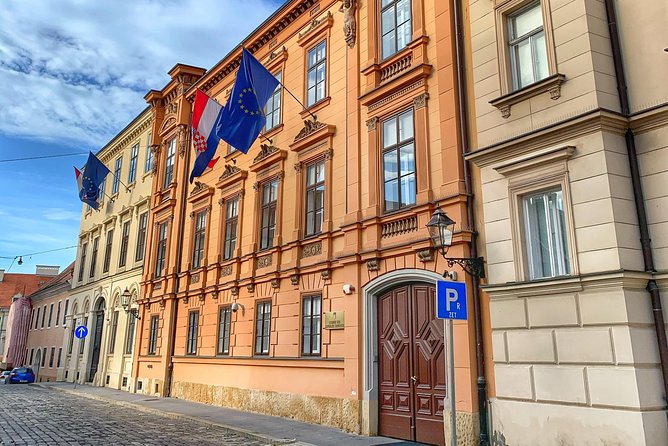
This is the kind of tour that works because it’s built for flow. You start at Zrinjevac, do a well-paced walk through central sights, then switch gears to the mountain for a view-and-trail reset. The structure matters: most city stops are short, which keeps your legs from turning into complaint letters by midday.
Another thing I like is the guide format. The tour includes both a local guide and a professional guide, and that tends to show in the way the commentary sticks to facts you can actually see—statues, churches, street names, and the “why” behind them. If you’re the kind of traveler who hates standing in silence, this is your style.
The tour is also priced like you’re buying time and convenience, not just sightseeing. At $300.35 per person, the value is strongest if you want a private guide, air-conditioned vehicle support for driving parts, and the cable car included. If you’re the type who prefers to wander without paying for a guide, you’ll feel the cost. But if you want a guided day that saves you from planning—this does that job.
You can also read our reviews of more tours and experiences in Zagreb.

Zrinjevac start: Zagreb’s Green Horseshoe and a weather relic from 1884
Your day begins at Zrinjevac, a historic park square right in the city core. This is one of the best places to start because it gives you immediate context: it’s part of the “Green Horseshoe,” a linked chain of parks and squares that shape Zagreb’s center.
Look for the plane trees, flowerbeds, and the way the square feels like a calm pocket inside the city. Then there’s the standout detail: the 1884 meteorological post, a cast-iron column built in 1884 that once measured things like temperature and atmospheric pressure. It’s one of those objects that makes a city feel lived-in, not just photographed.
A practical tip: Zrinjevac is a nice early reset point. If you arrive early, take five minutes to sit and orient yourself. Your guide will use that “soft start” to set the storyline for the rest of the day.
Ban Jelačić Square and the cathedral skyline you can’t ignore
From Zrinjevac, you move to Ban Josip Jelačić Square, Zagreb’s main crossroads. The equestrian statue is hard to miss, made by Anton Dominik Fernkorn in 1866. A detail worth hearing about is that the statue returned to the square in 1990 after being removed during the Yugoslav era—so even a statue has a timeline here.
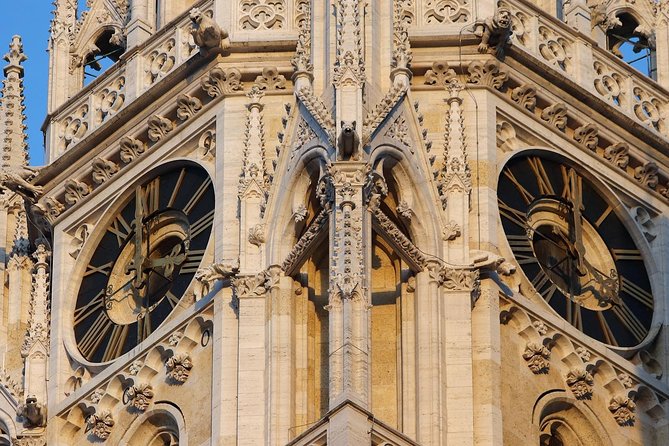
The cathedral area is next, and it’s the kind of landmark that instantly gives you Zagreb’s skyline identity. The Zagreb Cathedral is Gothic and tall enough to be described as the tallest building in Croatia, with twin spires. It began in the 13th century but has been reshaped over time, including reconstruction after the 1880 earthquake.
If you’re visiting for architecture, focus on the contrast between the cathedral’s size and the medieval feel of the streets around it. If you’re more into atmosphere, this area gives you both: calm stonework and steady foot traffic, plus the feeling that Kaptol was once the religious center.
Dolac Market: where Zagreb shopping becomes a cultural stop
Then you hit Dolac Market, often called the belly of Zagreb. It’s the right choice for a tour day because it’s visual, sensory, and fast. The market started in 1930, and the red umbrellas are basically Zagreb’s unofficial flag.
Dolac is divided into an open-air level and a covered section below. The covered area is where you’ll see butchers, fishmongers, and cheese vendors—while the upper level is fruit, vegetables, and flowers. Even if you don’t buy anything, it’s one of the best places to understand daily life: seasonal produce, local sellers, and the rhythm of people making choices in real time.
Practical move: bring small cash or a card you’re comfortable using. Food isn’t included, but market snacks are the easiest way to fill a gap without wasting time later.
Saint Francis Church and the quieter side of Opatovina
You also stop at the Church of Saint Francis in the Opatovina area. Compared with the cathedral, it feels small and calmer. It dates to the 13th century and is connected to a Franciscan monastery complex.
The interior is where it rewards you: religious artwork, stained glass, and altars, with architectural influences shaped by later changes. After the 1880 earthquake, reconstructions added layers, so you’ll see hints of Gothic and Baroque across the centuries.
The “tour-day” value here is that it breaks up the big landmark intensity. If your feet are tiring, this is a good moment to slow down and listen to the stories in a quieter setting.


Tkalčićeva Street, Krvavi Most, and the medieval border story
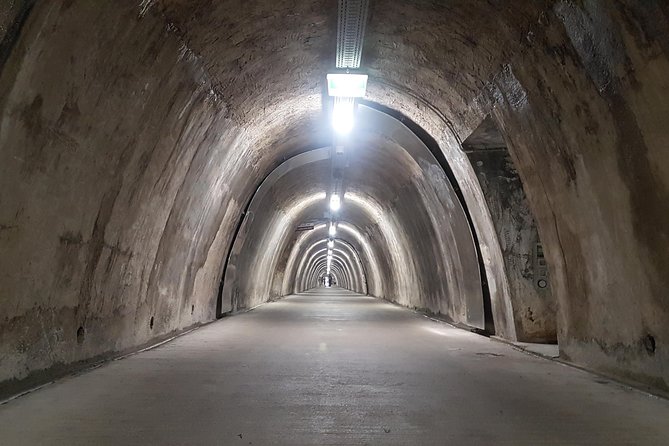
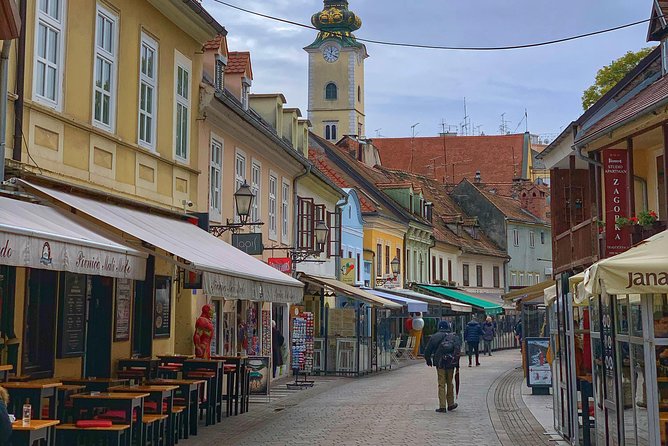
Next comes the walking pleasure: Tkalčićeva Street. It’s a pedestrian street lined with cafes, bars, boutique shops, murals, and sculptures. The fun part is how the history connects to what you’re seeing: the street used to be a stream called Medveščak, and historically it was a border between two rival medieval towns—Kaptol and Gradec.
Then you cross to Krvavi Most, or Bloody Bridge. There’s no actual bridge there today, but the name points to medieval clashes between the two towns when violence broke out near the stream. It’s a reminder that urban layouts often preserve old conflict lines in street names.
If you love people-watching, this is a strong pause zone. If you’re not in that mood, keep walking. The street is still useful because it helps you understand how Zagreb’s city center transitioned from medieval division to modern unity.
Grič Tunnel: WWII engineering now used for art and foot traffic
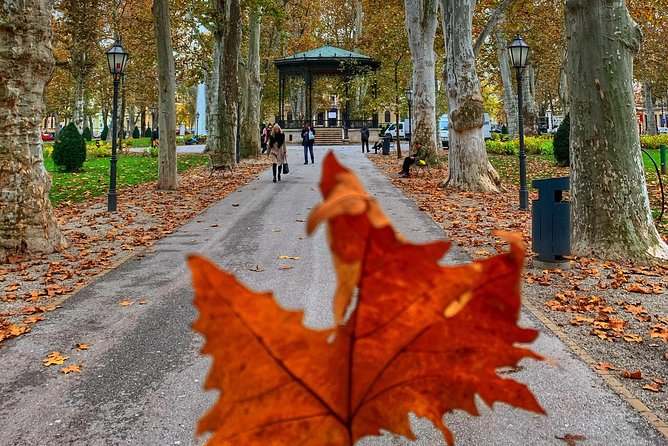
One of the more surprising stops is Grič Tunnel under the Upper Town. Built in 1943 during World War II, it was designed as a bomb shelter and safe passage for civilians. It runs about 350 meters and includes multiple entrances.
After the war, it didn’t stay a main attraction for years. In recent times, it was revived with new uses: today it functions as a pedestrian passage and also hosts cultural events, exhibitions, and art installations.
Practical note: the tunnel interior is cooler and dimmer than the streets above. It’s a good “rest for the senses,” especially on warm days, but it also means your phone camera might struggle. Don’t expect bright photos; expect atmosphere.
Funicular + Lotrščak cannon: a shortcut that also teaches
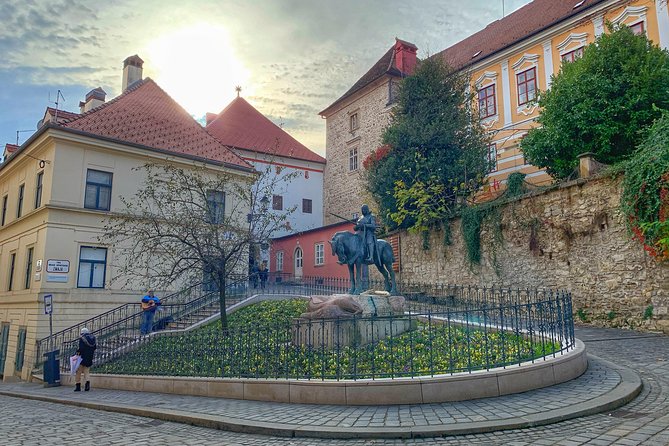
Zagreb’s funicular railway, locally called Zagrebačka uspinjača, is included. It has been running since 1890, and it’s short—about a minute—because the track length is only 66 meters. Even so, it’s one of those transport details that turns into a sightseeing moment.
The top station connects you directly to the Upper Town experience, and here’s the best timing trick: Grič cannon fires at noon daily. Your tour includes the funicular and then takes you toward Lotrščak Tower, so if you’re near noon when you arrive, you may hear the boom. Ask your guide to check your timing if you’re hoping to catch it.
Lotrščak Tower
Lotrščak Tower is a medieval fortress built in the 13th century. The name ties to the idea of thieves, since it guarded the southern gate area. Today, the tower is most famous for housing the cannon that has fired at noon since the 19th century (with the tradition starting in 1877).
The tower is listed as not included for admission on this tour, so if you want to go inside, plan to pay separately. Even without entry, the exterior and the cannon tradition alone explain a lot about Zagreb’s daily rhythm.
Gornji Grad (Gradec): the streets where St Mark’s Square tells Croatia’s story
Now you’re in Gornji Grad, also known as Gradec, Zagreb’s Upper Town. It started as a medieval fortified settlement and later merged with neighboring Kaptol in 1850. Walking here is different: narrow cobblestone streets, baroque-era buildings, and views that feel like you’re stepping into an older city layer.
One of the biggest reasons the tour works is that it doesn’t just name sites. It shows you how the Upper Town ties together religion and government.
St Mark’s Square and the tiled roof
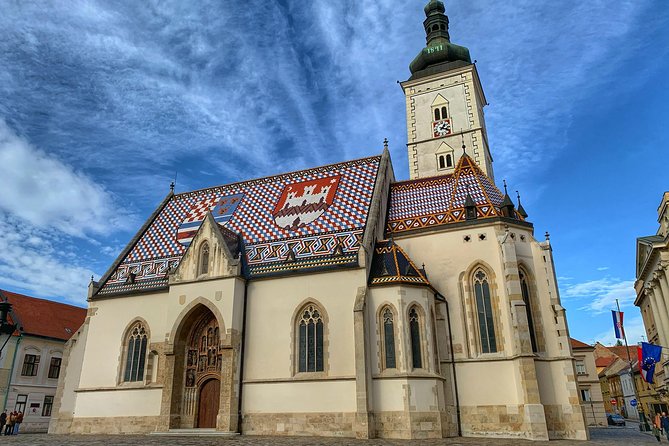
St Mark’s Square is the political and historical epicenter of Croatia. The centerpiece is St. Mark’s Church, a 13th-century structure with that famous multicolored tiled roof showing the coat of arms of Croatia, Dalmatia, Slavonia, and Zagreb.
Around the square you’ll see the Croatian Parliament (Sabor) and Banski Dvori, linked to the government and the Prime Minister’s official residence. Even if you don’t care about politics, standing here helps you understand why this area is more than a pretty viewpoint.
Stone Gate: Kamenita Vrata and candle-light spirituality
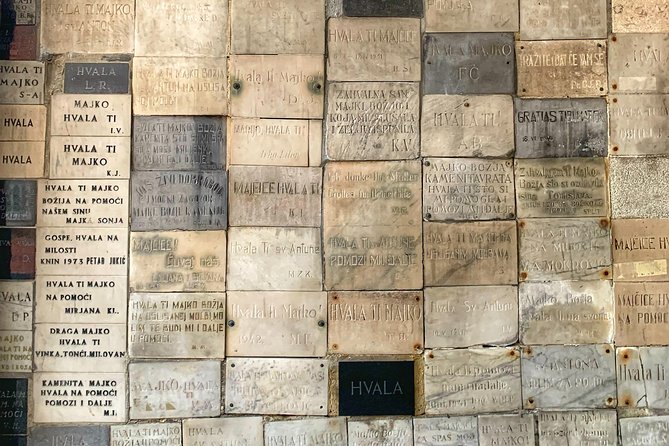
Next is Kamenita Vrata (Stone Gate), the last remaining original medieval city gate. Dating to the 13th century, it’s also deeply spiritual. Inside, there’s a chapel-like space with a painting of the Virgin Mary with Child believed to have miraculous powers.
Here’s a detail that makes the stop memorable: the painting survived a fire in 1731, and that event is tied to the gate’s sacred status. Today, locals and visitors stop to light candles and leave votive offerings.
If you’re touring with kids or you’re not a church person, this still works because it’s visual and story-driven. It’s less about doctrine, more about what people choose to remember.
Radićeva Street and the Upper Town walk toward culture
Radićeva Street is a natural connector in the Upper Town route. It runs from Ban Jelačić Square up toward Stone Gate and is known for a mix of medieval and 19th-century architecture, cobblestones, and lots of small shops and courtyards.
What I like about Radićeva in this kind of tour is that it helps you move from “big icon” mode to “slow wander” mode without losing the guide’s narrative. You can pause for a photo, but you’ll also understand why the street layout matters.
HNK and the Art Pavilion: when Zagreb looks like Vienna’s neighbor
Two cultural stops bring a different visual tone to the day.
Croatian National Theatre (HNK)
The Croatian National Theatre, or HNK, is a neo-Baroque landmark with a striking yellow facade. It opened in 1895 by Emperor Franz Joseph I, designed by Viennese architects Hermann Helmer and Ferdinand Fellner. Around Trg Republike Hrvatske, the square is framed by major cultural institutions, plus a notable sculpture called The Well of Life by Ivan Meštrović.
Art Pavilion (Umjetnički paviljon)
The Art Pavilion is next, and it’s one of those places where architecture becomes part of the reason to visit. It’s an exhibition space built for the 1898 Millennial Exhibition in Budapest and later reassembled in Zagreb. It blends secessionist and historicist styles, with a glass dome and a bright yellow facade.
These stops don’t drag. They’re short, photo-friendly, and they show how Zagreb uses culture as public identity, not just museum behavior.
The main railway station: Zagreb’s 1892 gateway
The Main Railway Station (Glavni kolodvor) at King Tomislav Square is an easy win on a day tour. It opened in 1892, designed by Ferenc Pfaff, and it’s a mix of neoclassical and historicist elements.
It’s also practical context: this station has long been Zagreb’s transport gateway. Seeing it helps you understand why so many European connections funnel through the city center, including the way visitors typically arrive and then immediately start their walking loops.
Mamutica and Mirogoj Cemetery: the day’s two big mood shifts
After the classic sightseeing, the tour adds two stops that change the vibe.
Mamutica
Mamutica is in the New Zagreb district and is known as a symbol of Yugoslav architectural ambition. Built in the 1970s in a Brutalist style, it’s described as the largest building in Croatia. It stretches over 240 meters and includes more than 1,100 apartments.
This is worth visiting even if you don’t like Brutalism, because it gives you perspective on how Zagreb grew after the medieval core. It’s a living reminder that the city did not stop becoming “historic” after the Upper Town.
Mirogoj Cemetery
Then comes Mirogoj Cemetery, established in 1876 and designed by Hermann Bollé. It’s known for ivy-clad arcades and domes, and it functions as both cemetery and park. What I appreciate is the cultural message: it’s inclusive, welcoming people of all faiths, and it includes tombs of notable Croatian figures.
It’s also a calm break. Even with a guided schedule, this stop helps you reset before the mountain portion.
Sljeme Cable Car and Medvednica: the nature part you’ll remember
The tour’s finale is the real payoff for a “city in a day” plan: Medvednica Nature Park via the Sljeme cable car.
Sljeme Cable Car
The Žičara Sljeme cable car was reopened in 2022 after renovations. The ride takes about 20 minutes and uses spacious cabins designed for comfort. At the top, you can find hiking trails, and in winter you can ski. There are also mountain lodges where you can enjoy traditional Croatian dishes.
If you’re traveling in shoulder season, this is a smart move because it’s still a scenic ride even when you’re not planning serious hiking.
Medvednica and Sljeme
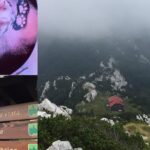
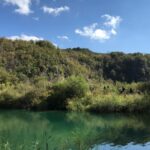
Medvednica is a protected nature park north of Zagreb, with dense forests and scenic trails. It’s over 42 kilometers and supports outdoor activities year-round: hiking and mountain biking in warmer months, skiing in winter.
The highlight is Sljeme, the highest peak at 1,033 meters. The area includes ski slopes that have hosted FIS World Cup skiing events. Beyond skiing, you can also find attractions like the Medvedgrad fortress, educational paths, and cozy lodges.
Practical advice: bring layers. Even in summer, the mountain can feel cooler and breezier than the city. And because food and drinks aren’t included, you’ll want a plan for where to stop for a drink or snack at the top.
Time, fitness, and weather: how to make this day work
The tour is about 6 to 8 hours, and the walking includes hilly Upper Town streets. You don’t need to be a marathon runner, but you do want moderate physical fitness. Wear shoes with grip, and expect some cobblestones.
Weather matters too. The tour notes it operates in all weather conditions, but it also requires good weather. If conditions are poor enough to cancel, you should plan on a change of date or refund.
If you’re the type who hates unpredictability, go in a season when forecasts are stable. If you’re flexible and you enjoy slow scenic walking, this is a solid format.
Price and value: what you’re actually paying for
At $300.35 per person, the “value math” comes from three things.
First, you’re paying for a private tour with a guide who handles the story and keeps the day flowing. Second, you’re paying for private transportation for driving portions, which saves your energy and reduces time spent figuring out logistics. Third, the cable car to Medvednica is included, along with the funicular ride.
Also, many key sights on the city side are marked free for admission in the tour notes. That means you’re less likely to get hit with an “admissions fatigue” problem where you keep paying just to move forward.
Should you book this Zagreb in a day with Medvednica?
Book it if you want a guided day that mixes the famous Zagreb hits with more unusual stops like Grič Tunnel and the 1884 meteorological post, and you also want the payoff of mountain views without needing to plan a separate trip. This is especially a good fit if you like structure, hate transit hassle, or want your guide to help you understand why things exist—not just what to photograph.
Skip it if you’re mostly in wander mode, plan to spend a week in Zagreb and can do Medvednica on your own later, or you know you dislike walking on cobblestones and hills.
If you do book, one smart move is to ask your guide about timing around noon, since the cannon tradition can be a memorable moment if your schedule lines up.
FAQ
How long is the Zagreb in a day tour with the Medvednica cable car?
It runs about 6 to 8 hours.
Is this tour private?
Yes. It’s a private tour/activity for just your group.
What’s included for transportation and mountain time?
You get an air-conditioned vehicle for the driving portion, private transportation, and a cable car ride to Medvednica (Sljeme). The funicular ride is also included.
Are meals included?
No. Food and drinks are not included.
Do I need tickets for the funicular and Medvednica?
The funicular admission is included, and the Sljeme cable car plus Medvednica mountain time are included.
Is the Lotrščak Tower ticket included?
No. Lotrščak Tower admission is not included, so you would need to arrange that separately if you want to go inside.