REVIEW · DUBROVNIK
Pelješac Full-Day Wine and Food Tour from Dubrovnik
Book on GetYourGuide →Operated by Dubrovnik FOOD Story · Bookable on GetYourGuide
One day, two worlds: sea oysters and red wine. This Pelješac full-day tour runs out of Dubrovnik and swaps city views for steep vineyard slopes and the kind of slow, local food-and-wine hospitality Croatia is famous for. You’ll meet family producers, taste as you learn, and drive through the peninsula’s coastline where Plavac Mali and Dingac grapes actually grow.
I love the fresh oyster experience paired with local wine—it’s a very different kind of “tasting” when you’re eating something pulled from the sea. I also like that the group stays small (up to 8), so the guide—often Oliver, with Dubrovnik FOOD Story—can keep conversations going instead of rushing through facts.
One consideration: this tour is not for vegans or vegetarians, and it also isn’t designed for children under 18 or wheelchair users. If your food needs are strict or your mobility is limited, you’ll want to choose something else.
In This Review
- Key points to know before you go
- Dubrovnik to Pelješac in 8 hours: worth the day-trip drive
- Ston walls and salt works: history you can actually see
- The oyster farm stop: why fresh-from-the-sea tastes different
- Pelješac vineyards and three family wineries: learning that doesn’t feel like school
- Marenda in a konoba: the brunch that turns into the meal you remember
- Transport, timing, and small-group comfort (the stuff that can make or break it)
- Price and value: why $259 can feel fair (or not)
- Who should book this Pelješac day—and who should skip it
- Should you book this tour?
- FAQ
- How long is the Pelješac wine and food tour from Dubrovnik?
- How big is the group?
- Is the tour guided in English?
- Does the tour include Ston salt works and sightseeing?
- What food and tastings are included during the day?
- Is this tour suitable for vegans or vegetarians?
- Are children allowed?
- Is the tour wheelchair accessible?
- What should I wear or bring?
- Is there free cancellation?
Key points to know before you go
- Fresh oysters paired with local wine on a farm-focused visit, not a generic restaurant stop
- Ston salt works + the medieval wall between Ston and Mali Ston (5.5 km)
- Three family wineries with vineyard time, cellar stories, and tastings that match the place
- Steep, sea-facing Pelješac slopes where Plavac Mali and Dingac grapes thrive
- Marenda brunch (konoba) with rustic Dalmatian cooking, sometimes prepared in front of you
- Small-group pacing with transportation in a comfortable air-conditioned vehicle
Dubrovnik to Pelješac in 8 hours: worth the day-trip drive
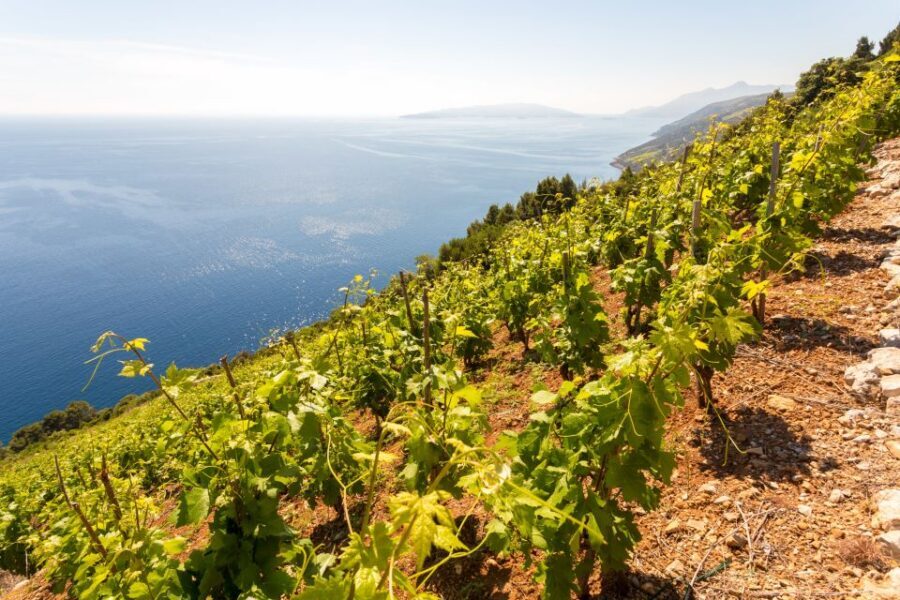
Pelješac is close enough to make a full day feel realistic: you’re looking at about a 1-hour drive from Dubrovnik into the wine country of southern Dalmatia. The schedule is packed, but the pacing makes sense. You’re not bouncing across the peninsula just to tick boxes. Each stop supports the next one—salt, sea food, then the red wine culture that grew around all this farming and fishing life.
The tour also keeps comfort in mind. You ride in an air-conditioned vehicle, and pick-up is handled from your hotel/private accommodation/cruise port area in Dubrovnik. The driver shows up with a sign, then waits up to 10 minutes past the scheduled pick-up time. That matters if your morning routine in Dubrovnik is slow—plan to be ready.
Small groups (8 participants max) change the feel of the day. You can ask questions without shouting. You get better explanations of why a wine tastes the way it does, why salt works mattered historically in this region, and why the vineyards are planted where they are. And yes, you’ll likely end up with practical food advice for the rest of your trip, because the guide tends to chat beyond the strict itinerary.
For the price—$259 per person—the value isn’t just “wine tasting.” You’re buying a full mix of transportation, guided sightseeing, farm-to-table food moments, and multiple tastings spread across family-run stops. If you’re the type who enjoys learning while eating, it’s easier to feel like your money is doing something.
You can also read our reviews of more food & drink experiences in Dubrovnik
Ston walls and salt works: history you can actually see
Before you get deep into Pelješac wine country, the tour starts in Ston and Mali Ston area. This is a medieval setting with a big physical clue: the wall system between Ston and Mali Ston stretches about 5.5 kilometers. When you see it in person, it’s hard to treat it like a trivia fact. It’s a defensive wall built to control territory, trade, and resources—especially salt.
Salt works are the other key stop. You’ll visit the salt works where salt has been produced using the same methods for hundreds of years. Even if you don’t know the chemistry, you’ll get the idea quickly: this is a landscape shaped by labor over generations. That context makes later food stops feel more grounded. You’re not just tasting; you’re understanding what locals depended on.
The time in Ston is built for more than a quick photo. You get food tasting in the area (regional bites), plus sightseeing time through the narrow streets. Ston is described as the second most important town in the Dubrovnik Republic, so it’s not just a stop on the way. It’s part of the story of how this corner of Croatia developed its food economy.
Is it a lot of walking? It can be a bit, especially if you add extra photo stops. Wear comfortable shoes and expect uneven streets. But it’s not the kind of stop that feels like a hard hike—more like a short, meaningful immersion into a place that still looks like itself.
The oyster farm stop: why fresh-from-the-sea tastes different
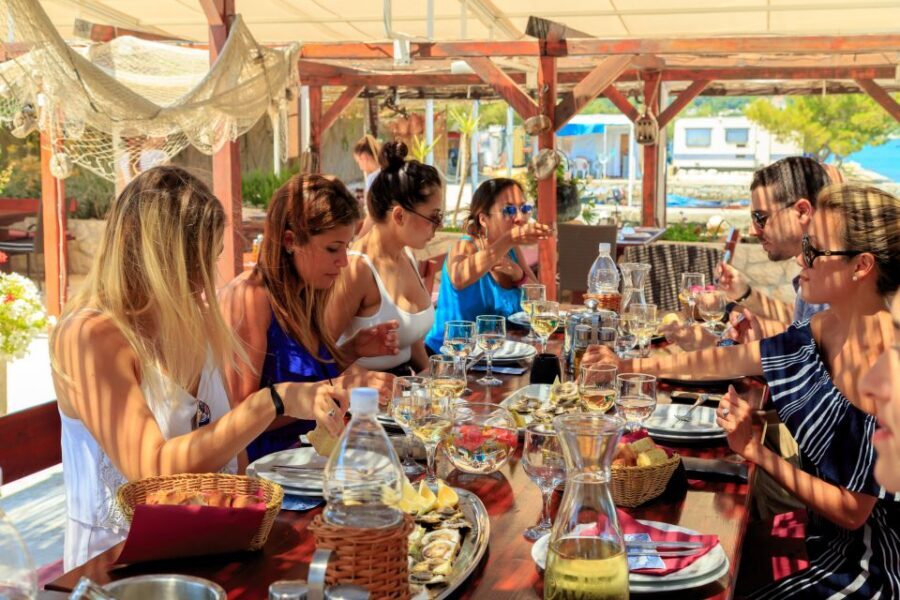
Pelješac isn’t only about grapes. It’s also about seafood. One of the tour’s most praised highlights is the family-owned oyster and mussel farm visit, where you taste oysters directly from the sea, paired with local wine.
In plain terms, this works because oysters have two “flavors.” There’s the immediate taste—briny, clean, lightly sweet—and then there’s the texture. Fresh oysters are firmer and feel less “sea-salty” in a harsh way. They taste alive. If you’ve had oysters in restaurants that feel hit-or-miss, this is the type of experience that resets your expectations.
You also learn how oyster growing works. In multiple accounts, the farm visit isn’t treated like a prop. The oyster farmer explains cultivation steps and daily routines tied to water and time. That’s what makes the pairing meaningful: the wine isn’t just a drink you’re handed with food. It’s connected to the same region and its farming logic.
If you’re on the fence about oysters, don’t skip the stop. People who expected to dislike them often end up surprised. The pairing with local wine is a big part of why it clicks.
One note for real-life planning: oysters are an early-morning type of food moment. If you tend to eat lightly in the morning, bring an easy appetite. You’ll also taste other items later, including salt-related history stops and winery food/snacks—so treat this as the start of a long day, not a single small appetizer.
Pelješac vineyards and three family wineries: learning that doesn’t feel like school
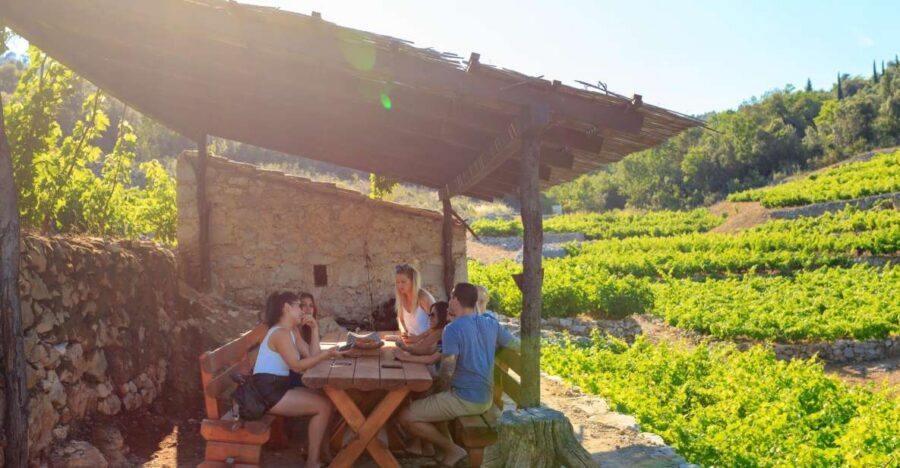
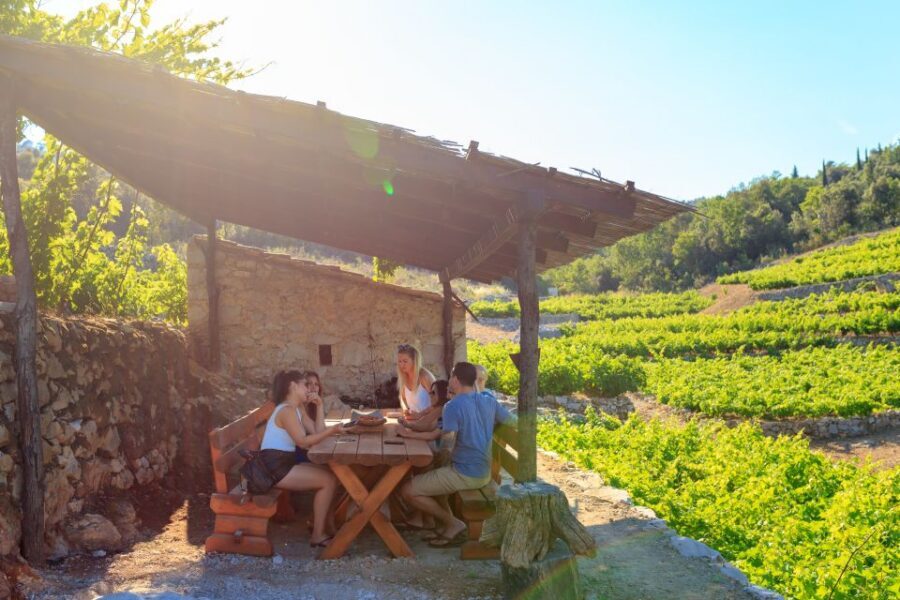
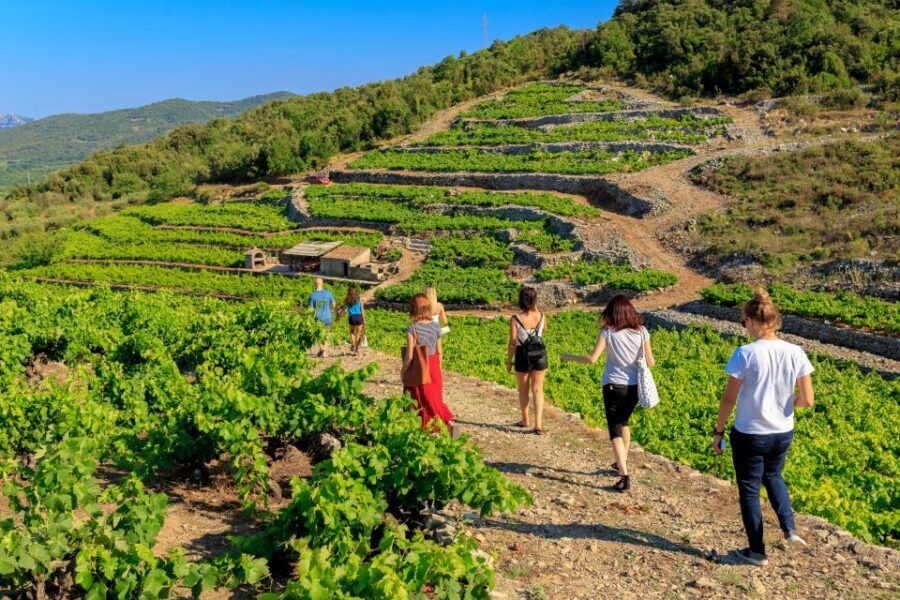
Pelješac is known for red grapes, especially Plavac Mali and Dingac. This matters because Pelješac wines taste the way they do largely due to where they grow: steep slopes that face the sea. The tour puts you where that geography becomes obvious. You’ll see vineyards climbing hills and understand why so much effort goes into grape growing on dramatic terrain.
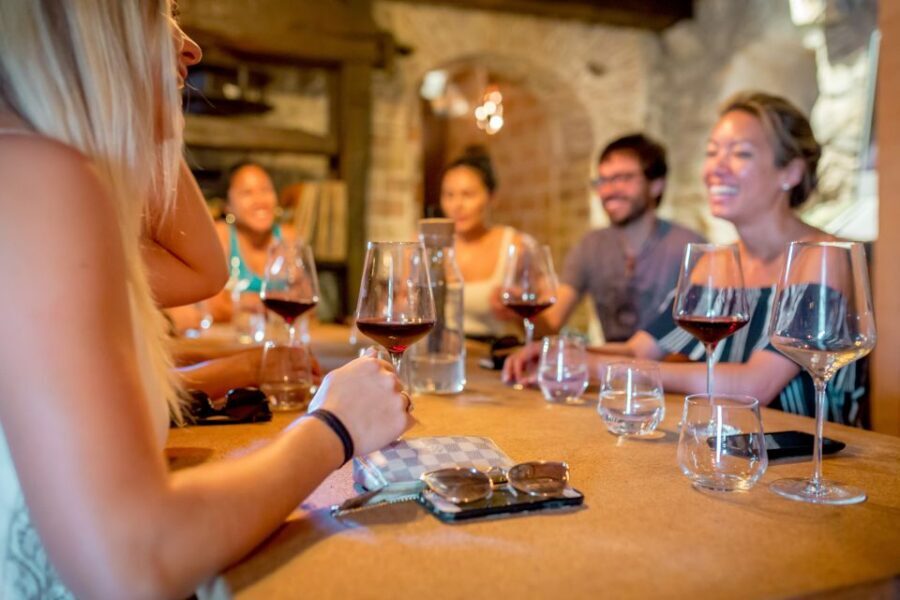
At the wineries, the emphasis is family-run production and real explanations. You’ll visit multiple charming family-owned wineries and spend time in both vineyards and wine cellars. The schedule typically includes a first tasting with snacks and then another tasting stop where the host prepares wine sampling between grape vines and walks you through what makes the Pelješac style specific.
What I like about this structure is that it builds a simple cause-and-effect chain:
- Steep, sea-facing slopes influence the grape character.
- Winery methods influence how those grapes become wine.
- Then you taste, and the story lands in your mouth.
You’ll also have tastings beyond wine. Included items list an organic olive oil tasting, fruit, and homemade liquors, along with traditional snacks at each winery. That’s a smart way to experience the region as food culture instead of only “sip and spit” wine tourism.
In reviews, people highlight how different the wineries feel from each other—some focus more on the view and cellar vibe, others feel more rustic and self-sufficient. Even without knowing the names in advance, you’ll get variety. That’s the point of visiting more than one place on the same peninsula.
Marenda in a konoba: the brunch that turns into the meal you remember
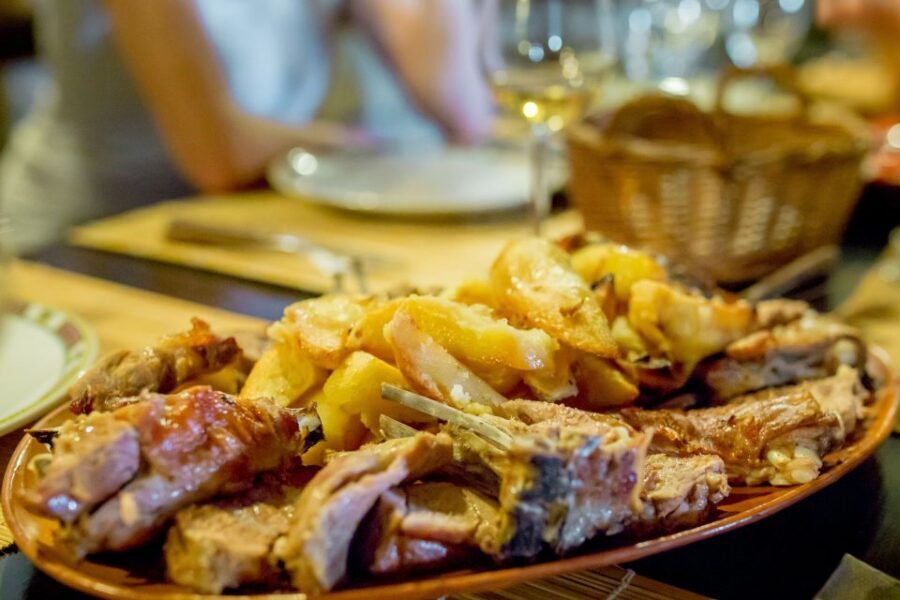
By the time you reach your Dalmatian brunch, you’re usually ready for real food, not just small tastings. The tour includes marenda, a traditional peasant brunch served at a typical Dalmatian pub called a konoba. This is one of the day’s best “local life” moments because the food isn’t arranged to look pretty for tourists. It’s arranged to feed people well.
Depending on season and weather, your food may be prepared in front of you over an open fireplace. That’s not a gimmick. Watching cooking happen right there changes how you perceive the meal. It turns your lunch into a short cooking lesson—less lecture, more hands-on sense-making.
One practical thing: this is where you’ll probably feel how heavy the day’s tasting has been. That’s also why some people suggest you don’t bother planning a fancy dinner later. When brunch lands with wine and regional dishes, you might not want to chase another meal once you’re back in Dubrovnik.
Food-wise, the tour is clearly not vegetarian-friendly. It’s built around Dalmatian pub cooking and seafood and wine culture. Since vegans and vegetarians aren’t suitable for this experience, plan around meat-forward and seafood-forward flavors if you book.
If you’re a foodie who likes rustic settings—wood, fireplaces, no-frills plates—this stop is the one that can feel most “Croatia” in the emotional sense. It’s not trying to be a performance. It just is what it is.
A few more Dubrovnik tours and experiences worth a look
Transport, timing, and small-group comfort (the stuff that can make or break it)
Eight hours sounds straightforward until you’re doing it with pickups, driving, and multiple stops. The good news: the route is structured so you’re not stuck in one place too long. You get scenic drive time from Dubrovnik toward the peninsula, then a sequence of concentrated experiences—Ston sightseeing and salt works, sea-to-table oysters, steep-slope vineyard stops, and then the meal in the konoba.
The vehicle is described as comfortable and air-conditioned, and reviews often mention clean, modern transport and safe driving. That’s not minor. In a full-day tour, comfort during the drive affects the whole mood once you reach the tastings.
Two practical reminders:
- Bring comfortable clothes you don’t mind getting warm in the car and cool in outdoors viewpoints.
- Wear comfortable shoes. High heels aren’t allowed.
Also, you’ll want to manage your expectations about the pace. It’s busy by design. This isn’t a slow wine-weekend tour. You’ll taste, walk a bit, stop for photos, and keep moving. If you love a structured day with good explanations, it’s ideal. If you prefer long unbroken downtime, you may find parts feel quick.
Price and value: why $259 can feel fair (or not)
Let’s talk money with your brain turned on. At $259 per person for an 8-hour small-group day, you’re paying for several categories at once:
- Transportation from Dubrovnik in an air-conditioned vehicle
- A licensed, live English guide
- Sightseeing at Ston plus salt works access
- Food and drink experiences: wine tastings at family wineries, organic olive oil, homemade liquors, traditional snacks, and a traditional brunch
- A fresh oyster tasting session paired with local wine
If all you wanted was one winery tasting and a snack, you’d find cheaper options. But you’d also skip the salt and oyster farm pieces that give the day its identity. The value here comes from variety that still feels connected: sea resources, salt history, vineyard geography, then food built to match the wine.
The most important “value test” for you: do you like guided tasting days? If yes, this tour hits several of the best parts of the Pelješac region in one go. If you’d rather do one relaxed winery and spend the afternoon wandering on your own, you might feel the schedule is too full.
Who should book this Pelješac day—and who should skip it
This is a great fit if you:
- Love wine that’s tied to place, especially Pelješac reds like Plavac Mali and Dingac
- Want farm-based food moments, including oysters paired with local wine
- Enjoy small-group conversation with a guide like Oliver and a company team such as Dubrovnik FOOD Story
- Like rustic Dalmatian meals in a konoba, not only polished restaurant dining
It’s not a great fit if you:
- Need vegan or vegetarian options (it’s not suitable for vegans or vegetarians)
- Travel with kids (not suitable for children under 18)
- Have mobility impairments or use a wheelchair (not suitable for wheelchair users and people with mobility impairments)
- Are pregnant (not suitable for pregnant women)
Also consider your alcohol comfort. This is a wine day. You’ll taste multiple items across winery stops and have wine with food. If that’s not your thing, consider either pacing yourself or choosing a different tour style.
Should you book this tour?
If you want one memorable, food-and-wine-focused day outside Dubrovnik, I’d call this a strong choice—especially for oyster lovers and people who enjoy family-run places. Ston’s salt works and medieval walls add depth, while the Pelješac wine stops show you why those steep vineyards matter.
I’d book confidently if your group matches the tour’s basics: adult, flexible about seafood/meat, and comfortable with walking and a packed day schedule. If your needs are vegetarian/vegan, mobility-limited, or you’re traveling with a child, skip it and look for an option that matches your dietary and access requirements.
FAQ
How long is the Pelješac wine and food tour from Dubrovnik?
The tour lasts 8 hours.
How big is the group?
It’s a small group limited to 8 participants.
Is the tour guided in English?
Yes, it includes a live tour guide in English.
Does the tour include Ston salt works and sightseeing?
Yes. You’ll visit the salt works in Ston and have sightseeing time in Ston.
What food and tastings are included during the day?
Included tastings include wine at wineries, organic olive oil tasting, homemade liquors tasting, fruit, typical snacks at each winery, and a fresh oyster tasting session paired with local wine. You also get a traditional peasant brunch (marenda) in a Dalmatian konoba.
Is this tour suitable for vegans or vegetarians?
No. It’s not suitable for vegans or vegetarians.
Are children allowed?
No. It’s not suitable for children under 18.
Is the tour wheelchair accessible?
No. It’s not suitable for people with mobility impairments or wheelchair users.
What should I wear or bring?
Wear comfortable shoes and comfortable clothes. High-heeled shoes are not allowed.
Is there free cancellation?
Yes. You can cancel up to 24 hours in advance for a full refund.