REVIEW · DUBROVNIK
Private History Old Town and City Wall Tour in Dubrovnik
Book on Viator →Operated by ASTRA tours - Dubrovnik · Bookable on Viator
Walk Dubrovnik like it means something. This private Old Town and City Walls tour pairs major sights with real local context, often guided by people like Mihaela, Doris, or Kim, who can explain why Dubrovnik looks the way it does. I love the mix of famous stops and quieter details like hidden streets, and I love how the walk connects ground-level history to the big-picture story you get up on the walls (Old Town plus City Walls). One possible drawback: City Walls entry isn’t included (an extra €40 per person), and the route needs decent walking plus good weather.
You’ll start at Amerling Fountain and finish on Stradun, which is a great way to get your bearings fast without spending your whole day stuck in lines. The tour is about 2 hours 30 minutes, in English, and it’s just your group—so the guide can match your pace, whether that means slowing down for older travelers or moving briskly if your legs feel great.
In This Review
- Key Things That Make This Tour Worth Your Time
- Old Town in a Smart Loop: From Onofrio’s Fountain to Hidden Streets
- City Walls Timing and the €40 Entrance Fee You Need to Plan For
- Private Guide Factor: How Mihaela, Doris, and Kim Shape the Experience
- Walkability, Fitness, and What to Wear for Cobblestones and Walls
- Price and Value: $108.13 Plus One Big Add-On
- Where You Start and Finish: Amerling Fountain to Stradun
- Weather Matters: What Happens When Dubrovnik Turns on You
- Should You Book This Dubrovnik History Tour?
- FAQ
- What is included in the tour price?
- Is the Dubrovnik City Walls entrance fee included?
- How long is the tour?
- Where does the tour start and end?
- Is the tour private?
- What language is the tour offered in?
- What if the weather is bad?
Key Things That Make This Tour Worth Your Time

- Big Onofrio’s fountain and St Blaise Church in one smooth Old Town loop
- Jesuit’s Stairs and Rector’s Palace explained for what they meant in Dubrovnik’s power structure
- City Walls with sea views and terracotta rooftops for the classic photo angle, plus context
- A guide who adjusts to your pace, with examples of patience and flexibility for slower groups
- Mobile ticket included, so you’re not scrambling with printouts
- Hidden streets included, so you’re not stuck only on the loud main routes
Old Town in a Smart Loop: From Onofrio’s Fountain to Hidden Streets

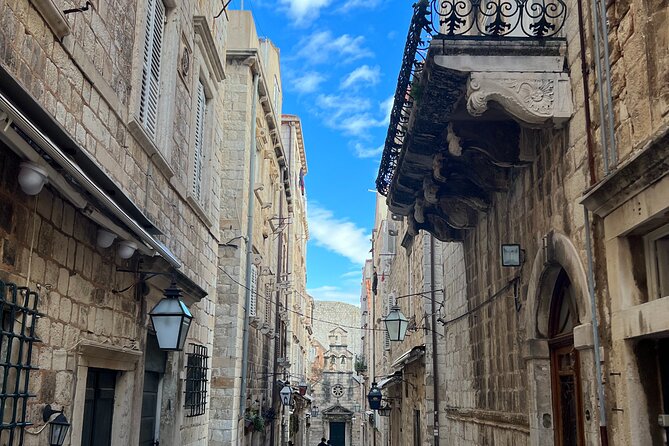
Dubrovnik’s Old Town is where you feel the city’s shape. This tour keeps you moving through the “must-see” core without turning it into a checklist. You begin in the main Old Town zone and spend about an hour on the ground, with a local guide leading you between public landmarks and smaller lanes that you’d likely miss if you were wandering alone.
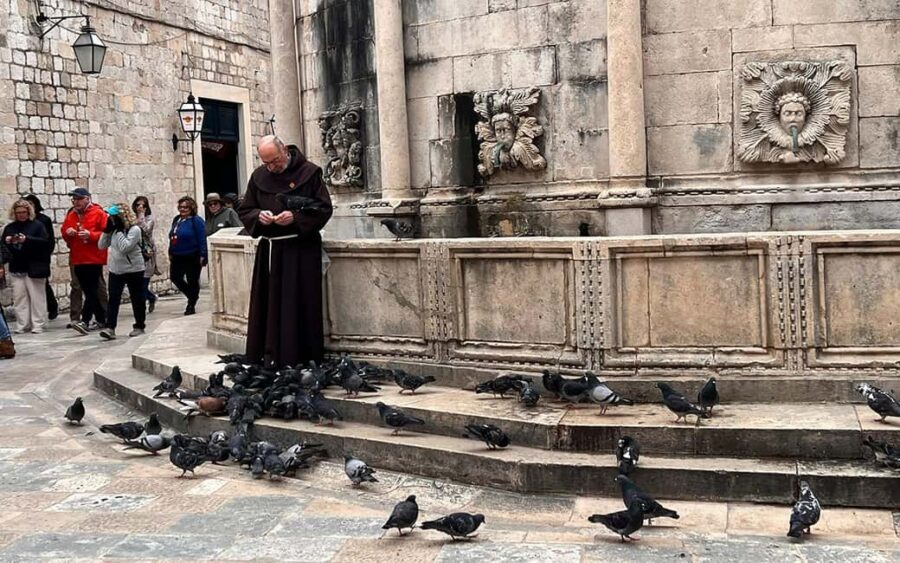
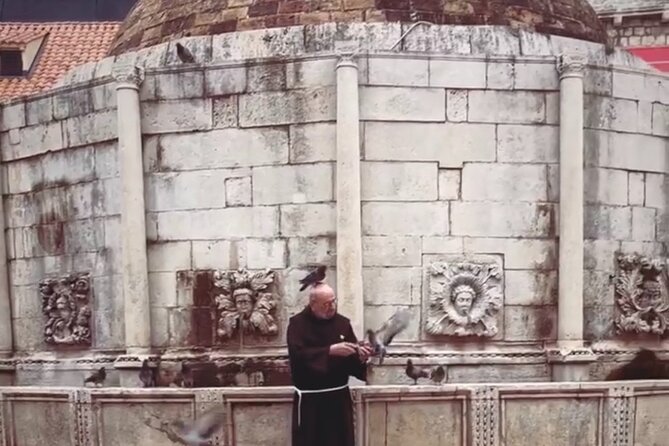
You’ll pass by Big Onofrio’s fountain, a landmark that immediately signals you’re in the heart of Dubrovnik’s historic civic life. It’s one of those places where you can just look, but the value is hearing what the fountain represents and why it’s tied to the city’s early identity.
From there, you’ll work your way toward the Old Franciscan monastery area. Even if you’re not the type to chase every religious site, this stop helps you read the city like a story: where spiritual life sat alongside daily life, and how different institutions clustered inside the walls.
You also get a stop at the local market square, which adds something important: Dubrovnik wasn’t built for sightseeing only. A market square is where the city’s practical side shows up—trade, supplies, and the rhythm of locals moving through the day.
Then comes Jezuit’s stairs, a place that looks like a dramatic shortcut from below. On a guided walk, the stairs become more than a viewpoint route. They help you understand how the city’s layout solved elevation and movement, and why certain streets and stairways became key connectors between neighborhoods and power centers.
A highlight in this section is Rector’s palace, tied to Dubrovnik’s governance and decision-making history. I like this part because it connects the physical city to the political one. You’re not just seeing buildings—you’re learning what kind of leadership shaped what you see.
You’ll also visit St Blaise church, rounding out the civic-and-religious mix. And to keep things from feeling like a parade of separate sights, the guide builds in time for hidden streets—narrow lanes and side corridors that often feel quieter and more “real,” especially when the main streets are full.
Practical tip: Old Town walking is cobblestoned. If your feet get cranky fast, wear shoes with grip. The tour is private and the guide can slow down, but your legs still have to do the work.
You can also read our reviews of more tours and experiences in Dubrovnik.


City Walls Timing and the €40 Entrance Fee You Need to Plan For

The second main block is the walk on Dubrovnik City Walls, about one hour with the guide. This is the part most people remember: the long stretch of viewpoints, the classic angle on rooftops, and the sea view that makes the city look almost unreal.
Here’s the key planning point: City Walls entrance isn’t included. You’ll need to budget an additional €40 per person for the wall access. That matters when you’re comparing total costs. On paper, the tour price is $108.13 per person, but the walls ticket can change the value equation. If walls are a top priority for you, this tour still makes sense because the guide helps you connect what you’re seeing with why it’s there.
What you get up top isn’t just scenery. The city walls act like an outdoor “timeline,” with defensive logic made visible. The terraces, thickness, and positioning all tell you the city was built to protect itself, then later to impress visitors with strength and design.
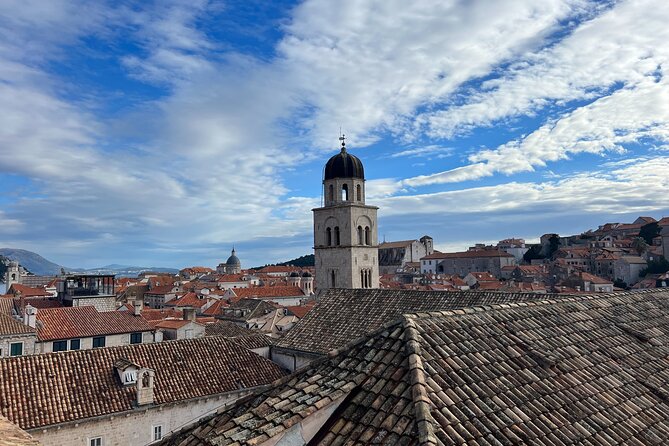
Expect views of terracotta rooftops and the seaside. Even if you’ve seen Dubrovnik photos before, the angle from the walls is different. You’re elevated enough to understand the density of the Old Town and how tightly it sits against the water.
Real talk on comfort: You’re on the walls for about an hour, and there can be stairs and uneven footing. For most people with moderate fitness, that’s manageable—but if you’re recovering from an injury or you know long climbs drain you, plan for a slower pace. A private guide helps, because you can adjust rather than getting swept along.
Private Guide Factor: How Mihaela, Doris, and Kim Shape the Experience
A private history tour lives and dies by the guide. This one has a strong track record, and the recurring theme is how personal the storytelling feels.
People like Mihaela stand out for mixing details with humor and staying flexible with different group needs. I really like guides who don’t bulldoze the pace. In this case, you’ll benefit from a guide who’s comfortable adjusting when the group needs more time at landmarks or wants extra explanation.
Doris is another name tied to strong results. Her style, as described, leans into clarity and strong historical context about both the town and the wall. The walls can be visually impressive but conceptually flat if you’re just following photos. A guide helps you connect the view to the city’s strategy and daily life behind the stone.
Then there’s Kim, who has an insider advantage: she lives inside the Old Town walls. That kind of familiarity can shift the tone from strictly historical to practical and human—like pointing out how people navigate the same streets today, not just how they looked centuries ago.
There’s also an example of a guide going beyond the “tour script.” One story involves a traveler taking a rock from Lokrum; the guide helped get it back the next day. That’s not something you should treat as a guarantee of extra services, but it signals the kind of care some guides bring—more neighbor than tour operator.
Bottom line: If you value context over trivia, a top guide matters. This tour format gives you the best chance of getting that.
Walkability, Fitness, and What to Wear for Cobblestones and Walls
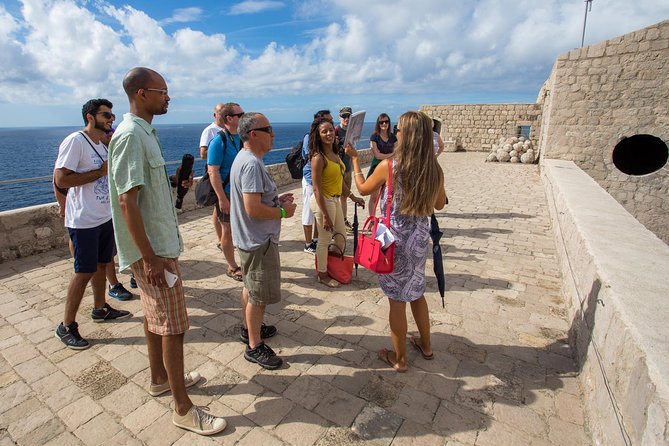
This experience calls for moderate physical fitness. That doesn’t mean “athlete only,” but it does mean you should expect real walking time on uneven stone.
Here’s what to consider:
- Old Town surfaces can be rough underfoot, so comfortable shoes matter.
- The walls walk is active for about an hour, and there may be steps or sections that feel like mini climbs.
- If you’re traveling with older adults, you’ll want a guide who can slow down. The private setup helps, and past groups have benefited from guides who adjust to age and stamina.
What I’d bring:
- Good walking shoes with grip
- Water (the tour doesn’t include food or beverages)
- A light layer if the weather turns cool near the sea
If weather is questionable, remember this tour depends on good conditions. When visibility is poor or conditions are unsafe, it can be rescheduled.
Price and Value: $108.13 Plus One Big Add-On
Let’s talk value without pretending the math is simple.
- Tour price: $108.13 per person
- What’s included: a private local guide (and a mobile ticket)
- Not included: City Walls entrance (€40 per person)
So your likely total per person is the tour price plus that wall fee. If City Walls access is already on your list, paying the extra €40 is normal—and the tour value comes from having a guide connect the wall walk to the Old Town sights you just saw.
If you’re the type who loves learning but you don’t care much about the history side, you might feel the guide portion is less necessary. On the other hand, if you want to understand why places like Rector’s Palace or St Blaise church matter, the guide makes the time feel efficient.
Also, the private format is a hidden value lever. You’re not negotiating with a big group. The guide can spend more time where your interests land—whether that’s stairs, squares, or viewpoints on the wall.
Who this is good for: first-time Dubrovnik visitors who want a coherent overview, couples who like meaningful walking time, and anyone who prefers a guide’s pace over crowds.





Where You Start and Finish: Amerling Fountain to Stradun
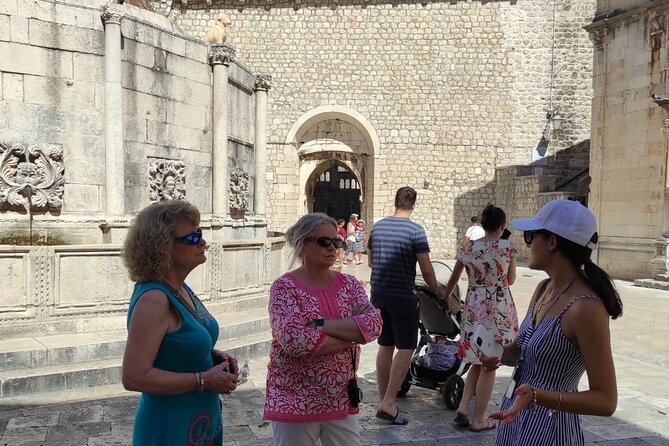
Logistics can make or break a sightseeing day, so I like that this one starts and ends in easy-to-understand places.
- Start: Amerling Fountain, Ul. Svetog Đurđa, 20000 Dubrovnik
- End: Stradun, the main street (near where you’ll want to keep exploring after the tour)
Ending on Stradun is useful. You’ll be in the main spine of the Old Town, close to lots of shops and places to grab a snack. Since food and beverages aren’t included, you’ll probably want to plan a meal after—especially because the tour runs roughly 2 hours 30 minutes.
The meeting point being near public transportation can also reduce stress if your arrival day is messy. And the tour uses a mobile ticket, so you can keep things low-friction on your phone.
Weather Matters: What Happens When Dubrovnik Turns on You
This experience requires good weather. Dubrovnik can shift quickly, and the walls are an open-air part of the day. If conditions are poor enough to cancel, you should expect a different date or a full refund rather than an “it’s fine, let’s go anyway” approach.
One practical benefit of a private tour is that the guide can often adjust timing around small changes—staying flexible on pace and stops within the time window. Still, you can’t solve heavy rain with enthusiasm, so being ready for rescheduling is part of the deal.
Should You Book This Dubrovnik History Tour?
Yes, if you want the fastest path to understanding Dubrovnik without turning it into a rushed photo sprint. I’d book it when:
- You care about history and want it explained in a way you can use while walking.
- You want a guided walk on both Old Town sights and the City Walls views.
- You’re okay budgeting the extra €40 per person for the wall entrance.
- You prefer a private pace over crowd management.
I’d hesitate only if:
- City Walls are not a priority for you (since that entrance fee is the big extra cost).
- Your group struggles with moderate walking on cobblestones and stairs.
- Weather is unpredictable and you can’t flex your schedule at all.
FAQ
What is included in the tour price?
The tour includes a private local tour guide and a mobile ticket.
Is the Dubrovnik City Walls entrance fee included?
No. City Walls entrance is not included and costs €40.00 per person.
How long is the tour?
The tour lasts about 2 hours 30 minutes.
Where does the tour start and end?
It starts at Amerling Fountain and ends on Stradun.
Is the tour private?
Yes. This is a private tour/activity, so only your group participates.
What language is the tour offered in?
The tour is offered in English.
What if the weather is bad?
The experience requires good weather. If it’s canceled due to poor weather, you’ll be offered a different date or a full refund. Also, you can cancel for a full refund up to 24 hours in advance.