REVIEW · ROVINJ
Rovinj walking tours
Book on Viator →Operated by Rovinj Walking Tours · Bookable on Viator
Rovinj gets better when you understand it. This 1.5-hour walking tour pairs a Rovinj-born guide with an easy, uphill route from the lower old town up toward St. Euphemia’s Church, so you leave with a real sense of how the town fits together. I especially love the small-group feel (max 12) and the way the guide mixes history with day-to-day local recommendations, from where to grab top coffee to where gelato is worth the stop.
One thing to consider: the route goes uphill, and the activity requires good weather, so plan for evening walking on old streets and bring a weather-friendly mindset.
In This Review
- The big wins: what you’ll like most
- Rovinj Walking Tours at 6:30pm: a smart first-night move
- Where it starts and how the walk is paced
- Port of Rovinj: why this city’s origin story is the hook
- From lower streets to upper town: learning by walking uphill
- St. Euphemia and the Holy Week procession story
- Food stops: the kind of advice that actually saves you time
- What the guide style gives you: humor, history, and real local context
- English and tickets: simple logistics, less friction
- Price and value: what $33.86 buys you in Rovinj
- Who this Rovinj walking tour fits best
- Should you book this 6:30pm Rovinj orientation walk?
- FAQ
- How long is the Rovinj walking tour?
- Where does the tour start and end?
- What time does the tour begin?
- Is the tour offered in English?
- What’s included in the ticket price?
- What happens if the weather is bad or I cancel?
The big wins: what you’ll like most
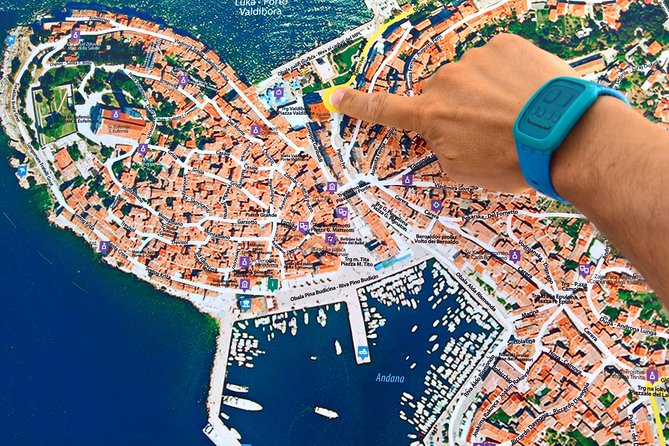
- 90 minutes with a plan, not random wandering
- Max 12 people, which keeps the pace human and questions easy
- Local food intel (coffee, cakes, gelato, and even fruit and vegetables)
- Port-to-upper-town route, giving you the town’s story in the same direction you’ll walk it
- St. Euphemia finish at the top, perfect timing to make your next Rovinj stops feel obvious
Rovinj Walking Tours at 6:30pm: a smart first-night move
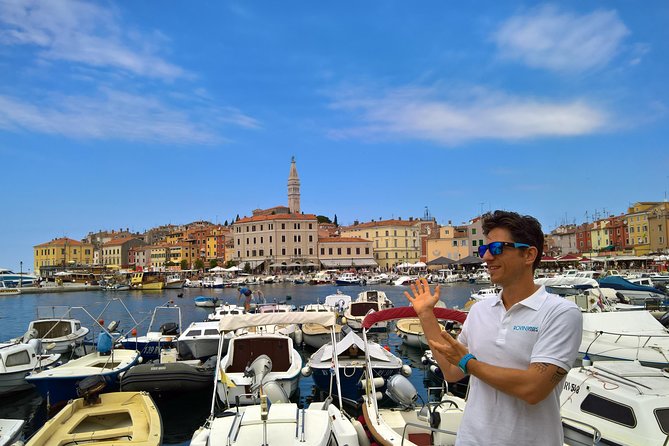
If Rovinj is your first stop in Croatia, this is a great way to get your bearings fast. The tour starts at 6:30pm, which means you’re out in the old town at the hour when the streets start to feel lively and the evening light helps you connect what you’re hearing with what you’re seeing. It’s also short enough that you still have time afterward to do your own exploring without feeling rushed.
At $33.86 per person for about 1 hour 30 minutes, you’re paying for a guide’s time plus the included admission ticket. In places like Rovinj, that often matters more than it sounds: a walking route with a strong narrative helps you read the city. You notice details. You understand why the town grew where it did. You stop treating viewpoints as random postcard spots.
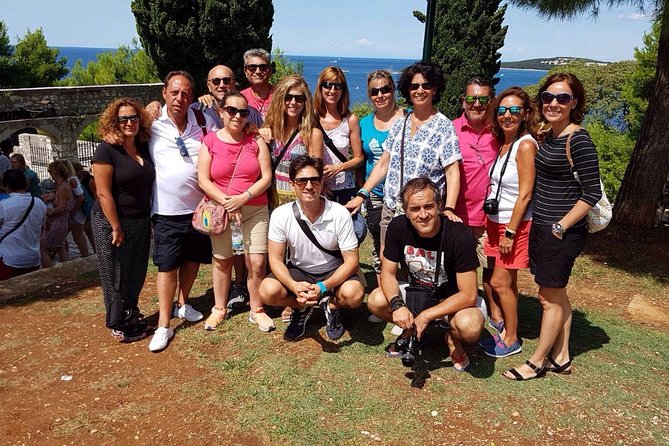
And you’ll be in a group of up to 12, which changes the experience. You’re not stuck listening while the group passes through like a train. Instead, it’s conversational, and you get room for questions.
You can also read our reviews of more tours and experiences in Rovinj.


Where it starts and how the walk is paced
The meet-up is at Ulica Pietra Ive, Rovinj. From there, the walk is designed to go from the lower town area up to the upper town, ending in front of the Church of St. Euphemia at Trg Sv. Eufemije. The end point is key: it’s a major landmark at the top of the hill, so you end with something meaningful—not just a random stop.
Because the route is uphill, it’s not the same vibe as a flat waterfront stroll. It’s more like a story that naturally takes you from one layer of Rovinj to the next. You’ll feel the town’s “rise” as you climb, and that helps the historical context land better than if you stayed on level ground.
The tour is offered in English, and you get a mobile ticket. That part is simple, but it’s worth noting: fewer steps on the logistics side means you spend more energy watching where you’re going.
Port of Rovinj: why this city’s origin story is the hook
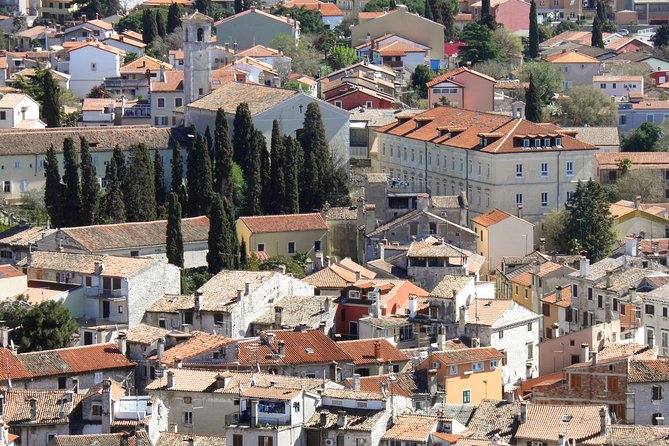
The first big focus is the Port of Rovinj area. The guide frames Rovinj as a town that was born out of a historic coincidence—an origin story that’s more than just dates. It’s the kind of explanation that helps you understand why Rovinj looks and feels the way it does: built around its setting, pulled by political and regional forces, then shaped into a medieval Istrian power.
From the start, you’ll get that “walk and listen” blend: the city is the classroom, and the streets are the map. The route begins in the lower town, and then you gradually work uphill. That matters because the town’s layout isn’t random. As you move, you’re essentially moving through time—slowly stepping back into earlier Rovinj layers as the route climbs.
This is also where the guide’s local angle becomes obvious. The best moments are the ones that sound like they come from family habits, not a script. You’ll hear about where locals buy fruits and vegetables, where the best coffee is made, and which places are known for cakes and gelato. These aren’t just food names; they’re clues for how to experience Rovinj like a resident instead of a checklist tourist.
From lower streets to upper town: learning by walking uphill
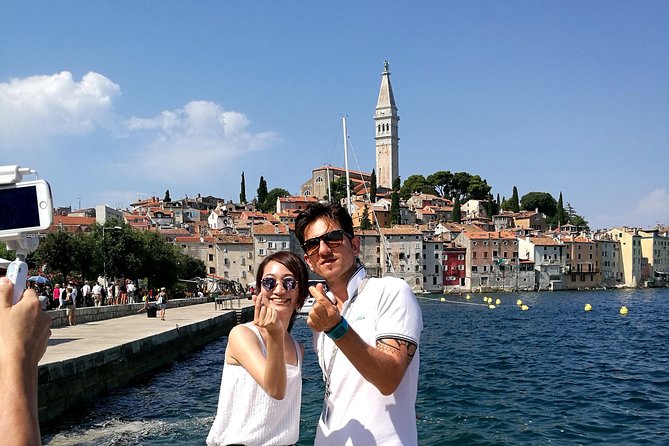
As the tour climbs, you’re doing more than getting exercise. You’re watching the city’s story unfold in the same direction it grew. The guide talks about Rovinj’s medieval period and its long development, and you’ll likely start connecting street geometry, hill position, and landmark placement.
This is also where your questions start to matter, because this is a small group. In multiple runs, the guide approach is described as personal—asking what you’ve already seen or done in Rovinj before setting off. That means you don’t just get a lecture. You get a tour that can adjust to your interests, like history-heavy angles versus more practical “how to live here for a day” tips.
A practical upside of this pacing: it’s easy to remember later. After an uphill walking tour, you tend to remember the sequence—port area, lower old streets, then the climb toward the church. When you return on your own later, the city feels navigable instead of maze-like.
St. Euphemia and the Holy Week procession story
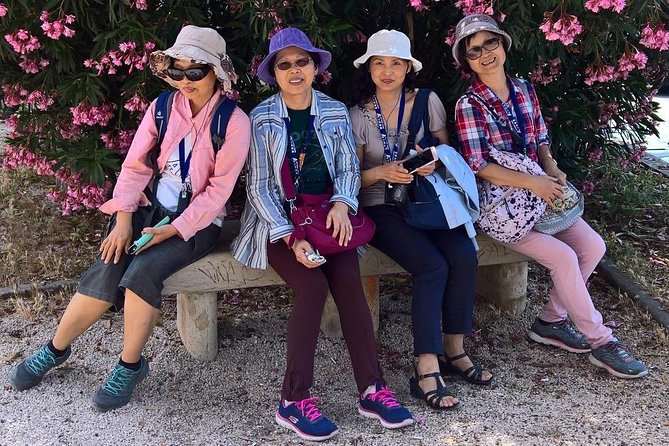
The walk culminates at St. Euphemia’s Church, right at the top of the hill. You’ll hear the tour’s “time travel” element as it references how people used to travel uphill during the ancient Holy Week procession. Even if you don’t know the details beforehand, it gives the climb a reason beyond views.
This is one of the best parts of Rovinj for first-time visitors, because St. Euphemia isn’t just a building. It’s a landmark that anchors how Rovinj sees itself. Ending the tour here means you finish with context—why the hill matters, why the route matters, and what the town values enough to build at the peak.
The vibe can also be especially rewarding at early evening. Even without planning a sunset chase, you’re in the right place and time to see why people talk about the old-town atmosphere after dark.



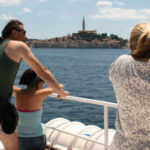
Food stops: the kind of advice that actually saves you time
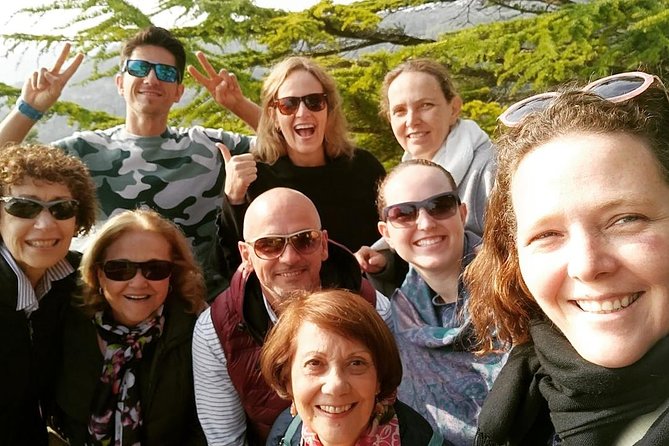
One reason this tour gets such strong marks is the local-food angle. The guide’s recommendations cover the stuff you’ll want during the rest of your stay: where to get coffee, where cakes and gelato shine, and where to find good produce.
Here’s how to use those tips well. Don’t treat them as obligations. Treat them as starting points. After the tour, pick one or two to try soon—early in your trip—so your remaining days feel easier. You’ll also know what kind of spot you’re aiming for. For example, if the guide steers you toward a place known for gelato, you’ll start noticing the differences in texture, flavor quality, and freshness when you compare options later.
If you’re the type who likes to snack while walking (totally normal in Rovinj), these pointers help you build an evening plan. You can turn the tour’s history into a lived experience.
What the guide style gives you: humor, history, and real local context
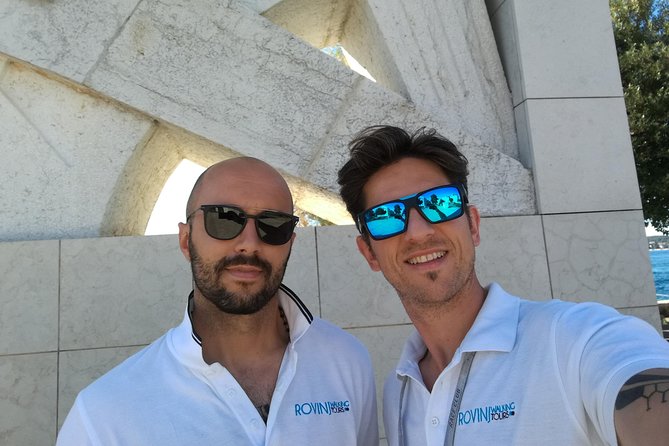
The tour is led by local guides, and the names that come up in feedback include Goran and Maslinka. The consistent theme is an energetic, storytelling approach—mixing historical explanation with personal local perspective and a dose of humor to keep the walk moving.
I like this style because it solves a common problem with historical tours: too much “what happened” without “why it matters.” Here, the guide doesn’t just list events. You get meaning—how Rovinj became what it is, and how the old streets relate to the present.
The small group size also helps. When there are fewer people, you tend to get more of what you actually came for: questions answered, routes clarified, and recommendations made in a way that fits you. In some cases, the tour has even been described as close to a conversation between the guide and the group, which is a sign the pacing works.
English and tickets: simple logistics, less friction
This tour runs in English and uses a mobile ticket. For many people, that’s the difference between enjoying the first minute and spending the first minute hunting for the right place or the right voucher. The starting point is central, and the ending point is right in front of a major landmark, so you’re not left guessing where the tour ends.
Also, an admission ticket is included. The data doesn’t specify which exact admission it covers, but it’s still a real value item: you’re not paying separately for whatever portion of the experience requires entry. For budgeting, that’s helpful.
Finally, the tour is marked as allowed for service animals, and it’s near public transportation. Even if you plan to walk from your hotel, that matters for flexibility.
Price and value: what $33.86 buys you in Rovinj
Let’s talk value honestly. $33.86 for roughly 90 minutes isn’t a “cheap” souvenir-type expense. It’s a pay-for-guidance price. But Rovinj rewards guidance. The old town is scenic, yes. It can also be confusing if you don’t understand how the layers connect.
This tour’s value comes from three things you can feel immediately:
- A clear route from port area to upper town
- A local guide who points out food and daily-life details, not just architecture
- The included admission ticket, which helps you avoid add-on costs later
If you’re the kind of visitor who likes to return to places after you learn their context, this is the better use of money than spending that amount on a couple of “maybe” attractions. The tour sets up the rest of your Rovinj days.
Who this Rovinj walking tour fits best
This is ideal if you:
- Want a strong first-night orientation so exploring feels easier
- Like a mix of history and practical local tips
- Prefer small groups and two-way questions
- Are visiting Rovinj for the old town and want to understand it from the inside, not from a distance
It’s likely less ideal if you dislike uphill walking or prefer very freeform roaming with no guide structure.
Also, because the tour requires good weather, you should be ready for the fact that conditions can change your plans. If it does get canceled due to weather, you should expect either a different date or a full refund.
Should you book this 6:30pm Rovinj orientation walk?
Yes, if you want Rovinj to click quickly. I’d book it on your first or second evening, mainly because it answers the big early questions: Where did this town grow? Why is it arranged this way? What should I eat next that locals actually go for?
This tour also earns my vote for the small-group size and the guide style—especially the combination of humor, history, and real-life recommendations like coffee, cakes, and gelato. Finish at St. Euphemia, and you’ll leave with a clear mental map for the rest of your time.
If you hate uphill routes or you’re traveling in a weather-risk window, then choose your timing carefully. But if you’re going to be in Rovinj in decent conditions, this is one of the simplest ways to turn sightseeing into understanding.
FAQ
How long is the Rovinj walking tour?
It runs for about 1 hour 30 minutes.
Where does the tour start and end?
The tour starts at Ulica Pietra Ive in Rovinj and ends at the Church of St. Euphemia (Trg Sv. Eufemije), right at the top of the hill.
What time does the tour begin?
The start time is 6:30 pm.
Is the tour offered in English?
Yes, it’s offered in English.
What’s included in the ticket price?
An admission ticket is included, and you’ll receive a mobile ticket.
What happens if the weather is bad or I cancel?
The tour requires good weather. If it’s canceled due to poor weather, you’re offered a different date or a full refund. There’s also free cancellation up to 24 hours before the experience starts for a full refund.