REVIEW · ROVINJ
Private Walking Cultural Tour of Rijeka
Book on Viator →Operated by Tailormade Travel · Bookable on Viator
Rijeka history, minus the crowd crush. This private walking cultural tour is built for getting oriented fast and understanding why the landmarks matter, with a guide to stitch together stories from medieval legends to Ottoman-era conflict. I like that you can avoid the crowds by keeping it private, and I also like that the guide does the heavy lifting on the background so you don’t spend vacation time researching.
One thing to plan for: it’s a true walking format, and Trsat Castle sits on higher ground. If weather turns iffy, the tour’s got a good-weather requirement, so you’ll want a flexible mindset.
In This Review
- Quick Takeaways
- The Value of a Private Rijeka Walk (Especially If You’re Short on Time)
- Where You Start: Jelačićev trg and the Route Logic
- Trsat Castle: Views Over Rijeka and the Kvarner Bay
- What I’d watch for here
- St. Vitus Cathedral: The Circular Baroque Detail and the Cannonball
- A practical tip for this stop
- Rijeka Central Market (Placa): Fresh Food and Everyday City Life
- What to do during the market minute
- City Watch Symbol and Tito Square: Rijeka’s Political Memory in Plain Sight
- The Guides: Communication That Turns Landmarks Into Stories
- Price and Group Size: When $331.22 Feels Like a Smart Deal
- Timing That Works: When to Do This Walk
- Getting There Without a Headache
- Who This Tour Suits Best
- Should You Book This Private Rijeka Walking Tour?
- FAQ
- How long is the private walking cultural tour of Rijeka?
- Where does the tour start, and does it end nearby?
- What are the main stops on the tour?
- Is the tour private or shared?
- What language is the tour offered in?
- Do I need to pay for entrances?
- Is there a mobile ticket?
- How much does the tour cost?
- Do I need good weather for this tour?
- Is it suitable for most travelers?
Quick Takeaways
- Private guide, real context: You get explanations tied to each stop, not just dates and directions.
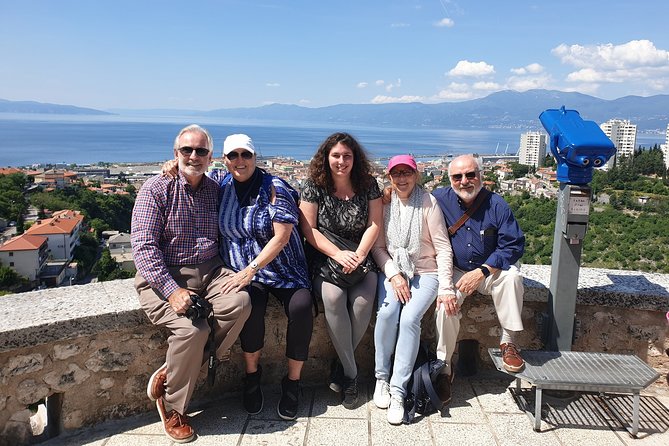
- Trsat Castle first: Great views over Rijeka and the Kvarner bay, plus war and noble-family stories.
- St. Vitus Cathedral details: A rare circular Baroque shape in the Mediterranean and a cannonball you can spot inside.
- The Placa market stop: A quick look at everyday Rijeka life through the Central Market’s fresh-food vibe.
- Tito Square + city symbols: You’ll connect today’s city to the Yugoslavia–Italy border history and local watch symbolism.
The Value of a Private Rijeka Walk (Especially If You’re Short on Time)
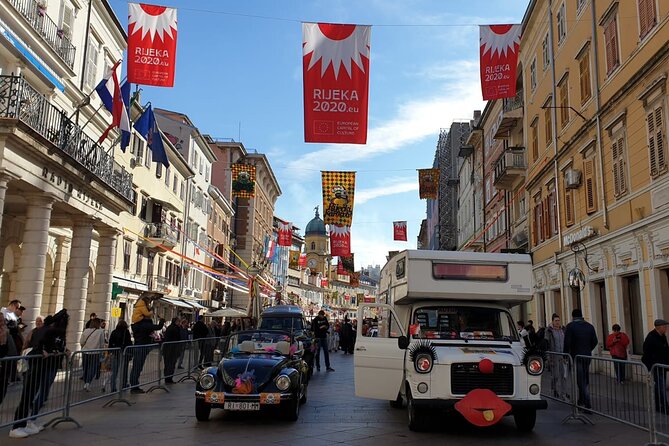
Rijeka can feel like it’s got layers stacked on layers, and that’s exactly where a private guide earns their keep. Instead of hopping from photo spot to photo spot, you walk a logical route that goes from a medieval fortress viewpoint to a baroque cathedral to a daily market and then into the political memory of Tito Square.
What I like most for you is the pacing. You’re not stuck in a long bus lecture, and you’re not wandering alone trying to guess what’s important. A good guide also helps you read the city in real time—why people built here, what protected them, and what they later tried to become.
The tour also has a practical size advantage. It’s priced per group (up to 10), so if you travel with friends or family, you spread the cost and get the same private attention. And if you’re traveling as a single unit, at least you still get the full guide experience without sharing your questions with strangers.
You can also read our reviews of more tours and experiences in Rovinj.


Where You Start: Jelačićev trg and the Route Logic
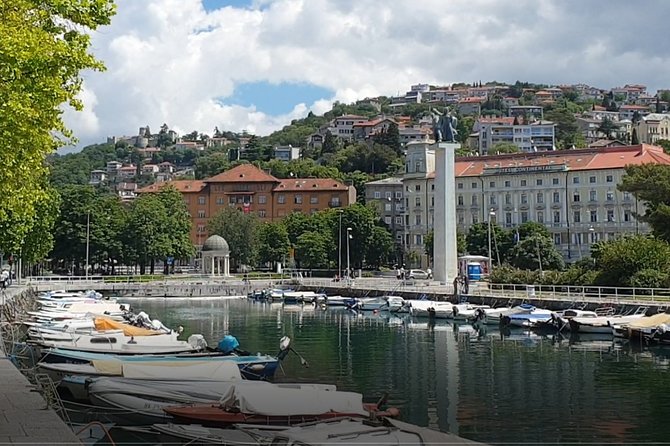
You’ll meet at Jelačićev trg (51000 Rijeka), and the tour ends back at the same meeting point. That matters more than it sounds. When you’re on foot in a city with hills and shortcuts, a return-to-base end point reduces stress and helps you plan dinner afterward.
The route is structured around big “reader-friendly” moments:
1) a high viewpoint and fortress story (Trsat Castle),
2) a distinctive cathedral with a standout detail (St. Vitus),
3) a daily-life stop that shows what locals buy and eat (the Placa),
4) then a couple of city symbols and memory points (city watch and Tito Square).
Even if you don’t know Rijeka’s timeline yet, the walk guides your understanding step by step.
Trsat Castle: Views Over Rijeka and the Kvarner Bay
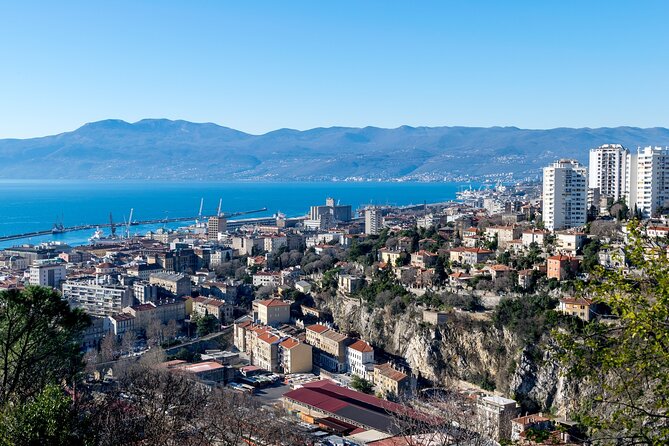
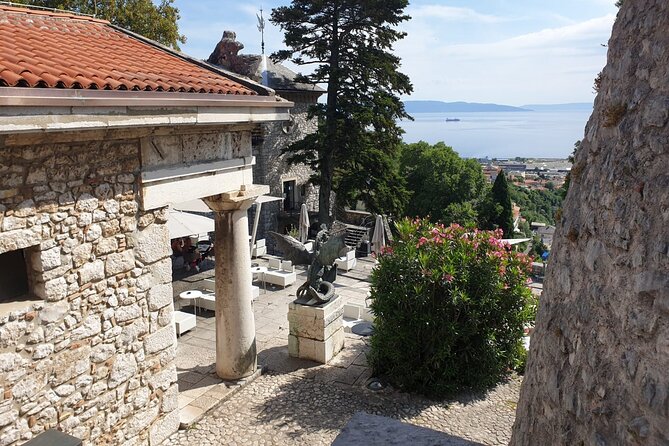
Your first major stop is Trsat Castle, a 13th-century fortress with one of the best city views you’ll get on this route. From up there, Rijeka starts to make sense geographically: you can see how the city looks toward the Kvarner bay, and you can understand why a fortress position mattered.
This stop is also where the guide usually turns the history into something you can picture. You’ll hear stories tied to wars connected to the Ottoman Empire, and you’ll get the thread of local medieval power through the Frankopan noble family. That combination—military pressure plus local ruling families—helps you avoid the common tourist mistake of treating history like a museum timeline. Here, it’s a chain of people, threats, and decisions.
Timing check: plan on about 30 minutes at the castle. That’s enough time to take in the view and absorb the story without turning the day into a long climb-fest. Still, if you’re not big on stairs or steep paths, consider that you may want to use local transport for getting up there. The tour information flags taxi costs around 3–4€ per person for the fortress area, so you’re not stuck thinking about it last minute.
What I’d watch for here
- The viewpoint framing: look for the city layout first, then listen for the historical reasons behind it.
- How your guide connects the Frankopan family to the bigger conflict story, so you remember more than names.
St. Vitus Cathedral: The Circular Baroque Detail and the Cannonball
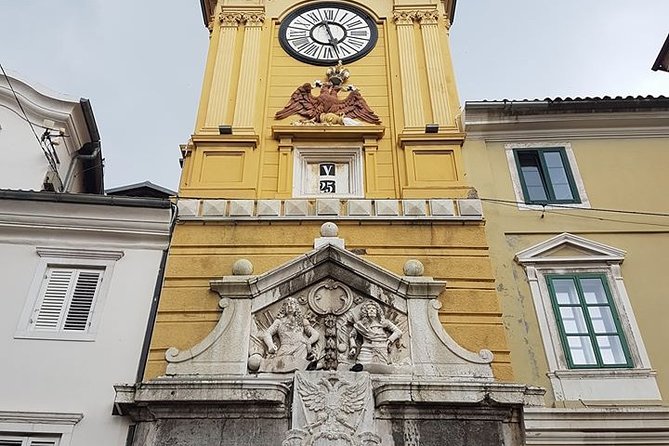
Next comes St. Vitus Cathedral, dedicated to St. Vitus, protector of the city. It’s a 17th-century stop that doesn’t try to overwhelm you with size. Instead, it has a rare architectural detail: the cathedral’s circular shape is described as an unusual example of Baroque in the Mediterranean.
But the real attention-grabber is the cannon ball inside the cathedral walls. This is the kind of detail that changes how you experience a religious building. You stop treating it as purely spiritual space and start seeing it as a structure that lived through conflict.
Timing check: expect about 15 minutes. That’s short by design, which is perfect here. You’ll get the main story beats without needing hours to absorb a single building.


A practical tip for this stop
Go in with one question in mind: What does this building’s survival story tell you about Rijeka? Then let your guide connect the dots, especially around how a protector figure (St. Vitus) ties into the city’s identity.
Rijeka Central Market (Placa): Fresh Food and Everyday City Life
After fortress and cathedral, you switch gears to something more grounded: the Rijeka Central Market, often referred to as the Placa. This is your daily-life stop, where you see what citizens come for in an ordinary day.
The market stop is about 15 minutes, and it’s not meant to turn into a food tour with long tasting lines. Instead, it’s meant to give you a feel for the city’s rhythms—what people buy fresh, how the market environment works, and why a public food space matters in a port city.
It also has a value angle for your trip. You’re getting a local snapshot with no extra ticket cost (the tour info indicates admission is free for this stop). That makes it a smart use of time, especially if your day is already tight.
What to do during the market minute
- Look at the produce and ask your guide what’s typical here.
- Don’t rush it—15 minutes is enough to feel the place, not enough to wander aimlessly.
City Watch Symbol and Tito Square: Rijeka’s Political Memory in Plain Sight
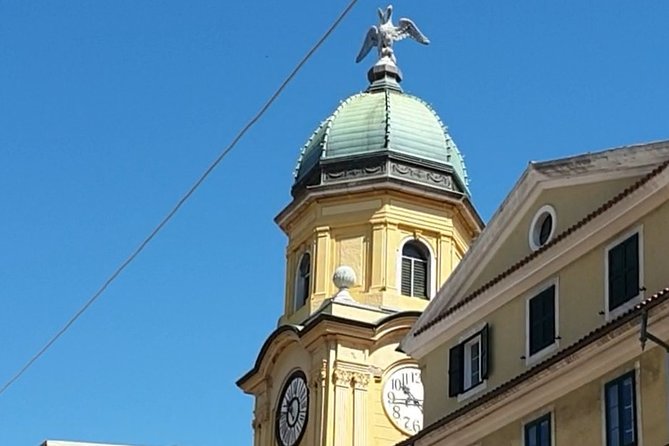
Later on, you’ll pick up a few key “symbol” points, including the city watch symbol and Tito Square, described as a former border between Yugoslavia and Italy. This is where the tour moves from older eras into much more recent political geography.
Even if you’re not a politics deep-dive person, Tito Square is the kind of place that makes you rethink what you’re seeing. Instead of seeing a square as a background for photos, you understand it as a physical reminder of borders and shifting identities.
This part of the route also includes a few surprises, which is often where a private guide shines—if they notice what you care about (architecture, history, local daily life), they can point at small things you might never notice on your own.
The Guides: Communication That Turns Landmarks Into Stories
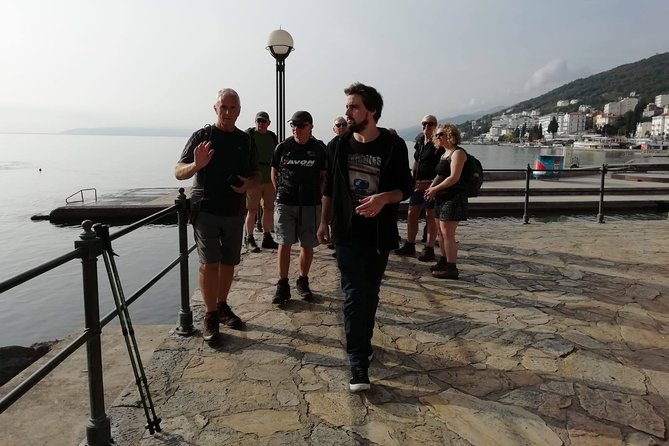
A big reason this tour scores so well is guide communication. In the feedback, Dean gets praised for excellent communication of Rijeka and Croatia history. Another guide, Sonja, is also highlighted for giving interesting, pertinent information that helps you enjoy the city’s full context.
I consider that kind of guide skill a core part of the value. A private walk isn’t just route planning. It’s translation—turning what you see into why it exists, and why it matters now. If you’re the type who likes to understand the backstory behind buildings and street corners, this is where you’ll feel that attention.
Price and Group Size: When $331.22 Feels Like a Smart Deal
The price is $331.22 per group (up to 10) for a private tour lasting roughly 2.5 to 4 hours. That sounds high if you’re thinking per person, but the math changes fast when you spread it across a group.
- If you had a full group of 10, you’re around $33 per person for a guided walking experience that includes a paid entrance component.
- If your group is smaller, the per-person cost rises, but you’re still paying for privacy and a guide-driven experience, not just movement from A to B.
Also, this tour includes entrance fee coverage for Trsat fortress. That’s one less line item you have to worry about on the day, and it keeps your time smoother. The other main stops are described with free admission for the cathedral and market, which means your spending stays controlled.
If you’re traveling solo and see the cost as steep, this is the one place to consider your travel style: are you the person who enjoys a guide’s narrative, or do you prefer self-guided wandering? If you like stories, the guide cost often feels worth it quickly.
Timing That Works: When to Do This Walk
The tour information lists opening windows for Monday–Friday: 11:00 AM–2:00 PM and 6:00 PM–9:00 PM. That’s useful for planning around meals and crowds.
My practical take:
- If you’re doing this during midday hours, give yourself time after the walk to cool down and eat.
- Evening slots can make the city feel different and can be easier if you want a lighter pace through the center after dinner plans.
Also, the tour is flagged as requiring good weather. If clouds or rain show up, expect rescheduling options or a refund offer, depending on how conditions affect the walk.
Getting There Without a Headache
The meeting point is near public transportation, so you don’t need to plan a complex taxi route just to start. That’s a plus for cruise stops and for anyone who’s using local transit to cover the day.
Still, the Trsat Castle portion is the one to think about. The tour info explicitly notes taxi/transport costs around 3–4€ per person for the fortress area. If you’re traveling with kids, older relatives, or anyone who has mobility limits, plan the “hill factor” early. You’ll enjoy the history more if you’re not spending energy on fatigue.
Who This Tour Suits Best
This is a strong match if you:
- want to avoid crowds and keep questions personal,
- like history that’s explained through real places,
- want a route that mixes fortress, cathedral, market, and political memory in one walk,
- travel with friends or family and can split the group cost.
It’s also useful for first-timers in Rijeka who feel a bit lost. A guide helps you get your bearings fast and gives you the kind of context that makes return trips more meaningful.
If your travel style is strictly “show me the view, I’ll read later,” you might feel the time is more guided than you need. But if you want the stories behind the famous sites, you’ll get your money’s worth.
Should You Book This Private Rijeka Walking Tour?
Yes—if you want a guided, story-first introduction to Rijeka in a few hours. The biggest wins are the private format and the guide-driven explanations, especially the Trsat Castle viewpoint paired with the war and Frankopan family stories, plus St. Vitus Cathedral’s circular Baroque shape and the cannonball detail. The Placa market stop adds the everyday layer, and Tito Square brings the city’s more recent border history into focus.
Book it if your group can share the cost and you’re comfortable with a walking route. If you hate hills or you’re traveling in unstable weather, consider a different day or plan help for getting to the fortress. Done right, this is one of the better ways to turn Rijeka from a name on a map into a place with a clear story.
FAQ
How long is the private walking cultural tour of Rijeka?
It runs about 2 hours 30 minutes to 4 hours, depending on timing and the pace of the group.
Where does the tour start, and does it end nearby?
You start at Jelačićev trg, 51000 Rijeka, Croatia, and the tour ends back at the same meeting point.
What are the main stops on the tour?
The tour includes Trsat Castle, St. Vitus Cathedral, Rijeka Central Market (Placa), and additional points such as the city watch symbol and Tito Square.
Is the tour private or shared?
It’s private. Only your group participates.
What language is the tour offered in?
The tour is offered in English.
Do I need to pay for entrances?
The entrance fee for Trsat fortress is included. The cathedral and market stops are listed with free admission.
Is there a mobile ticket?
Yes, the tour includes a mobile ticket.
How much does the tour cost?
It costs $331.22 per group, up to 10 people.
Do I need good weather for this tour?
Yes. The experience requires good weather. If it’s canceled due to poor weather, you’ll be offered a different date or a full refund.
Is it suitable for most travelers?
It’s described as suitable for most travelers, but keep in mind it is still a walking tour with a castle stop.