REVIEW · SIBENIK
Šibenik: Croatia in a Day, Vistas, History, Olive Oil, Wine
Book on GetYourGuide →Operated by Dalmatia Oil · Bookable on GetYourGuide
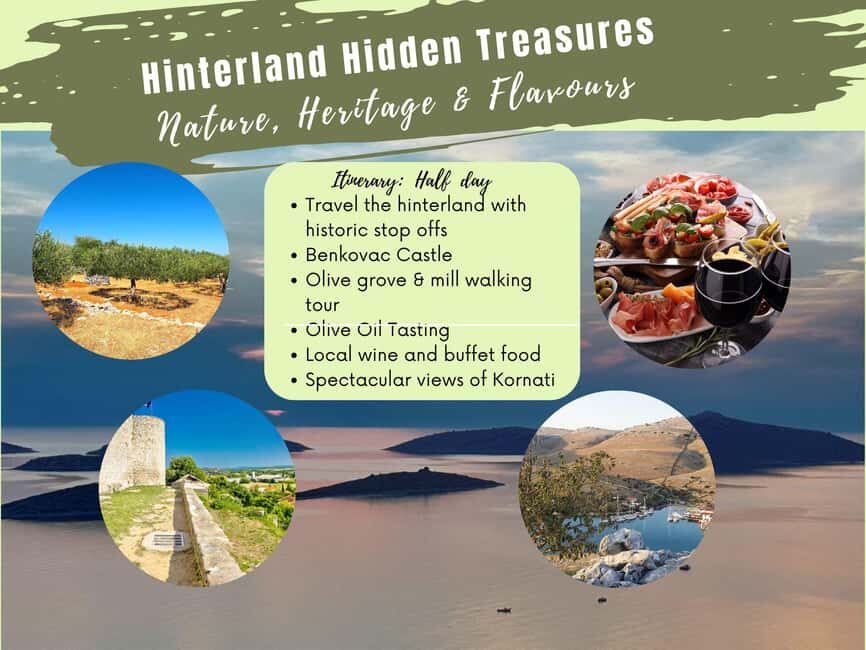
There’s a lot packed into six hours. From Šibenik you’ll ride into the hinterland for olive oil, wine, and history, then finish with high views over the Kornati Islands. It’s the kind of day where the food and scenery actually connect to the story.
I particularly like the family-run olive grove and mill experience, and I love that you taste the oils and wines with clear, practical guidance (not just sample-and-skip). One thing to consider: this isn’t a long sit-down meal day. Plan for walking in the olive grove and a schedule that moves, with limited stops for lingering.
In This Review
- Quick hits to know before you go
- Šibenik countryside views start at Okit Hill
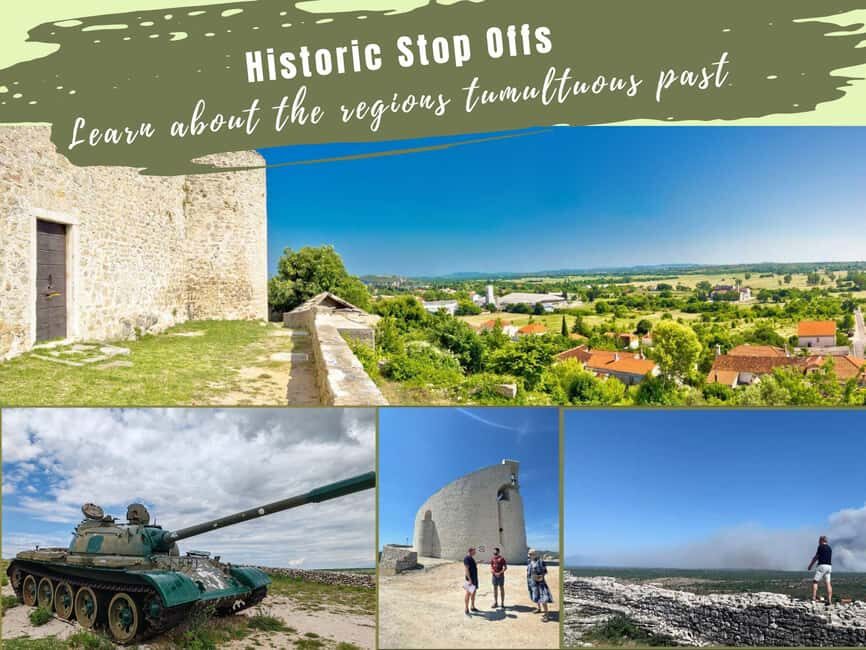
- Kaštel Benković: where strategy meets turbulent history
- Uljara Lepur: the olive grove + cold-press mill experience
- The grove walk: seeing the raw material
- The mill tour: “cold-press” in plain language
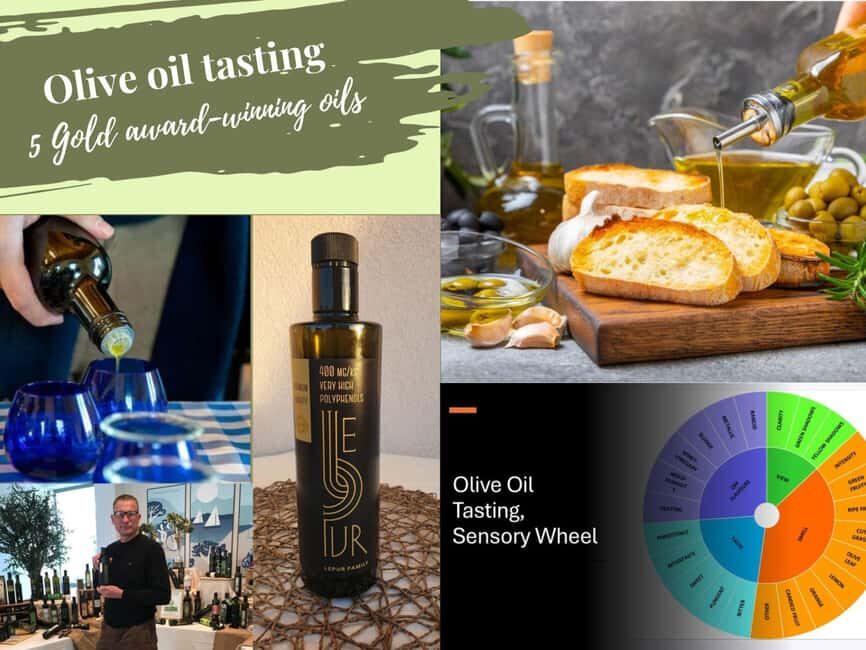
- Tasting 5 gold award-winning olive oils
- Wine and bites at the same stop
- The lunch option: relaxed but still local
- Lake Vrana and Kamenjak: the Kornati payoff
- Price and value: why $64 can work
- Who this tour suits best (and who might not love it)
- Booking decision: should you book it?
- FAQ
- What is the duration of the Šibenik countryside tour?
- How much does it cost?
- What group size should I expect?
- Where do we meet?
- Is pickup available?
- What tastings are included?
- Is lunch included?
- Can I buy olive oil during the tour?
- What language is the tour guide?
- Is the tour suitable for children or very elderly guests?
- What if I need to cancel last minute?
Quick hits to know before you go
- Okit Hill panorama: sweeping views across olive groves, vineyards, and the Kornati Islands
- 5 olive oil tasting: learn aroma and balance while tasting award-winning extra virgin oils
- Uljara Lepur mill walk: see how olives become liquid gold using cold-press methods
- Wine tasting mix: local sparkling-style welcome plus 1 red and 2 white wines (native varieties)
- History woven into the drive: a strategic crossroad between coast and hinterland comes to life
- Kamenjak above Lake Vrana: a photo stop plus wide Kornati views to close the loop
Šibenik countryside views start at Okit Hill
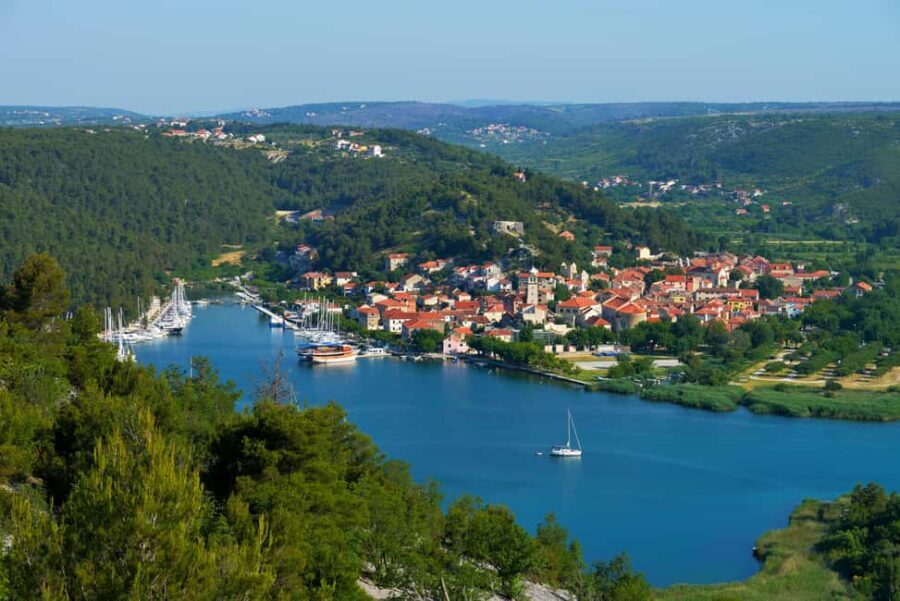
If you want a quick read on Dalmatia, start with the horizon. The tour runs from late morning into mid-afternoon, with a pickup option in an air-conditioned minibus, but the real tone gets set as soon as you head inland from Šibenik toward Okit Hill.
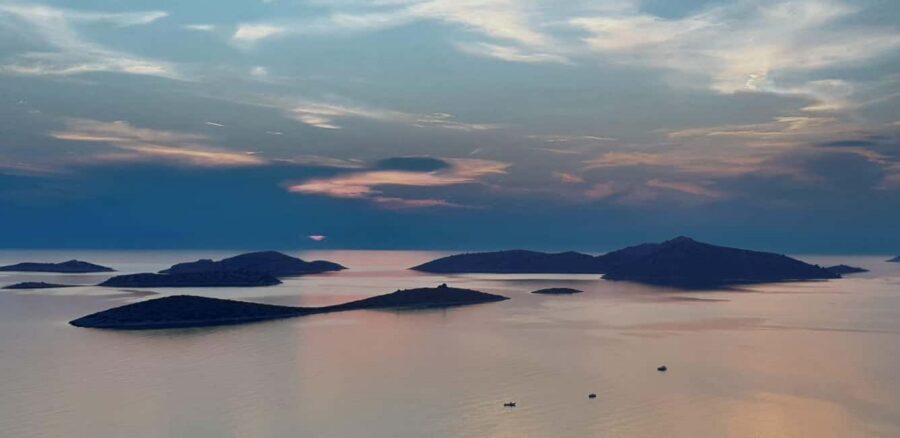
You’ll stand at a viewpoint tied to Svetište Gospe od Karmela – Okit, looking out over olive-covered hills, vineyards, and the shimmering outline of the Kornati Islands. This is one of the best parts because it helps you understand why the region tastes the way it does. The coastline gets the attention, but Dalmatia’s olive oil, wine, and even local history are shaped by inland terrain and old trade routes.
The tour guide, typically Neil, makes that connection with stories that travel with you on the bus. In the better moments, you’ll catch yourself looking at the ground before you look at the sea, because the land-use patterns (trees, slopes, villages) start to feel obvious.
A practical note: you’ll be outdoors at scenic stops and during the grove walk. Wear comfortable shoes and keep sun protection simple and ready.
You can also read our reviews of more tours and experiences in Sibenik.
Kaštel Benković: where strategy meets turbulent history
After the first big panorama, you move to the kind of place you can’t fully appreciate from a photo. One guided stop is Kaštel Benković for about 35 minutes, and it’s there to explain why this region has been fought over, traded, and re-set for centuries.
Dalmatia sits between sea routes and inland paths. That means whoever controlled the crossroads could move goods, collect taxes, and influence power. The tour frames this as more than trivia: it’s part of how olive farming and wine culture survived under shifting rulers and later modern conflict, too.
What makes this stop work is the pacing. You’re not asked to sit through a long museum-style lecture. Instead, the guide connects history to what you’re already seeing: the coastal-to-hinterland story, the village locations, and the way communities held onto production traditions even when the broader world didn’t cooperate.
If you like history but also want it to feel connected to daily life, this is a solid balance.
Uljara Lepur: the olive grove + cold-press mill experience
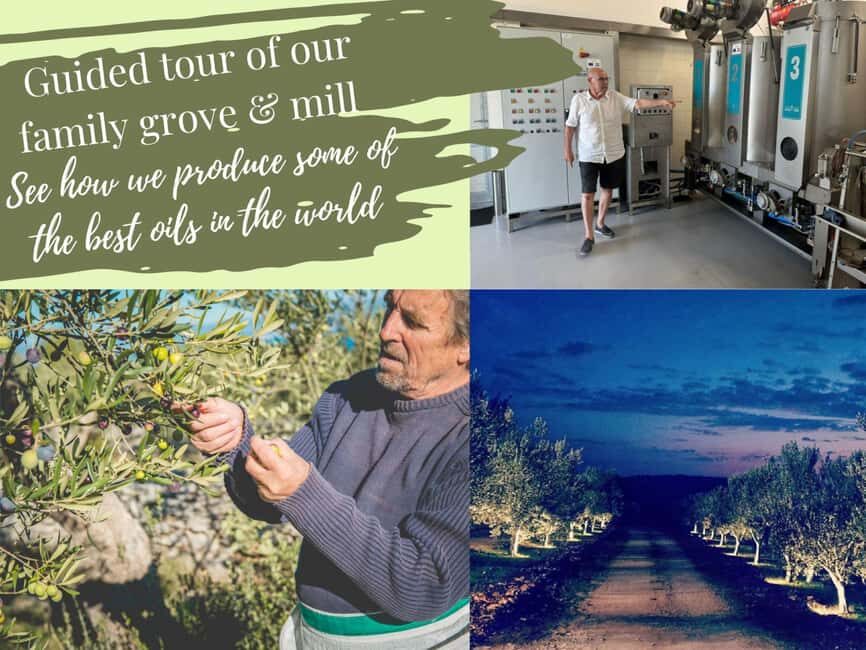
This is the reason most people book it, and it’s also the part that best explains the tour’s name. The schedule brings you to Uljara Lepur, where you get a guided visit to a family-owned olive grove and mill, plus tasting and local food bites.
The grove walk: seeing the raw material
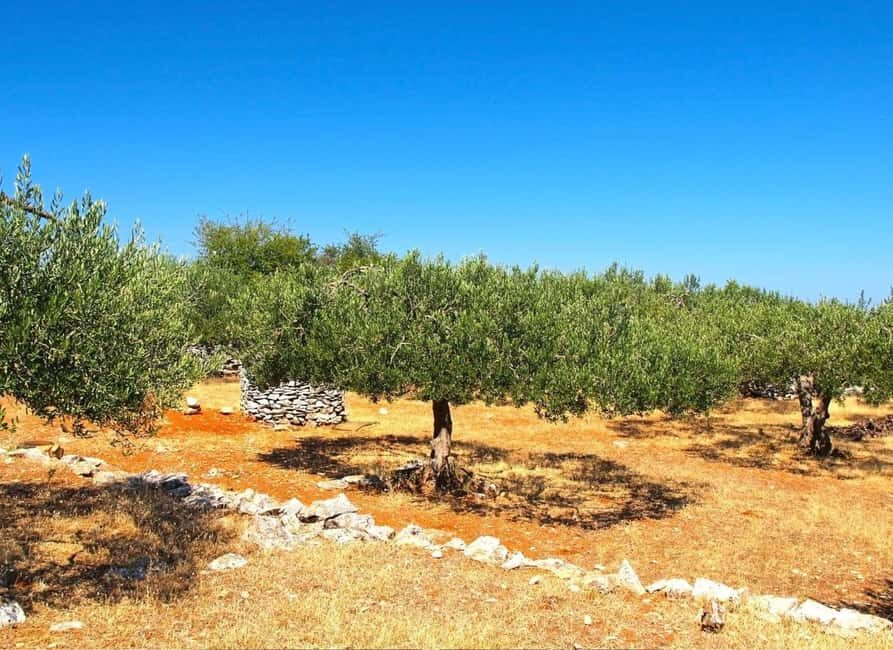
You start with the setting: olive trees arranged by the logic of the land. The guide shares how climate and tradition shape flavor, and you’ll hear why small differences in fruit and timing matter. Even if you’ve tasted olive oil at home, standing in the grove is a good reset for your sense of what you’re actually tasting.
One of the nicest details is that you’re not rushed through. With a small group size (limited to 8 participants), you can ask questions while the group stays moving.
The mill tour: “cold-press” in plain language
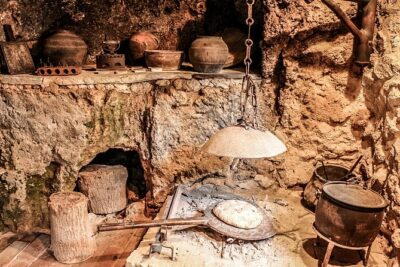
Inside the mill, you’ll see how olives turn into olive oil using modern cold-press techniques rooted in experience passed through generations. You don’t just get a look—you get a guided explanation of the process, which makes your later tasting much easier to interpret.
Cold-press isn’t a fancy buzzword here. It matters because it’s part of how flavors stay bright and fresh. When you know that, later oil comparisons start to make sense on the palate.
You can also read our reviews of more wine tours in Sibenik
Tasting 5 gold award-winning olive oils
Then comes the tasting: 5 olive oils, with tuition focused on what to notice—aroma, balance, and the character differences between oils. The tour also includes tasty bites designed to complement the oils and wine, so the tasting isn’t floating in space.
This is where the guide’s style matters. Neil and the team explain in a way that’s easy to apply right away. You’ll start distinguishing oils by fruitiness and how they finish, not just by whether you like them.
A couple of reviews highlight that Neil talks about commonly stated health benefits of extra virgin olive oil. That’s worth keeping in mind, but the bigger value for you is still the food logic: aroma, balance, and quality cues are something you can use when you shop later.
Wine and bites at the same stop
Right after olive oil, you shift into wine tasting at Uljara Lepur. You’ll sample local Croatian wines: the welcome glass is the region’s sparkling-style drink (described as Dalmatia’s answer to champagne), and then you get 1 red and 2 white wines during the tasting session.
Native Croatian grape varieties are part of the plan, and the wines are framed as reflecting soil and local tradition. In practical terms, it helps you understand why the wine doesn’t taste like a generic “Mediterranean blend.” It tastes like a place.
If you want a day that genuinely uses food as a learning tool, this stop delivers.
The lunch option: relaxed but still local
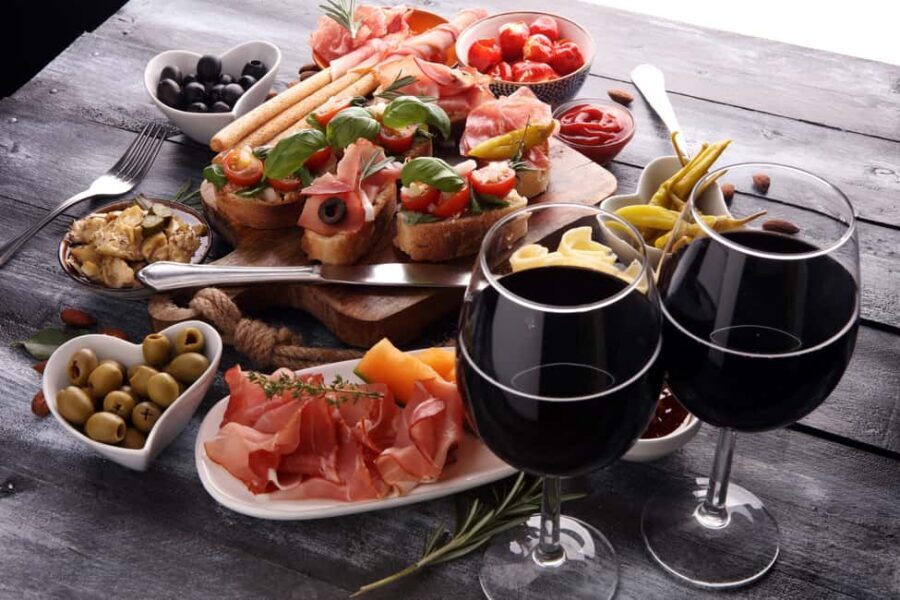
Food matters here, but you get choices. The tour includes tasty bites paired to the tastings, then offers an optional traditional Dalmatian lunch.
If you add the lunch (listed at 20€), it’s described as a cold buffet-style set-up: meats, seafood, cheeses, plus fruit and vegetable dishes, and it’s paired with Croatia wine to match preferences. It’s not a long formal course meal. It’s the kind of meal that keeps you comfortable and fueled for the rest of the drive and viewpoints.
Given the heat and the schedule pace (and because you’re walking at the grove), I think opting for lunch can be smart if you tend to get hungry mid-day.
Lake Vrana and Kamenjak: the Kornati payoff
You end with the kind of view that makes the earlier viewpoints feel like setup, not just sightseeing. The day finishes at Kamenjak Nature Park, perched high above Lake Vrana.
You’ll have a photo stop at Lake Vrana with a short sightseeing window, and then you’ll reach the final panorama where the Kornati Archipelago stretches out in front of you. This is the moment to slow down a bit. You’re not tasting anymore, and you don’t have to listen to a lecture to enjoy it.
If you like travel days that feel emotionally complete—scenes plus stories plus food—this is a good closer.
The main downside of a tour ending on views is obvious: if you don’t like heights, this might be less fun. But the stop is mainly for photos and reflection, not a long hike.
Price and value: why $64 can work
At $64 per person for about six hours, this tour is competing with a lot of alternatives in the Šibenik area. What helps it feel like good value is that you’re not just paying for transport and a single attraction.
You’re getting:
- a small group experience (max 8)
- an olive grove and mill visit with guided explanation
- an olive oil tasting of 5 oils
- a wine tasting that includes multiple wines plus a welcome glass
- local food bites paired with tastings
- scenic viewpoints and historical storytelling
The one cost that can change your total is the optional lunch. But even if you skip it, you’re still getting both food categories (oil and wine) in a way that feels like a full cultural lesson, not a quick taste stop.
Also, remember the oil itself: guests can buy oil to take away, which can turn the day into a practical souvenir. If you care about olive oil quality, that buy can offset part of the cost.
Who this tour suits best (and who might not love it)
You’ll probably enjoy this tour if:
- you want a food-first experience with clear explanations (olive oil and wine)
- you like mixing scenery with history, and you prefer small groups
- you’re okay with short drives between stops and some time outdoors
It may not be the best fit if:
- you want a purely relaxed beach-style day with lots of free time
- you have trouble with walking through an olive grove
- you’re traveling with kids under 12 or you’re very elderly (it’s not suitable under 12 and not for people over 95, based on the tour info)
Booking decision: should you book it?
If you’re the type who buys olive oil when you travel, or you want to understand why Dalmatia’s oils and wines taste the way they do, I think this tour is a strong pick. The most praised part isn’t just the tasting—it’s how the tasting connects to real places (the grove, the mill, the viewpoints) and to story (the region’s strategic crossroads and turbulent past).
I’d book it if you’re in Šibenik for a limited number of days and you want one half-day loop that feels like a complete theme: views, production, and history, all tied together.
If you’re unsure, focus on this: the tour’s “worth it” factor is highest when you care about food learning, not just pretty photos.
FAQ
What is the duration of the Šibenik countryside tour?
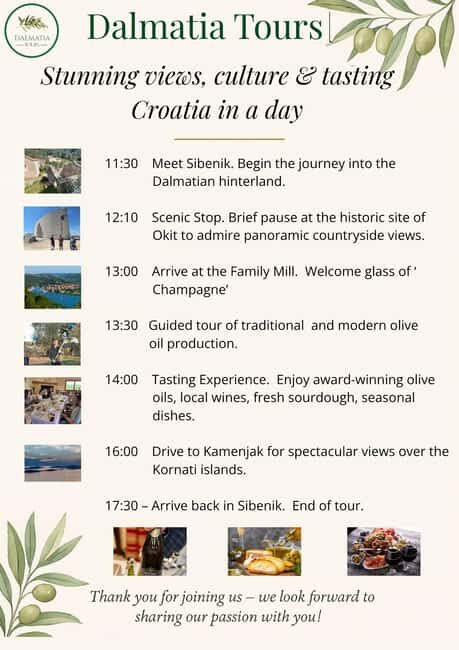
The tour runs for about 6 hours, starting at 11:30.
How much does it cost?
The price is $64 per person.
What group size should I expect?
It’s limited to a small group of up to 8 participants.
Where do we meet?
The meeting point is the central bus station in Šibenik, at the Silver Opel Mini Bus.
Is pickup available?
Pickup is optional. The tour can pick you up from your place of stay in an air-conditioned minibus.
What tastings are included?
You’ll get a welcome glass of local sparkling-style wine, a guided olive oil tasting of 5 olive oils, and a wine tasting that includes 1 red and 2 white wines, plus tasty bites to go with it.
Is lunch included?
A traditional Dalmatian lunch is optional and costs 20€. The standard inclusions focus on tastings and snack-style bites.
Can I buy olive oil during the tour?
Yes. Guests can buy olive oil to take away.
What language is the tour guide?
The tour is guided in English.
Is the tour suitable for children or very elderly guests?
It’s not suitable for children under 12 years old, and it’s not suitable for people over 95.
What if I need to cancel last minute?
Free cancellation is available up to 24 hours in advance for a full refund.